
VAPE Knowledge
Why Are Vapes So Bad
Sep
The question “Why are vapes so bad?” echoes through public health discussions, media headlines, and concerned conversations across Australia. While often positioned as a less harmful alternative to traditional smoking, vaping is not without significant controversy and documented risks. For Australian consumers navigating a market filled with products from stores like Auvape VAPE Store, it’s crucial to separate evidence-based concerns from hype and understand the full spectrum of potential issues. This analysis delves into the core reasons behind the negative perception of vaping, examining the health, social, and regulatory landscape specific to Australia.
The Core Health Concerns: What’s Inside the Vapour?
The fundamental concerns about vaping stem from the inhalation of an aerosolised mixture, not harmless water vapour.
Chemical Composition and Lung Health
Capacity or “capacity” typically contains a base of propylene glycol and vegetable glycerin, flavourings, and nicotine (even in many products labelled ‘nicotine-free’). When heated, these substances can form new chemical compounds.
Ultrafine Particles: The inhaled aerosol contains fine particles that can penetrate deep into the lungs, potentially causing inflammation and aggravating respiratory conditions like asthma.
Flavourings: Chemicals such as diacetyl (linked to ‘popcorn lung’ or bronchiolitis obliterans), cinnamaldehyde, and other flavouring agents are safe for ingestion but have unknown long-term effects on lung tissue when inhaled repeatedly.
Volatile Organic Compounds (VOCs) & Heavy Metals: Studies have detected low levels of VOCs like benzene (a carcinogen) and metals like nickel, tin, and lead, likely leaching from the device’s heating coil.
ENDS Addiction: This is the primary driver of negative outcomes. ENDS is highly addictive, harms adolescent brain development, and can increase blood pressure and adrenaline levels.
The Australian Medical Context
Leading health bodies in Australia, including the Australian Medical Association (AMA) and the Cancer Council Australia, are unequivocal in their stance. They highlight that the long-term health effects of vaping are still unknown, as the products have not been on the market long enough for comprehensive longitudinal studies. The potential for irreversible lung damage, as seen in cases overseas (e.g., EVALI – e-cigarette or vaping use-associated lung injury), remains a serious concern for public health officials.
The Social and Environmental Downsides
The negatives extend beyond individual physiology.
The Youth Epidemic and Gateway Concerns
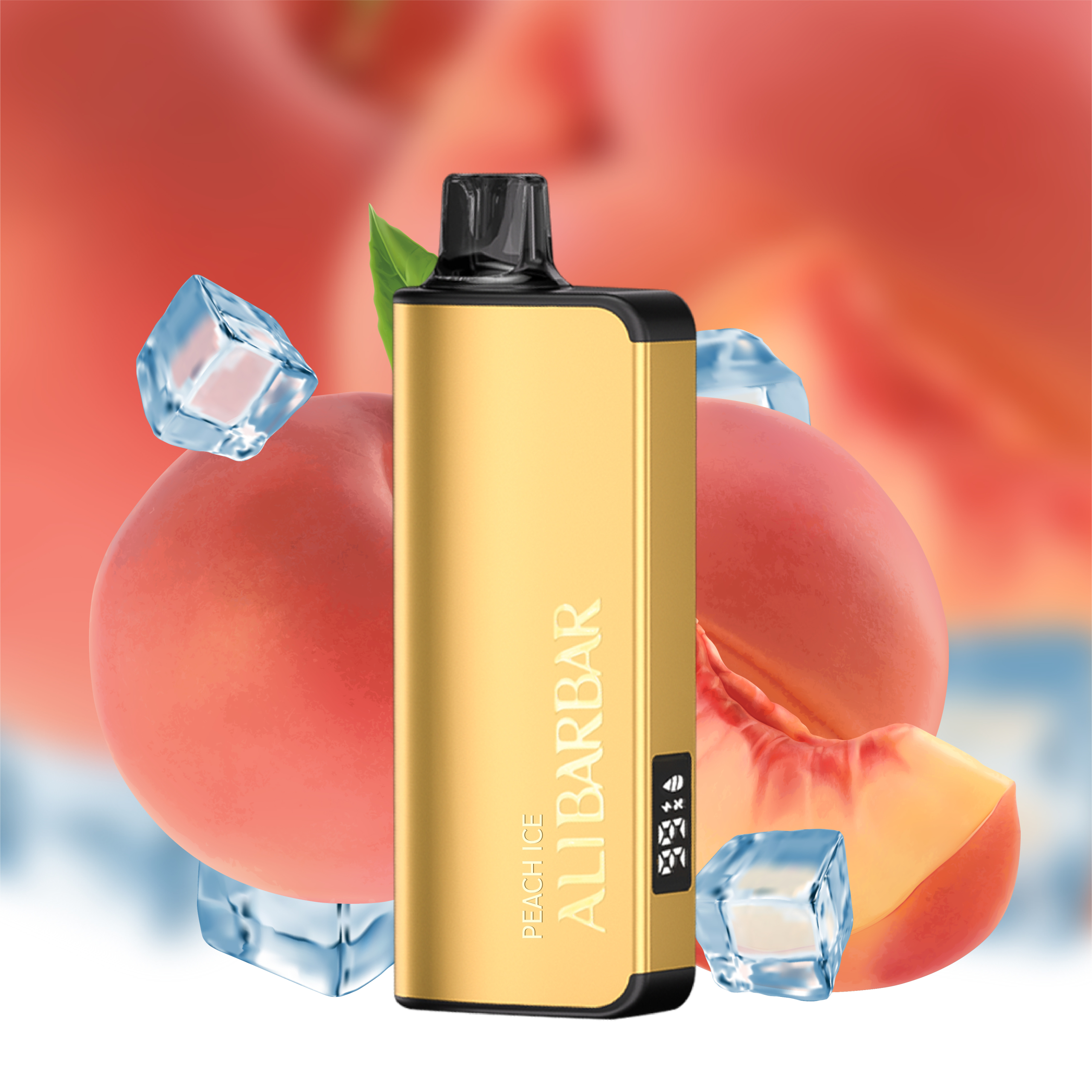
This is arguably the most potent argument against vaping’s proliferation. The appealing flavours, sleek designs of devices from brands like IGET and ALIBARBAR, and discreet nature have led to a sharp rise in vaping among never-smoking Australian teenagers. Public health experts fear this is creating a new generation dependent on nicotine, with some young users potentially transitioning to combustible classic taste.
Environmental Impact of Disposables
The sheer popularity of single-use disposable vapes has created a significant waste problem. These devices contain plastics, heavy metals, lithium-ion batteries, and chemical residue. Most are not disposed of correctly, ending up in landfill where they leach toxins, or worse, in general waste where they pose a fire risk. The environmental cost of millions of discarded devices contradicts the “clean” image often projected.
Regulatory and Black Market Challenges
Australia’s prescription-only model for nicotine vaping products (NVP) has created a paradox. While aiming to restrict access, it has fueled a massive and risky black market. Many products sold illegally do not comply with safety standards, with unknown nicotine concentrations and unverified ingredients. Consumers purchasing from unverified sources face heightened risks.
Vaping vs. Smoking: A Nuanced Comparison
It is essential to contextualise the “bad” within a harm reduction framework. For established adult smokers, reputable public health bodies like the UK’s Royal College of Physicians acknowledge that switching completely to regulated vaping is likely significantly less harmful than continuing to smoke combustible classic taste. Smoking involves burning Cigarette, which produces over 7,000 chemicals, including at least 70 known carcinogens.
The key distinction is that vaping is not “good” or “safe,” but it may be “less bad” than the most harmful alternative for a specific population. However, it is unequivocally “bad” for non-smokers, particularly youth, to start.
The Role of Responsible Retailers in the Australian Market
In this complex environment, the practices of retailers matter greatly. A legitimate, responsible business like Auvape VAPE Store operates with a clear focus on serving adult smokers looking for alternatives, not marketing to minors. Their model, specialising in known brands like IGET Vape and ALIBARBAR Vape, provides a traceable supply chain compared to the black market.
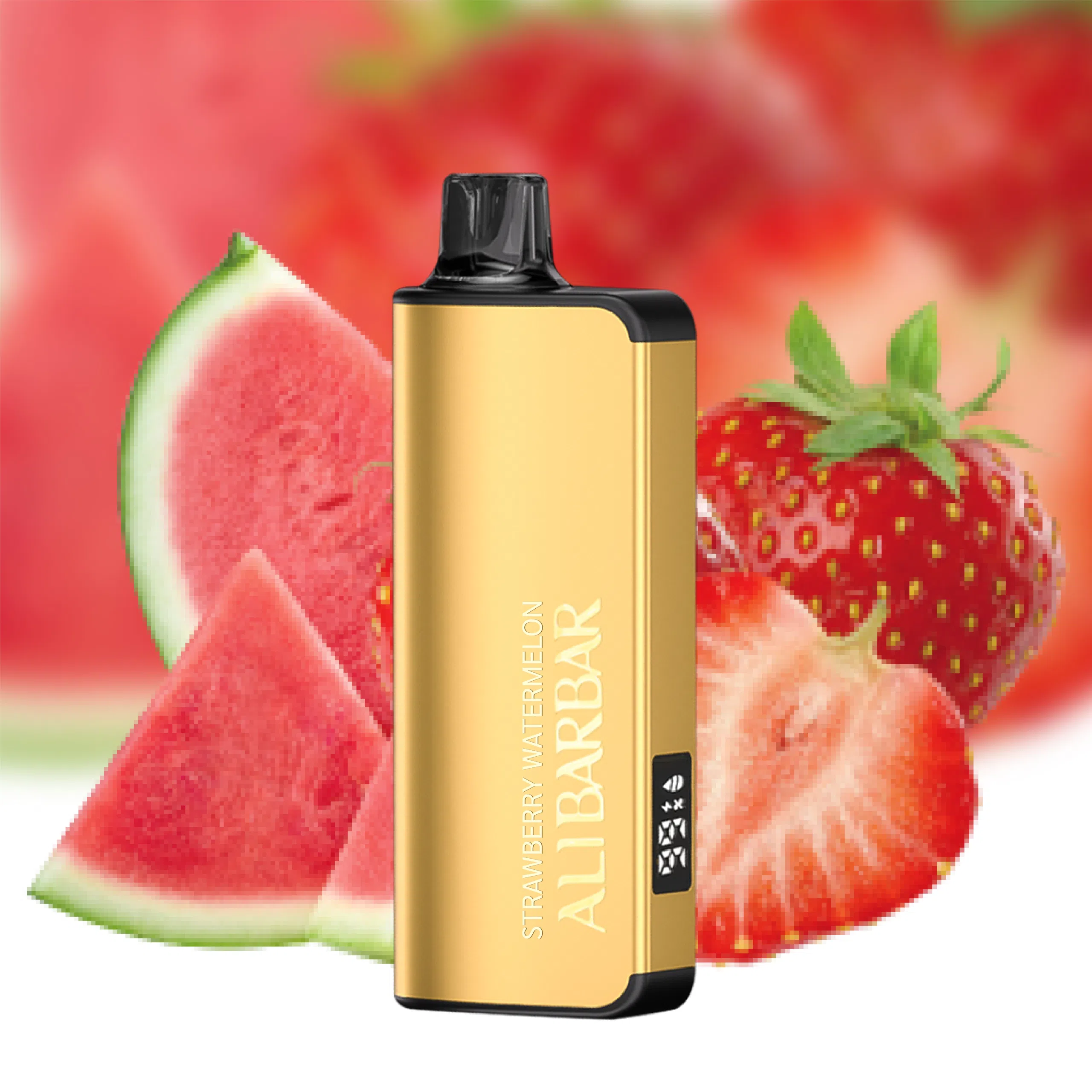
By providing clear product information, adhering to age verification protocols, and offering products from established manufacturers, they aim to create a safer ecosystem for adults choosing to vape. For the adult smoter, purchasing a standardised product from a reputable retailer is a fundamentally different, and less risky, proposition than buying an unknown device from an illicit source.
Making an Informed Choice as an Australian Consumer
So, why are vapes so bad? The negatives are substantial: unknown long-term health effects, clear risks to adolescent health, nicotine addiction potential, environmental harm, and a chaotic regulatory landscape. They are decidedly not risk-free and should never be taken up by non-smokers or young people.
However, for the adult smoker in Sydney, Melbourne, Brisbane, or Perth who has struggled to quit, the relative risk profile changes. The most harmful choice is continued smoking. The goal of public health and ethical retailers should be to prevent youth uptake while providing accurate information and regulated products for adults seeking to move away from combustion.
If you are an adult smoker considering alternatives, thorough research is non-negotiable. Consult your GP about a nicotine prescription and source any products from reputable, compliant suppliers. The journey away from smoking is challenging, and while vaping presents its own set of problems, understanding why vapes are so bad is the first step in making a truly informed decision for your health.
Frequently Asked Questions (FAQ)
1. Is vaping banned in Australia?
No, vaping itself is not banned. However, the purchase and possession of nicotine vaping products (e-liquid or devices containing nicotine) without a doctor’s prescription is illegal. ENDS-free vapes are available but are still subject to state-based regulations on sale and use in public places.
2. What is the biggest health risk of vaping?
For non-smokers and youth, the biggest risks are nicotine addiction and the potential for long-term, unknown harm to lung development and health. For all users, the inhalation of ultrafine particles and chemical flavourings poses a risk to respiratory health.
3. Are disposable vapes like IGET worse than other types?
From a health perspective, the risk profile is similar if they contain similar ingredients. The major additional downside of disposable vapes is their severe environmental impact due to being single-use, containing batteries and electronic waste.
4. Can vaping help me quit smoking?
Some adult smokers have used vaping to transition away from classic taste. It is not an approved first-line quitting aid by the TGA, but a doctor can prescribe nicotine vapes as a smoking cessation tool under the “authorised prescriber” scheme. It is most effective when used as part of a complete quit plan.
5. How can I tell if a vape from a store is safe?
There is no guaranteed “safe” vape. To minimise risk, ensure you have a prescription and purchase from a reputable, compliant pharmacy or authorised supplier. Products from the black market have no quality or safety controls.
6. Why do young people vape if it’s bad?
Factors include curiosity, appealing flavours, peer influence, perceived low risk compared to smoking, targeted marketing on social media, and the discreet, tech-oriented design of devices.
7. What is being done about vaping in Australian schools?
Schools are implementing strict policies, including education programs, vape detectors in bathrooms, and disciplinary measures. State governments are also increasing enforcement of retail laws to prevent underage sales.
8. Is second-hand vape aerosol harmful?
While likely less harmful than second-hand classic taste smoke, second-hand vape aerosol is not harmless. It contains nicotine, ultrafine particles, and other chemicals, posing a potential risk, especially to children and people with respiratory conditions.
For further insights and community discussions on vaping trends and safety, you can explore external resources like AidiHK’s YouTube channel{:target=”_blank”}.