
VAPE Knowledge
2022 Vaping Studies
The year 2022 proved to be a pivotal period for the global vaping industry, marked by a surge in scientific inquiry, decisive regulatory movements, and significant shifts in consumer behaviour. For Australian vapers and retailers like Auvape VAPE Store, understanding the implications of these studies is crucial for navigating an increasingly complex market. This analysis delves into the key findings from 2022, translating dense scientific and regulatory data into actionable insights for the informed consumer, and examines how leading brands have adapted in this new environment.
A Snapshot of the 2022 Vaping Research Landscape
H2: Key Public Health and Behavioural Studies
The body of research from 2022 presented a more nuanced picture of vaping’s role in public health, moving beyond simplistic narratives.
H3: Smoking Cessation Efficacy
Multiple systematic reviews and real-world studies reinforced the position of vaping as a significantly more effective smoking cessation tool than traditional nicotine replacement therapies (like patches and gum). A landmark study published in The New England Journal of Medicine provided long-term data showing sustained higher quit rates among smokers who used e-cigarettes compared to other methods. This reinforced the “harm reduction” argument that has been central to advocacy in countries like the UK.

H3: Youth Uptake and Flavour Dynamics
Concurrently, studies in the US and other markets highlighted ongoing concerns about youth appeal. Research consistently pointed to the role of sweet, dessert, and fruit flavours in initiating use among never-smoking youth. This data became a primary driver for flavour bans and restrictions in several jurisdictions, shaping the regulatory discourse that Australian authorities closely monitor.
H3: Chemical Exposure and Comparative Risk
Advanced chemical analysis studies continued to confirm that while not risk-free, vaping exposes users to significantly lower levels of toxicants and carcinogens compared to combustible classic taste. Research focused on specific carbonyl compounds, Cigarette-specific nitrosamines (TSNAs), and volatile organic compounds (VOCs) generally supported the established risk continuum. However, studies also cautioned about potential risks from certain flavouring agents when heated at high temperatures, underscoring the importance of quality-controlled manufacturing.
H2: The Global Regulatory Tsunami and Its Ripple Effects
2022 was arguably the year of regulatory action, with policies directly influenced by the emerging science.
H3: The US FDA’s Marketing Denial Orders (MDOs)
The US Food and Drug Administration (FDA) intensified its pre-market review process, issuing millions of Marketing Denial Orders (MDOs), predominantly for flavoured vaping products. This created massive uncertainty and reshaped the American market, pushing many manufacturers to seek regulatory approval more rigorously or shift strategies.
H3: The UK’s “Swap to Stop” Initiative
In stark contrast, the UK government further embedded vaping into its public health strategy, announcing plans for a “swap to stop” scheme to distribute vaping starter kits to smokers. This official endorsement, based on their review of the evidence, created a clear divergence in international policy approaches.
H3: Implications for the Australian Market
Australia’s prescription-only model for nicotine vaping products (NVPs) was already in effect. The 2022 global studies were used by all sides of the debate. Pro-regulation advocates pointed to youth studies to justify strict controls, while harm reduction proponents cited the cessation studies to argue for greater accessibility. This tension defined the Australian conversation, impacting consumer access and retailer operations.
H2: Market Evolution: How Top Brands Responded to the 2022 Climate
The findings and regulatory pressures of 2022 forced a strategic evolution among leading brands. Let’s examine how the market leaders adapted, with a focus on those most relevant to Australian consumers through specialists like Auvape VAPE Store.
H3: IGET: Consolidating Market Leadership Through Compliance and Diversity
As the market leader stocked by Auvape VAPE Store, IGET’s strategy in 2022 reflected a deep understanding of the mass market.
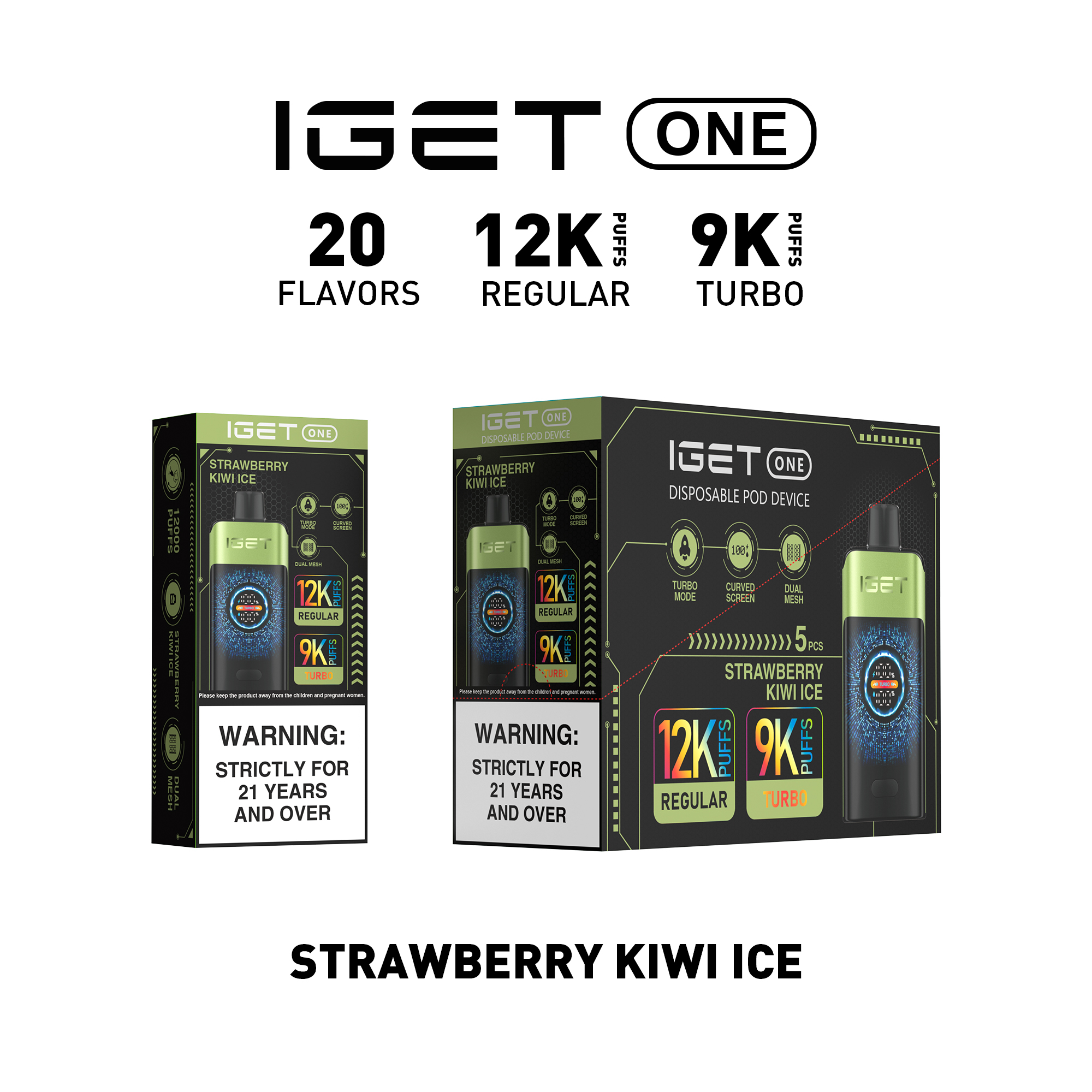
Response to Flavour Scrutiny: While offering a wide flavour portfolio, IGET maintained a focus on traditional and less controversial fruit profiles in many markets, avoiding the most overtly child-oriented branding that attracted regulatory ire elsewhere.
Emphasis on Technical Specifications: In line with studies questioning inconsistent device performance, IGET doubled down on promoting its devices’ reliability, consistent puff counts (3500 to 12000), and battery safety—key selling points for practical, cost-conscious adult smokers looking for a stable alternative.
Supply Chain Resilience: Amid global disruptions, IGET’s established manufacturing scale allowed it to maintain consistent supply, a critical factor for retailers and consumers in Australia seeking dependability.
H3: ALIBARBAR: The Design-Led Innovation Counterpoint
The emerging challenger brand, also featured prominently at Auvape VAPE Store, took a different path, aligning with a consumer desire for premium, differentiated products.
Moving Beyond “Disposable”: In response to environmental critiques highlighted in 2022 studies and media, ALIBARBAR’s focus on durable metal casings and a premium feel subtly addressed concerns about waste, positioning its devices as more substantial, longer-lasting objects.
Tech-Enhanced Transparency: Features like battery life indicators (e.g., smart screens) directly responded to user experience gaps identified in consumer feedback, offering greater control and predictability—a premium selling point for discerning vapers.
Cultivating a Niche: While IGET dominated on volume, ALIBARBAR carved a space by appealing to design-conscious users willing to pay a premium for aesthetics and enhanced features, demonstrating market segmentation in action.
H3: Global Giants: Regulatory Navigation
JUUL: Spent 2022 fighting for its survival in the US market, grappling with FDA rulings and settlements, a cautionary tale about regulatory risk.
Vuse / RELX: Invested heavily in scientific research and pre-market regulatory submissions (PMTAs in the US), aiming to legitimise their products through official channels. Their playbook focused on achieving official approval as modified risk products.
Elf Bar: Faced intense regulatory pressure, particularly in the US, leading to rebranding and a strategic push for compliance, showing how even the most popular brands are not immune to regulatory waves.
H2: Synthesising the Data: What 2022 Studies Mean for the Australian Vaper in 2024
The collective output of 2022 provides a clearer, if complex, roadmap:
The Harm Reduction Consensus is Stronger: For adult smokers, the evidence supporting vaping as a less harmful alternative solidified. The key is complete switching, not dual use.
Quality and Origin Matter More Than Ever: Studies on chemical exposure make a compelling case for purchasing products from reputable brands and authorised retailers like Auvape VAPE Store, which sources from known manufacturers (IGET, ALIBARBAR) rather than the unregulated black market.
Flavour Remains a Political Flashpoint: While adults clearly prefer flavours, their association with youth uptake means they will remain under regulatory scrutiny. Consumer choice may eventually be shaped by policy.
Device Evolution is User-Centric: The market is moving beyond simple disposables towards features that improve experience (battery life indicators, consistent output) and address criticisms (environmental impact, cost-per-puff).
Conclusion: Navigating the New Normal with Informed Choice
The 2022 Vaping Studies ultimately painted a picture of a maturing industry at a crossroads between public health potential and regulatory control. For the Australian vaper, this underscores the importance of making informed choices based on evidence, not hype or fear. It highlights the value of sourcing products from reputable, knowledgeable suppliers who understand both the science and the market. As a dedicated Australian retailer, Auvape VAPE Store navigates this evolving landscape by curating products from responsive brands like IGET and ALIBARBAR, ensuring customers have access to devices that reflect the latest in reliable performance and considered design, all within the framework of Australian regulations. The lessons of 2022 are clear: informed consumers, responsible retailers, and adaptive brands are key to a sustainable vaping ecosystem.
H2: Frequently Asked Questions (FAQ) on 2022 Vaping Studies
1. Did the 2022 studies prove vaping is safe?
No credible study has claimed vaping is “safe.” The consistent finding from 2022 research is that it is substantially less harmful than continuing to smoke combustible classic taste for adult smokers. The key public health message remains “harm reduction.”
2. Why are flavours so controversial if adults use them?
Studies from 2022 and earlier strongly correlated the availability of sweet, fruity, and candy-like flavours with the initiation of vaping among never-smoking youth. While adults also prefer these flavours for quitting smoking, regulators are primarily concerned with preventing youth uptake, making flavours a central policy target.
3. What was the biggest regulatory change inspired by 2022 data?
While not based on 2022 data alone, the year saw the intense enforcement of the US FDA’s pre-market authorisation process. This led to the removal of thousands of flavoured products from the market, demonstrating how existing regulations could be powerfully enforced based on public health evidence.
4. How did environmental concerns factor into 2022 studies and discussions?
While not the focus of clinical studies, the environmental impact of disposable vapes (e-waste, plastics, lithium batteries) became a significant part of the broader public and regulatory discourse in 2022, pushing some brands to explore more sustainable designs or recycling programs.
5. What does “comparative risk” mean in the context of these studies?
Comparative risk assesses the danger of one activity relative to another. The 2022 studies consistently reinforced that the risk of vaping is not zero, but it sits on a spectrum far lower than the well-established, extreme risks of smoking classic taste.
6. Are products like IGET Bar and ALIBARBAR mentioned in these studies?
Specific commercial brands like IGET or ALIBARBAR are rarely named in peer-reviewed scientific studies. However, the studies evaluate the categories these brands operate in (high-puff disposables, nicotine salt formulations) and the general materials and chemicals they use. Their relevance comes from how they align with the broader findings on product quality and user behaviour.
7. How should the findings on youth vaping affect an adult smoker?
Adult smokers should understand that the policies designed to protect youth (like flavour restrictions or prescription models) may impact product accessibility. The takeaway is to support responsible, age-restricted sales and advocate for legal access pathways that balance youth prevention with adult harm reduction.
8. Where can I find reliable, up-to-date information on vaping research in Australia?
Consumers should look to official sources like the Australian Department of Health and Aged Care (for policy) and research summaries from independent public health bodies like the Cancer Council. Responsible retailers also strive to stay informed on the science to guide their customers. For a look at the community and product side, you can find external perspectives on platforms like YouTube.