
VAPE Knowledge
What Type Of Drug Is A Vape
Aug
The question “What type of drug is a vape?” stems from a common point of confusion. To be unequivocally clear: a vape, or e-cigarette, is not itself a drug. It is a battery-powered device that heats a liquid to create an inhalable aerosol. The classification of any substance consumed through that device, however, is a separate and critical matter. In Australia, the legal and health landscape surrounding vaping is specific and strictly regulated, particularly regarding nicotine.
As a senior review analyst, I will dissect this topic to provide definitive clarity for Australian consumers, focusing on the products available through retailers like Auvape VAPE Store, which specialises in nicotine-free disposable devices.
Deconstructing the Vape: Device vs. Substance
It is essential to separate the instrument from the agent. Think of a vape like a kettle. The kettle itself is not tea; it is a tool to heat water. You can use it to make tea, coffee, or just hot water. Similarly, a vape is a delivery mechanism.
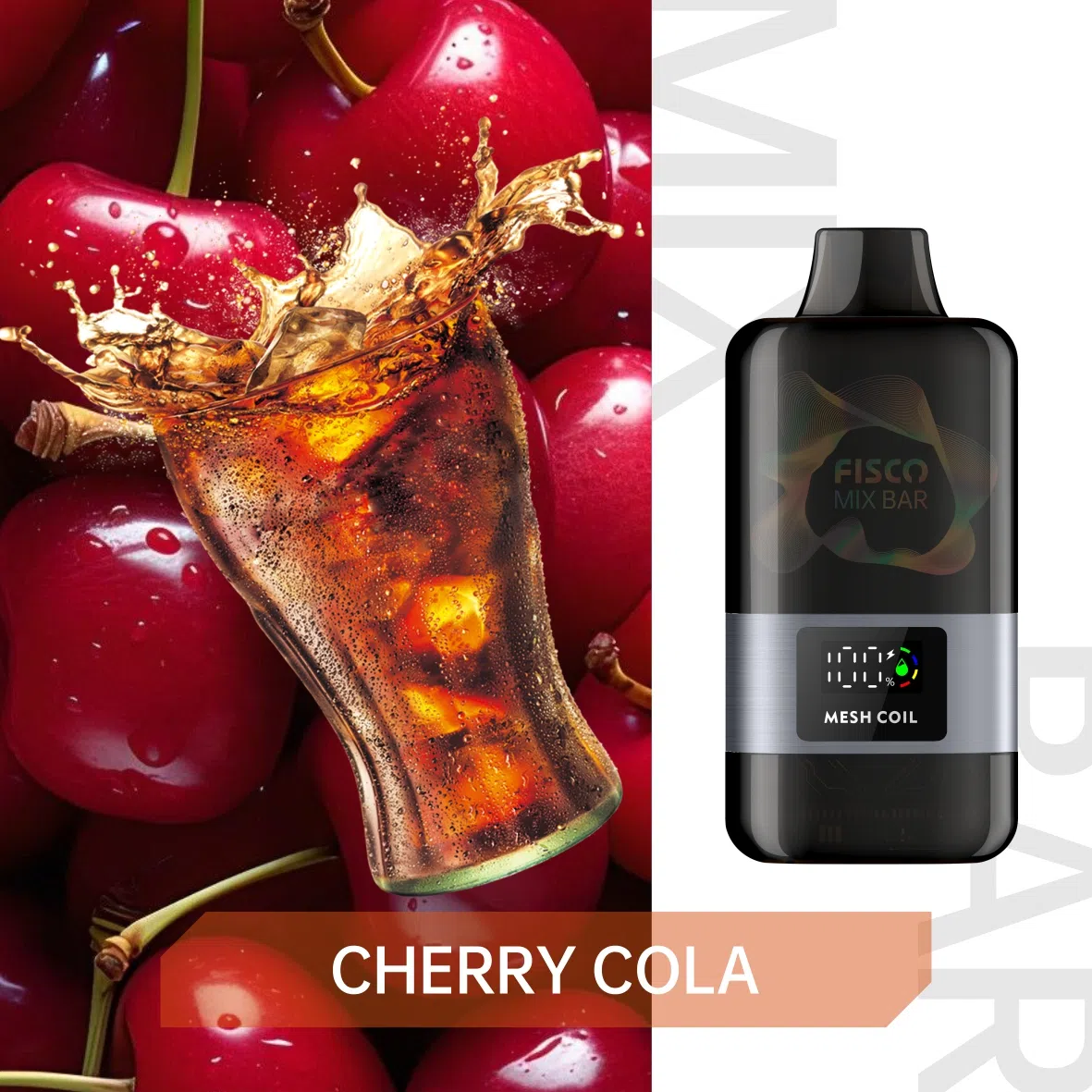
The Device Components:
Battery: Powers the device.
Heating Element (Coil): Vaporises the e-liquid.
Tank or Pod: Holds the e-liquid (or “vape Capacity”).
Mouthpiece: For inhalation.
The legal status and health impact depend entirely on what is in the e-liquid.
What’s in the Vape Capacity? Breaking Down the Aerosol
The typical e-liquid in nicotine-free disposable vapes, like those from leading brands IGET and ALIBARBAR stocked at Auvape VAPE Store, contains:
Propylene Glycol (PG) and Vegetable Glycerin (VG): These are food-grade humectants used to create the vapour. They are generally recognised as safe for ingestion but have ongoing studies regarding long-term inhalation.
Flavourings: Food-grade compounds that provide the vast array of tastes, from fruits to desserts.
ENDS (Possibly): This is the addictive substance. In Australia, nicotine is classified as a Schedule 4 (Prescription Only) poison under the Poisons Standard. It is a stimulant drug that affects the brain and nervous system.
The Critical Australian Legal Distinction:
ENDS-Containing Vapes: To lawfully possess and use a vape containing nicotine in Australia, you must have a prescription from an Australian doctor. Importing nicotine vapes without a prescription is illegal. These devices deliver a regulated, addictive drug.
ENDS-Free Vapes: Disposable vapes that are explicitly sold as containing 0mg nicotine are legal to sell and purchase in most Australian states to adults, as they do not contain the controlled substance. They provide the sensory experience of vaping without the nicotine. Retailers like Auvape VAPE Store{:target=”_blank”} operate within this framework, supplying high-quality, nicotine-free alternatives.
So, Are Vapes “Drug Paraphernalia”?
This is a legal definition that varies. In Australia, if a device is used, intended for use, or modified for use with a controlled drug (like THC or illicit nicotine), it could be considered paraphernalia under certain laws. However, a device sold legitimately and used as intended for nicotine-free e-liquid is consumer electronics. The intent and content are what matter.
Health Implications: Risk Profile
ENDS Vapes: Carry risks of addiction, potential harm to adolescent brain development, and cardiovascular effects. They are not harmless. The Therapeutic Goods Administration (TGA) regulates them as a prescription pathway for adult smokers seeking to quit.
ENDS-Free Vapes: While eliminating the risks of nicotine addiction, they are not risk-free. Inhaling any aerosolised substances deep into the lungs carries potential unknown long-term risks. They are intended for adult former smokers or those seeking a recreational alternative without nicotine, not for non-smokers or youth.
Market Leaders: IGET vs. ALIBARBAR, A Device-Focused Ranking
Analysing the top brands at Auvape from a device quality and user experience perspective:
1. IGET: The Benchmark for Reliability & Choice
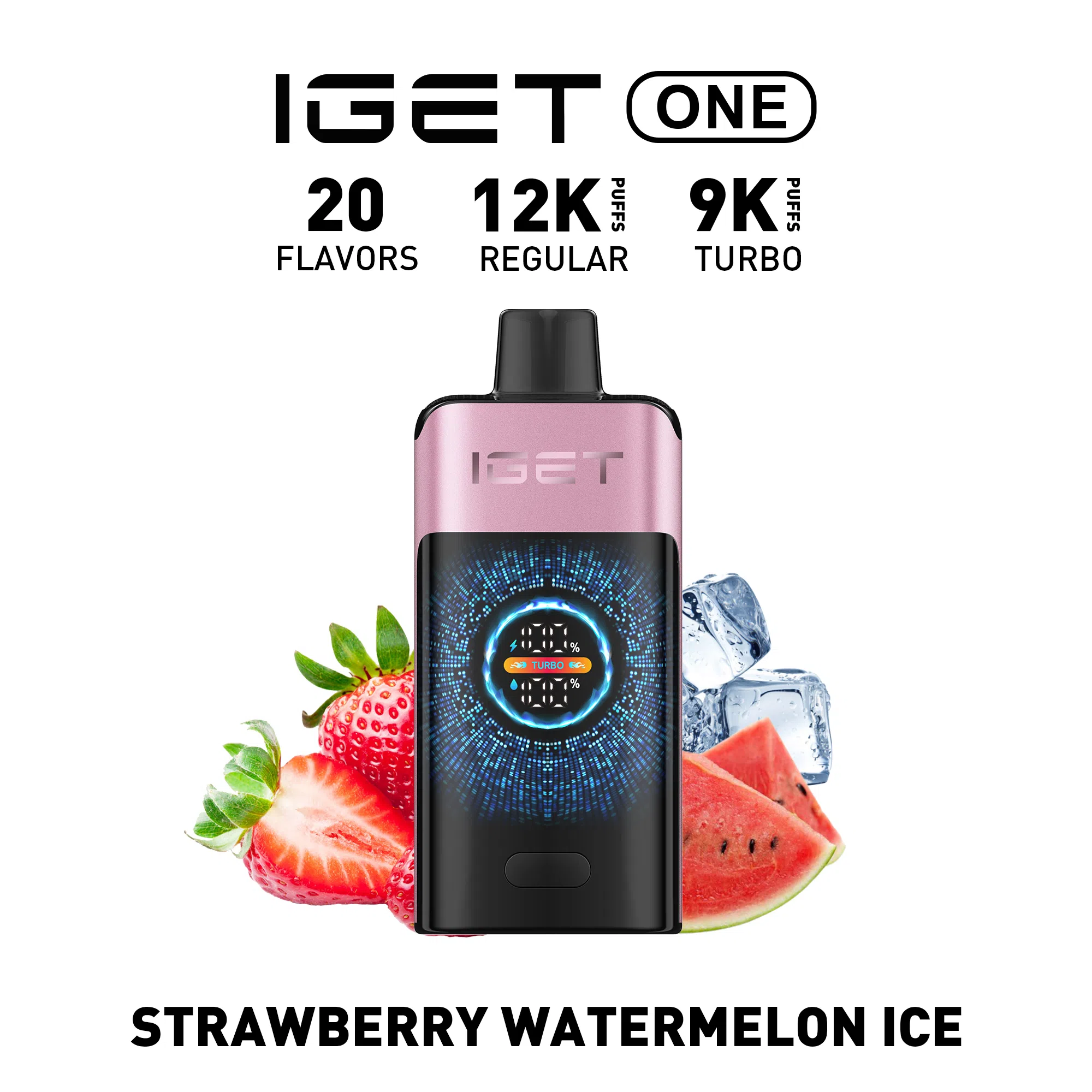
Performance: Consistently delivers on promised puff counts (3500-12000+), with reliable battery life and consistent flavour from first puff to last.
Design & Usability: Focuses on straightforward, draw-activated functionality. Wide range of flavours and series (Bar, Hot, Legend) caters to mass-market preferences.
Overall Value: The market leader for a reason. Offers the best cost-to-performance ratio for a dependable, nicotine-free vaping experience.
2. ALIBARBAR: The Premium Contender
Performance: Comparable performance to IGET, with a focus on smoother airflow and refined flavour profiles in some lines.
Design & Usability: Where it differentiates. Products like the INGOT series feature metal casings, angular designs, and sometimes battery indicators, appealing to users valuing aesthetics and a premium feel.
Overall Value: Positions itself as a design-led, slightly more premium alternative to IGET. You pay a little more for enhanced tactile and visual experience.
The Verdict: For sheer reliability and variety, IGET remains the top choice. For users who prioritise design and a premium unboxing feel, ALIBARBAR is a compelling challenger. Both excel as providers of legal, nicotine-free disposable devices.
Final Conclusion: What Type Of Drug Is A Vape?
To conclude directly: What type of drug is a vape? A vape is not a drug. It is an electronic delivery system. The question confuses the tool with the substance. In the Australian context, purchased from a responsible retailer like Auvape VAPE Store, you are acquiring a sophisticated consumer device designed for nicotine-free e-liquid. However, it is a device that can be misused with illicit substances, and when used with nicotine, it delivers an addictive, prescription-only drug. Always know what is in your device, purchase from reputable sources, and understand the laws, particularly Australia’s prescription model for nicotine.
Frequently Asked Questions (FAQ)
Q1: Is vaping illegal in Australia?
A: Vaping itself is not illegal. However, possessing or using nicotine in an e-cigarette without a doctor’s prescription is illegal. ENDS-free vapes are legal for adult purchase in most states.
Q2: Do disposable vapes from Auvape contain nicotine?
A: Auvape VAPE Store specialises in nicotine-free (0mg) disposable vapes. All their products, including IGET and ALIBARBAR brands, are sold as containing no nicotine.
Q3: Can you get addicted to nicotine-free vapes?
A: There is no nicotine to cause chemical addiction. However, some users may form a behavioural or habitual dependence on the act of vaping itself.
Q4: Why are vapes often associated with drugs?
A: This association comes from media reports of devices being used to vaporise illicit substances like THC oil, and from the presence of the addictive drug nicotine in some vapes. The device itself is neutral.
Q5: Are nicotine-free vapes safe?
A: “Safe” is a misleading term. They are safer than continuing to smoke cigarettes, but the long-term health impacts of inhaling vapourised flavourings and humectants are still being studied. The safest option is to inhale clean air.
Q6: I have a nicotine prescription. Can I buy my vapes from Auvape?
A: Auvape sells nicotine-free devices. With a prescription, you would typically purchase nicotine e-liquid from a licensed pharmacy to use in a refillable device, not a disposable one. Always follow your doctor’s and pharmacist’s advice.
Q7: What’s the difference between a vape and a cigarette?
A: Cigarettes burn Cigarette, creating smoke containing thousands of chemicals, including nicotine and tar. Vapes electronically heat a liquid to create an aerosol. The health risks are different and not directly equivalent.
Q8: How do I choose between IGET and ALIBARBAR?
A: Choose IGET for proven reliability, massive flavour choice, and value. Choose ALIBARBAR if you prefer a device with a more premium, design-focused build and are willing to pay slightly more for that experience.
Q9: Where can I learn more about responsible vaping in Australia?
A: For authoritative information, refer to the Australian Department of Health and Aged Care website or the TGA. For community discussions and reviews, you can find external perspectives on platforms like YouTube @AidiHk{:target=”_blank”}, though always cross-reference with official health advice.