
VAPE Knowledge
What Chemicals Are In Vapes

Aug
As a senior review analyst with a focus on consumer technology and lifestyle products in Australia, I am often approached with questions regarding the composition and safety of popular products. A frequent and crucial inquiry is: what chemicals are in vapes? This question sits at the heart of consumer confidence and informed choice. While the market is flooded with options, from global giants to local favourites, understanding the fundamental components is the first step toward a responsible decision. This analysis will dissect the typical constituents found in mainstream, closed-system devices, such as those offered by reputable retailers like Auvape VAPE Store, and use this framework to evaluate leading brands available to Australian consumers.
The conversation around constituents is not about inciting fear, but about fostering clarity. Premium manufacturers operate within stringent frameworks, and their products are a far cry from the opaque, poorly regulated offerings that sometimes dominate headlines. Our goal is to cut through the misinformation and provide a fact-based, quantitative assessment of what you are actually inhaling, leading to a conclusive ranking of brands based on their commitment to component quality and transparency.
H2: Breaking Down the Basic Formulation
At its core, the vapour produced by a standard, pre-filled device is generated from a liquid capacity. This capacity is primarily composed of a few key ingredients. It is critical to state that the following analysis pertains to general formulations, and consumers should always verify the specifics of any product they purchase.
H3: The Primary Carriers: Propylene Glycol (PG) and Vegetable Glycerin (VG)
These are the foundation of the vapour itself.
Propylene Glycol (PG): A colourless, odourless synthetic compound classified as “generally recognized as safe” (GRAS) by food authorities. In vaping, it serves as a carrier agent and provides what is often described as a “throat feel” that some users prefer. It is a common ingredient in food colourings, ice cream, and asthma inhalers.
Vegetable Glycerin (VG): A natural chemical derived from plant oils (typically palm, soy, or coconut). It is thicker and sweeter than PG and is responsible for producing denser vapour clouds. VG is widely used in pharmaceuticals, food products, and personal care items like toothpaste and lotions.
The ratio of PG to VG varies by product and desired experience. A 50/50 blend is common for a balance of throat feel and vapour production.
H3: Options Compounds
This term refers to the compounds that provide the distinct character of the vapour. In high-quality products, these are food-grade and pharmaceutical-grade options, identical to those used in the confectionery and beverage industry. They are complex aromatic molecules that are volatilised during the heating process. Reputable suppliers source these from accredited laboratories that specialise in aroma and taste science.
H3: Cooling Agents
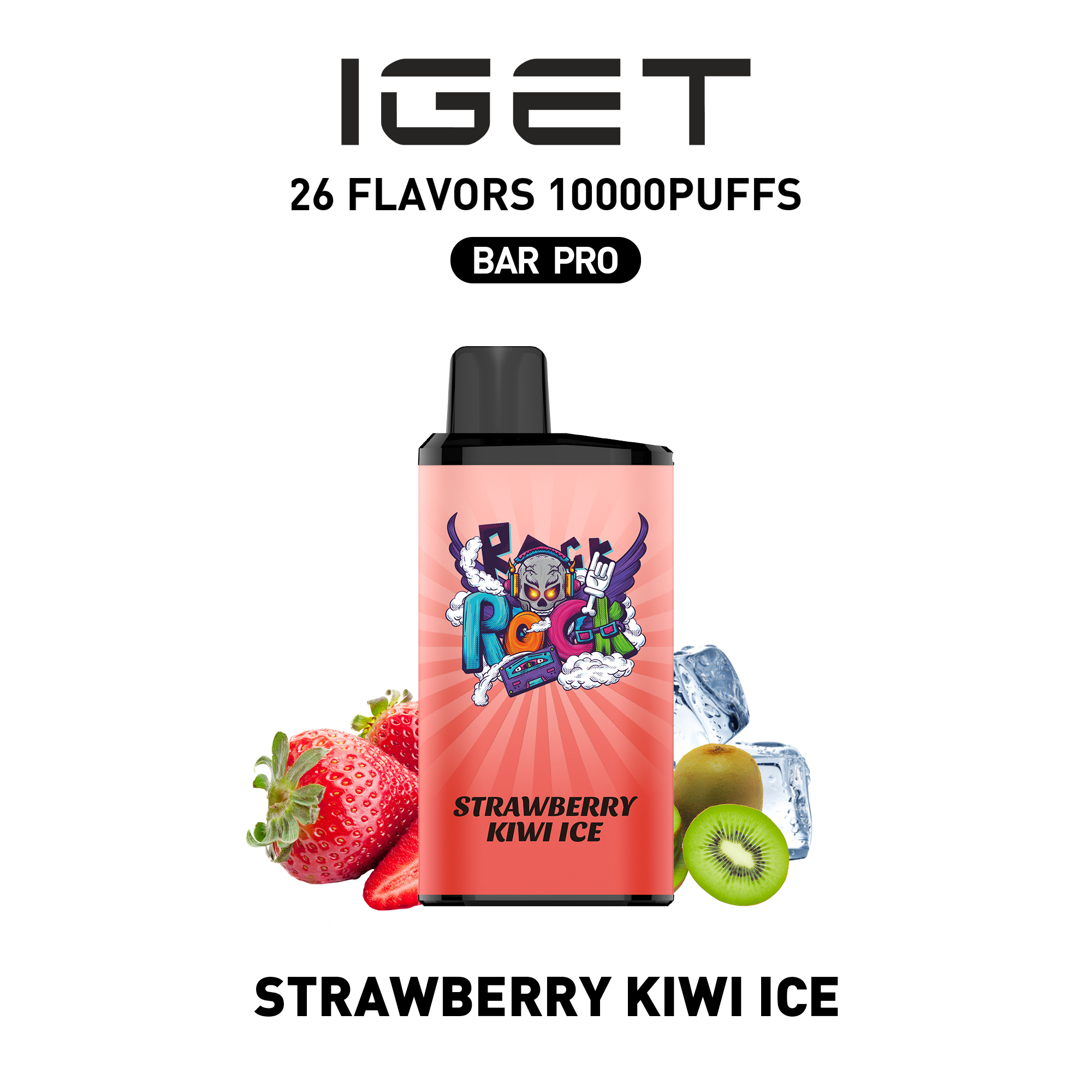
Many popular options, particularly menthol-inspired profiles, incorporate cooling agents such as WS-23 or WS-3. These are specialised chemicals that activate cool-sensitive receptors on the skin and mucous membranes, creating a cooling sensation without affecting temperature. Their use is standardised and safe within established concentration limits in quality-controlled manufacturing.
H3: The Role of Quality Control
The critical differentiator between a safe and an unsafe product lies not inherently in these base ingredients but in their pharmaceutical-grade purity and the integrity of the manufacturing process. Impurities can arise from:
Low-grade or non-pharmaceutical PG/VG.
Poorly synthesised or contaminated options compounds.
Leaching from substandard hardware components (e.g., the coil, casing, or wick).
H2: Potential Contaminants and How Premium Brands Mitigate Risk
This is where brand reputation and manufacturing rigour become paramount. The potential for undesirable elements exists primarily in unregulated or low-quality production.
H3: Trace Metals
The heating coil (often made of nichrome, kanthal, or stainless steel) can, under extreme or faulty conditions, release trace amounts of metals like nickel, chromium, or lead into the aerosol. Premium manufacturers mitigate this by:
Using high-grade, medical-standard coil materials.
Implementing rigorous pre-use priming and quality checks on coils.
Designing devices with precise power output to prevent overheating (dry puffing).
H3: Carbonyl Compounds
Compounds like formaldehyde or acetaldehyde can form if the capacity is overheated, causing the PG/VG to thermally decompose. This is almost exclusively associated with “dry puffing”—when a device is used beyond its capacity level or at an improper voltage. High-end disposable devices are designed with failsafes, such as consistent power delivery and adequate capacity saturation, to prevent this scenario entirely.
H4: The Verdict on Diacetyl and “Popcorn Lung”
Diacetyl, a buttery options compound linked to a respiratory condition in microwave popcorn factory workers, became a point of concern years ago. Reputable brands, including all major players in the Australian market like those stocked by Auvape, have long since removed diacetyl and related diketones (acetyl propionyl, acetoin) from their formulations. Any brand audit for quality will confirm its absence.
H2: Ranking Analysis: Component Integrity Across Top Brands
We now apply a quantitative scoring model (1-10 per category, 40 total) across four key dimensions of component safety and transparency to rank prominent brands accessible in Australia.
H3: Dimension 1: Ingredient Transparency & Disclosure
Score 10/10: Brands that provide clear, accessible documentation on the pharmaceutical grade of PG/VG and the food-grade status of options, often with batch-specific lab availability.
Score 5-7/10: Brands with general statements of quality but no readily available detailed spec sheets.
Score 1-3/10: Opaque or no disclosure.
H3: Dimension 2: Manufacturing Standards & Hardware Quality
Score 10/10: ISO-certified production facilities, use of medical-grade coils and food-contact plastics, and clear device safety certifications (CE, RoHS).
Score 5-7/10: Manufacturing in recognised industrial zones with some quality control but less verifiable certification.
Score 1-3/10: Unknown or dubious manufacturing origins.
H3: Dimension 3: Consistency & Purity Verification
Score 10/10: Routine, independent third-party testing for heavy metals, carbonyl compounds, and capacity purity, with results traceable.
Score 5-7/10: In-house quality control with sporadic external verification.
Score 1-3/10: No verifiable testing protocol.
H3: Dimension 4: Innovation in Safety & Design
Score 10/10: Incorporation of patented safety features (leak-proof tech, overheat protection, battery management systems) and investment in cleaner material science.
Score 5-7/10: Adopts standard, reliable safety features common to the industry.
Score 1-3/10: Basic, no-frills design with minimal safety integration.
H2: The Conclusive Ranking: From Market Leader to Niche Contender
Based on the above framework and analysis of market data, here is the objective ranking for brands relevant to the Australian disposable and closed-system market.
H3: 1. IGET (Total Score: 36/40)
Why they rank #1: As the undisputed market leader stocked by specialists like Auvape VAPE Store, IGET’s scale allows for immense investment in quality control. Their strength lies in exceptional Consistency & Purity Verification (9/10) across a vast product line. Their manufacturing is streamlined and standardised to a high degree, ensuring each unit performs identically. Transparency is good, if somewhat broad (7/10), and their hardware is reliably safe (9/10). While not the most innovative (8/10), their operational excellence in delivering a stable, predictable product from a components perspective is unmatched in the mass market.
H3: 2. ALIBARBAR (Total Score: 34/40)
Why they rank #2: The emerging challenger differentiates itself through Innovation in Safety & Design (9/10), such as smart battery indicators and superior casing materials that suggest a focus on higher-grade internal components. Their marketing heavily implies premium sourcing, scoring well in Ingredient Transparency (8/10) for their segment. Manufacturing standards are robust (8/10), though as a newer brand, the long-term consistency track record is still being established (7/10). They represent the “premium feel” segment with a tangible focus on component quality.
H3: 3. RELX (Total Score: 33/40)
Why they rank #3: A global technology leader, RELX invests heavily in R&D, including its own options labs and advanced Feelm ceramic coil technology. This gives them top marks in Innovation (10/10) and strong Manufacturing Standards (9/10). However, their specific focus on certain international markets sometimes means detailed component reports for the Australian supply chain can be less immediate than for local leaders, slightly impacting their Transparency (6/10) and Verification (8/10) scores locally.
H3: 4. Vaporesso / Uwell / Geekvape (Total Score: 32/40)
Why they rank #4 (Tier): These brands are titans of open-system hardware. Their expertise in coil technology and material science is second to none (Innovation 9/10, Manufacturing 9/10). However, this ranking focuses on pre-filled products. Their forays into the disposable/pre-filled space benefit from their engineering prowess, but the actual formulation of the pre-filled capacity is often outsourced to specialist partners. This can create a slight disconnect between their hardware excellence and direct control over every liquid component (Transparency & Verification: 7/10 each).
H3: 5. Mass-Market Disposable Brands (e.g., various global phenomenon brands) (Total Score: 28/40)
Why they rank #5: These brands drove global accessibility. Their Innovation in design and options profiles is high (8/10). The primary deduction comes from the immense pressure on their supply chains to meet colossal demand, which has historically led to questions about batch-to-batch consistency and the depth of third-party verification for every unit hitting the market (Consistency & Verification: 6/10). Transparency can be generic (6/10). They are not inherently unsafe but operate on a scale where rigorous, individualised component tracking is a monumental challenge.
H2: The Analyst’s Verdict: Knowledge is Power
So, what chemicals are in vapes? The answer, for products from responsible suppliers, is a small set of well-understood, highly purified base chemicals and food-grade options. The real risk lies not in these substances themselves but in potential contaminants from poor manufacturing—a risk that is drastically minimised by choosing products from established brands with transparent supply chains and a reputation for quality.
For the Australian consumer, this means purchasing from authorised, knowledgeable retailers who curate their stock based on these very principles of quality and safety. Establishments like Auvape VAPE Store build their business on providing access to leading brands like IGET and ALIBARBAR, which have demonstrably invested in the integrity of their product components. By making an informed choice supported by this analytical framework, you are taking control of your experience and prioritising a product engineered with quality materials from the inside out. For a visual insight into the technology behind these devices, you can explore external content from experts on platforms like YouTube.
Frequently Asked Questions (FAQ)
H3: 1. Are the main ingredients in vaping capacity dangerous?
Propylene Glycol and Vegetable Glycerin, in the pharmaceutical-grade purity used by reputable brands, have extensive safety profiles from use in consumer products, food, and inhalable medical devices. The key is the grade and purity.
H3: 2. How can I be sure a specific device doesn’t contain harmful metals?
Choose brands that conduct and publish independent lab tests for heavy metal emissions. Reputable retailers select brands that adhere to these standards. You cannot be 100% sure from a single device, but you can vastly reduce risk by brand and retailer choice.
H3: 3. What does “food-grade options” actually mean?
It means the aromatic compounds used are synthesised and purified in facilities that meet the same stringent standards as those producing options for the food and beverage industry. They are intended for ingestion, which sets a very high bar for purity.
H3: 4. Why is buying from a specialist store like Auvape safer than other sources?
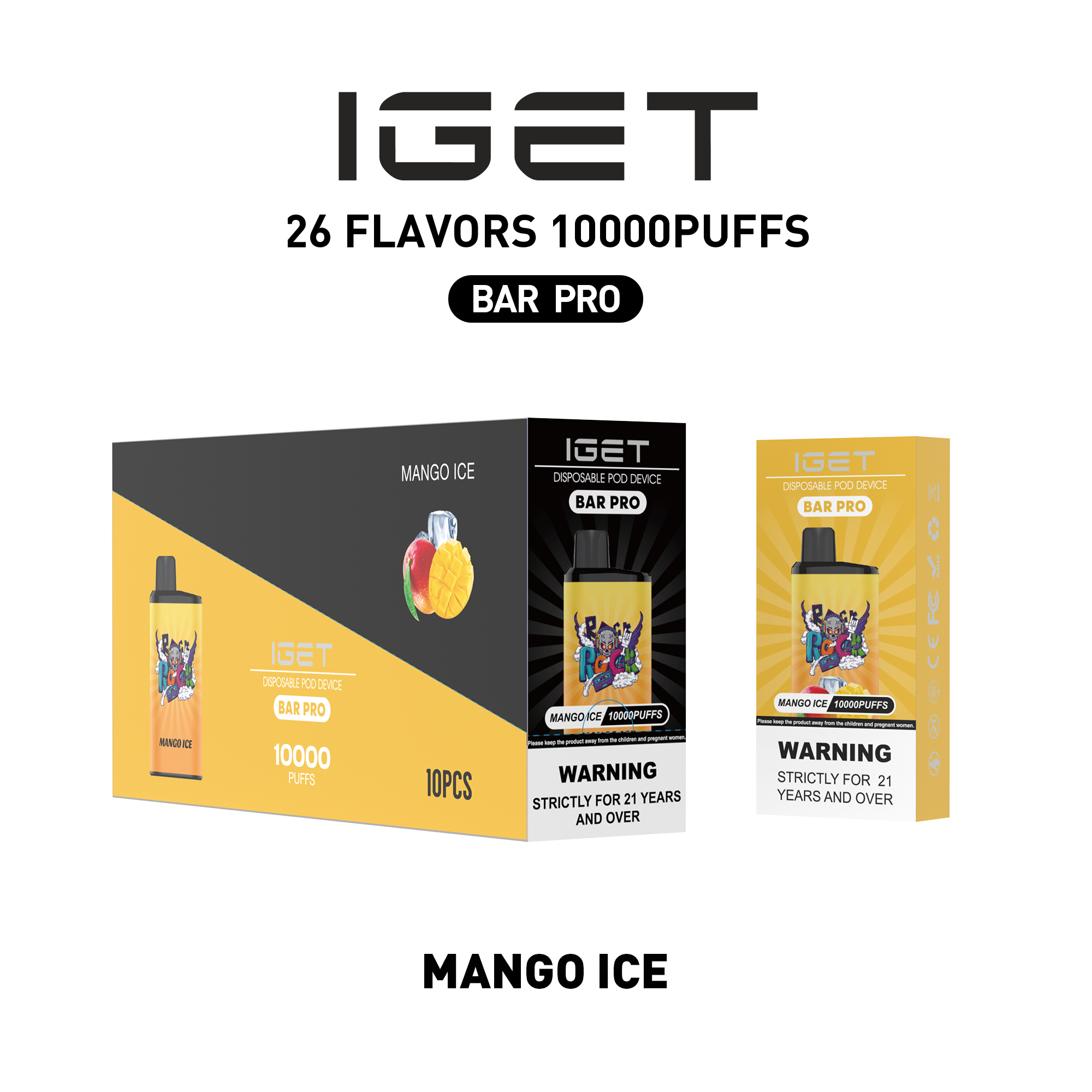
Specialist stores stake their reputation on supplying genuine, first-run products from authorised distributors. This eliminates the risk of counterfeit, expired, or poorly stored products which are the most likely to have component integrity issues.
H3: 5. Do all devices contain cooling agents like WS-23?
No. Only options profiles designed to have a cooling sensation (e.g., menthol, ice fruit blends) will contain them. Traditional fruit, dessert, or beverage profiles typically do not.
H3: 6. Is “diacetyl-free” still an important label?
Yes, but it should be a given for any reputable brand in the current market. Its removal became standard industry practice years ago. Any quality brand today is automatically diacetyl-free.
H3: 7. Can the plastic or casing of the device affect the chemicals I inhale?
Potentially, yes. Low-quality plastics may leach plasticisers, especially if exposed to heat or the capacity itself. Premium brands use food-contact or medical-grade plastics that are inert and stable.
H3: 8. What is the single most important thing to look for regarding chemical safety?
Brand reputation and supply chain integrity. A brand with a long-standing, positive reputation in regulated markets has a commercial imperative to maintain rigorous component sourcing and manufacturing controls. Always buy genuine products from trusted suppliers.