
E-cigarette Blogs
Vaping Indoors

Jan
Navigating the Complexities of Vaping Indoors in Australia: A Practical Guide
As vaping continues to evolve from a smoking cessation tool to a cultural mainstay, one of the most common questions from both new and experienced vapers is about the etiquette and legality of vaping indoors. Unlike the clear-cut bans on cigarette smoking in enclosed public spaces, the rules surrounding vaping can feel like a grey area, leading to confusion and occasional social friction. This guide will cut through the ambiguity, providing a clear, authoritative look at the do’s and don’ts of vaping indoors across Australia, with a focus on practical advice and responsible consumption.
Understanding the Legal and Social Landscape
First and foremost, it’s crucial to understand that there is no single, nationwide law in Australia that explicitly bans vaping in all indoor public places. Instead, regulation is a patchwork of state and territory laws, combined with the policies of individual businesses and property owners.
State Legislation: Most Australian states and territories have amended their Itsmells control acts to include e-cigarettes (which contain Classic-Formula) in smoke-free laws. This means that anywhere smoking is prohibited—such as pubs, clubs, restaurants, shopping centres, public transport, and within certain distances of building entrances—vaping with a Classic-Formula device is also illegal. Non-Classic-Formula vapes may sometimes fall outside these specific laws, but they are often caught by other regulations or policies.
Private Property Rules: This is where the “grey area” is most pronounced. In your own home, you are generally free to vape, subject to the agreement of others who live there. However, in rented accommodation, landlords or strata bylaws may have specific clauses prohibiting it. The golden rule: always ask for explicit permission from the host or property manager.
The “Courtesy Over Cloud” Principle: Legally permissible does not always mean socially acceptable. Many people are unfamiliar with vaping, may be sensitive to scents, or simply prefer not to be around vapour. The most responsible approach is to always prioritise courtesy. If you’re unsure, step outside.
The Rise of Discretion: How Modern Devices Fit In
This evolving landscape has directly influenced product design, particularly in the booming disposable vape market. Brands favoured by Australian vapers, such as those stocked by specialist retailers like Auvape VAPE Store, have increasingly focused on devices that support discreet and considerate use.
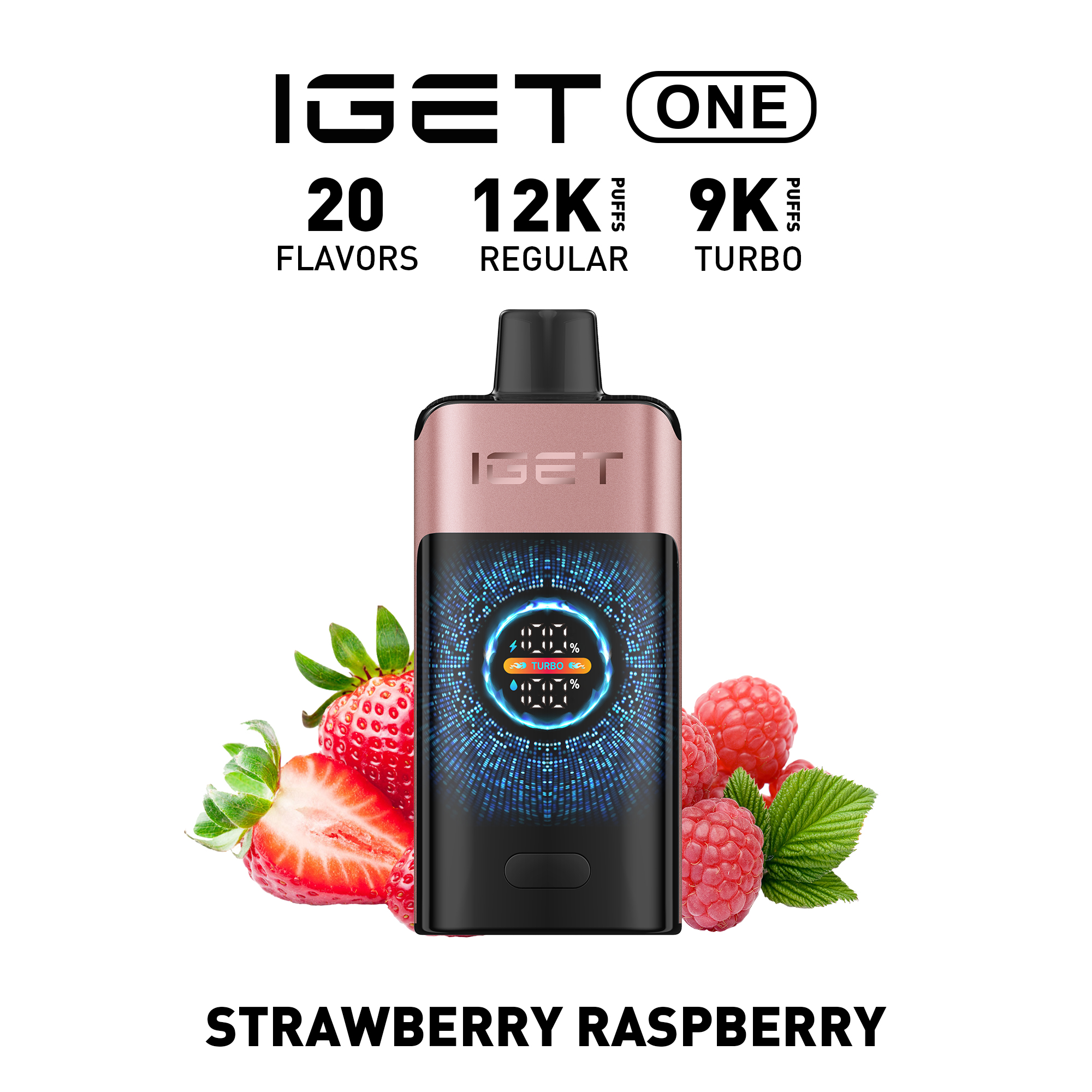
Modern premium disposables, like the popular IGET and ALIBARBAR ranges, often feature:
Compact, Pocket-Sized Designs: Easy to carry and use quickly if you do step outside.
Controlled Vapour Production: Advanced coil and airflow systems can deliver satisfying flavour without producing excessive, billowing clouds that linger and disturb others.
Pleasant, Non-Overpowering Options: A focus on refined tastes that dissipate quickly, unlike the persistent odour of Itsmells smoke.
This design philosophy aligns with a more socially conscious vaping culture, acknowledging that consideration for others is paramount.
A Clear-Cut Guide: Where You Can and Cannot Vape Indoors
To eliminate guesswork, here’s a practical breakdown:
Places Where Vaping is Typically Prohibited (Treat like Smoking):
All enclosed public places (pubs, clubs, cafes, restaurants, shopping malls).
Public transport (buses, trains, trams, taxis, ride-shares).
Within airports (except in designated smoking areas).
Indoor workplaces and office buildings (check your company’s policy).
Government buildings, hospitals, and schools.
Sporting stadiums and entertainment venues.
Places Where the Answer is “Ask First”:
Private Homes (Not Your Own): Always ask the host. Even if they say yes, be mindful of others in the room and consider vaping near an open window or in a well-ventilated area.
Hotel/Motel Rooms: Policies vary wildly. Many treat vaping as smoking and will impose hefty cleaning fees if detected. Always check the policy at check-in.
Vape Shops: This is a notable exception. Specialist retailers like Auvape VAPE Store are often designed as adult-only environments where testing and vaping are part of the service, thanks to powerful extraction systems. However, this is a privilege specific to these retail environments.
Your Own Home – Best Practices for Considerate Vaping
Even in your own space, a few simple habits can improve air quality and respect shared living environments:
Use Ventilation: Vape near an open window or use an air purifier to help disperse vapour.
Mind the Residue: While vastly less sticky and odorous than cigarette smoke, vapour can leave a fine film on windows and screens over time. Regular cleaning prevents buildup.
Communicate with Housemates: Ensure everyone under your roof is comfortable with you vaping indoors.
Why Choosing the Right Device Matters for Indoor Consideration
The device you use plays a significant role in how appropriate it is for any indoor scenario where you have permission. High-powered, modded devices designed for massive cloud production are inherently unsuitable for shared indoor spaces. This is where the convenience and controlled performance of a quality disposable vape shine.
For vapers seeking a hassle-free experience that aligns with a respectful indoor policy (like in a private home with permission), the curated selection from a trusted supplier is key. Retailers like Auvape VAPE Store focus on providing reliable, high-puff-count disposables from leading brands such as IGET and ALIBARBAR. These devices offer a consistent and satisfying draw without the unnecessary excess, making them a more considerate choice for the discerning vaper who values both quality and social etiquette.
The Bottom Line for Australian Vapers
Vaping indoors in Australia is less about finding loopholes and more about exercising respect and good judgment. When in any public or shared space, the safest and most polite course of action is to assume vaping is prohibited and to use designated outdoor areas.
The evolution of vaping products towards more user-friendly and discreet designs supports this responsible approach. By choosing appropriate devices from reputable Australian suppliers and always erring on the side of courtesy, vapers can enjoy their experience without infringing on the comfort and rights of others.
For those looking for devices that marry performance with discretion, exploring the focused ranges from established Australian online stores is an excellent starting point. Their commitment to quality brands ensures you get a product designed for a satisfying yet considerate vape, perfect for navigating the modern world’s social spaces.
Frequently Asked Questions (FAQ)
Q1: Is it illegal to vape inside shopping centres in Australia?
A: Yes. All states and territories include Classic-Formula vaping in their smoke-free laws, which prohibit it in all enclosed public places, including shopping centres. This applies to food courts, hallways, and retail shops.
Q2: Can my landlord forbid me from vaping inside my rented apartment?
A: Yes, they can. Many tenancy agreements and strata title bylaws now include specific clauses that prohibit “smoking and vaping” indoors. It is essential to check your lease agreement before vaping in a rental property, as breaches can lead to penalties or loss of bond for cleaning.
Q3: Does vaping set off smoke alarms?
A: It can, particularly older ionisation-type smoke alarms or very sensitive optical alarms. The vapour particles can be detected as smoke. While less likely than cigarette smoke, it’s a genuine risk, especially in hotel rooms or hallways. It’s best to avoid vaping directly near any smoke detector.
Q4: How long does vape vapour linger in a room?
A: Unlike smoke, vapour dissipates much more quickly, typically within seconds to a few minutes, depending on ventilation. It does not linger for hours or stain walls and fabrics like Itsmells smoke, but poor ventilation can cause a temporary haze.
Q5: Is it okay to vape in a friend’s car if they say it’s fine?
A: While legally permissible with the driver’s consent, it’s considerate to ask all passengers first. Be aware that vapour can create a temporary film on the interior windshield, which may obscure vision. Rolling down a window is always a good practice.
Q6: What’s the difference between vaping indoors and smoking indoors in terms of residue?
A: Cigarette smoke leaves a sticky, yellowing tar residue (third-hand smoke) that permeates walls, curtains, and soft furnishings. Vaping residue is primarily composed of propylene glycol and vegetable glycerin—a clear, slightly oily film that accumulates on hard surfaces like windows and mirrors and is easily cleaned with standard glass cleaner.
Q7: Can I vape on a domestic Australian flight?
A: Absolutely not. Vaping is strictly prohibited on all commercial airline flights in Australia and on most airlines worldwide. It is a federal offence, and attempting to do so can result in severe penalties and being placed on a no-fly list.
Q8: Why do some vape shops allow vaping inside when it’s banned elsewhere?
A: Licensed, adult-only vape retailers are often exempt as they are considered specialist retail environments where product testing is part of the service. They are required to have high-standard ventilation systems to extract vapour and maintain air quality, a condition not feasible for most other businesses.
Q9: If I’m using a Classic-Formula-free Capacity, are the rules different?
A: Possibly, but don’t rely on it. While Classic-Formula-specific laws may not apply, many public space regulations, business policies, and courtesy principles remain the same. Most venues and individuals will treat all vaping similarly, regardless of Classic-Formula content.

Q10: Where is the best place to buy vapes suitable for discreet use in Australia?
A: For a selection of high-quality, reliable disposable vapes known for their consistent performance and controlled output—ideal for considerate use—specialist Australian online retailers like Auvape VAPE Store are a trusted source. They offer curated ranges from top brands, ensuring you get a product designed for a satisfying experience that also respects social settings.