
VAPE Knowledge
Vaping In Teens

Sep
As a senior review analyst observing the Australian retail landscape, few trends have been as concerning and rapidly evolving as the uptake of vaping among teenagers. While the Auvape VAPE Store and other responsible retailers cater strictly to adult smokers seeking alternatives, the issue of adolescent use casts a significant shadow over the entire industry. This article delves beyond simple product rankings to provide a quantitative and qualitative analysis of the teen vaping phenomenon, exploring its drivers, consequences, and the crucial role of responsible retail, education, and regulation in Australia.
What the Data Says: The Scale of Teen Vaping in Australia
Recent studies and health surveys paint a clear picture: vaping is no longer a fringe activity among Australian youth. While precise numbers fluctuate, data from sources like the National Drug Strategy Household Survey indicates a marked increase in experimental and regular use of e-cigarettes by individuals under 18. This trend is not unique to Australia but reflects a global pattern often fueled by factors distinct from the adult harm-reduction market.
Key Drivers Behind the Trend
Understanding why teens vape is the first step toward addressing the issue. Our analysis identifies several interconnected factors:
Flavour Appeal: The vast array of sweet, fruity, and dessert-like flavours, initially developed to aid adult smokers in transitioning away from Cigarette, are inherently attractive to younger palates.
Social Perception and Peer Influence: Vaping is often perceived within teen social circles as a low-risk, modern activity. Peer pressure and the desire for social belonging are powerful motivators.
Misconceptions about Harm: A dangerous narrative persists that vaping is “just harmless water vapour.” Many teenagers are unaware of the nicotine content and potential long-term health impacts of inhaling aerosolised chemicals.
Discreet Design and Accessibility: The sleek, often concealable design of modern disposable vapes, coupled with illegal black-market sales, makes them easier for teens to obtain and use without detection compared to traditional cigarettes.
The Health and Social Implications: A Cause for Concern
From a public health perspective, the consensus among Australian medical bodies is clear: vaping is not safe for adolescents. Their developing brains and bodies are particularly vulnerable.
Documented Risks for Adolescents
ENDS Addiction: Many vapes, even those claiming to be nicotine-free, contain highly addictive nicotine salts. Adolescent brains are more susceptible to addiction, potentially establishing a lifetime of dependency.
Impaired Brain Development: ENDS exposure during adolescence can harm the parts of the brain responsible for attention, learning, mood, and impulse control.
Gateway Potential: Evidence suggests teens who vape are significantly more likely to take up combustible Cigarette smoking later, undermining decades of successful Cigarette control.
Respiratory Issues: Cases of lung irritation, coughing, and wheezing have been linked to vaping, with the long-term pulmonary effects still under investigation.
The Regulatory Landscape: Australia’s Evolving Approach
Australia has taken one of the world’s strictest stances on nicotine vaping. Understanding this framework is key to contextualising the issue.
Prescription-Only Model: Since October 2021, possessing nicotine e-liquid or nicotine-containing vapes without a doctor’s prescription has been illegal. This policy aims to ensure vaping is used solely as a smoking cessation tool under medical supervision.
The Enforcement Challenge: Despite the laws, a flourishing black market for illicit, non-compliant disposable vapes has emerged. These products often feature high nicotine concentrations, appealing flavours, and child-friendly packaging, directly circumventing the intent of the regulations.
Recent Crackdowns: State and federal governments are increasing enforcement, implementing stronger border controls, and imposing hefty fines on the sale of illegal vapes to minors.
The Role of Responsible Retailers: Ethics Over Profit
In this complex environment, the stance of legitimate businesses is paramount. A responsible vape retailer operates not just within the letter of the law, but within its spirit. This is where establishments like Auvape VAPE Store define their ethical position.
How Ethical Retailers Make a Difference
Strict Age Verification: Implementing rigorous, non-negotiable age checks (18+ or 21+) for both in-store and online purchases is the absolute baseline.
Education-Focused Marketing: Responsible marketing targets adult smokers seeking alternatives, avoiding imagery, language, or influencers that appeal to youth.
Advocating for Compliance: Supporting and adhering to government regulations, including the prescription model for nicotine products, rather than selling illicit devices.
Promoting Informed Choice: Providing clear, factual information to adult customers about product contents, nicotine strengths, and their intended use as a smoking alternative.
Community Engagement: Supporting local initiatives and education campaigns about the risks of underage vaping.
By focusing squarely on serving the adult demographic, responsible retailers help to legitimise the industry’s role in harm reduction for smokers while actively distancing themselves from the youth access problem.
A Model of Responsible Service
For adults who are current smokers, access to legal, quality-controlled products from a reputable source is crucial. Stores that prioritise compliance, like Auvape VAPE Store, provide a regulated pathway for adults. They offer transparent product information, ensure device safety standards, and operate within the legal framework designed to protect the community—especially its youth.
A Collective Path Forward: Solutions Beyond the Store
Combating teen vaping requires a multi-pronged, community-wide strategy.
Enhanced Education: Schools and parents need clear, factual resources. Scare tactics are less effective than open conversations about addiction, health impacts, and the tactics used to market these products.
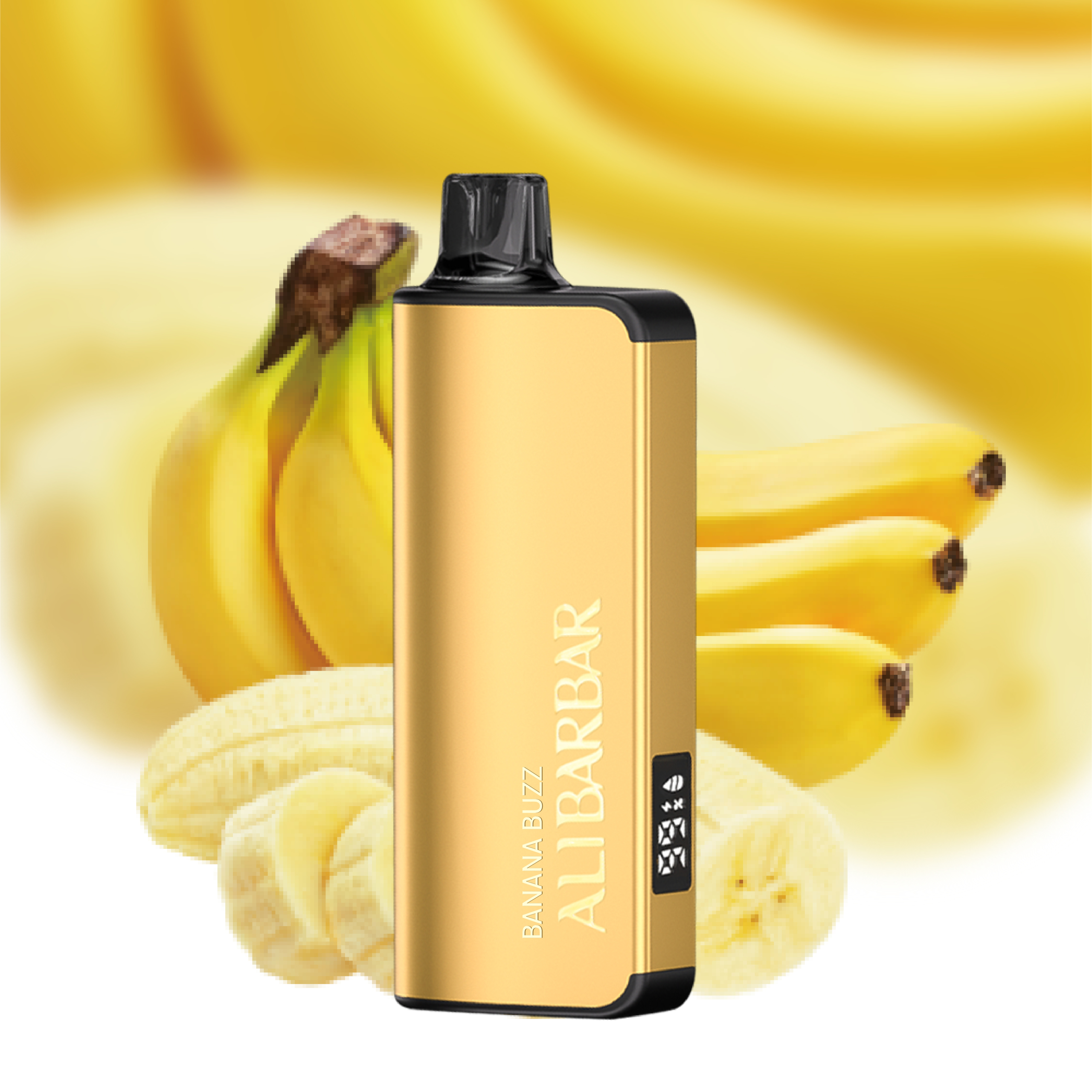
Parental Vigilance: Parents should educate themselves on what vapes look like (many resemble USBs or highlighters), recognise the signs of use, and communicate openly with their children.
Support for Cessation: Teenagers who are already addicted to nicotine through vaping need access to non-judgmental, youth-friendly support services to help them quit.
Continued Regulatory Action: Strengthening enforcement against the importation and sale of illegal, non-prescription vapes is essential to dry up the black-market supply.
Conclusion
The issue of vaping in teens is a serious public health challenge for Australia, one that exists in parallel to the legitimate use of vaping products for adult harm reduction. The solution lies not in demonising a technology with potential benefits for smokers, but in a steadfast commitment to protecting young people. This requires robust regulation, relentless enforcement against the black market, comprehensive education, and, crucially, the unwavering ethics of responsible retailers. For adult smokers seeking information, ensuring you source products from a compliant, professional, and ethically-minded retailer is a critical first step. For the community at large, supporting initiatives that keep these products out of the hands of minors is our shared responsibility. The mission of responsible entities within the industry, from educators to retailers like Auvape VAPE Store, must be to ensure the conversation around vaping is grounded in facts, safety, and a clear distinction between adult choice and youth protection.
Frequently Asked Questions (FAQ)
Q1: Is vaping really that common among Australian teenagers?
A: Yes, surveys indicate a significant and worrying increase in the number of teenagers who have tried or currently use e-cigarettes. While most youth do not vape, its prevalence has grown enough to be a major concern for parents, schools, and health authorities.
Q2: My teen says their vape is “nicotine-free.” Should I believe them?
A: Be extremely cautious. Many vapes sold illegally in Australia, particularly disposable ones, have been found to contain high levels of nicotine even when labelled as nicotine-free. The black market is unregulated, so contents are not reliable.
Q3: What are the legal consequences for a teenager caught vaping?
A: Laws vary by state, but generally, it is illegal for anyone under 18 to purchase, possess, or use e-cigarettes or vaping products. Consequences can include fines, confiscation, and mandatory education programs. The greater concern, however, is the health impact.
Q4: How can I talk to my teenager about vaping without pushing them away?
A: Approach the conversation with curiosity, not accusation. Ask what they know about it, what they’ve heard from friends, and share factual information about the risks of nicotine addiction and potential harm to developing lungs and brains. Focus on health and their future, not just punishment.
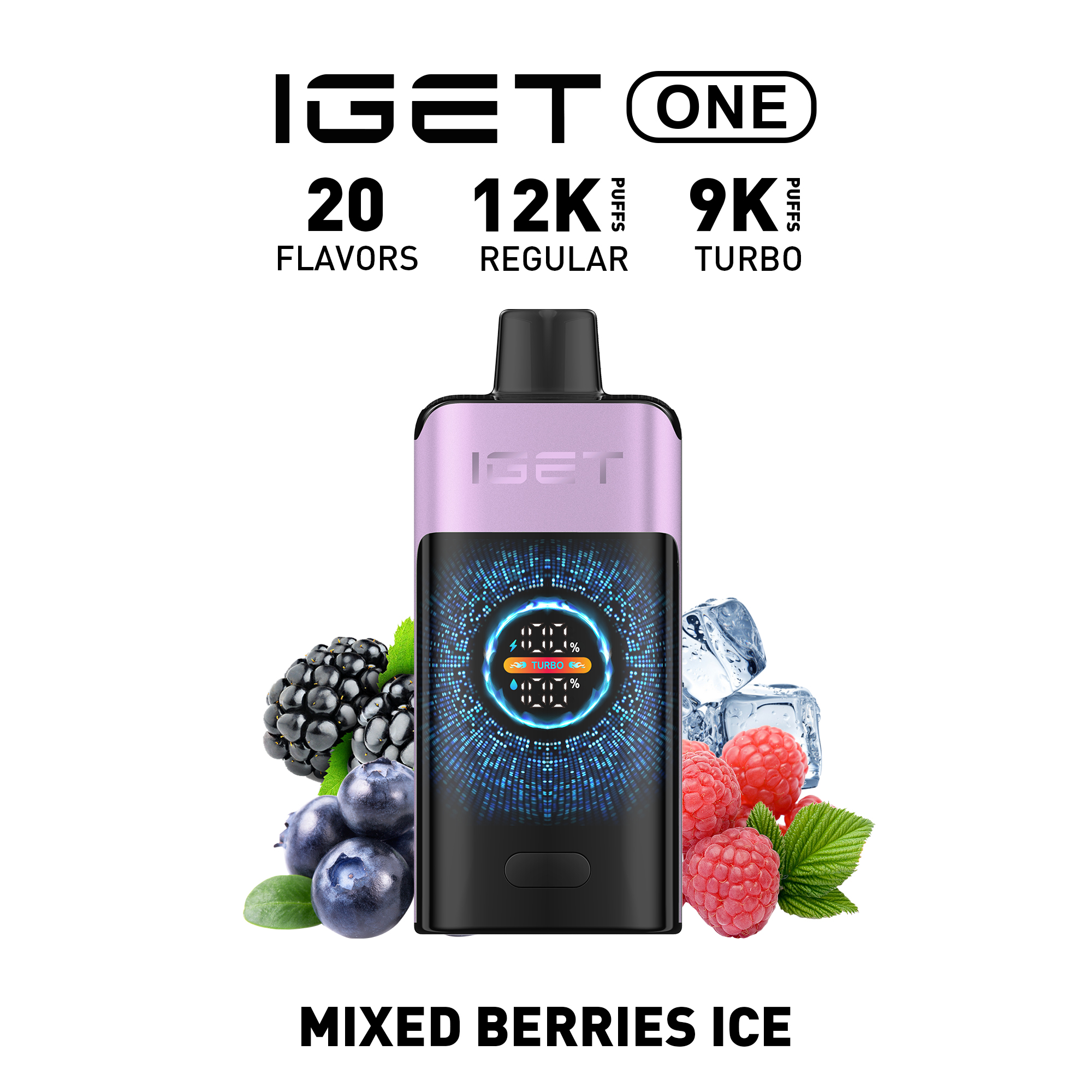
Q5: Why are flavours like mango and bubblegum allowed if they attract kids?
A: Under Australia’s prescription model, flavours are a point of contention. While flavours can help adult smokers switch away from Cigarette, their appeal to youth is undeniable. Current reforms are aiming to restrict flavours in products available outside of pharmacies.
Q6: What should I do if I find a vape in my child’s possession?
A: Stay calm. Use it as an opportunity for a serious discussion. Discard the device safely (as lithium batteries can be hazardous) and consider contacting your family GP for advice or a referral to a youth-friendly quitting service.
Q7: How can I tell if a retailer is selling vapes responsibly?
A: A responsible retailer will have clear, prominent age verification (18+/21+) warnings, will never market to youth, and for nicotine products, will require a valid Australian prescription. They will focus their messaging on adult smokers.
Q8: Are there any good resources for parents to learn more?
A: Absolutely. Reputable sources include the Australian Department of Health and Aged Care website, Quitline, and your local state health authority. For visual guides and discussions, some community-focused channels like AidiHk on YouTube provide insights into product types and regulations, which can help parents understand what they are looking at.