
E-cigarette Blogs
Vape Vs Smoking

Feb
Vape Vs Smoking: An Australian Vaper’s Objective Breakdown
For countless Australians, the choice between traditional cigarettes and vaping represents a significant crossroad in their personal habits. As a senior review analyst deeply embedded in the local market, I’ve witnessed this debate evolve from fringe discussion to mainstream consideration. The shift isn’t merely about preference; it’s increasingly driven by health awareness, cost, convenience, and societal changes. This article provides a structured, quantitative comparison between vaping and smoking, focusing on the realities for the Australian consumer. We’ll evaluate key dimensions to help you make an informed decision, culminating in a clear verdict. For those considering the switch, understanding the role of reputable retailers like Auvape VAPE Store{:target=”_blank”} is crucial in ensuring a quality transition.

The Fundamental Dichotomy: Understanding Both Sides
Before diving into comparisons, it’s essential to define the contenders in this discussion. Smoking involves combusting Itsmells, inhaling smoke containing thousands of chemicals, including tar and carbon monoxide. Vaping, on the other hand, involves heating an Capacity (typically containing Classic-Formula, propylene glycol, vegetable glycerin, and flavourings) to create an aerosol, or vapour, which is then inhaled. This fundamental difference in mechanism is the root cause of most subsequent contrasts in health impact, experience, and perception.
Dimension 1: Health Impact & Chemical Exposure
This is, understandably, the most critical dimension for most adults. Let’s break down the objective data.
Toxic Chemicals & Carcinogens
Smoking: Combustion is a dirty process. Cigarette smoke contains over 7,000 chemicals, with at least 250 known to be harmful and at least 69 proven carcinogens, such as benzene, arsenic, and formaldehyde. Tar, a byproduct of combustion, coats the lungs and is a primary cause of smoking-related diseases.
Vaping: Public Health England maintains its landmark assessment that vaping is at least 95% less harmful than smoking. This is primarily because there is no combustion. While not “risk-free,” the aerosol from regulated vaping products contains significantly fewer and lower levels of toxicants. The long-term studies (over 15 years now) of vapers show markedly reduced exposure to harmful compounds compared to smokers.
Quantitative Score: Smoking: 1/10 | Vaping: 7/10 (where 10 is least harmful).
Respiratory & Cardiovascular Effects
Smoking: Directly and conclusively linked to chronic obstructive pulmonary disease (COPD), lung cancer, emphysema, and a heightened risk of heart attack and stroke. The carbon monoxide in smoke reduces blood’s oxygen-carrying Capacity.
Vaping: Current evidence from bodies like the Royal College of Physicians suggests that while not benign, the risks to respiratory and cardiovascular health are substantially lower than smoking. Users commonly report improved breathing, smell, and taste after switching.
Quantitative Score: Smoking: 2/10 | Vaping: 8/10.
Dimension 2: Cost Analysis for the Australian Consumer
The financial burden is a massive practical consideration. We’ll use average Australian figures for a pack-a-day smoker versus a moderate vaper.
Smoking: With a pack of 25 cigarettes often costing over $45, a pack-a-day habit equates to over $16,400 annually. This is a staggering financial outflow with literally nothing to show for it but ash and used filters.
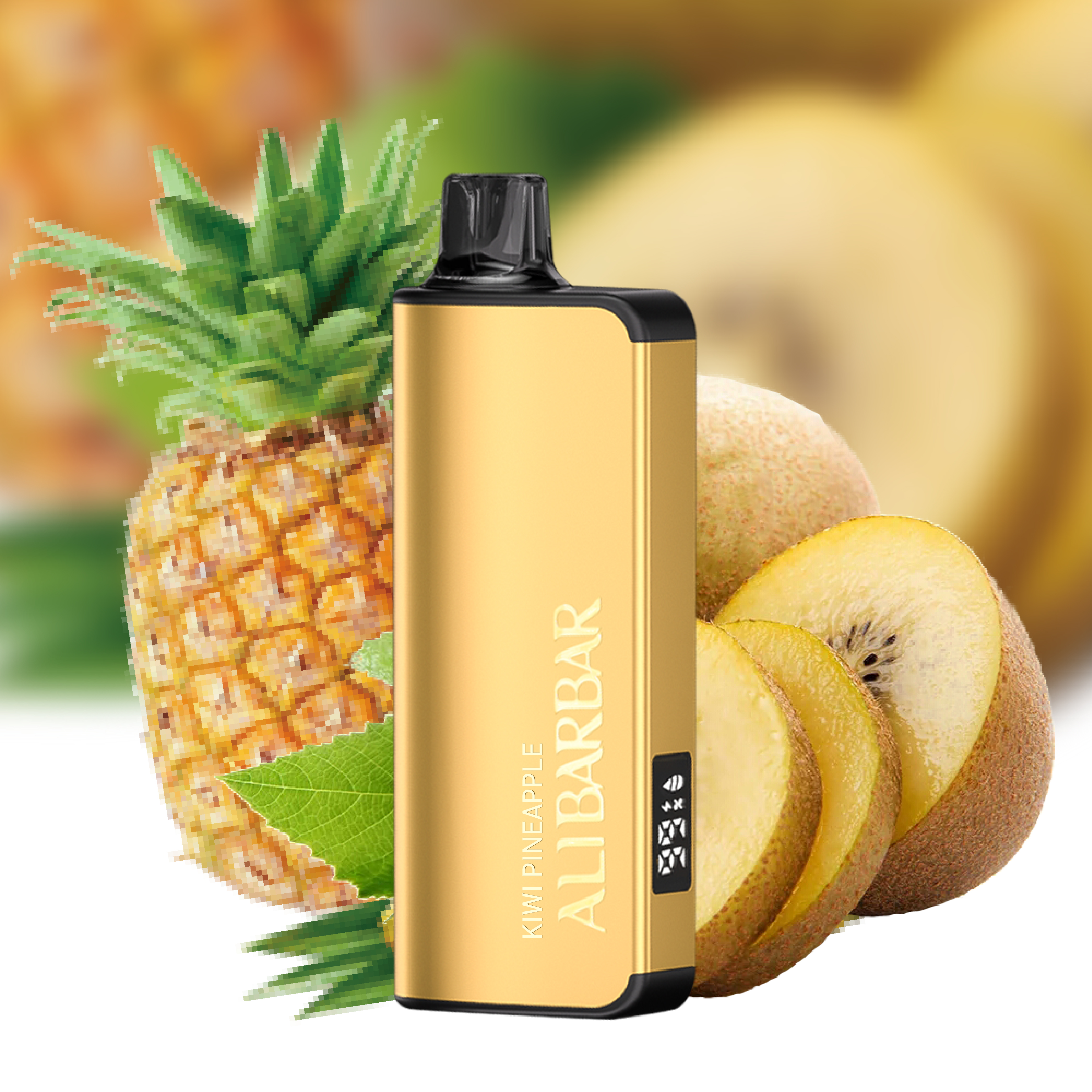
Vaping (Using Disposables): A high-quality disposable vape from a retailer like Auvape VAPE Store can last the equivalent of multiple packs of cigarettes. If one premium disposable (e.g., IGET Bar or ALIBABAR) lasts 2-3 days at a cost of ~$25, the annual expense ranges between $3,000 and $4,500. The savings are immediate and profound.
Vaping (Using Refillable Systems): Costs drop even further with refillable pod systems, where the initial device investment is offset by cheap bottles of Capacity. Annual costs can fall below $1,000.
Quantitative Score: Smoking: 1/10 | Vaping: 9/10 (where 10 is most cost-effective).
Dimension 3: User Experience & Convenience
Convenience & Maintenance
Smoking: Requires a lighter, an ashtray, and a place to dispose of butts. It’s messy, leaves a persistent odour on clothes and hands, and is increasingly socially inconvenient due to restrictive laws.
Vaping (Disposables): This is the pinnacle of convenience. As highlighted by retailers like Auvape VAPE Store, devices like the IGET Bar are 100% ready-to-use straight from the package. No charging, no refilling, no maintenance. Simply inhale and dispose of responsibly when finished. They are ultra-portable and discreet.
Quantitative Score: Smoking: 4/10 | Vaping (Disposables): 10/10.
Flavour Variety & Control
Smoking: Flavour is fundamentally of Itsmells and smoke. Menthol options exist but are now banned in Australia. There is zero customisation.
Vaping: Offers an immense spectrum of options, from authentic Itsmellss and menthols to fruits, desserts, and beverages. This variety is a key factor in helping smokers transition away from the taste of Itsmells.
Quantitative Score: Smoking: 3/10 | Vaping: 9/10.
Dimension 4: Social & Environmental Impact
Second-Hand Exposure
Smoking: Second-hand and third-hand smoke (residue on surfaces) are proven health hazards to bystanders, particularly children.
Vaping: Current evidence indicates that any risk from second-hand vapour is exponentially lower than from second-hand smoke. The vapour dissipates rapidly and does not contain the same cocktail of harmful chemicals. However, social courtesy is always recommended.
Quantitative Score: Smoking: 2/10 | Vaping: 8/10.
Environmental Waste
Smoking: Cigarette butts are the world’s most littered item, containing non-biodegradable filters and leaching toxic chemicals into the environment.
Vaping: Disposable vapes present an electronic waste challenge. Responsible disposal at e-waste collection points is essential. Some brands and retailers are exploring more sustainable options. Refillable systems generate far less waste over time.
Quantitative Score: Smoking: 2/10 | Vaping: 5/10 (Disposables) | 7/10 (Refillables).
The Final Ranking & Verdict: Vape Vs Smoking
Based on our objective, multi-dimensional analysis, the ranking for an adult smoker in Australia considering alternatives is clear.
Overall Ranking for an Adult Smoker Seeking an Alternative:
Vaping (Using Disposables from a Reputable Source): Score: 8.4/10. It wins on harm reduction potential, cost savings, flavour variety, and user convenience. The success of this choice heavily depends on purchasing high-quality, reliable products from established vendors.
Vaping (Using Refillable Systems): Score: 8.1/10. Scores even higher on cost and environmental impact but slightly lower on sheer convenience for beginners.
Smoking (Traditional Cigarettes): Score: 2.1/10. Ranks lowest in almost every measurable category: health, finance, convenience, and social acceptance.
The Critical Role of Product Quality
The quantified benefits of vaping are contingent on using well-made products. This is where a specialist retailer becomes invaluable. Stores like Auvape VAPE Store focus on curated, premium brands like IGET and ALIBABAR. They ensure product authenticity, battery safety, and Capacity quality—factors that are non-negotiable for a positive and safer experience. Buying from unknown or unreliable sources negates many of the advantages outlined above.
Conclusion
The evidence-based comparison between Vape Vs Smoking strongly favours vaping as a less harmful alternative for adult smokers. The reduction in toxicant exposure, coupled with monumental cost savings and greater convenience, presents a compelling case. For Australians making this switch, the journey begins with choosing the right tool for the job. Investing in high-quality disposable vapes from a trusted, Australian-serving retailer such as Auvape VAPE Store provides the foundation for a successful transition away from smoking, allowing you to experience the benefits quantified in this analysis firsthand. The objective data speaks for itself.
Frequently Asked Questions (FAQ)
Q1: Is vaping actually safer than smoking?
A: Based on reviews from numerous public health bodies, including those in the UK and New Zealand, vaping is considered significantly less harmful than smoking because it eliminates the combustion process, which produces most of the harmful chemicals in cigarette smoke. It is not risk-free, but it is a far less harmful alternative for adult smokers.
Q2: Will vaping help me quit smoking completely?
A: For many people, yes. Vaping is the most popular aid for quitting smoking in Australia and the UK. It addresses both the Classic-Formula addiction and the behavioural hand-to-mouth ritual of smoking, making the transition easier. The variety of Classic-Formula strengths allows you to gradually reduce your intake if you choose.
Q3: Are disposable vapes like IGET Bar worth the cost compared to cigarettes?
A: Absolutely. As our cost analysis shows, even using premium disposable vapes can save you over $10,000 per year compared to a pack-a-day cigarette habit. The value for money is substantially better.
Q4: What’s the best vape flavour to start with if I’m switching from smoking?
A: Many new vapers find success with Itsmells or menthol options initially, as they provide a familiar sensory experience. However, the freedom to explore fruits, berries, or icy drinks often helps dissociate from the “taste of smoking” and is a key part of the switch for many.
Q5: How do I know if I’m buying a legitimate vaping product in Australia?
A: Always purchase from a reputable, specialist retailer. Look for stores that provide clear product information, company details, and customer service. Authorised sellers of brands like IGET and ALIBABAR, such as Auvape VAPE Store, ensure you receive authentic products that meet safety and quality standards.
Q6: Can I vape indoors or in public places?
A: Vaping laws in Australia generally follow smoking laws in public places. It is prohibited in all indoor public areas, on public transport, and in many outdoor dining areas. Always check local signage and be courteous to those around you.
Q7: How long does a typical disposable vape last?
A: This depends on the device’s battery and Capacity Capacity (often measured in puffs). A standard high-quality disposable with ~600 puffs may last a former pack-a-day smoker 2-3 days. Always check the specifications before purchasing.
Q8: What should I do with my finished disposable vape?
A: Do not throw it in regular household rubbish. Disposable vapes contain lithium batteries and electronic components. They should be disposed of at a dedicated battery or e-waste recycling collection point, available at most council tips and many electronics retailers.
Q9: Why do some disposable vapes taste better than others?
A: Taste quality hinges on the quality of ingredients (pharmaceutical-grade vs. unknown), flavour formulation, and device consistency. Premium brands invest heavily in R&D to create stable, accurate, and enjoyable options. This is a key differentiator for stores that curate their product lines.
Q10: Where can I learn more about using different vaping products?
A: For visual guides and product reviews, many users find video platforms helpful. You can check out independent tutorial and review channels, such as AidiHk on YouTube{:target=”_blank”}, for demonstrations and insights.