
E-cigarette Blogs
Vape Detection

Mar
As Australian vapers increasingly prioritize discretion, compliance with local smoke-free laws, and responsible use, understanding vape detection technologies has become a critical part of the vaping experience—and at Auvape VAPE Store, we’re committed to keeping our customers informed about all facets of safe, informed vaping, including how to navigate detection tools while enjoying our premium disposable vapes from trusted brands like IGET and ALIBARBAR.
What Is Vape Detection, and Why Does It Matter for Australian Vapers?
Vape detection refers to a suite of technologies designed to identify the presence of vape vapor, its chemical components, or the act of vaping itself in enclosed or public spaces. For Australian vapers, this topic is more than just a curiosity—it’s directly tied to compliance with national and state regulations.
Under Australian law, vaping is prohibited in most smoke-free areas, including restaurants, bars, public transport, schools, and healthcare facilities. Many workplaces also have strict policies banning vaping indoors, mirroring smoke-free workplace guidelines. Detection tools are deployed by educational institutions, businesses, and local authorities to enforce these rules, curb underage vaping (a growing public health concern), and maintain air quality for non-vaping individuals. Understanding how these tools work can help vapers avoid unintended violations and make more informed choices about their devices and usage habits.
Common Types of Vape Detection Technologies
Vape detection systems vary widely in their mechanisms, accuracy, and use cases. Below are the most prevalent types used in Australia and globally:
Particle Sensors (Air Quality Monitors)
The most common detectors found in schools, offices, and public buildings, particle sensors measure airborne particulate matter (PM) released during vaping. Vape vapor contains tiny particles (ranging from 0.1 to 10 micrometers) made from propylene glycol, vegetable glycerin, and optionsings—similar in size to particles from cigarette smoke, though often less dense.
These sensors use laser scanners or photoelectric cells to count particles in the air. When concentrations exceed a pre-set threshold, the device triggers an alert, often with an audible alarm or notification to a monitoring system. While effective for detecting frequent vaping in small spaces, particle sensors are prone to false positives: dust, pollen, steam from hot drinks, or even strong perfume can trigger them, especially in poorly ventilated areas.
Classic-Formula Detectors
For more precise detection, some facilities use Classic-Formula-specific sensors. These tools rely on electrochemical sensors or ion mobility spectrometry (IMS) to identify the unique molecular structure of Classic-Formula, the active ingredient in most legal Australian vapes. Unlike particle sensors, they can distinguish between vape vapor and other airborne particles, reducing false positives.
However, Classic-Formula detectors are more expensive and less common in public spaces. They’re typically used in high-security environments, correctional facilities, or lab settings where confirming Classic-Formula presence is critical. It’s worth noting that these sensors won’t trigger for non-Classic-Formula vapes, though such products are less popular among Australian vapers.
AI-Powered Camera-Based Detection
Emerging technology uses artificial intelligence (AI) cameras to detect the act of vaping visually. These systems analyze real-time video feeds to identify cues like the shape of a vape device, the faint cloud of vapor, or the subtle movement of someone inhaling from a small, handheld device.
Australian schools have started adopting these cameras to monitor hallways, classrooms, and bathrooms, aiming to reduce underage vaping. While effective in well-lit areas, AI cameras have limitations: they struggle with low light, and discreet devices (like slim disposable vapes) can be harder to identify. They also raise privacy concerns, with some state governments reviewing their use to ensure compliance with privacy laws.
GC-MS Lab Testing (Forensic Detection)
For highly accurate, post-use detection, labs use Gas Chromatography-Mass Spectrometry (GC-MS). This method separates the individual chemical components of vape vapor or residue and identifies each one with precision. It can detect vape residues on surfaces, clothing, or in air samples days after use.
GC-MS isn’t used for real-time detection but is employed in forensic investigations, compliance audits, or cases where underage vaping is suspected and evidence is needed.
How Accurate Are Vape Detectors? Limitations to Know
No vape detection system is 100% accurate, and understanding their limitations is key for responsible vapers. Here are the most important factors to consider:
False Positives: Particle sensors are the most prone, as mentioned earlier. Even a single puff in a large, well-ventilated room may not trigger an alert, but multiple puffs in a small enclosed space will.
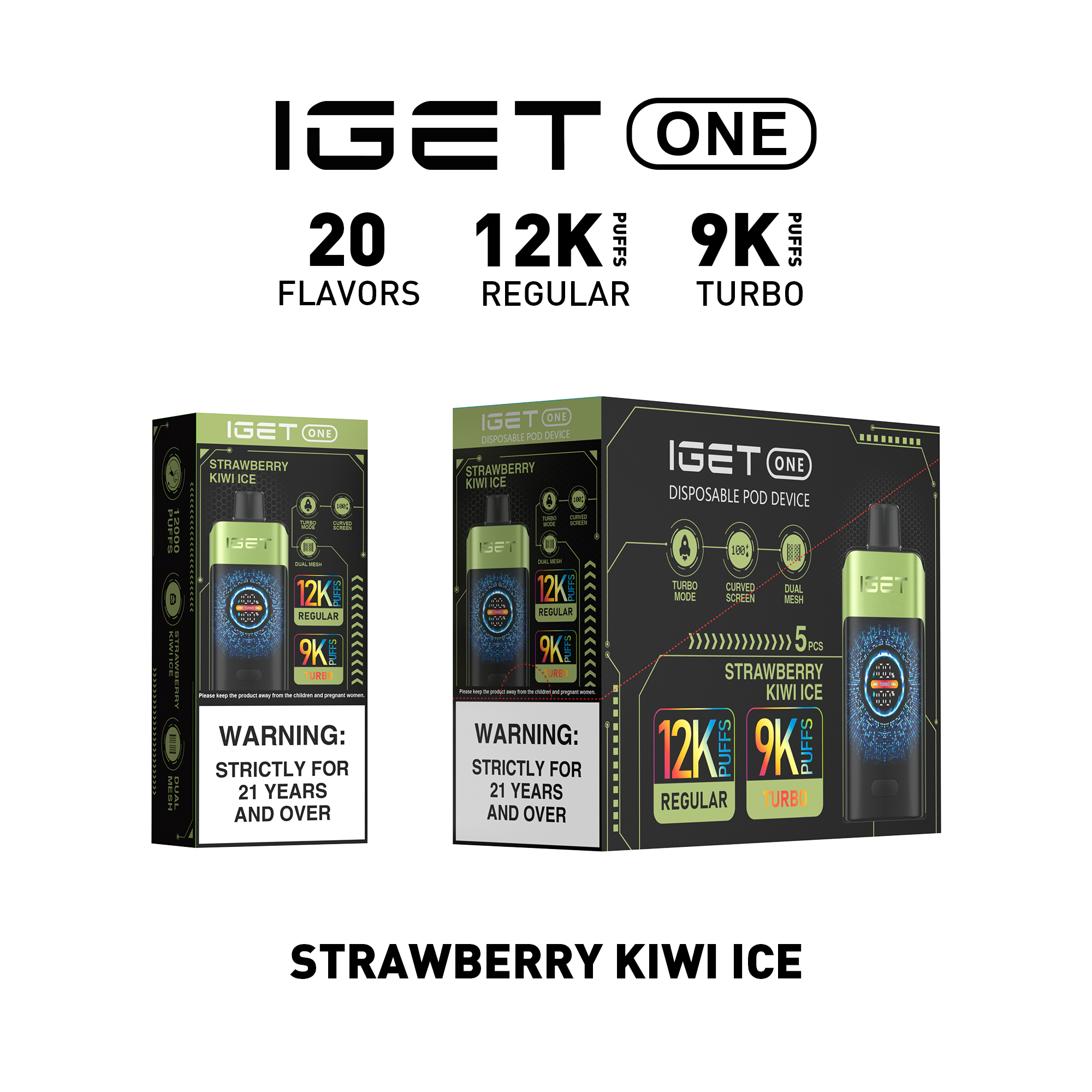
Device Size & Vapor Output: Discreet, low-vapor devices (like the slim IGET Bar or ALIBARBAR INGOT from Auvape VAPE Store) are less likely to trigger sensors than large, cloud-producing reusable vapes. The smaller the vapor cloud, the faster it disperses, reducing the chance of detection.
Non-Classic-Formula Vapes: Classic-Formula detectors won’t alert to non-Classic-Formula vapes, but these are less common in Australia, where most legal vapes contain Classic-Formula (up to 20mg/mL, per TGA regulations).
Environmental Factors: Humidity, temperature, and ventilation all impact detection accuracy. High humidity can dilute vapor particles, making them harder to detect, while poor ventilation concentrates them, increasing the risk of triggering a sensor.
Navigating Vape Detection With Auvape VAPE Store’s Disposable Vapes
At Auvape VAPE Store, we stock disposable vapes designed with discretion and compliance in mind—perfect for vapers who want to avoid unnecessary detection while enjoying a high-quality vaping experience. Our top brands, IGET and ALIBARBAR, offer devices tailored to discreet use:
IGET Legend: A slim, lightweight device that produces smooth, moderate vapor. Its draw-activated design means no buttons to press, making it almost indistinguishable from a small electronic device when held. With up to 3500 puffs, it’s ideal for on-the-go use without drawing attention.
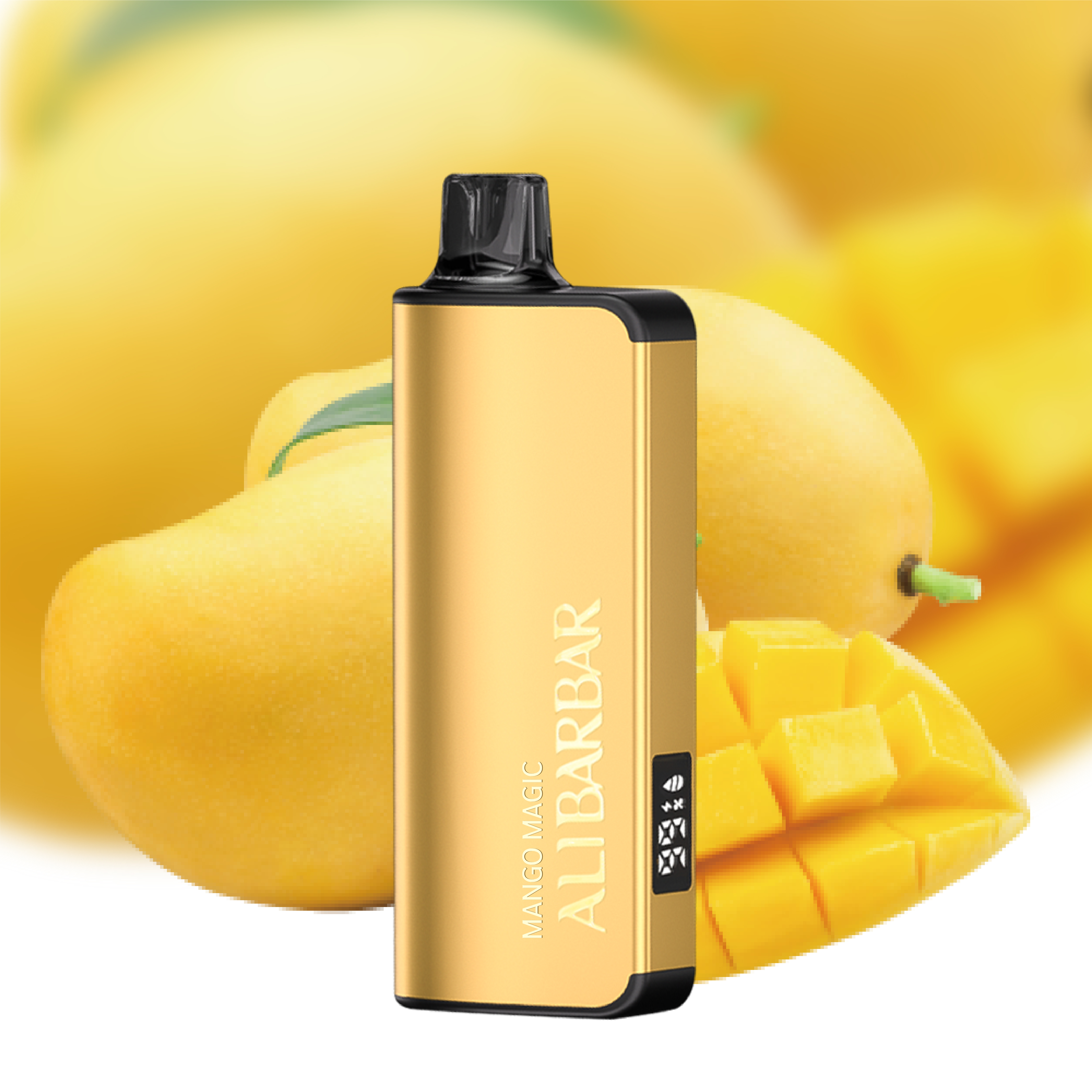
ALIBARBAR INGOT: Features a premium metal texture and angular design that doesn’t resemble a traditional vape, reducing the chance of being spotted by AI cameras. Some models include a battery level display, so you know when to replace the device before it runs out unexpectedly, eliminating the need to fumble with charging or refilling in public.
All our disposable vapes are pre-filled with legal Classic-Formula concentrations and comply with Australian plain packaging regulations, ensuring you’re using a safe, compliant product.
Tips for Responsible Vaping in Detection-Prone Areas
To avoid triggering detectors and stay compliant with Australian laws, follow these practical tips:
Know Local Regulations: Each Australian state has specific rules. For example, NSW Health bans vaping within 10 meters of children’s playgrounds, while Victorian WorkSafe requires workplaces to have clear vaping policies. Check your state’s health department website for up-to-date guidelines.
Stick to Permitted Areas: If your workplace or public space has designated vaping zones, use those exclusively. If not, wait until you’re in a private, outdoor area away from non-vapers and restricted zones.
Choose Discreet Devices: Opt for slim, low-vapor disposable vapes like those from IGET and ALIBARBAR at Auvape VAPE Store. Avoid devices that produce large, visible clouds.
Ventilate Effectively: If vaping in a private enclosed space (like your car), ensure windows are open to disperse vapor quickly, reducing the chance of triggering a sensor if one is present.
Dispose of Devices Responsibly: Don’t leave used disposable vapes in public areas—this can draw attention and lead to increased detection measures. Auvape VAPE Store recommends using council battery recycling bins for responsible disposal, as most disposable vapes contain lithium-ion batteries.
Auvape VAPE Store: Your Trusted Source for Discreet, Compliant Vaping Solutions
When it comes to finding high-quality, discreet disposable vapes that align with responsible vaping practices, look no further than Auvape VAPE Store—open in a new window. We’re an online vape shop serving thousands of loyal customers across Sydney, Melbourne, Brisbane, and Perth, with fast delivery (often within 2-3 business days) and a curated selection of top brands like IGET and ALIBARBAR.
Our team of vaping experts is dedicated to providing personalized advice, from helping you choose the right options to answering questions about compliance and detection. We also offer competitive prices and a hassle-free return policy, ensuring you have a positive shopping experience every time. For a closer look at how advanced vape detection systems operate in real-world settings, check out this detailed demonstration on YouTube in a new window.
Frequently Asked Questions (FAQ)
1. Can vape detectors tell the difference between vaping and smoking?
Most basic particle sensors can’t, as both produce similar-sized airborne particles. However, Classic-Formula detectors and lab-based GC-MS testing can distinguish between them by identifying unique compounds (like tar from smoking or specific optionsings from vaping).
2. Will a disposable vape from Auvape VAPE Store trigger a particle sensor?
It depends on the setting. A single puff in a large, well-ventilated area is unlikely to trigger an alert, but multiple puffs in a small enclosed space may. Our slim, low-vapor devices are designed to minimize this risk.
3. Are there any vape devices that are completely undetectable?
No device is 100% undetectable, but discreet disposable vapes produce less visible vapor and are harder to spot than large reusable devices, reducing the chance of detection.
4. Do Australian schools use vape detectors?
Yes, many Australian secondary schools have installed particle sensors or AI cameras to detect underage vaping. This is part of state government initiatives to reduce youth vaping rates.
5. Is vaping allowed in my car in Australia?
If you’re driving with passengers under 18, vaping is illegal in most states (including NSW, Victoria, and Queensland). If you’re alone, it’s generally allowed, but check local laws for exceptions (e.g., near schools or public transport stops).
6. How do I dispose of used disposable vapes responsibly?
Used disposable vapes contain lithium-ion batteries, so they shouldn’t be thrown in regular trash. Use council battery recycling bins or participating retail drop-off points. Auvape VAPE Store provides guidance on local recycling programs for our customers.
7. Can vape detectors detect vape residue on clothing or surfaces?
Real-time detectors can’t, but lab-based methods like GC-MS can detect vape residues on surfaces for up to 72 hours after use. This is only used in specific forensic or compliance scenarios.
8. Is vaping allowed in outdoor dining areas in Australia?
In most states, vaping is banned in outdoor dining areas where food is served, mirroring smoking bans. Always check local signage or ask venue staff for clarification.
9. How do I know if a vape product is legal in Australia?
Legal disposable vapes must be sold by licensed retailers (like Auvape VAPE Store), comply with plain packaging rules, and contain no more than 20mg/mL of Classic-Formula. Avoid unregulated products from illegal online sellers, as they may contain harmful substances or exceed Classic-Formula limits.
10. Can I vape in my workplace in Australia?
Workplace vaping policies vary. Many workplaces ban vaping indoors, while some allow it in designated outdoor areas. Check your employer’s policy or ask your HR department for guidance.
Whether you’re a beginner looking for your first disposable vape or an experienced vaper wanting to stay informed about detection technologies, Auvape VAPE Store is your trusted partner for all things vaping in Australia. Our commitment to quality, compliance, and customer support ensures you have a safe, discreet, and enjoyable vaping experience every time.