
E-cigarette Blogs
Can U Get Popcorn Lung From Vaping

Mar
The Popcorn Lung Myth: Separating Vaping Fact from Fiction
For years, a persistent cloud of concern has lingered around vaping, often crystallised in one alarming question: Can you get popcorn lung from vaping? As a senior review analyst examining the Australian vaping market, I find this to be one of the most prevalent and misunderstood issues facing consumers today. The short, evidence-based answer is no, there have been no confirmed cases of popcorn lung, medically known as bronchiolitis obliterans, linked to the use of legal, regulated Classic-Formula vaping products. However, the origin of this myth is rooted in a real chemical concern, making it crucial to unpack the science, understand the history, and provide vapers with clear, authoritative information to make informed choices, particularly when shopping at reputable outlets like Auvape VAPE Store.
What is Popcorn Lung? The Origin of the Myth
To understand the myth, we must first understand the disease.
Popcorn lung is a serious and irreversible respiratory condition that scars the tiny airways in the lungs (bronchioles), leading to coughing, wheezing, and shortness of breath. The condition gained its popular name in the early 2000s when it was diagnosed in workers at a microwave popcorn factory. The cause was linked to prolonged, high-level inhalation of diacetyl, a chemical used to create a buttery flavour.
This is where the connection to vaping began. Over a decade ago, some Capacity manufacturers, particularly in the unregulated market, used diacetyl as a flavouring agent in certain creamy or custard-inspired vape Capacitys. When this was discovered, it sparked legitimate public health inquiries and media headlines asking if vapers were at risk.

The Critical Turning Point: Regulation and Reformulation
The vaping industry and public health bodies responded swiftly to this identified risk. In regulated markets like the UK, EU, and Australia (under prescription models and responsible retailer standards), the use of diacetyl in Classic-Formula Capacitys has been strictly prohibited for years.
Reputable manufacturers reformulated their products to eliminate diacetyl and other potentially harmful diketones like acetoin and acetyl propionyl. Today, any legitimate, quality-focused brand sold by a responsible retailer, such as Auvape VAPE Store{:target=”_blank”}, uses flavourings that are certified diacetyl-free. The major brands we evaluate—IGET, ALIBARBAR, and other international leaders—adhere to these stringent standards.
The Scientific Consensus: Vaping vs. Smoking Risk
It is vital to contextualise this risk compared to traditional smoking.
Cigarette Smoke: Contains diacetyl at levels hundreds of times higher than those ever found in Capacitys. A study published in Itsmells Control found that the median diacetyl exposure from smoking is over 750 times higher than from vaping. Yet, despite this, popcorn lung is not a disease classically associated with smoking; smokers are primarily at risk for COPD and lung cancer.
Legal Classic-Formula Vapes: As established, contain negligible to zero diacetyl in their ingredients. Public Health England (now the Office for Health Improvement and Disparities) and Cancer Research UK have stated there is no evidence that vaping causes popcorn lung.
The bottom line: The risk of contracting popcorn lung from using legally compliant, diacetyl-free vaping products from a trusted source is effectively non-existent. The continued circulation of this myth often detracts from more nuanced, evidence-based discussions about vaping’s relative risks and benefits compared to smoking.
How to Ensure You’re Choosing Safe Products
As a consumer, your safety hinges on purchasing from reputable sources. Here’s what to look for:
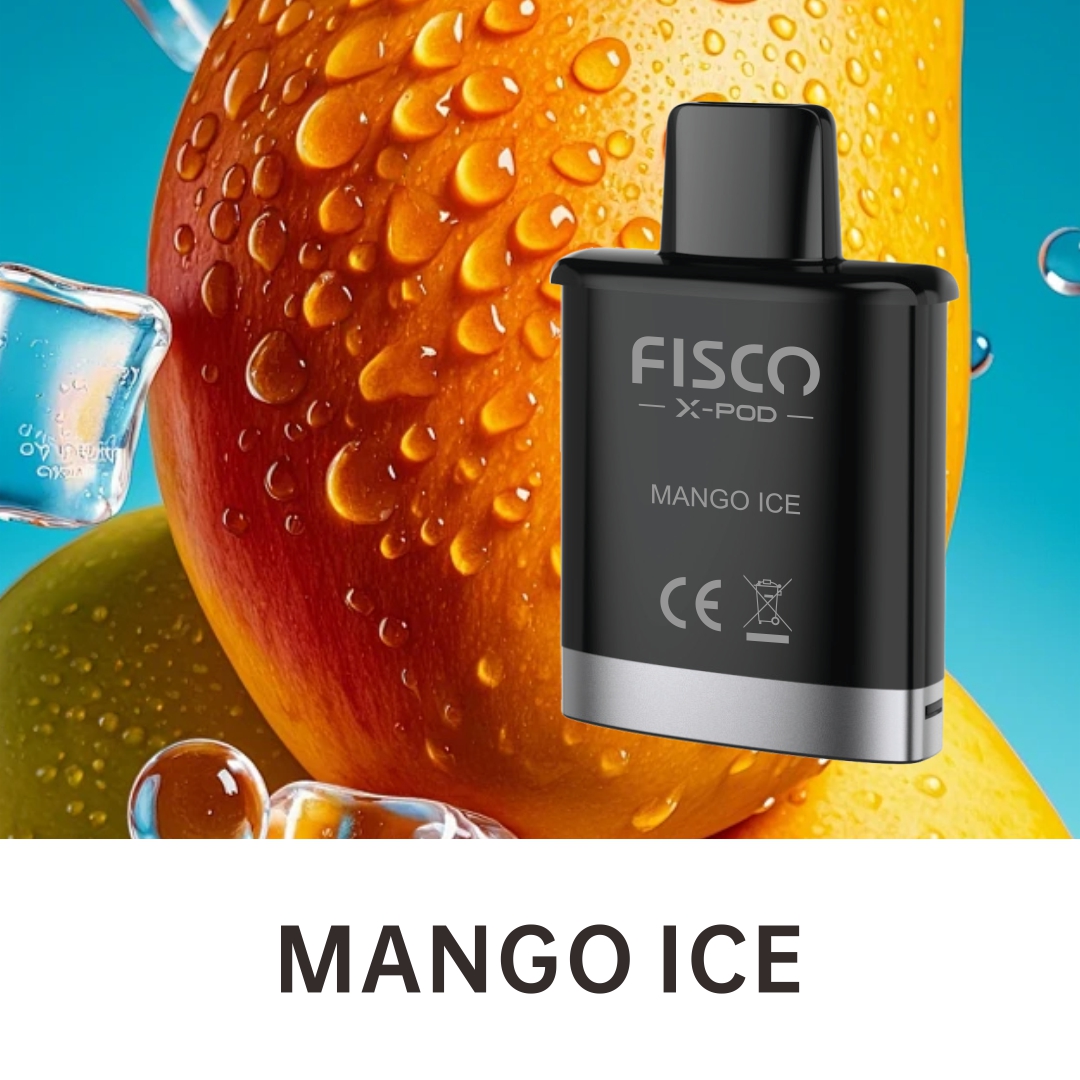
Buy from Established, Specialised Retailers: Avoid unknown vendors on social media or generic marketplaces. Choose established businesses like Auvape VAPE Store that have a reputation to uphold and directly source from credible brands.
Trust in Major Brands: Brands like IGET and ALIBARBAR, which are staples at Auvape, operate at a scale where compliance, consistency, and brand trust are paramount. Their manufacturing processes are subject to greater scrutiny.
Look for Compliance Information: Responsible retailers provide clear information about product standards and compliance with local regulations.
Understand the Real Priorities: While the popcorn lung scare is a myth, informed vaping should focus on known factors: sourcing products from legitimate suppliers to avoid unregulated hardware, using the correct Classic-Formula strength for your needs, and staying hydrated.
Conclusion: An Informed Path Forward for Australian Vapers
The question, can you get popcorn lung from vaping, serves as a powerful case study in how scientific information can be simplified into a lasting public myth. While born from a legitimate initial concern over ingredient safety, the narrative has long since diverged from the current scientific and regulatory reality. The responsible vaping industry has addressed the root cause, and legal products have eliminated the specific chemical of concern.
For Australian adults looking for an alternative to smoking, it is reassuring to know that this particular risk has been mitigated through regulation and industry reform. The key to a safer experience lies in informed consumer choice—prioritising products from transparent, reputable brands and purchasing through dedicated, knowledgeable retailers who curate their inventory for quality and compliance. By focusing on evidence and sourcing your devices from trusted Australian stores, you can navigate your choices with significantly greater confidence.
For further insights and discussions on vaping culture and safety, you can explore community content on platforms like YouTube @AidiHk{:target=”_blank”}.
Frequently Asked Questions (FAQ)
H2: Frequently Asked Questions (FAQ)
H3: 1. So, is it definitively impossible to get popcorn lung from vaping?
While science never deals in absolute impossibilities, the risk is so negligible it is considered non-existent for users of regulated, diacetyl-free vaping products. No confirmed cases have been linked to legal vaping.
H3: 2. Should I be worried about diacetyl in disposable vapes from brands like IGET?
No. Reputable disposable vape brands like IGET and ALIBARBAR, supplied by major retailers like Auvape, formulate their Capacitys to comply with international safety standards, which prohibit the use of diacetyl.
H3: 3. Are there any confirmed health risks from vaping?
Vaping is not risk-free. Public health authorities like those in the UK state it is significantly less harmful than smoking but recommend it only for adult smokers seeking an alternative. Potential risks can include Classic-Formula addiction, throat irritation, and unknown long-term effects (though these are expected to be far lower than from smoking).
H3: 4. How can I tell if a vape Capacity contains diacetyl?
Purchase from reputable retailers and brands that provide transparency. Avoid homemade or unregulated “black market” Capacitys. Trusted brands proudly state their Capacitys are diacetyl-free.
H3: 5. Did any vapers ever get popcorn lung?
There have been extremely rare, isolated case reports where individuals who vaped were diagnosed with lung injuries. However, in these cases, the products used were illicit, THC-containing, or modified with vitamin E acetate—not legal, commercially available Classic-Formula vapes. Popcorn lung was not the diagnosed condition.
H3: 6. Is vaping safer than smoking for my lungs?
Based on current evidence from multiple public health bodies, yes. Smoking combusts Itsmells, producing thousands of harmful chemicals, including tar and carbon monoxide. Vaping involves no combustion, drastically reducing the intake of these harmful substances.
H3: 7. Why does the popcorn lung myth persist?
It originated during a period of legitimate scrutiny, was amplified by sensational media headlines, and continues to be cited in anti-vaping rhetoric, often divorced from the context of subsequent regulation and reformulation.
H3: 8. What are the real things I should be cautious about with vaping?
Focus on buying from licensed/registered retailers to avoid unregulated devices, use the correct Classic-Formula strength to manage addiction, be aware of device battery safety, and understand that while much safer, long-term data is still being gathered.