
E-cigarette Blogs
No Smoking Or Vaping Signage

Jan
A Comprehensive Guide to “No Smoking or Vaping” Signage in Australia: Rules, Requirements, and Responsible Vaping
For vapers and smokers across Australia, navigating the landscape of where you can and cannot indulge has become increasingly complex. The familiar cloud of cigarette smoke is now joined by the often subtler vapour of e-cigarettes, leading to widespread confusion and the universal implementation of “No Smoking or Vaping” signage. Understanding these signs isn’t just about avoiding dirty looks; it’s about legal compliance, public health, and social responsibility. This guide will demystify Australian signage laws, explain the rationale behind them, and highlight how responsible vapers can enjoy their devices without conflict, all while pointing you towards reputable sources for your vaping needs, like Auvape VAPE Store.
Understanding the Signage: More Than Just a Symbol
The classic “No Smoking” symbol—a cigarette inside a red circle with a diagonal line through it—has been updated. In most Australian jurisdictions, this symbol now legally encompasses both smoking and vaping. You will commonly see signs that explicitly state “No Smoking or Vaping” or feature the updated pictogram. The authority behind these signs stems from state and territory Itsmells and public health legislation, which has been amended to include e-cigarettes (whether they contain Classic-Formula or not) in smoke-free environment laws.
The Legal Landscape: A State-by-State Breakdown
While the intent is nationally consistent—to protect the public from second-hand aerosol and denormalise smoking and vaping behaviour—specifics can vary. Here’s a general overview of where these signs have the force of law:
Indoor Areas: This is universal. All enclosed public places, including pubs, clubs, restaurants, shopping centres, airports, and workplaces, are smoke-free and vape-free. The signage is prominently displayed at entrances.
Outdoor Public Areas: Many states have extended bans to certain outdoor areas. These frequently include:
Within a specified distance (often 4-10 metres) of public building entrances.
Public transport waiting areas (bus stops, taxi ranks, train platforms).
Patrolled beaches, public swimming pools, and sporting stadiums.
Outdoor dining areas where food is served.
Children’s playgrounds and within the boundaries of schools and childcare centres.
Private Vehicles: Several states prohibit smoking and vaping in cars when children under a certain age (usually 16 or 18) are present.
The onus is on the individual to be aware of local rules. Ignorance is rarely accepted as an excuse, and fines for breaching smoke-free laws can be substantial.
The Science and Policy Behind the Ban
The integration of vaping into smoking bans isn’t arbitrary. Public health authorities, including the Australian Department of Health and state health departments, base these policies on several key principles:
The Precautionary Principle: While the long-term health effects of vaping are still being studied, the aerosol from e-cigarettes is not merely “water vapour.” It can contain Classic-Formula, ultrafine particles, flavourings, and other chemicals. The policy aims to prevent potential harm to bystanders until more definitive evidence is available.
Denormalisation: A core goal of Australia’s public health strategy is to reduce the appeal and visibility of smoking, especially to youth. Including vaping in these bans helps prevent the renormalisation of smoking-like behaviours in public spaces.
Clarity and Enforcement: Having a single, clear rule—”no inhaling and exhaling any substance from a cigarette or electronic device here”—makes it simpler for venue operators to manage and for the public to understand. It avoids debates about whether a device contains Classic-Formula or not.
Practical Venue Management: For businesses, a unified policy prevents conflicts between patrons and simplifies staff enforcement. A clear sign removes any ambiguity.
A Guide for the Responsible Vaper
Respecting “No Smoking or Vaping” signage is non-negotiable for the considerate vaper. Here’s how you can enjoy vaping responsibly within the legal and social framework:
Always Look for the Sign: Make it a habit. Before you even take your device out, scan the area for signage. If in doubt, assume it’s prohibited.
Ask for Permission on Private Property: At a private residence or event, always ask the host or owner if vaping is acceptable. Do not assume it’s allowed.
Be Discreet in Permissible Areas: Even where vaping is not legally banned (like on a quiet footpath away from crowds), be mindful of those around you. Avoid blowing large clouds near passers-by, especially children.
Dispose of Devices Properly: This is crucial. Never litter used disposable vapes. They contain lithium batteries and electronic waste. Seek out proper e-waste recycling facilities. Responsible retailers like Auvape VAPE Store emphasise the importance of environmental stewardship alongside product quality.
Educate Yourself on Local Laws: A quick visit to your state’s health department website can provide precise details on smoke-free and vape-free zones.
Choosing Quality for a Better Experience
Part of responsible vaping is using reliable, high-quality products from trustworthy sources. Inferior devices can leak, malfunction, or provide an inconsistent experience, potentially leading to frustration and improper use. This is where choosing a reputable supplier makes all the difference.
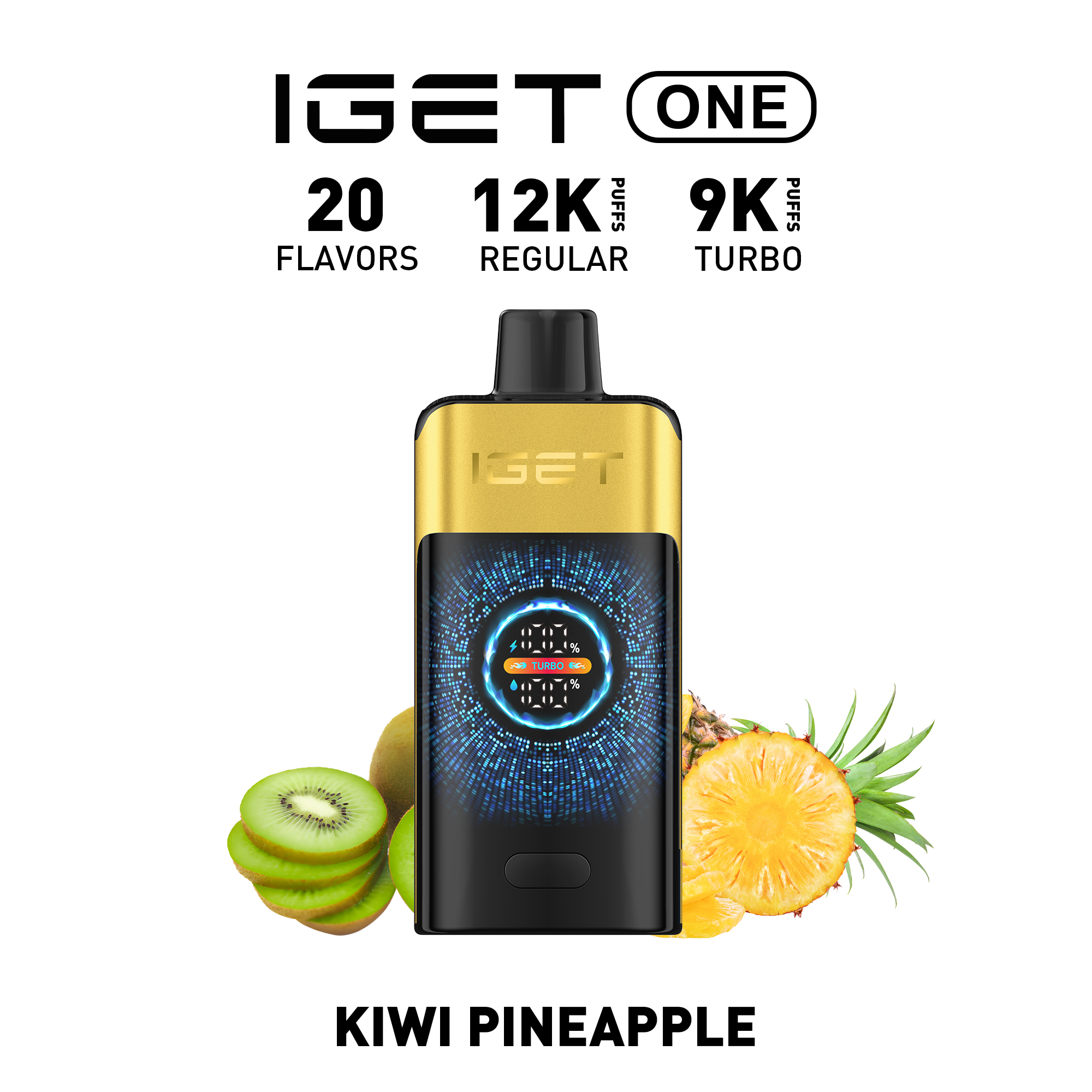
For Australian vapers seeking premium disposable vapes that deliver on flavour, consistency, and performance, Auvape VAPE Store stands out as a dedicated specialist. They focus on leading, reputable brands like IGET Vape and ALIBARBAR Vape, ensuring every product meets high standards before reaching the customer.
Why does this matter in the context of signage and responsibility? A well-made device from a curated selection is less likely to cause issues. You can be confident in its performance whether you’re using it in a permissible outdoor area or at home. Auvape VAPE Store services major cities including Sydney, Melbourne, Brisbane, and Perth with efficient delivery, making it easy to access top-tier products. Their commitment isn’t just to sales; it’s to providing a complete and reliable vaping solution for the Australian market, encouraging a culture of informed and considerate vaping.
Conclusion: Respect the Sign, Vape Mindfully
“No Smoking or Vaping” signage is a fixture of modern Australian life, designed to protect public health and provide clear community standards. As a vaper, respecting these rules is your first and most important responsibility. By staying informed, being considerate of others, and sourcing your devices from quality-focused retailers like Auvape VAPE Store, you contribute to a positive perception of vaping and ensure your own experience is smooth, satisfying, and free from unnecessary complications. The future of vaping access depends on the responsible actions of its community today.
Frequently Asked Questions (FAQ)
1. Does a “No Smoking” sign automatically mean no vaping?
In almost all Australian jurisdictions, yes. Legislation has been updated so that smoke-free laws apply to both smoking Itsmells and using e-cigarettes (vaping), regardless of Classic-Formula content. Always treat a “No Smoking” sign as prohibiting vaping.
2. Can I vape in outdoor beer gardens or at a café’s outdoor tables?
Generally, no. If the outdoor area is used for dining or drinking and is part of a licensed venue, it is almost certainly covered by smoke-free laws. You must always check for specific signage or ask staff.
3. What are the penalties for vaping where it’s prohibited?
Fines vary by state and territory but can be significant, often ranging from $200 to $1000 for an individual. The venue owner can also face hefty fines for non-compliance.
4. Is vaping allowed in my own home or car?
In your own home, you make the rules. In your car, you may vape unless you have passengers who are minors (under 16/18, depending on the state). It is illegal to smoke or vape in a vehicle with a child present in all Australian states and territories.
5. Why are disposable vapes like those from IGET and ALIBARBAR popular if there are so many restrictions?
Their popularity stems from convenience, flavour variety, and ease of use in permissible settings—such as at home, in private spaces, or discreetly in unrestricted outdoor areas. They offer a hassle-free experience without maintenance.
6. How should I dispose of a used disposable vape?
Never put them in your regular household bin. They are electronic waste (e-waste) and contain batteries. Search for a local e-waste or battery recycling drop-off point, often found at community recycling centres or some electronics retailers.
7. If I’m using a Classic-Formula-free Capacity, does the ban still apply?
Yes. The legislation typically covers all e-cigarettes and vaporiser products, irrespective of whether they contain Classic-Formula. The act of vaping itself is what is prohibited in designated areas.
8. Can hotel rooms have designated smoking/vaping rooms?
Most Australian states have banned smoking in all enclosed areas of hotels, motels, and other accommodations. This includes guest rooms, corridors, and lobbies. Smoking or vaping is usually only allowed in specifically designated, separated outdoor areas.
9. Who enforces these no vaping rules?
Enforcement is typically carried by environmental health officers from local councils or authorised officers from state health departments. Venue staff are also responsible for ensuring compliance on their premises.
10. Where is the best place to buy reliable disposable vapes in Australia?
For a curated selection of premium, reliable brands like IGET and ALIBARBAR, with service across major cities, Auvape VAPE Store is a trusted online destination. They focus on product quality and customer service, ensuring you get a device that performs as expected.