
VAPE Knowledge
Is Zeroing A Vape Bad

Sep
As a seasoned reviewer in the Australian vaping landscape, a question I encounter with surprising frequency is: “Is zeroing a vape bad?” This term, born from the community’s vernacular, refers to the practice of using a disposable vape until it is completely, utterly drained, no vapour, no flavour, no indication of life. It’s the final, often frustrating, draw in pursuit of getting every last cent of value from the device. At its core, this query speaks to a desire for efficiency, but it brushes against critical boundaries of safety, experience, and device integrity. Today, we’ll dissect this practice from every angle, providing a conclusive guide for the informed Australian vaper.
At Auvape VAPE Store, where we specialise in premium disposables from leaders like IGET and ALIBARBAR, we see our role as not just suppliers but educators. Understanding the limits of your device is key to a safe and satisfying experience.
What Does “Zeroing” Actually Mean?
“Zeroing” isn’t an official technical term; it’s user-generated slang. It describes the process of continuing to use a disposable vape beyond its natural end-of-life signals. These signals typically include:
A noticeable decline in vapour production.
A burnt or off taste (often called a “dry hit”).
The complete cessation of vapour, despite the device possibly still lighting up.
The intent is simple: to extract every possible puff, ensuring no e-liquid or battery charge goes to waste. However, the reality of what happens inside the device tells a different story.
The Quantitative Breakdown: Why Zeroing is Problematic
Let’s evaluate the practice of “zeroing” across key performance and safety dimensions.
| Dimension | Analysis & Impact Score (1-10, 10 being worst) | Rationale |
|---|---|---|
| Battery Safety Risk | 9/10 | This is the most critical danger. Disposable vapes use lithium-ion cells. Deeply discharging them below their safe voltage can cause irreversible chemical damage, increasing internal resistance. In extreme cases, this can lead to battery failure, overheating, or in very rare instances, thermal runaway. |
| E-Liquid Integrity | 8/10 | By the time vapour production stops, the cotton wick inside the coil is likely dry or nearly dry. Continuing to activate the device burns this dry wick. Inhaling burnt cotton particles and the compounds created from overheating residual e-liquid is harsh and potentially harmful. |
| User Experience | 7/10 | The final stages are characterised by weak vapour, diminishing flavour, and ultimately, a horrible burnt taste. This negative experience can ruin your perception of an otherwise great flavour and brand. |
| Device Reliability | 6/10 | Pushing the device to its absolute limit stresses the entire electrical system, battery, coil, and circuitry. While it might not fail catastrophically, it increases the chance of a premature failure in the final stages of normal use. |
| Cost-Benefit Value | 4/10 | The perceived “value” of gaining a few more puffs is overwhelmingly negated by the risks to safety and the guaranteed poor experience. The marginal financial saving is negligible compared to the cost of the device. |
Final Ranking Verdict: Based on this multi-dimensional analysis, the practice of “zeroing” your vape is conclusively not recommended. The high safety risks and guaranteed poor experience far outweigh the minimal benefit of a few extra draws.
The Anatomy of a Disposable Vape’s End-of-Life
To understand why zeroing is bad, you need to know what’s happening inside your IGET Bar or ALIBARBAR INGOT when it runs low.
The E-Liquid Depletes: The porous cotton wick that draws e-liquid to the coil runs dry. The coil, however, continues to heat when activated.
The Dry Hit Occurs: With no liquid to vaporise, the intense heat begins to burn the cotton wick itself. This produces acrid, harmful aerosols and that infamous burnt taste. This is your body’s first major warning sign.
Battery Strain Begins: The device’s automatic draw sensor or button circuit is still active, attempting to fire the coil. The battery is now under load with no effective vaporisation, pushing it towards a deeply discharged state.
Potential for Failure: A quality-controlled device from a reputable brand like those stocked at Auvape will have basic protection circuits to prevent the worst outcomes. However, these are minimalist in disposable designs. Zeroing the device bypasses the intended shutdown parameters.
Best Practice: How to Correctly Retire Your Disposable Vape
The responsible alternative to zeroing is simple: learn to recognise the natural endpoint and respect it.
Listen to the Flavour: The moment the flavour starts to taste slightly “off” or noticeably weaker, you are entering the final phase. Consider this your first alert.
Heed the Burnt Taste: A burnt or harsh taste is an unequivocal stop sign. Do not continue inhaling. This is no longer vapour; it’s the byproduct of burning materials.
Observe Vapour Production: A significant drop in cloud production is a clear indicator that the e-liquid reservoir is nearly empty.
Dispose of Responsibly: Once performance has clearly degraded, your device has served its purpose. Do not throw it in general waste. While national battery recycling schemes are evolving, it’s best practice to check with your local council for small electronics/battery disposal options.
Spotlight on Auvape’s Philosophy: Quality Over Quantity
This discussion underscores why sourcing your devices from a trusted retailer matters. At Auvape VAPE Store, our curated focus on top-tier brands like IGET and ALIBARBAR isn’t arbitrary.
IGET’s Market Leadership: Known for consistent performance and high puff-count accuracy, an IGET device is engineered to provide a complete experience from first puff to the last proper puff. Trying to force more from it works against its design integrity.
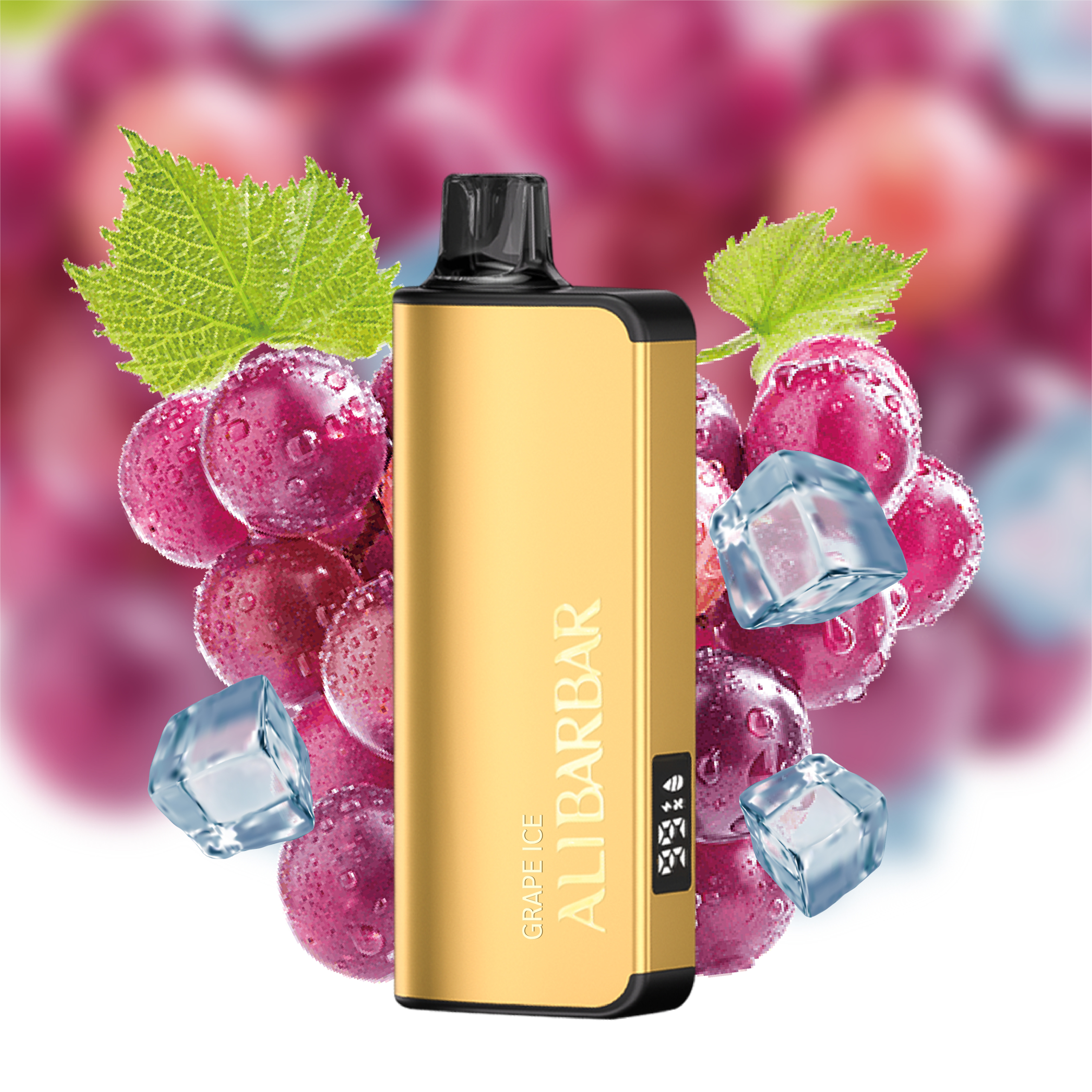
ALIBARBAR’s Premium Design: With features like battery indicator screens, ALIBARBAR devices offer a more transparent user experience. The screen gives you a visual cue of battery life, helping you anticipate the end rather than being surprised by it. This aligns with a smarter, more conscious vaping habit.
Choosing quality disposables from a specialist store means you’re getting a device designed to perform optimally within its intended lifespan, reducing the temptation or perceived need to push it into unsafe territory.
Frequently Asked Questions (FAQ)
Q1: My vape still lights up but produces no vapour. Can I still use it?
A: No. The light only indicates the battery has some charge left, not that there is e-liquid to vaporise. Continuing to draw will burn the dry coil and strain the battery.
Q2: Is it dangerous if I only “zero” a vape once or twice?
A: While a single event may not cause immediate failure, it introduces unnecessary risk each time. Battery damage is cumulative, and inhaling burnt material is never advisable. It’s a habit best avoided entirely.
Q3: Can I recharge a disposable vape to get more out of it?
A: Absolutely not. Disposable vapes are not designed for recharging. Attempting to do so, especially with unofficial methods, is extremely dangerous and can lead to battery fire or explosion.
Q4: Why does my new disposable sometimes taste burnt quickly?
A: This could be a rare factory defect (“dud” coil) or, more commonly, it was activated before being properly primed (e.g., in a bag or pocket). Always store disposables carefully. If a fresh device from a reputable seller tastes burnt immediately, contact the retailer.
Q5: How can I maximise the puff count from my disposable safely?
A: Store it upright in a cool, dry place. Take moderate, steady puffs rather than long, forceful drags. This allows the wick to re-saturate between draws and prevents the coil from overheating.
Q6: Are more expensive disposables less likely to have issues at the end of life?
A: Generally, yes. Brands like IGET and ALIBARBAR invest in better quality control, more consistent e-liquid viscosity, and more reliable wicking materials, which can lead to a more predictable and consistent decline in performance rather than an abrupt, harsh stop.
Q7: What should I do with my finished disposable vapes?
A: They are classified as electronic waste (e-waste) due to the battery. Do not place them in household recycling. Take them to a dedicated battery or e-waste recycling drop-off point, available at many supermarkets, electronics stores, or council waste facilities.
Q8: Is “zeroing” a problem with refillable pod systems too?
A: The principle is similar. Running a pod or tank dry will burn the coil, ruining it and creating a harsh taste. However, refillable systems allow you to simply replace the coil or refill the liquid, making the practice unnecessary and equally discouraged.
the community term “zeroing a vape” describes a practice that is, unequivocally, bad. It compromises safety, guarantees a poor user experience, and misunderstands the engineered lifecycle of a disposable device. For Australian vapers seeking both satisfaction and safety, the answer lies in choosing high-quality products from reputable specialists like Auvape VAPE Store, and respecting the natural endpoint of your device. By doing so, you ensure every vaping session ends on a high note, not a hazardous one. For more insights and responsible vaping discussions, check out external resources like those on YouTube (@AidiHk).