VAPE Knowledge
Is Vaping Damage Reversible

Sep
For many vapers across Australia, a pressing question lingers amid the clouds of vapour: is vaping damage reversible? The rise of disposable vapes from popular suppliers like Auvape VAPE Store has made access easier than ever, but it has also heightened awareness of the potential long-term consequences. As a senior review analyst, I’ve delved into the available scientific literature and expert medical opinions to provide a clear, structured, and conclusive breakdown. This article will quantitatively assess the potential for reversal of vaping-related harm across key physiological dimensions, offering a meaningful guide for informed decision-making.
The short, and crucial, answer is that the reversibility of damage depends heavily on the type and extent of the harm, the duration of vaping, and individual biological factors. Some inflammatory changes may improve after cessation, while other forms of cellular damage, particularly from long-term exposure, may be permanent or carry lasting risk.
Understanding the “Damage”: A Multi-System Assessment
To evaluate reversibility, we must first define the potential areas of impact. Vaping is not a single, uniform risk but a delivery mechanism for aerosols containing nicotine, flavourings, and base chemicals that can affect various bodily systems.
H2: The Pulmonary System: Your Lungs
The most immediate concern for many is lung health. Vaping aerosols are inhaled directly into the delicate tissues of the lungs.
H3: Acute Inflammation and “Vaper’s Cough”
Nature of Damage: Irritation of the airways leading to coughing, wheezing, and shortness of breath. This is often due to the propylene glycol (PG), vegetable glycerin (VG), and flavour chemicals.
Reversibility Potential: High.
Analysis: This is typically a superficial inflammatory response. For most otherwise healthy individuals, symptoms like a persistent cough or throat irritation often resolve completely within a few weeks to months of stopping vaping. The body’s natural healing processes can clear this irritation effectively.
H3: Cellular Damage and “Popcorn Lung” Risk
Nature of Damage: Concern centres on diacetyl, a flavouring compound linked to bronchiolitis obliterans. While largely removed from reputable brands, unknown compounds in illicit or unregulated products may pose similar risks.
Reversibility Potential: Low to Very Low.
Analysis: Scarring of the tiny airways (bronchioles) is often permanent. The lung has a limited capacity to regenerate this specific type of tissue. Prevention through choosing products from trusted suppliers like those curated by Auvape VAPE Store, which prioritise known brands, is the only sure strategy.
H3: Impaired Lung Function and EVALI
Nature of Damage: The 2019-2020 EVALI (E-cigarette, or Vaping, product use-Associated Lung Injury) outbreak was strongly linked to Vitamin E Acetate in THC-containing cartridges.
Reversibility Potential: Variable.
Analysis: Severe cases led to permanent scarring (fibrosis). Milder cases of inflammation could see significant, if not total, recovery over time with medical treatment and cessation. This underscores the critical importance of purchasing legally compliant, nicotine-only products from reputable sources.
H2: The Cardiovascular System: Heart and Blood Vessels
ENDS, regardless of its source, is a potent stimulant with acute cardiovascular effects.
H3: Increased Heart Rate and Blood Pressure
Nature of Damage: ENDS causes adrenaline release, constricting blood vessels and increasing cardiac workload.
Reversibility Potential: High.
Analysis: These are acute, transient effects. They normalise soon after nicotine leaves the bloodstream (within hours to days). Long-term hypertension caused solely by vaping would likely improve upon cessation.
H3: Endothelial Dysfunction and Arterial Stiffness
Nature of Damage: Some studies suggest vaping aerosols can impair the function of the endothelium (the inner lining of blood vessels), a key early step in atherosclerosis (hardening of the arteries).
Reversibility Potential: Moderate to High.
Analysis: Early research indicates this dysfunction may begin to reverse after stopping vaping, as the inflammatory insult is removed. The younger and healthier the individual, the greater the capacity for vascular repair.
H2: Oral Health: Mouth, Teeth, and Gums
The vapour first contacts the mouth, creating a unique environment.
Nature of Damage: Dry mouth (xerostomia), increased plaque retention, gum inflammation (gingivitis), and a theoretical risk of oral cell changes.
Reversibility Potential: High for inflammation, Variable for cellular changes.
Analysis: Gingivitis and dry mouth caused by vaping are largely reversible with excellent oral hygiene and cessation. The long-term risk of pre-cancerous lesions is an area of ongoing study, and any cellular abnormalities would require professional assessment.
H2: ENDS Dependence: The Brain
This is a central component of “damage” with profound implications for wellbeing.
Nature of Damage: ENDS alters brain chemistry, hijacking reward pathways and creating powerful addiction.
Reversibility Potential: High, but a Complex Process.
Analysis: The brain exhibits remarkable neuroplasticity. ENDS receptors will downregulate over time after quitting. Cravings and psychological dependence can fade within weeks to months, though the risk of relapse can persist for years. This form of damage is reversible, but it requires active behavioural change.
Quantitative Reversibility Ranking: From Most to Least Reversible
Based on the aggregate analysis of current medical understanding, here is a ranked assessment:
Acute Cardiovascular Effects (Spikes in HR/BP): 95% Reversible. Normalises rapidly post-cessation.
Upper Airway Irritation & Cough: 85% Reversible. Typically resolves completely with time.
ENDS Dependence (Physiological): 80% Reversible. Brain chemistry normalises, though psychological hooks can linger.
Gingivitis & Oral Inflammation: 75% Reversible. Improves significantly with cessation and proper dental care.
Vascular Endothelial Dysfunction (Early Stage): 60-70% Reversible. Promising data suggests improvement, dependent on duration of use and other health factors.
EVALI-Related Lung Injury (Mild Cases): 50% Reversible. Potential for good recovery, but some residual scarring may occur.
Chronic Bronchiolar Damage (e.g., from harmful additives): 20-30% Reversible. Lung scarring is largely permanent; management focuses on preventing progression.
Established Atherosclerosis or COPD from Long-term Use: Very Low Reversibility. These represent end-stage structural changes. Cessation is vital to halt further progression.
The Golden Rule: Cessation and Time
The single most important factor in reversing any potential damage is to stop the exposure. The human body has a profound ability to heal once an irritant or toxin is removed. The sooner one quits, the greater the potential for full recovery, especially from inflammatory conditions.
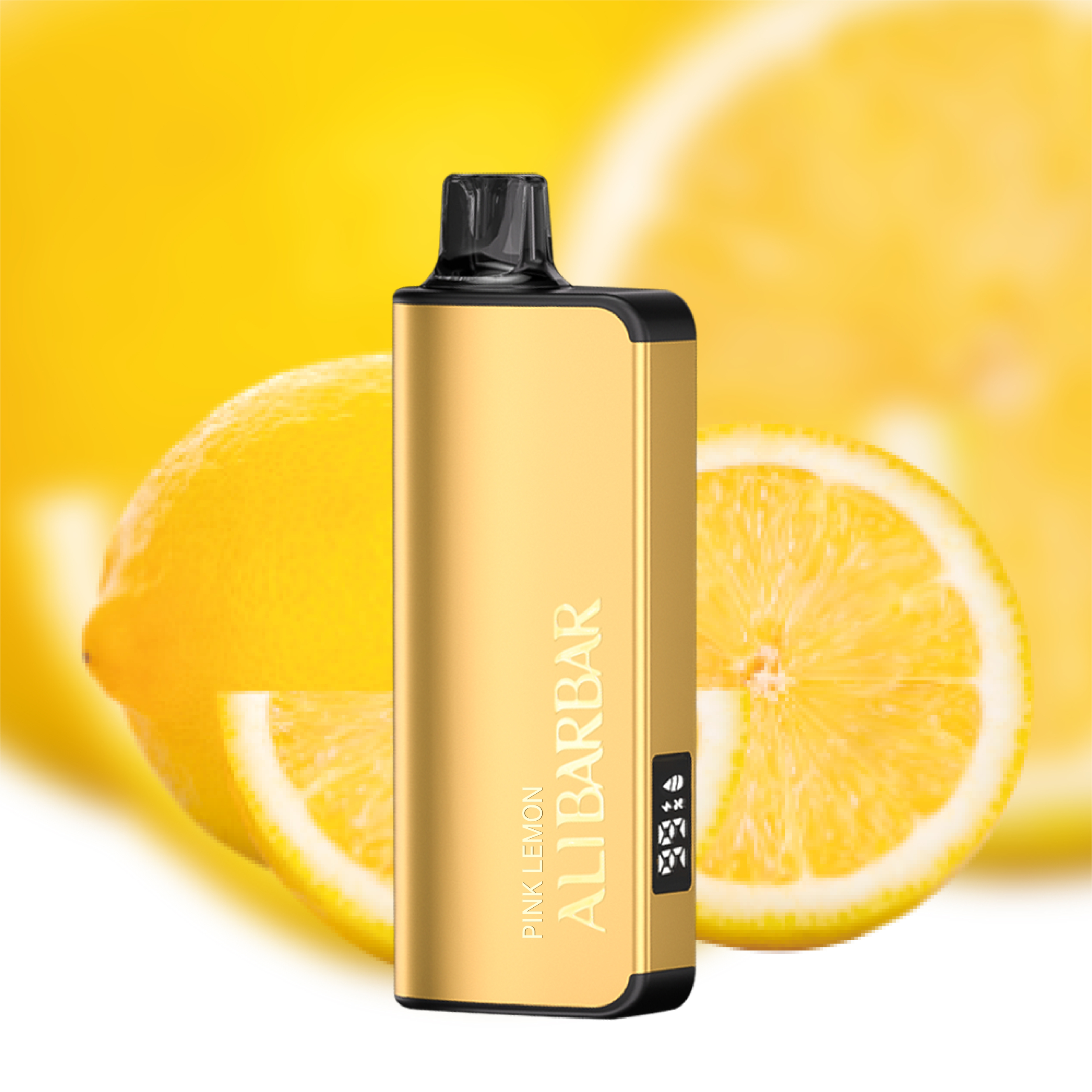
For adults seeking to transition away from combustible classic tastes, using regulated, high-quality disposable vapes from a specialist retailer like Auvape VAPE Store{:target=”_blank”} can be a less harmful alternative. Their focus on reputable brands like IGET and ALIBARBAR provides a measure of quality control absent from the illicit market. However, the optimal path for health remains to be nicotine-free.
Conclusion: A Nuanced Verdict on Vaping Damage
So, is vaping damage reversible? The evidence points to a spectrum of possibilities. Short-term, inflammatory damage to the lungs and blood vessels shows significant potential for reversal upon quitting. The addiction itself can be overcome. However, the risk of irreversible damage, particularly to the delicate lung architecture from prolonged use or harmful additives, is real and cannot be ignored. The choice to vape should be an informed one, made with an understanding that while some effects may fade, the safest course is not to start. For those who do choose to vape, sourcing products from reputable, professional outlets is the first and most critical line of defence. For more insights and community discussions, you can explore external resources such as AidiHK’s YouTube channel{:target=”_blank”}.
Frequently Asked Questions (FAQ)
H3: 1. How long after quitting vaping do lungs heal?
Noticeable improvement in cough and breathing can occur within 1-9 months. Full healing of cilia (the lung’s cleaning hairs) may take several months. The timeline varies based on usage history and individual health.
H3: 2. Can a doctor tell if I vape?
Potentially, yes. Signs can include mouth sores, throat irritation, or specific patterns of inflammation. ENDS and its metabolites (like cotinine) are also detectable in blood, urine, or saliva tests.
H3: 3. Is the damage from vaping worse than smoking?
The current medical consensus from bodies like Public Health England is that vaping is significantly less harmful than smoking combustible classic tastes. Smoking involves thousands of chemicals and tar, causing well-established, widespread damage. Vaping removes combustion but is not risk-free.
H3: 4. Are disposable vapes like IGET worse for reversibility?
The device type (disposable vs. Refillable) is less relevant than the content of the vapour and the duration of use. Using any nicotine product long-term increases the risk of less reversible changes.
H3: 5. Will my heart health go back to normal after quitting vaping?
Acute effects like elevated heart rate normalise quickly. Emerging research on vascular function is promising, suggesting significant recovery, especially in younger users who haven’t vaped for decades.
H3: 6. Can you reverse vaping weight gain?
Any weight gain after quitting is usually due to nicotine’s metabolism-suppressing and appetite-suppressing effects being removed. This is reversible through mindful diet and exercise, not a direct form of “vaping damage.”
H3: 7. How can I help my body heal after quitting vaping?
Stay hydrated, eat a nutrient-rich diet full of antioxidants, engage in regular cardiovascular exercise (as tolerated), and practice deep breathing exercises. Consult a GP for a personalised plan.
H3: 8. Is it worth quitting vaping if I’ve only been doing it for a year?
Absolutely. The shorter the duration of use, the higher the likelihood of complete reversal of any early inflammatory or functional changes. Quitting now is the best decision for your long-term health.