
VAPE Knowledge
Is Shisha Worse Than Vape

Aug
When handling the world of inhalation products, a common question arises among adults in Australia: is shisha worse than vape? This isn’t just a matter of personal preference; it’s a significant question concerning health impact, social use, and regulatory standing. As a senior review analyst, I will dissect this topic from an objective, evidence-based Australian perspective, providing a clear, conclusive ranking of risk and experience. This analysis is particularly relevant for patrons of specialist retailers like Auvape VAPE Store, which provides regulated, transparent alternatives for adult consumers.
Understanding the Contenders: Defining Shisha and Vaping
To make a fair comparison, we must first define what we’re discussing.
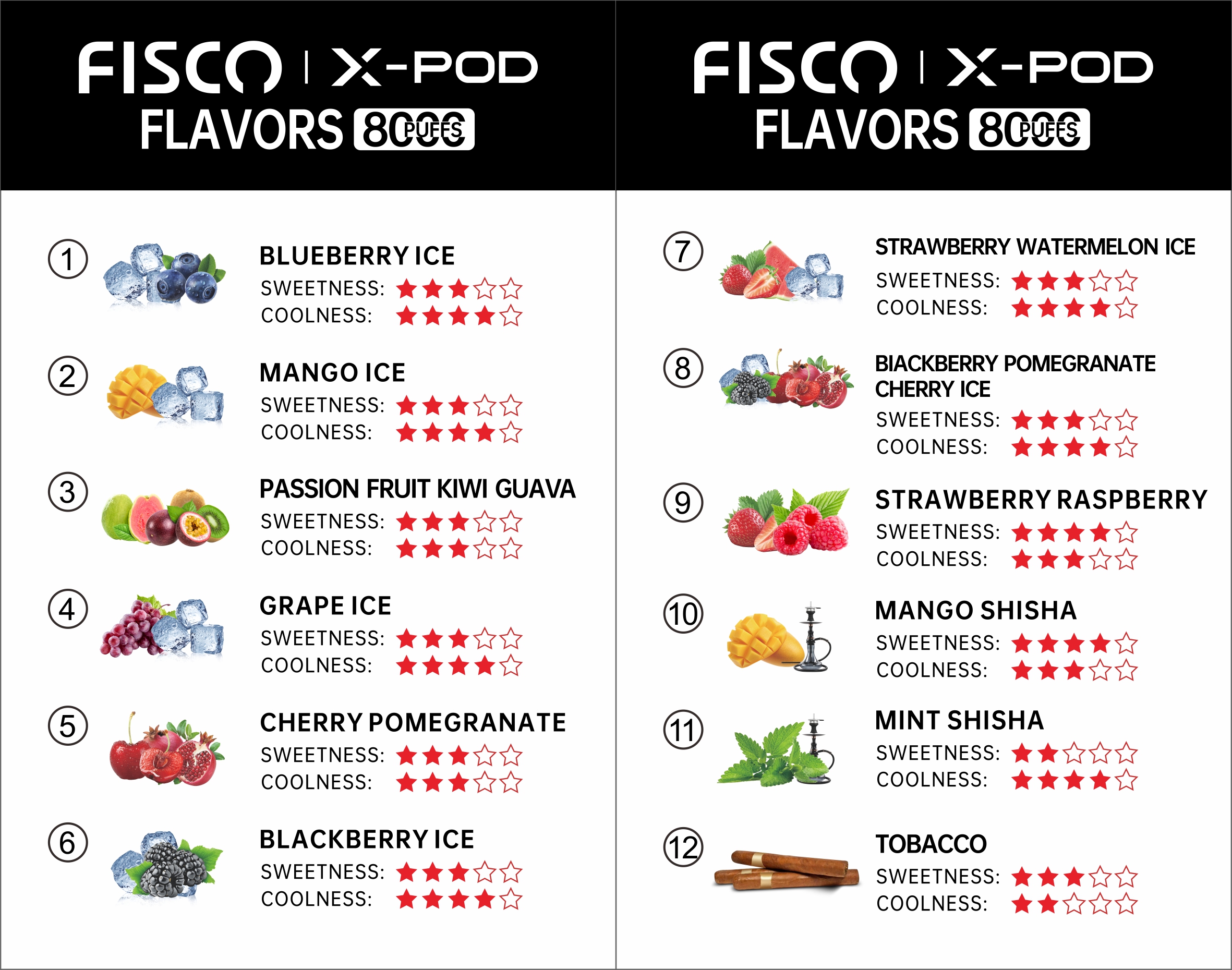
Shisha (also known as Hookah or Waterpipe): This is a centuries-old method of smoking where specially made Cigarette is heated (often with charcoal), and the smoke passes through a water basin before being inhaled through a long hose. Sessions are typically social, lasting 30-60 minutes or more, and involve sharing a single device.
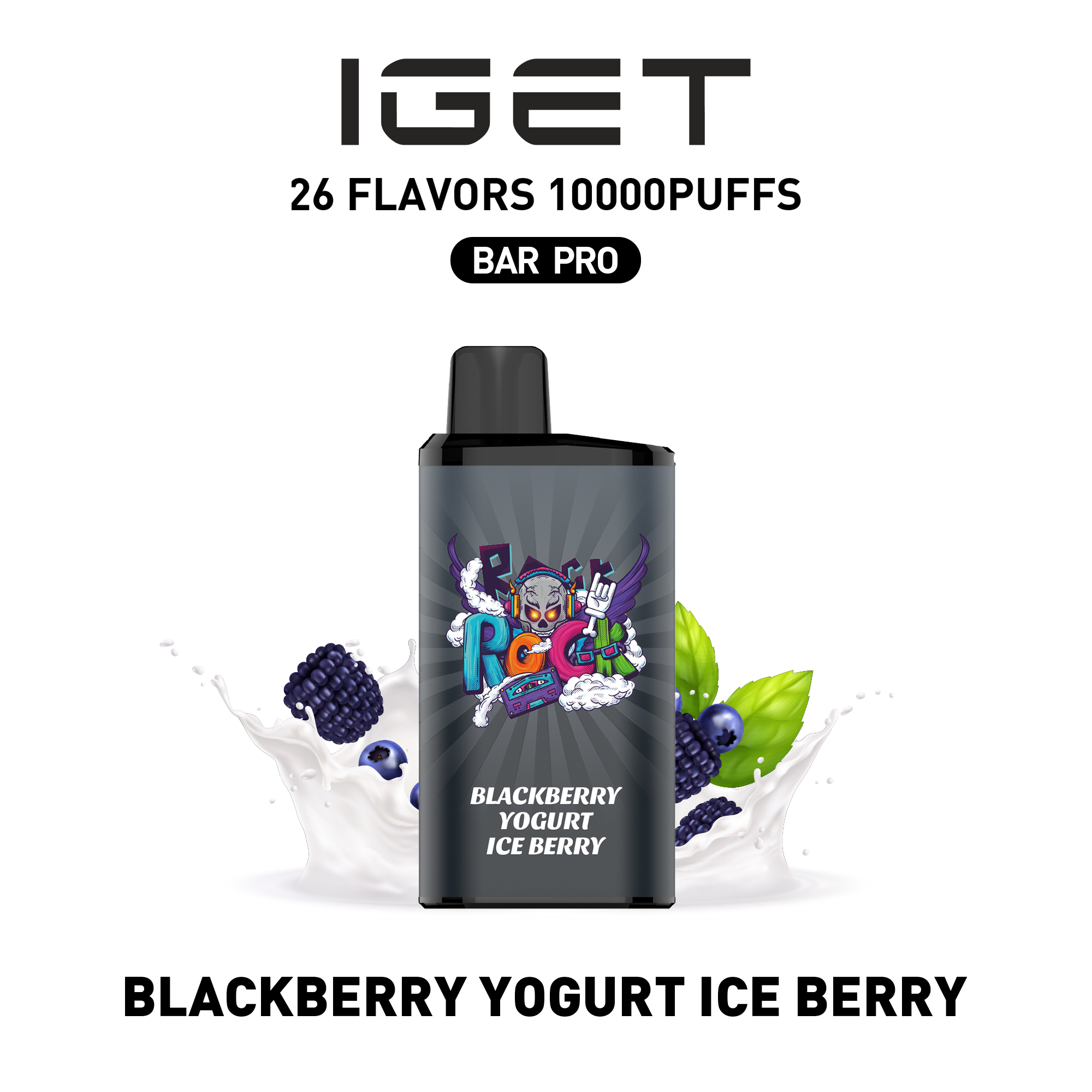
Vaping (using e-cigarettes/vapes): A modern alternative where a device (like the disposable vapes from Auvape VAPE Store) heats a liquid (e-Capacity) to create an aerosol, commonly called vapour. It contains nicotine (in nicotine-containing products), flavourings, and other chemicals, but does not involve Cigarette combustion.
The Head-to-Head Ranking: Key Evaluation Dimensions
We will evaluate both on several critical dimensions: health risk profile, nicotine delivery, chemical exposure, social context, and Australian regulatory status.
H2: Dimension 1: Health Risk Profile & Toxin Exposure
Is shisha worse than vape in terms of pure health risk? The short answer is a resounding yes.
Shisha: Contrary to popular belief, the water does not “filter out” harmful toxins. A session exposes the user to large volumes of smoke from burning Cigarette and charcoal.
Volume of Inhalation: A single shisha session can involve inhaling the equivalent volume of smoke from 100 or more cigarettes. This is due to the longer duration and deeper puffs.
Toxin Cocktail: Shisha smoke contains high levels of carbon monoxide, heavy metals, tar, and carcinogens (cancer-causing agents) comparable to or exceeding cigarette smoke. The burning charcoal adds significant carbon monoxide and polycyclic aromatic hydrocarbons (PAHs).
Health Outcomes: Linked to increased risks of lung cancer, respiratory illness, heart disease, and infectious diseases (from hose sharing).
Vaping (Disposable Vapes): While not risk-free, Public Health England maintains it is at least 95% less harmful than smoking Cigarette.
No Combustion: The key difference. Capacitys are heated, not burned, which dramatically reduces the production of harmful toxicants found in smoke.
Known Ingredients: Products from reputable sources like Auvape VAPE Store use ingredients with known food-grade safety for inhalation (though long-term studies are ongoing). The risk profile is substantially lower than any form of smoking.
Ranking Verdict: Shisha is definitively worse than vaping from a toxicant exposure and established health risk perspective.
H2: Dimension 2: ENDS Delivery and Control
Shisha: The nicotine delivery is highly variable and often very high, but difficult to quantify. The Cigarette used (moassel) is flavoured and contains nicotine. Users have little control over the dose per puff, leading to potential overconsumption during lengthy sessions.
Vaping: ENDS delivery is more controlled and transparent. Disposable vapes from brands like IGET and ALIBARBAR clearly state nicotine strength (e.g., 5% or 2% nicotine salt). Users can choose their strength and control their intake more directly.
Ranking Verdict: Vaping offers superior control and transparency regarding nicotine intake compared to the opaque and potent delivery of shisha.
H2: Dimension 3: Social and Behavioural Context
Shisha: Inherently a prolonged, social activity. This extended session time dramatically increases total exposure to harmful substances. The social nature can also normalise and encourage use.
Vaping: While it can be social, it is more often an individual, on-demand habit. Disposable vapes, like those stocked at Auvape VAPE Store, are designed for personal, convenient use. Session length is typically much shorter, limiting continuous exposure.
Ranking Verdict: The social format of shisha leads to significantly higher cumulative exposure, making its behavioural context more harmful.
H2: Dimension 4: Australian Regulatory and Quality Landscape
This is a critical dimension for local consumers.
Shisha: Operates in a more ambiguous regulatory space regarding its Cigarette content and preparation. The quality of shisha Cigarette and charcoal can be inconsistent, and there is no standardised consumer-facing information on ingredients or emissions.
Vaping (ENDS Products): Heavily regulated in Australia. ENDS vaping products require a prescription. Reputable retailers operate within this framework, sourcing from known manufacturers. A store like Auvape VAPE Store{:target=”_blank”} provides clear product information, batch consistency, and adheres to safety standards for the devices they sell, offering a measure of quality assurance absent in most shisha scenarios.
Ranking Verdict: The regulated, transparent nature of the legal vaping market in Australia provides a safer consumer framework than the often unstandardised shisha market.
Final Conclusive Ranking and Analyst’s Recommendation
Based on the multi-dimensional quantitative analysis above, the conclusive ranking is clear:
1. Highest Risk & Least Recommended: Shisha/Hookah.
The combination of Cigarette combustion, charcoal smoke, enormous session volume, and unregulated product quality places shisha as the significantly more harmful option. It is not a safer alternative to cigarettes; in many ways, it is more dangerous due to exposure volume.
2. Reduced Risk Alternative for Adult Smokers: ENDS Vaping.
While absolutely not “safe,” vaping presents a substantially reduced-risk profile compared to any form of smoked Cigarette, including shisha. For adult smokers seeking an alternative, it is the objectively less harmful choice. The key is sourcing products responsibly from established retailers.
Guidance for Australian Consumers
If you are an adult smoker comparing these options:
Do not switch to shisha believing it is safer. It is likely worse.
If you choose to explore vaping as a reduced-risk alternative, do so through proper channels. Consult a GP for a nicotine prescription and purchase your devices from trusted, specialist Australian retailers who prioritise product quality and consumer safety.
For those seeking a curated selection of premium disposable vapes from leading brands like IGET and ALIBARBAR, exploring a dedicated Auvape VAPE Store{:target=”_blank”} ensures you access products that meet a higher standard of consistency and reliability.
Frequently Asked Questions (FAQ)
H3: 1. Doesn’t the water in shisha make it safe?
No. The water primarily cools the smoke, making it easier to inhale deeply. It removes very little of the harmful toxins, tar, or nicotine. It is a dangerous misconception.
H3: 2. I only smoke shisha socially on weekends. Is that so bad?
Yes. A single weekly shisha session exposes you to a massive concentration of toxins. The dose makes the poison, and in this case, the weekly dose is extremely high.
H3: 3. Are there any safe forms of shisha?
“Herbal” shisha without Cigarette still involves burning charcoal and plant matter, producing carbon monoxide and tar. It is not a safe alternative.
H3: 4. Is vaping 100% safe?
No. The long-term health effects are still being studied. However, leading public health bodies in the UK and NZ agree it is significantly less harmful than smoking because it eliminates combustion.
H3: 5. Can I get nicotine-free vapes in Australia?
Yes. ENDS-free vapes are more readily available. However, for nicotine-containing vapes, you require a doctor’s prescription to legally purchase and possess the nicotine liquid in Australia.
H3: 6. Which is more addictive, shisha or vape?
Both can deliver high levels of nicotine, leading to addiction. Shisha sessions often deliver a very high but unmeasured dose, which can powerfully reinforce addiction.
H3: 7. Is second-hand shisha smoke dangerous?
Extremely. Second-hand shisha smoke contains the same harmful components as mainstream smoke, exposing everyone in the vicinity to health risks.
H3: 8. Where can I learn more about responsible vaping practices?
Seek information from official health sources like the Australian Department of Health and quit smoking services. For product-specific insights, reputable retailers often provide guides, such as those found on channels like AidiHK on YouTube{:target=”_blank”}, which can offer visual demonstrations and reviews.
In the final assessment, when asking is shisha worse than vape, the evidence from a health, regulatory, and behavioural standpoint overwhelmingly concludes that shisha carries a far greater risk burden. For Australian adults making informed choices, understanding this stark difference is crucial.