
E-cigarette Blogs
How To Charge Vape Battery

Jan
The Complete Guide to Safely Charging Your Vape Battery
For vapers across Australia, from the bustling streets of Sydney to the sunny shores of the Gold Coast, a dead vape battery can bring your session to an abrupt halt. Knowing how to charge vape battery correctly is not just about convenience—it’s crucial for safety, device longevity, and ensuring a consistent, satisfying vaping experience. This comprehensive guide will walk you through every step, from identifying your battery type to advanced charging best practices, ensuring you get the most out of your device safely and efficiently.
Understanding Your Vape Battery: The Foundation
Before you plug anything in, it’s essential to know what you’re working with. The method for how to charge vape battery varies significantly depending on the device type.
Disposable Vapes: The Simple Truth
Let’s be clear upfront: true disposable vapes are not designed to be recharged. Brands like IGET and ALIBARBAR, which are prominently featured at reputable retailers like Auvape VAPE Store{:target=”_blank”}, are intended for single use. They come pre-charged from the factory with a sealed lithium battery. Attempting to charge a device not designed for it can lead to battery failure, leakage, overheating, or even fire. When the battery depletes, the device has served its purpose and should be disposed of responsibly.
Rechargeable Vape Devices: Your Charging Candidates
These are the devices where knowing how to charge vape battery is essential. They primarily fall into two categories:
All-in-One (AIO) / Pod Systems: These have integrated, non-removable batteries (like the common built-in 500mAh to 1500mAh cells). You charge the entire device via a USB port.
Advanced Personal Vaporisers (Mods): These often use removable, external batteries (most commonly 18650, 20700, or 21700 cells). These batteries require an external charger.
Step-by-Step: How to Charge Vape Battery for Different Devices
Charging Devices with Integrated Batteries
This is the most common scenario for modern vapers using pod systems or starter kits.
Locate the Charging Port: Find the USB port on your device. This is most commonly a USB-C or Micro-USB socket.
Use the Correct Cable: Always use the cable provided with your device or a high-quality, data-syncing cable from a reputable brand. Cheap, charge-only cables can cause issues.
Connect to a Safe Power Source: Plug the cable into a low-power source. The absolute best practice is to use a computer USB port or a dedicated 1-2A USB wall adapter. Avoid fast-charging blocks (like those for modern smartphones) unless your device explicitly states it supports them, as they can overwhelm the vape’s charging circuit.
Monitor the Charge: Most devices have an LED indicator.
Red/Flashing: Charging.
Green/Blue/Solid: Charge complete.
Disconnect Promptly: Once fully charged, unplug the device. Avoid leaving it plugged in overnight or for extended periods after reaching 100%.
Charging External (Removable) Batteries
Safety is paramount here. This method is generally considered safer and better for battery health than charging via the device (known as “passthrough” charging).
Invest in a Quality External Charger: Purchase a branded charger from companies like Nitecore, Xtar, or Efest. Look for features like independent charging channels, overcharge protection, and display readouts for voltage.
Insert Batteries Correctly: Align the battery’s positive (+) and negative (-) ends with the correctly marked slots on the charger. Incorrect insertion can cause a dangerous short circuit.
Charge on a Safe Surface: Place the charger on a non-flammable, hard surface like a stone bench, ceramic plate, or dedicated charging bag. Never charge on beds, sofas, or near curtains.
Supervise the Process: Do not leave charging batteries unattended for long periods, especially if you are new to the process.
Use Battery Cases: Once charged, immediately place the batteries in a protective plastic case before transporting or storing. Never carry loose batteries in a pocket or bag where they can contact metal objects like keys or coins.
Critical Safety Protocols for Charging Vape Batteries
Ignoring safety when learning how to charge vape battery is the fastest way to a dangerous situation. Adhere to these non-negotiable rules:
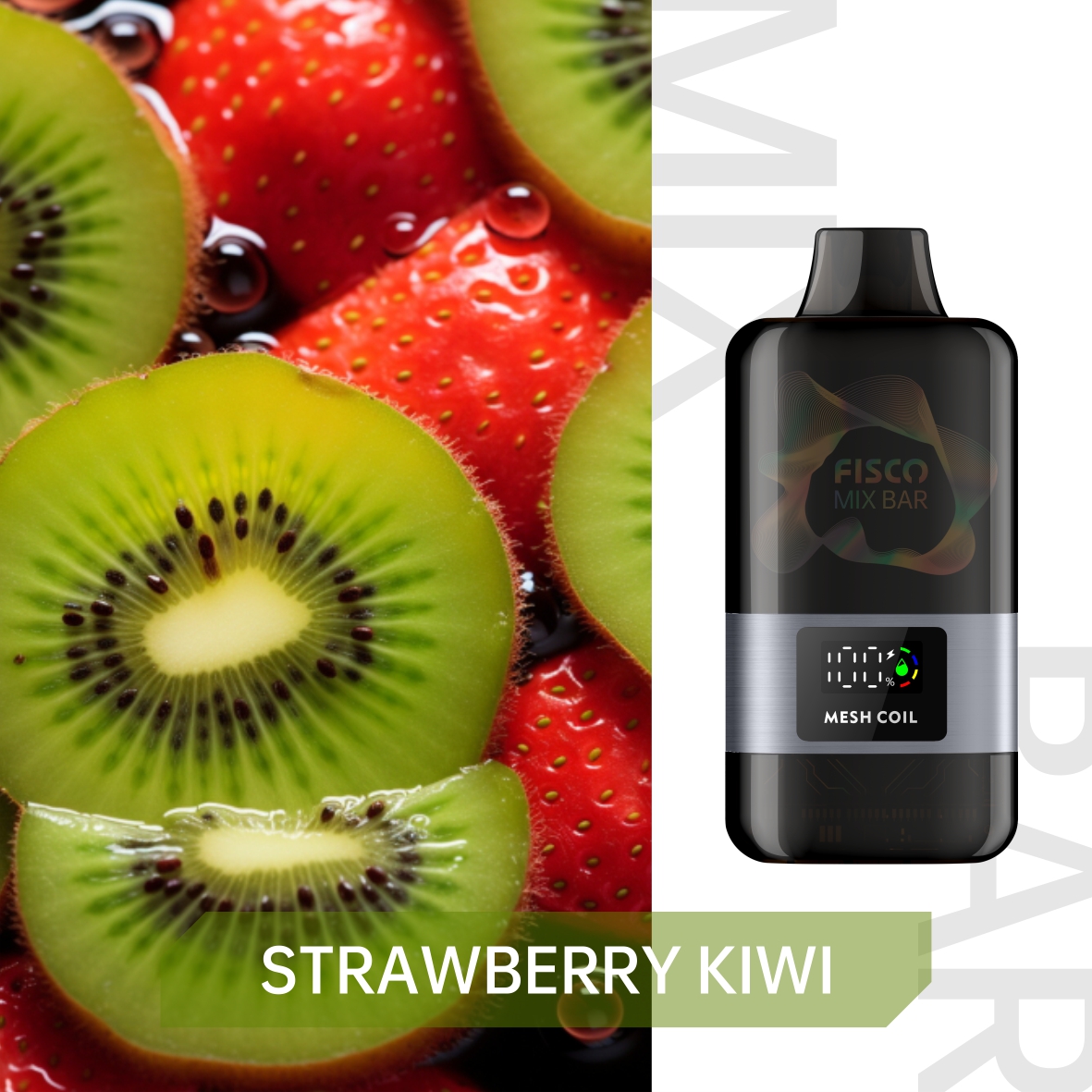
Never Use Damaged Equipment: Do not charge batteries with torn wraps, dents, or leaks. Do not use frayed cables or loose charging ports.
Avoid Extreme Temperatures: Never charge batteries in direct sunlight, in a hot car, or in freezing conditions. Room temperature is ideal.
Don’t Mix and Match: Use batteries of the same brand, model, age, and charge cycle together in multi-battery devices. “Marrying” batteries prevents imbalance.
Purchase from Reputable Sources: Buy batteries from trusted vendors. Counterfeit batteries are rampant and pose severe risks. Sourcing your devices and knowledge from established shops like Auvape VAPE Store{:target=”_blank”} ensures you get genuine products and can access proper advice.
Stop if Something Feels Wrong: If the device, battery, or charger becomes excessively hot, emits a strange smell, or shows signs of swelling, stop charging immediately, move it to a safe area, and dispose of it properly.
Maximising Battery Life and Performance
Knowing how to charge vape battery also involves practices to extend its lifespan:
Avoid Deep Discharges: Try not to run your battery down to 0% regularly. Recharging when it reaches 20-30% is healthier for lithium-ion cells.
Partial Charges are Fine: You don’t need to always charge to 100%. Topping up is perfectly acceptable and can reduce long-term wear.
Store at Mid-Charge: If storing batteries for weeks or months, charge them to around 50-60% first.
The Auvape Advantage: Simplifying Your Vape Journey
For vapers who value convenience without compromise, the question of how to charge vape battery becomes irrelevant when you choose high-quality disposable options. This is where Auvape VAPE Store{:target=”_blank”} excels. By specialising in premium, ready-to-use brands like IGET Vape and ALIBARBAR Vape, they offer a seamless solution. You get a perfectly pre-charged device, consistent flavour from the first puff to the last, and the ultimate in portability—no cables, no waiting, no charging safety concerns. It’s the epitome of hassle-free vaping, ideal for both beginners and seasoned vapers seeking reliable performance on the go.
When your charged device is ready and you’re looking for inspiration on new options or techniques, check out the community insights and reviews on platforms like YouTube @AidiHk{:target=”_blank”}.
Frequently Asked Questions (FAQ)
Q1: Can I use my phone charger to charge my vape?
A: You can use the cable from your phone charger if it fits, but you should be cautious with the wall adapter. Use a low-output (1A or 2A) adapter. Avoid high-wattage fast chargers unless your vape specifically supports them.
Q2: How long does it take to charge a vape battery fully?
A: For a standard integrated battery (e.g., 1000mAh), using a 1A charger, it typically takes 1-2 hours. Larger batteries (3000mAh+) in mods can take 4-6 hours on a standard charger. External chargers often have faster, smarter options.
Q3: Is it bad to leave my vape charging overnight?
A: It is not recommended. While most modern devices have overcharge protection, it’s a significant safety risk to leave lithium batteries charging unattended for long periods. Always charge where you can monitor it.
Q4: My vape is getting very hot while charging. Is this normal?
A: A slight warmth is normal, but if the device becomes hot to the touch, you should immediately disconnect it. Excessive heat is a primary warning sign of battery failure.
Q5: What does it mean if my vape battery is blinking when I try to charge it?
A: A blinking light often indicates an error. This could be due to a poor connection, a completely dead battery that won’t take a charge, a faulty cable, or an internal circuit problem. Try a different cable and power source first.
Q6: Can I vape while the device is charging (“passthrough vaping”)?
A: Some devices allow this, but you should check your manual. It’s generally harder on the internal battery and charging circuit. It’s better practice to wait until it’s charged.

Q7: How do I know when my disposable vape battery is dead?
A: The vapour production will drastically reduce or stop, the flavour may diminish or turn burnt, and the indicator light (if present) may not activate when you draw. Do not attempt to charge it.
Q8: What is the safest surface to charge my vape batteries on?
A: A hard, non-flammable surface like a kitchen bench, stone table, or inside a dedicated LiPo charging bag is safest. This contains any potential incident.
Q9: How many puffs should I get from a charged battery?
A: This varies enormously. A small 500mAh pod might give 200-300 puffs, while a large 3000mAh dual-battery mod could last for 600+ puffs. It depends on your coil’s resistance and wattage.
Q10: Where is the best place to buy reliable vape batteries in Australia?
A: Always purchase from reputable, specialist vape retailers or dedicated battery suppliers. Avoid generic marketplaces where counterfeits are common. Established stores, like those serving major cities with a focus on quality, ensure you receive authentic, well-sourced batteries and devices.
Mastering how to charge vape battery is a fundamental skill for any vaper using rechargeable devices. By prioritising the correct equipment, a safe environment, and vigilant habits, you ensure every vaping session is not only enjoyable but secure. For those seeking to eliminate charging from the equation entirely, the curated selection of premium disposable vapes from Auvape VAPE Store{:target=”_blank”} offers a superior, worry-free alternative, delivering consistent quality from the first inhale to the very last.