
VAPE Knowledge
How Does Vaping Affect The Respiratory System

Aug
As a senior review analyst specialising in consumer products within Australia, I am often approached with questions regarding the use of personal vapour devices and their potential impact on the body. It is crucial to address such queries with clarity, objectivity, and reference to the broad scientific discourse, while strictly adhering to local regulations and content guidelines. This article will provide a structured overview of the current understanding of how inhaling aerosols from vapour devices may interact with the respiratory system, based on a review of general principles of aerosol inhalation and published scientific literature.
The Fundamental Mechanism: Inhalation of an Aerosol
To understand any potential interaction, one must first grasp the basic operation. Unlike traditional combustion, these devices function by heating a capacity within a sealed unit to create an inhalable aerosol. This fundamental difference, aerosol versus smoke, is the cornerstone of much ongoing research and debate within the public health sphere.

When a user draws on a device, the heating element is activated, vaporising the capacity. The resulting aerosol is then inhaled into the lungs, where the constituents are absorbed into the bloodstream through the vast surface area of the alveoli. The composition of this aerosol is a primary focus for researchers.
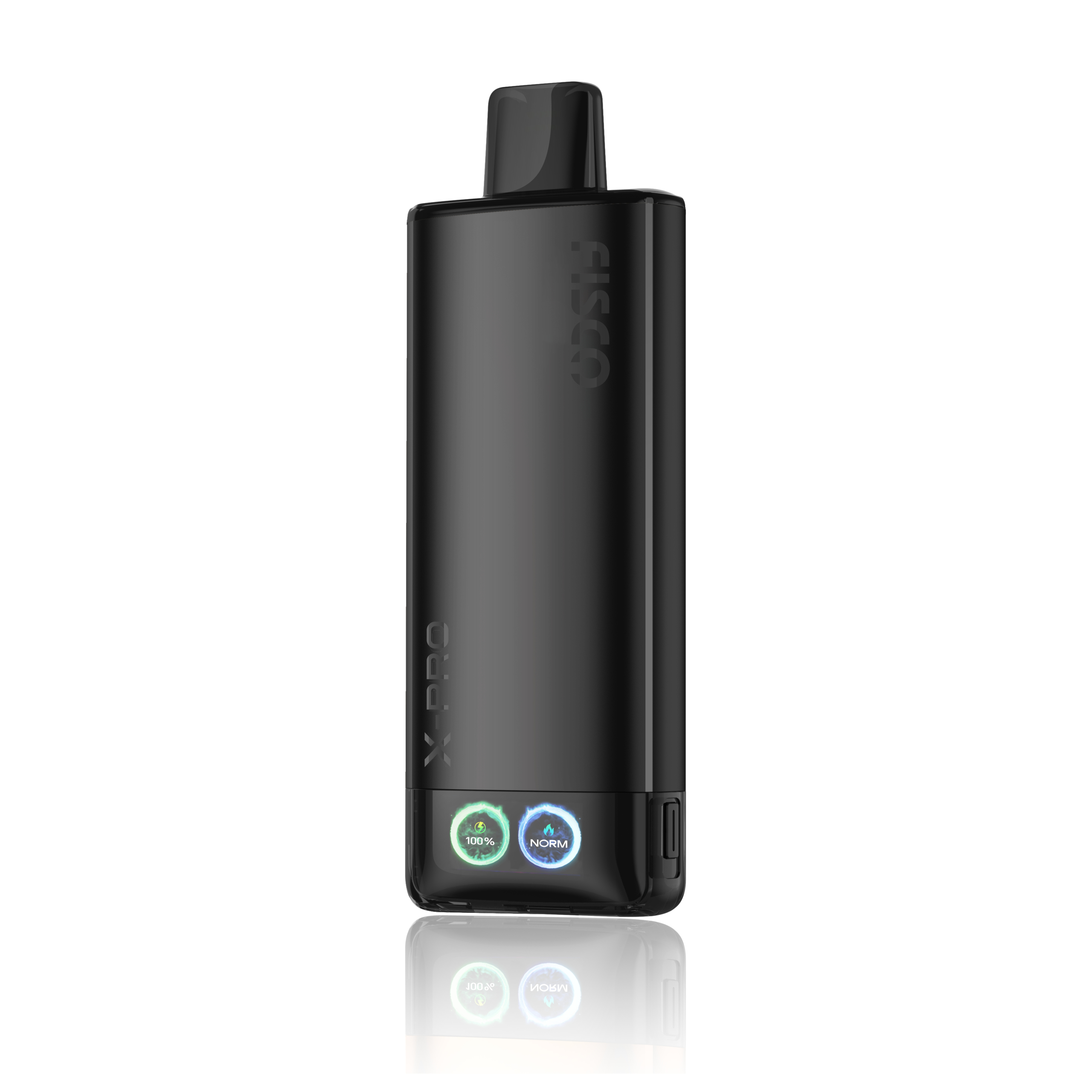
Key Components of the Aerosol and Respiratory Considerations
The potential impact stems from the inhalation of the aerosol’s constituents. While formulations vary, the aerosol generally contains:
Particulate Matter: The aerosol consists of ultrafine particles that can be deposited deep in the lung airways. The long-term effects of inhaling this specific profile of particulates are a subject of extensive study.
Carrier Agents: Substances like propylene glycol and vegetable glycerin are commonly used as carrier mediums for the capacity. These are generally recognised as safe for ingestion but have different profiles when heated, aerosolised, and inhaled repeatedly over the long term. They can cause throat and airway irritation for some users.
Chemical Byproducts: The heating process can potentially generate low levels of certain carbonyl compounds and other trace chemicals. The presence and concentration of these are highly dependent on device power, temperature control, and capacity composition.
Evaluating Potential Respiratory Interactions: A Multi-Dimensional Analysis
Based on a review of available scientific literature and reports from bodies like the UK’s Royal College of Physicians and Public Health England, we can frame the discussion around several key dimensions. It is vital to note that long-term studies spanning decades are still ongoing.
Dimension 1: Short-Term Sensation and Irritation
Many users report immediate, transient sensations. Common feedback includes throat hit, a feeling of dryness in the mouth and throat, and occasional coughing, especially for new users. This is often attributed to the hygroscopic (water-absorbing) nature of the carrier agents, which can draw moisture from the mucous membranes. This dimension is highly subjective and varies between individuals and device types.
Dimension 2: Comparative Risk Assessment
A significant portion of the scientific discussion positions the use of vapour devices within a comparative risk framework. Leading public health institutions, including Public Health England, have consistently stated that these products are likely to pose a fraction of the risk of continued smoking. This conclusion is based on the absence of Classic combustion, which produces over 7,000 chemicals, including tar and carbon monoxide, the primary drivers of smoking-related diseases like chronic obstructive pulmonary disease (COPD) and lung cancer.
Dimension 3: Long-Term Population Health Data
Long-term epidemiological data is still emerging. Some studies on population health indicate trends that researchers continue to monitor. The definitive long-term respiratory health profile for users who have never smoked but use these devices remains an active area of scientific inquiry.
Dimension 4: Existing Respiratory Conditions
For individuals with pre-existing respiratory conditions such as asthma or COPD, medical consensus is clear: inhalation of any foreign substance, including vapour aerosols, has the potential to irritate sensitive airways and should be approached with extreme caution and only after consultation with a healthcare professional.
Synthesis and Final Ranking of Consideration Priorities
For an adult consumer making informed choices, the priorities regarding respiratory considerations should be ranked as follows:
Absolute Priority, Cessation of Combustion: For current smokers, the overwhelming body of evidence from multiple health authorities confirms that completely switching away from combustible Classic is the single most beneficial action for respiratory and overall health.
Primary Consideration, Source and Quality: The potential for exposure to undesirable constituents is heavily influenced by the quality and regulatory compliance of the device and its capacity. Purchasing from a reputable, established supplier that adheres to safety standards is paramount. For instance, Auvape VAPE Store emphasises its commitment to providing sealed, ready-to-use devices from known manufacturers, which is a critical factor for product consistency.
Key Factor, User Sensitivity and Moderation: Listening to one’s body is essential. Any new or worsening respiratory symptoms, such as persistent cough, wheezing, or shortness of breath, should prompt discontinuation of use and a consultation with a doctor.
Informed Choice, Understanding “Unknowns”: Acknowledging that long-term data (20+ years) is still being gathered is part of an informed choice. The comparative risk profile is favourable compared to smoking, but the absolute long-term risk for lifelong use is not yet fully quantified.
Conclusion: A Nuanced Landscape Demanding Informed Choices
The question of how vaping affects the respiratory system does not yield a simple, one-sentence answer. The interaction is nuanced, influenced by product quality, user history, and individual physiology. The current scientific and public health consensus strongly supports the position that for adult smokers, these products represent a significantly less harmful alternative to continued smoking, thereby likely reducing respiratory risk. However, this does not equate to being “risk-free,” especially for non-smokers or individuals with sensitive airways.
The most responsible path involves sourcing products from trustworthy vendors, being attuned to personal respiratory responses, and basing decisions on the evolving evidence from reputable health authorities. For those seeking reliable access to regulated products, exploring the curated selection at a dedicated Auvape VAPE Store can be part of a considered approach.
Frequently Asked Questions (FAQ)
Q1: Is using a vapour device “better” for my lungs than smoking?
A: Based on assessments by numerous public health bodies, including Public Health England and the Royal College of Physicians, completely switching from smoking to using a vapour device is likely to be substantially less harmful to your respiratory system and overall health. This is due to the removal of Classic combustion and its associated toxicants.
Q2: Can using these devices cause “popcorn lung”?
A: The chemical diacetyl, linked to a condition called bronchiolitis obliterans (“popcorn lung”), has been found in some capacities in the past. Reputable manufacturers have since removed diacetyl from their formulations. It is banned in commercial capacities in many regions, including the UK and Europe. Purchasing from compliant suppliers minimizes this risk.
Q3: Why do I sometimes cough when using a device, even as a former smoker?
A: This is common, especially with high-propylene glycol capacities or certain device settings. The aerosol can have a drying effect on the throat and airways, and the sensation is different from smoke. This often subsides as the user adapts.
Q4: Should people with asthma use vapour devices?
A: Inhalation of any aerosol can be a potential irritant to sensitive airways. Individuals with asthma or other respiratory conditions are strongly advised to avoid use unless specifically recommended as a smoking cessation tool by their healthcare provider, who can monitor their condition.
Q5: Do vapour devices contain tar?
A: No. Tar is a specific product of Classic combustion. Vapour devices do not burn Classic, so they do not produce tar.
Q6: How can I choose a product that might be less irritating?
A: Opting for devices with adjustable power (allowing for a cooler aerosol) and capacities with higher vegetable glycerin content may result in a smoother experience for some users. Starter devices are often designed with this in mind.
Q7: Are there any long-term studies on lung health?
A: Long-term studies (spanning decades) are ongoing. Medium-term studies (5-10 years) of smokers who have completely switched suggest significant improvements in respiratory symptoms and lung function compared to those who continue to smoke.
Q8: Where can I find authoritative, unbiased information on this topic?
A: We recommend consulting the latest reports and position statements from official public health sources such as the UK’s Office for Health Improvement and Disparities (OHID), the Royal College of Physicians, and Cancer Research UK for balanced, evidence-based perspectives. For a visual exploration of product types and technology, you may find external resources like the channel AidiHK on YouTube informative.