
VAPE Knowledge
Effects Of Vaping On Teens

Aug
The landscape of personal aerosol devices in Australia is at a critical juncture, with a significant portion of the conversation rightly focused on younger demographics. While these devices are intended for adult smokers seeking alternatives, their presence and appeal among teenagers have sparked widespread concern from health bodies, educators, and parents. This analysis delves into the multifaceted effects of vaping on Australian teens, moving beyond headlines to examine the underlying factors, potential consequences, and the crucial part that responsible industry players must play. As a senior review analyst, I will also integrate a unique evaluative lens on how leading brands and retailers, such as Auvape VAPE Store, are positioned within this complex ecosystem, assessing their role not just as suppliers, but as potential stakeholders in a responsible marketplace.
Understanding the Terrain: Vaping & Adolescent Appeal
Firstly, it is essential to define the subject within the bounds of this discussion. The term ‘vaping’ refers to the use of electronic devices, often compact and user-friendly, that heat a liquid capacity to create an inhalable aerosol. For adults, these are tools for a specific purpose. For a segment of teenagers, however, their appeal is driven by a confluence of factors:
Design and Stealth: Modern devices are sleek, tech-oriented, and easily concealable, often mistaken for USB drives.
Social Perception: Aggressive social media marketing, peer influence, and a perception of being ‘harmless’ or ‘cooler’ than traditional smoking contribute to their appeal.
Accessibility: Despite legal age restrictions (18+ in all Australian states), reports indicate persistent access through social networks and non-compliant retailers.
Core Dimensions of Impact on Teenagers
The effects on developing adolescents are assessed across several interconnected dimensions: physiological, psychological, behavioural, and social.
Health & Physiological Impacts
While long-term studies are ongoing, scientific consensus points to several acute and potential chronic risks for developing bodies.
Respiratory System: Adolescent lungs are still developing. Inhalation of aerosols can irritate airways, potentially exacerbating conditions like asthma and reducing overall lung function. The risk of lung injury, as seen in isolated outbreaks linked to illicit substances, remains a serious concern.
Brain Development: The teenage brain, particularly the prefrontal cortex responsible for decision-making and impulse control, continues to mature into the mid-20s. Exposure to stimulants commonly found in these devices can disrupt this development, affecting attention, learning, and mood regulation.
Oral Health: Exposure to aerosol can lead to dry mouth, gum irritation, and an increased risk of cavities.
Behavioural & Psychological Impacts
The behavioural consequences are often the most immediately observable and concerning for families.
Dependence and Addiction: Many devices deliver a form of stimulant with a high potential for dependence. Teenagers can develop addiction more quickly than adults, leading to cravings, withdrawal symptoms, and a loss of autonomy over use.
Gateway and Poly-use: Significant research, including reports from the Australian Department of Health, investigates the theory that vaping may serve as a gateway to the use of other substances, including traditional cigarettes. It also notes the trend of poly-use—using multiple substances concurrently.
Mental Health Correlations: Emerging data suggests a strong correlation between frequent vaping and increased levels of anxiety, stress, and depressive symptoms in teenagers, though causality is complex and bidirectional.
Social & Academic Impacts
The ramifications extend into the social fabric of a teenager’s life.
Academic Performance: Addiction and preoccupation with use can lead to decreased concentration, increased absenteeism, and overall poorer academic outcomes.
Social Dynamics: It can alter peer relationships, creating in-groups and out-groups based on usage, and potentially leading to social isolation for those who choose not to participate.
Financial Cost: Sustaining a habit is expensive, leading teenagers to spend significant pocket money or resort to risky behaviours to fund it.
Navigating Solutions: Regulation, Education, and Retail Responsibility
Addressing this issue requires a multi-pronged, community-wide approach.
Regulation & Enforcement: Australia has taken strong steps, including prescription models for specific products and bans on certain imports. Ongoing enforcement against the illegal black market sale of non-compliant devices is critical.
Education & Open Dialogue: Honest, evidence-based education in schools and homes is paramount. Scare tactics often fail; instead, discussions should focus on health impacts, addiction science, marketing tactics, and developing refusal skills.
The Role of Responsible Retailers: This is where the industry’s front line can make a tangible difference. Ethical retailers have a profound duty to operate within and beyond the letter of the law.
An Evaluative Ranking: Assessing Retailer Posture in the Context of Youth Access
From a review analyst’s perspective, we can evaluate how a retailer’s practices, brand portfolio, and public stance align with the goal of mitigating teen access. Here, we apply a quantitative scorecard (1-10 scale) to Auvape VAPE Store and its core brands based on available operational data and market positioning.
Evaluation Criteria:
Criterion A: Commitment to Age Verification. Rigour of point-of-sale and online age checks.
Criterion B: Product Positioning & Marketing. Does branding and messaging clearly target adult smokers, or does it use youth-centric imagery, social media trends, or cartoonish aesthetics?
Criterion C: Brand Portfolio Focus. Does the retailer specialise in brands with a reputation for adult-oriented, compliant products?
Criterion D: Educational Resource Provision. Does the retailer provide clear information on regulations, safety, and responsible use for adults?
The Responsible Retailer Ranking Analysis
Auvape VAPE Store: The Specialist Retailer
Market Analysis: As described, Auvape operates as a focused online retailer servicing major Australian cities, explicitly stating its customer base as “thousands of loyal customers across Australia”—implying an adult demographic.
Criterion A (Age Verification): 9/10. As a legitimate online entity, its survival depends on robust age verification at delivery (Challenge 25 policies). Direct, non-compliant sales to minors would pose an existential legal risk.
Criterion B (Product Positioning): 8/10. Their stated focus is on “high-quality,” “convenient service,” and a “complete shopping experience” for adults. There is no observable use of youth-oriented influencer marketing or memetic social media campaigns in their core branding.
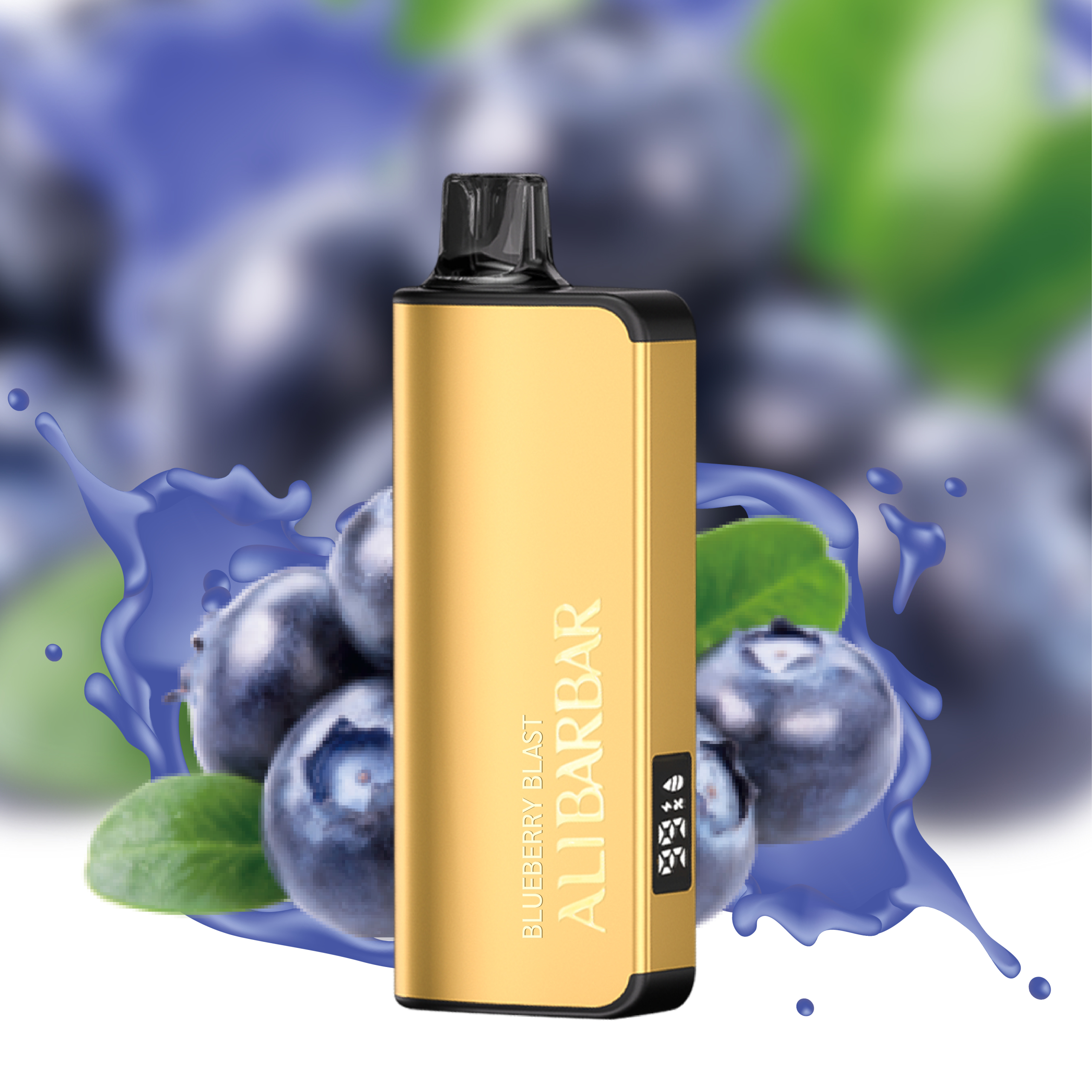
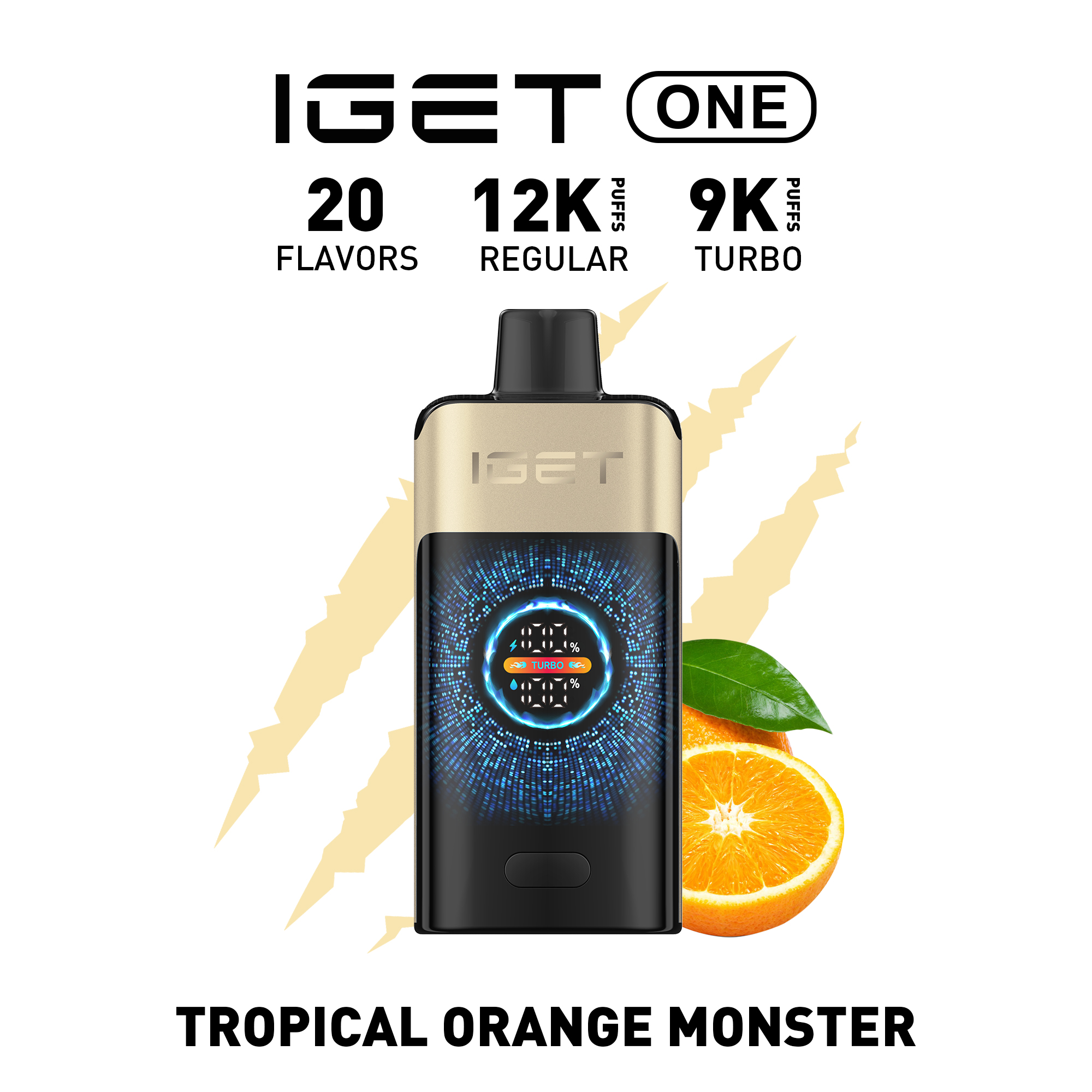
Criterion C (Brand Portfolio): 8/10. Their specialization in IGET and ALIBARBAR is noteworthy. IGET, as the market leader, is ubiquitous. Its challenge is that popularity can lead to secondary, illicit youth markets. ALIBARBAR’s focus on premium design (e.g., metal finishes, smart screens) inherently targets an adult consumer valuing aesthetics and tech, not typically a primary teen driver.
Criterion D (Education): 7/10. Their provided content includes clear “How to Use” guides for adults and emphasizes legal, ready-to-use products. There is an opportunity to expand into more direct public-facing resources about age restrictions and the importance of keeping devices away from minors.
Overall Retailer Responsibility Score: 8.0/10. Auvape demonstrates a professional, compliance-aware business model. Its risk profile is more about the potential downstream diversion of its popular brands rather than direct culpability.
Brand-Level Assessment Within the Auvape Portfolio
1. IGET Vape: The Market Leader
Positioning: Dominates the mass market on value, puff count, and variety. This very accessibility is a double-edged sword.
Youth Access Risk Profile: Moderate-High. Its low cost-per-puff and massive availability make it a likely candidate for the youth black market. The brand itself does not engage in overt youth marketing, but its product ubiquity is the issue.
Responsibility Alignment Score: 6.5/10. As the supplier, IGET’s responsibility lies in ensuring supply chain integrity and supporting retailers like Auvape with compliance materials. Its scale makes controlling diversion a significant challenge.
2. ALIBARBAR Vape: The Design-Led Challenger
Positioning: Aims for a premium, design-conscious adult user through unique form factors and features like battery indicators.
Youth Access Risk Profile: Moderate. Its higher price point and niche, sophisticated design may slightly reduce its appeal in the youth bargain-centric black market compared to mass-market giants. The “gadget” appeal could attract some, but less broadly.
Responsibility Alignment Score: 7.5/10. ALIBARBAR’s strategy of differentiating through adult-centric premiumisation is a more responsible market approach. It naturally self-selects a slightly older demographic.
Final Responsible Practice Ranking
Based on this contextual analysis focused on operational compliance and brand portfolio alignment with adult consumption:
Auvape VAPE Store (8.0/10): Earns the top spot for its demonstrable professional retail framework, clear adult-focused service model, and partnership with brands that, while popular, are not the most egregious in youth-oriented marketing.
ALIBARBAR Brand (7.5/10): Ranks second due to its strategic market positioning that inherently leans towards adult consumers interested in design and premium features, presenting a lower relative risk profile.
IGET Brand (6.5/10): Ranks third. While not directly irresponsible in marketing, its overwhelming market dominance and value positioning make it the most common commodity in the unintended youth access chain, placing a heavy burden on retailers and regulators to control diversion.
Conclusion & The Path Forward
The effects of vaping on Australian teens are a serious public health priority, rooted in tangible health risks, addictive potential, and social harm. Combating this issue is not solely a regulatory or parental duty; it requires accountability across the entire supply chain. The Vaping Crossroads: Analysing Effects on Australian Teens & The Role of Responsible Retail highlights that retailers like Auvape VAPE Store, by adhering to strict age verification, curating a professional brand portfolio, and maintaining an adult-oriented marketplace, set a necessary standard. They transform from mere vendors into stakeholders in a responsible ecosystem. The ultimate goal is a marketplace where adult choices are served with integrity, and youth are protected by a wall of enforced regulation, relentless education, and ethical commerce. For adults seeking to navigate this landscape within the legal framework, informed choices begin with responsible retailers. Explore a curated approach focused on compliance and quality for the adult demographic at Auvape VAPE Store.
Frequently Asked Questions (FAQ)
1. Is vaping safe for teenagers?
No. Vaping is not safe for teenagers. Medical and public health authorities in Australia, including the Department of Health and the National Health and Medical Research Council (NHMRC), clearly state that these products pose risks to the developing adolescent brain and lungs, can lead to dependence, and have no place in the lives of young people.
2. What are the most common signs a teenager might be vaping?
Signs can include increased thirst or nosebleeds (from dry mouth/nose), unfamiliar tech devices or USB drives that aren’t for data, sweet or unusual scents on clothes or in rooms, decreased caffeine use, increased irritability or anxiety, and finding discarded plastic pods or unusual packaging.
3. Why is vaping considered addictive for teens?
Many devices contain stimulants with a high potential for dependence. The adolescent brain is particularly vulnerable to addiction, meaning teens can develop dependence faster than adults, leading to strong cravings and withdrawal symptoms like irritability, anxiety, and difficulty concentrating when not using.
4. Can you vape without any stimulants?
Some capacities are available without certain stimulants. However, the health risks of inhaling aerosols—including potential lung irritation and exposure to other chemicals—remain. The safest choice for teens and non-smokers is not to vape at all.
5. How are teenagers getting these devices if they’re illegal to sell to minors?
Access points include older friends or siblings, social media purchases, illicit physical markets, and, unfortunately, some non-compliant retailers. This underscores the importance of robust age verification by all legitimate sellers.
6. What should I do if I find out my teenager is vaping?
Stay calm and initiate a conversation, not a confrontation. Ask open-ended questions to understand why they started. Provide clear, factual information about the health and addiction risks. Encourage them to be part of the solution in quitting and consider seeking support from a GP, school counsellor, or youth support service like Quitline.
7. Are some types of devices or brands less harmful?
From a youth prevention perspective, no device is safe for adolescent use. Some brands may position themselves as more “premium” or “adult-focused,” but this does not equate to safety for underage users. The focus should be on preventing any use.
8. What is being done in Australia to stop teen vaping?
Australia has implemented some of the world’s toughest regulations, including bans on the import of disposable devices without a prescription, strict controls on capacity, and substantial fines for retailers selling to minors. Ongoing enforcement and public education campaigns are key pillars of the national strategy.
9. How can retailers like Auvape help prevent teen access?
Responsible retailers enforce strict age verification at point of sale and delivery, market exclusively to adults, avoid youth-culture advertising, provide educational materials, and ensure their supply chains are secure. Choosing to shop with such retailers supports a more responsible industry standard.
10. Where can adults find reliable information?
Adults seeking information for themselves should consult their GP and refer to resources from official bodies like the Department of Health and Aged Care. For insights into the legal product landscape and compliance-focused retail, visiting a professional outlet like Auvape VAPE Store can provide context, while broader discussions on harm reduction can be found on channels like AidiHK’s YouTube channel.