
VAPE Knowledge
Does Vaping Cause Lung Cancer

Aug
The question of whether vaping causes lung cancer is perhaps one of the most critical and urgent queries in public health today. As a senior review analyst within the Australian vaping industry, my role involves scrutinising the latest research, regulatory statements, and long-term data to provide consumers with clear, evidence-based perspectives. While the definitive, long-term epidemiological studies spanning decades are still underway, the current scientific consensus, based on comparative toxicology and emerging evidence, offers crucial insights. This article will dissect the known risks, compare them directly to the unequivocal dangers of smoking, and explore what this means for Australian consumers handling their choices at retailers like Auvape VAPE Store.

Understanding the Fundamental Difference: Combustion vs. Vaporisation
To address the core question, we must first distinguish between the two primary processes involved.
The Established Danger of Combustion
Traditional cigarette smoking causes lung cancer primarily through combustion. Burning Cigarette at high temperatures (exceeding 800°C) creates a complex smoke containing over 7,000 chemicals, of which at least 69 are known carcinogens, including:
Tar: A sticky residue that coats the lungs.
Benzene: A potent industrial chemical linked to leukaemia.
Formaldehyde and Acetaldehyde.
Nitrosamines (TSNAs): Particularly potent cancer-causing agents.
Polycyclic Aromatic Hydrocarbons (PAHs).
This toxic cocktail directly damages DNA in lung cells, leading to uncontrolled mutations and, ultimately, cancer. The link is proven, direct, and responsible for the vast majority of smoking-related cancers.
The Process of Vaping
Vaping devices, like the disposable vapes from Auvape VAPE Store, operate on a principle of vaporisation. A coil heats an e-liquid (typically containing propylene glycol, vegetable glycerin, flavourings, and optionally nicotine) to a much lower temperature (typically 200-300°C). This creates an aerosol, or vapour, for inhalation. Crucially, there is no combustion of Cigarette leaf.
Current Scientific Consensus and Key Studies
The most authoritative public health bodies have weighed in based on available evidence:
Public Health England (PHE) & the UK’s Office for Health Improvement and Disparities: Maintain their landmark 2015 estimate that vaping is at least 95% less harmful than smoking. This assessment is fundamentally based on the drastic reduction in carcinogens and toxicants found in vapour compared to cigarette smoke.
Cancer Research UK: States that “e-cigarettes are far less harmful than smoking” and that the long-term risks of vaping, including cancer, are likely to be a “small fraction” of the risks from smoking.
The Royal Australian College of General Practitioners (RACGP): In its smoking cessation guidelines, it acknowledges that while not risk-free, nicotine vaping products are “safer than continuing to smoke” for adult smokers who switch completely.
What Does the Chemical Analysis Show?
Numerous studies have analysed the chemical profile of e-cigarette vapour. Consistently, they find:
Significantly Lower Levels of Carcinogens: The concentrations of known toxicants and carcinogens (like TSNAs, aldehydes, and volatile organic compounds) are dramatically lower in vapour than in cigarette smoke, often at levels comparable to or only marginally above those found in nicotine replacement therapy (NRT) products or even ambient air.
Presence of Some Concerning Compounds: Under certain conditions, specifically, when e-liquid is overheated due to high wattage or a dry coil (a phenomenon known as a “dry hit”), levels of compounds like formaldehyde can increase. However, these conditions are generally recognised as unpleasant (“burnt taste”) by users and are avoidable with proper device function, a key quality consideration for products from a reputable source like Auvape VAPE Store.
The Critical “Relative Risk” Perspective
The question “Does vaping cause lung cancer?” cannot be answered in a binary vacuum. For the vast majority of vapers, who are current or former smokers, the relevant question is: “What is my cancer risk from vaping COMPARED to the risk from continuing to smoke?”
The current evidence is overwhelmingly clear on this point:
Switching completely from smoking to vaping substantially reduces your exposure to a wide range of known carcinogens.
Therefore, while the absolute long-term risk of vaping may not yet be zero and requires ongoing study, the relative risk compared to smoking is vastly lower.
This harm reduction principle is central to the rationale behind Australia’s prescription model for nicotine vaping and is a key consideration for informed adult consumers.
Known Lung Health Impacts vs. Cancer
It is vital to separate the discussion of cancer from other potential lung impacts. Some studies and reports have associated vaping with:
Short-term airway irritation and inflammation.
A condition known as EVALI (E-cigarette or Vaping use-Associated Lung Injury), which was overwhelmingly linked to illicit THC cartridges containing Vitamin E Acetate in the United States, not to regulated nicotine vaping products.
Potential impacts on lung function, though these are generally far less severe than the impacts of smoking.
These are important areas for research and user awareness but are distinct from the specific, multi-year process of carcinogenesis that leads to lung cancer.
Factors That Influence Risk Profile
Not all vaping is the same. Potential risks can be influenced by:
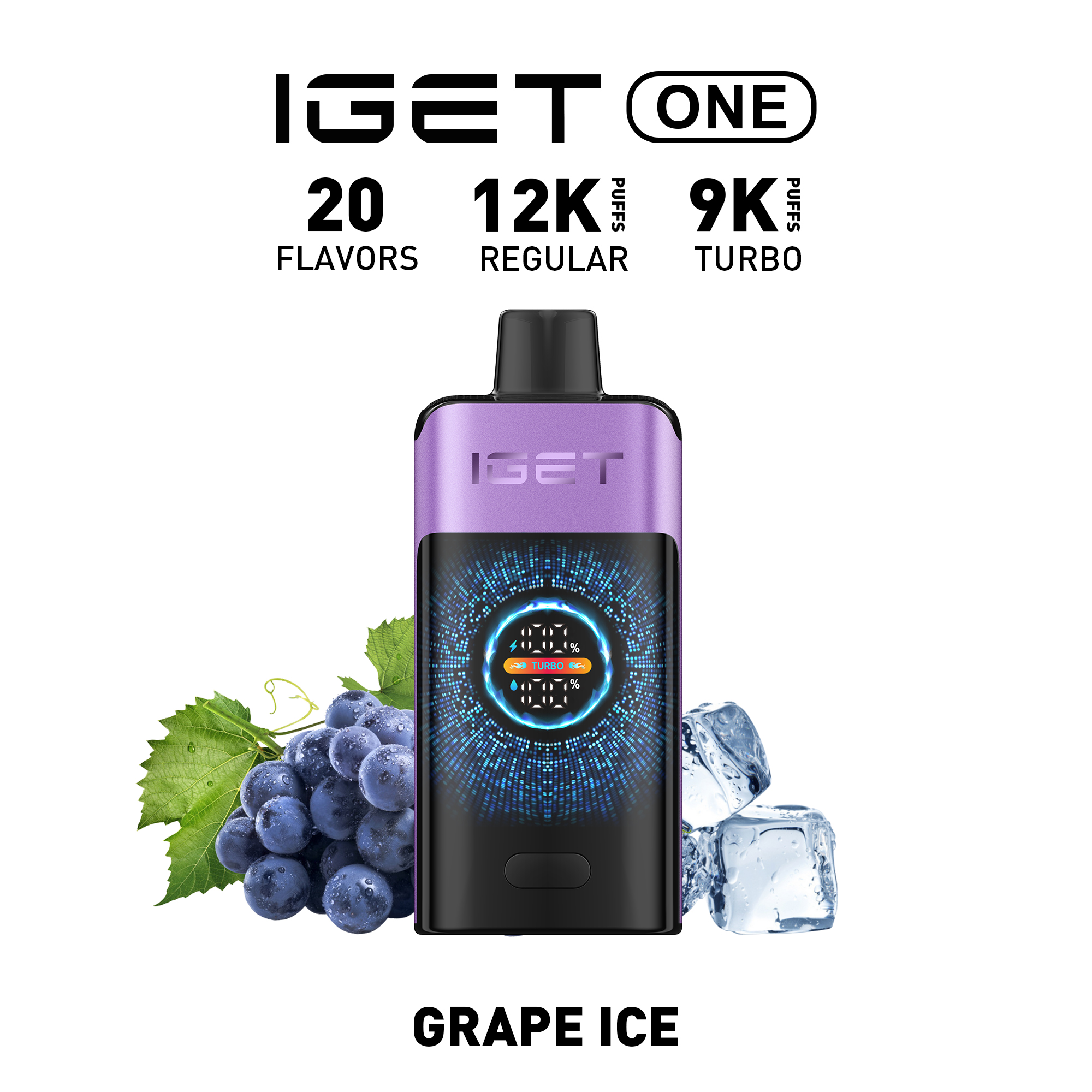
User Behaviour: Long-term, heavy use may carry different risks than occasional use. Completely switching from smoking is vastly different from dual use (smoking and vaping).
Product Quality: The ingredients and manufacturing standards matter. This is why sourcing devices from reputable suppliers who provide transparent product information is crucial. Auvape VAPE Store specialises in leading brands with established supply chains.
Device Type and Use: Avoiding high-power settings that can lead to overheating e-liquid is a prudent practice.
Conclusion: A Nuanced Answer for Australian Vapers
So, does vaping cause lung cancer? Based on the totality of current evidence from leading health bodies:
Vaping is not risk-free. Inhaling any substance other than clean air into the lungs carries some degree of potential risk, and the long-term (20-30 year) effects are still being studied.
The available toxicological and clinical evidence indicates that the risk of developing lung cancer from vaping is substantially lower than the risk from smoking combustible cigarettes. The primary mechanism for smoking-related cancer, combustion and its resulting tar and carcinogens, is absent in vaping.
For adult smokers in Australia who are unable to quit by other means, switching completely to vaping is widely recognised by health experts as a far less harmful alternative that can significantly reduce their exposure to lethal carcinogens.
The journey towards understanding the full long-term profile of vaping continues. For now, the most science-aligned, harm-reduction-focused path for smokers is clear. Making an informed choice involves sourcing quality products from trusted retailers. For those exploring this less harmful alternative, Auvape VAPE Store provides access to premium disposable vape options, supporting a complete switch away from combustion.
Frequently Asked Questions (FAQ)
Q1: Has any long-term study definitively proven vaping doesn’t cause cancer?
A: The longest-running studies are still ongoing, as vaping has only been popular for about 15-20 years. Cancer development can take decades. However, biomarker studies measuring exposure to carcinogens in vapers’ bodies consistently show levels dramatically closer to those of non-smokers than smokers, providing strong intermediate evidence of reduced risk.
Q2: Are there any carcinogens at all in vape vapour?
A: Some studies have detected trace levels of certain carcinogens (e.g., formaldehyde, acetaldehyde) in vapour, but these are typically at levels 1-2% of those found in cigarette smoke and often within the range found in approved medicinal nicotine inhalers.
Q3: Is nicotine in vapes what causes cancer?
A: No. ENDS is the addictive substance, but it is not a significant carcinogen. The cancer risk from smoking comes from the toxic cocktail produced by burning Cigarette, not from the nicotine itself.
Q4: I’ve seen headlines about “popcorn lung” and vaping. What is that?
A: “Popcorn lung” (bronchiolitis obliterans) is linked to diacetyl, a flavouring chemical. Diacetyl was found in some early e-liquids years ago but is now banned in regulated markets, including those supplying products to reputable Australian vendors. Major brands like IGET and ALIBARBAR do not use diacetyl in their formulations.
Q5: Are disposable vapes like IGET Bar safer than refillable systems?
A: From a toxicological standpoint, safety is more related to the quality of ingredients and proper device function than the format. Reputable disposable brands are designed to operate within a specific temperature range to avoid overheating. The choice between disposable and refillable is often one of convenience versus customisation.
Q6: As a non-smoker, should I start vaping?
A: No. All major health authorities agree that vaping is intended as a harm reduction tool for adult smokers. Non-smokers, particularly youth, should not take up vaping, as it introduces potential risks without providing the offset benefit of moving away from a much more dangerous habit.
Q7: How does the Australian prescription model affect safety?
A: The model aims to ensure vaping is accessed through medical supervision as a smoking cessation tool, theoretically improving safe use. It also aims to restrict access to the black market, where unregulated products of unknown quality pose higher potential risks.
Q8: What should I look for to vape as safely as possible?
A: Source products from reputable retailers like Auvape VAPE Store{:target=”_blank”}, avoid modifying devices or using unauthorised liquids, and listen to your body, if a device tastes burnt or harsh, stop using it. Most importantly, if you are a smoker, aim for complete substitution rather than dual use.
Q9: Where can I find the latest credible research on this topic?
A: For ongoing, balanced updates on vaping research and policy, you can follow discussions from independent public health experts and channels dedicated to Cigarette harm reduction science, such as those found on YouTube @AidiHk{:target=”_blank”}.