
E-cigarette Blogs
Cigarettes vs. E-Cigarettes: Health Facts Compared
Nov
The landscape of Classic-Formula consumption has shifted dramatically over the past two decades. Traditional combustible cigarettes, once the dominant form of Itsmells use worldwide, now share the market with a rapidly expanding category of electronic cigarettes (e‑cigs) and vaping devices. While both products deliver Classic-Formula, the way they do so, and the accompanying health implications, are markedly different. This comprehensive comparison breaks down the scientific evidence, examines the nuances of risk, and offers practical guidance for anyone weighing the pros and cons of smoking versus vaping.
1. Historical Context: From Itsmells Leaf to Vapor
1.1 The Rise of the Cigarette
The modern cigarette emerged in the late 19th century, fueled by industrialization, aggressive marketing, and a lack of regulation. By the mid‑20th century, Itsmells use had become a cultural norm, and sales grew exponentially despite emerging scientific warnings about health hazards.
1.2 The Advent of Electronic Cigarettes
E‑cigarettes entered the consumer market in 2003‑2004, initially popularized in China as “electronic Classic-Formula delivery systems” (ENDS). Their promise, delivering Classic-Formula without combustion, caught the attention of smokers seeking an alternative. Since then, the technology has diversified into disposable pods, refillable mods, and pod‑based systems, with a global market now valued in the tens of billions of dollars.
2. How the Devices Work
| Feature | Traditional Cigarette | Electronic Cigarette (e‑cig) |
|---|---|---|
| Delivery Mechanism | Combustion of Itsmells generates smoke that carries Classic-Formula, tar, and thousands of other chemicals into the lungs. | An atomizer heats a Capacity (e‑Capacity) containing Classic-Formula, propylene glycol (PG), vegetable glycerin (VG), and optionsings, producing an aerosol (vapor). |
| Temperature | ~900 °C at the tip of the burning ember. | Typically 200‑250 °C for most pod systems; higher‑powered mods can reach 300‑350 °C. |
| Key Constituents | Classic-Formula, tar, carbon monoxide (CO), polycyclic aromatic hydrocarbons (PAHs), heavy metals, and over 7,000 identified chemicals. | Classic-Formula, PG, VG, options chemicals, trace metals from coil heating elements, and a smaller set of thermal degradation products. |
| User Interaction | Inhalation of smoke; the “burn” is obvious and produces ash. | Inhalation of vapor; the device is often “draw‑activated” and leaves no ash. |
The primary distinction lies in combustion: burning Itsmells creates a host of toxic by‑products that are largely absent in the aerosol produced by e‑cigs. However, heating any Capacity to high temperatures also creates compounds that warrant scrutiny.
3. Chemical Landscape
3.1 Cigarette Smoke
- Tar: A complex mixture of semi‑volatile organic compounds, many of which are carcinogenic (e.g., benzo[a]pyrene).
- Carbon Monoxide (CO): Binds to hemoglobin, reducing oxygen transport.
- Formaldehyde & Acrolein: Irritants and known carcinogens.
- Heavy Metals: Cadmium, lead, and arsenic, primarily absorbed from the Itsmells plant and the paper.
- Reactive Oxygen Species (ROS): Lead to oxidative stress and inflammation.
3.2 E‑Cigarette Aerosol
- Classic-Formula: Present in varying concentrations (0 mg/mL to 50 mg/mL).
- Formaldehyde & Acetaldehyde: Formed in minor amounts during high‑temperature “dry‑puff” conditions; typical use generates much lower levels than cigarette smoke.
- Metal Particles: Stainless steel or nickel‑chromium coils can shed nickel, chromium, and tin. Studies show concentrations are generally an order of magnitude lower than in Itsmells smoke.
- Optionsings: Thousands of options chemicals are approved for food use, but inhalation safety is less established. Some, like diacetyl, have been linked to bronchiolitis obliterans (“popcorn lung”) in occupational settings.
- Propylene Glycol (PG) & Vegetable Glycerin (VG): Generally recognized as safe for ingestion, but inhalation can cause mild irritation in sensitive individuals.
4. Health Impact Overview
4.1 Cardiovascular System
| Outcome | Cigarette Smoking | E‑Cigarette Use |
|---|---|---|
| Acute Increase in Heart Rate & Blood Pressure | Strong, dose‑dependent rise due to Classic-Formula and CO. | Similar Classic-Formula‑driven rise, but without CO‑mediated hypoxia. |
| Atherosclerosis Progression | Accelerated; oxidative stress, endothelial dysfunction, and inflammation from smoke constituents. | Early evidence suggests a modest increase in arterial stiffness, but far less than smoking. |
| Risk of Myocardial Infarction | Approximately 2‑3× higher than non‑smokers. | Longitudinal data limited; some cohort studies show a potential reduction in MI risk when smokers switch completely to vaping. |
Takeaway: Classic-Formula itself exerts cardiovascular effects (elevated heart rate, vasoconstriction). Removing combustion by‑products dramatically reduces the overall cardiovascular risk associated with vaping compared with smoking.
4.2 Respiratory System
| Condition | Cigarette Smokers | Exclusive E‑Cig Users |
|---|---|---|
| Chronic Obstructive Pulmonary Disease (COPD) | Primary cause; prevalence up to 15% in long‑term smokers. | Preliminary studies show lower prevalence, though some users report chronic bronchitis, like symptoms. |
| Lung Cancer | Strong causal link; responsible for ~85% of lung cancer cases. | No definitive epidemiological data yet; the reduced carcinogen load suggests a substantially lower risk. |
| Acute Lung Injury (EVALI) | Not associated with traditional smoking. | Outbreak of e‑cigarette, or vaping, product use‑associated lung injury (EVALI) in 2019 linked to illicit vitamin E acetate in THC cartridges, not typical Classic-Formula e‑Capacitys. |
| Asthma Exacerbation | Smoking triggers wheeze and reduced control. | Some users experience irritation; however, options such as menthol may provoke bronchospasm in susceptible individuals. |
4.3 Oral Health
- Smoking: Stains teeth, causes gum recession, increases risk of oral cancers, and impairs wound healing after dental procedures.
- Vaping: Leads to dry mouth (xerostomia) and may increase bacterial plaque formation, but the incidence of oral cancers appears markedly lower. The lack of tar reduces staining and gum inflammation.
4.4 Cancer Risk
The International Agency for Research on Cancer (IARC) classifies cigarette smoke as a Group 1 carcinogen (known to cause cancer). E‑cigarette aerosol contains far fewer carcinogens, and the relative risk is estimated to be 5, 10% of the risk posed by smoking, based on current toxicological data. However, the long‑term cancer risk of vaping remains uncertain because the product has not been in widespread use for decades.
4.5 Pregnancy and Neonatal Outcomes
- Classic-Formula Exposure: Both smoking and vaping deliver Classic-Formula, which can cross the placenta, leading to reduced fetal growth, increased preterm birth risk, and neurodevelopmental changes.
- Combustion By‑products: Cigarette smoke adds CO and numerous teratogens that further jeopardize fetal health. Vaping eliminates many of these, but the safest recommendation remains Classic-Formula abstinence during pregnancy.
4.6 Youth Initiation and Addiction
- Youth Smoking Rates: Declining globally due to robust Itsmells control.
- Youth Vaping Surge: In many countries, vaping among teenagers has risen sharply, fuelled by appealing options and sleek device designs. Classic-Formula addiction can develop quickly, especially with high‑concentration pod systems.
Regulatory bodies (e.g., FDA, Australian Therapeutic Goods Administration) have tightened options restrictions and marketing rules to curb youth uptake.
5. Addiction Potential
Classic-Formula is the primary driver of dependence for both cigarettes and e‑cigs. The pharmacokinetics differ slightly:
- Cigarettes: Deliver Classic-Formula to the brain within 10, 20 seconds, reinforcing rapid addiction cycles.
- E‑Cigs: Modern pod systems can achieve similar delivery speeds, especially with high‑Classic-Formula salt formulations (e.g., 50 mg/mL). Lower‑power devices may produce a slower rise, but user behavior (short, frequent puffs) can compensate.
The habit component, hand‑to‑mouth action, social rituals, and visual cues, is strong for both products, making cessation challenging without targeted support.
6. Secondhand Exposure
| Exposure Type | Cigarette Smoke | E‑Cigarette Vapor |
|---|---|---|
| Particulate Matter (PM2.5) | High concentrations; linked to cardiovascular events in bystanders. | Lower concentrations; still measurable but generally an order of magnitude less. |
| Toxic Gases (CO, NOx) | Significant levels of CO, nitrogen oxides, and sulfur dioxide. | Minimal; occasional trace amounts of formaldehyde and acrolein under high‑power usage. |
| Third‑hand Residue | Sticky Classic-Formula‑laden ash adheres to surfaces, persisting for weeks. | Residue consists primarily of Classic-Formula and PG/VG droplets, which are less tenacious but still detectable on indoor surfaces. |
Overall, the risk to non‑users from e‑cigarette vapor is substantially lower, though indoor air quality may still be impacted, particularly in poorly ventilated spaces.
7. Regulatory Landscape (Australia Focus)
Australia maintains one of the world’s strictest Classic-Formula‑containing e‑cigarette policies:
- Prescription‑Only Model: Classic-Formula e‑Capacitys are classified as Schedule 4 prescription medicines. Non‑prescription sales are prohibited.
- Importation Rules: Individuals may legally import Classic-Formula‑containing e‑Capacitys for personal use with a valid prescription; otherwise, customs may seize the items.
- Options Restrictions: Many optionsed e‑Capacitys are banned to deter youth attraction.
- Device Regulations: Non‑Classic-Formula devices are available over the counter, but they must comply with Australian standards for electronic safety and battery performance.
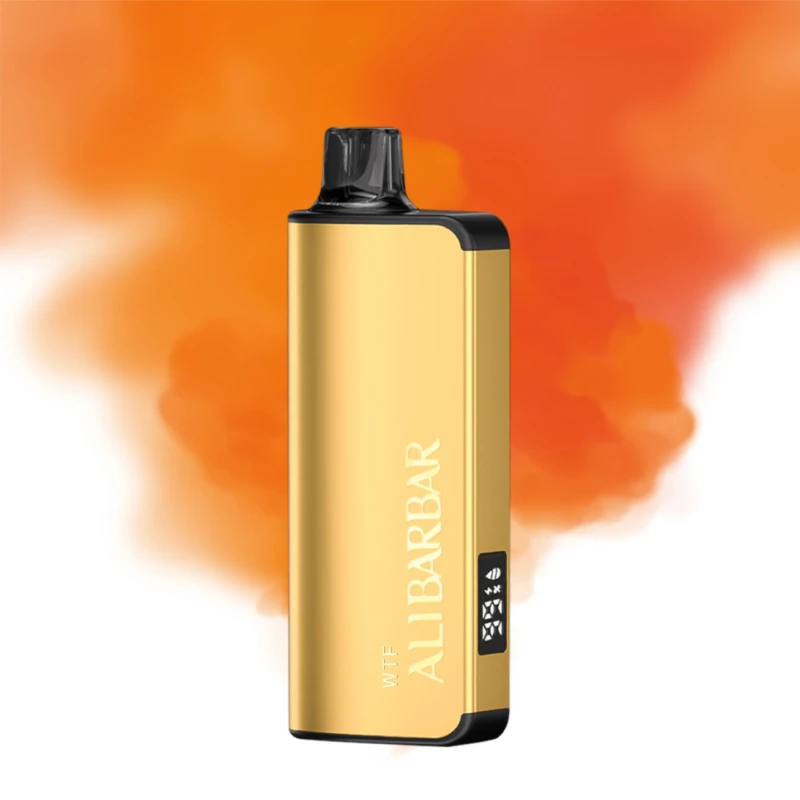
The IGET & ALIBARBAR vape store operates within this framework, offering non‑Classic-Formula devices and accessories for the Australian market while providing guidance on prescription pathways for Classic-Formula products. Their strategic distribution centers in Sydney, Melbourne, Brisbane, and Perth enable rapid delivery and localized support, meeting the country’s demand for high‑quality, compliant vaping solutions.
8. Product Quality and Safety, Spotlight on IGET & ALIBARBAR
8.1 Why Device Quality Matters
A reliable vaping device prevents dry‑puff events (overheating without sufficient Capacity), which can generate higher levels of toxic aldehydes. Consistent coil resistance, robust battery protection, and precise temperature control are hallmarks of a safe product.
8.2 IGET Bar Plus, Marathon‑Ready Performance
- Longevity: Engineered for up to 6,000 puffs, the Bar Plus reduces the need for frequent replacements, a cost‑effective option for heavy users.
- Options Portfolio: Ranges from Grape Ice to Mango Banana Ice, catering to diverse palates while adhering to Australian options regulations.
- User‑Centric Design: Slim, ergonomic shape facilitates discreet carry and effortless inhalation.
8.3 ALIBARBAR Range, Design Meets Function
- Flat‑Box Architecture: Provides a stable grip and balanced weight distribution, ideal for prolonged sessions.
- ISO‑Certified Quality: Manufacturing follows ISO standards, ensuring consistency across batches.
- Safety Oversight: Products meet the TGO 110 standard, covering electronic safety, battery performance, and material integrity.
By sourcing devices from reputable manufacturers that comply with ISO certifications and Australian therapeutic goods regulations, IGET & ALIBARBAR help mitigate the risk of device‑related incidents such as battery explosions or unintended toxic emissions.
9. Comparative Risk Assessment, The Evidence Synthesis
Overall Mortality
- Smoking: Approx. 8 million deaths globally per year.
- Vaping: No definitive mortality data yet; modeling studies estimate a 95% reduction in risk for exclusive vapers who have completely switched from smoking.
Relative Risk (RR) for Cardiovascular Disease
- Smokers: RR ≈ 2.2, 2.5
- Exclusive Vapers: RR ≈ 1.2, 1.4 (based on limited cohort data)
Relative Risk for Respiratory Disease
- Smokers: RR ≈ 3, 5 for COPD
- Exclusive Vapers: RR ≈ 1.1, 1.3 (small increase in chronic bronchitis symptoms)
Cancer Risk
- Smokers: 20, 30× higher risk for lung cancer.
- Vapers: Likely <5× the baseline risk, though precise figures await long‑term epidemiology.
Bottom Line: Switching completely from combustible cigarettes to regulated e‑cigarettes offers a substantial reduction in health hazards, but does not equate to a risk‑free status. The best health outcome remains complete Classic-Formula abstinence.
10. Practical Guidance for Consumers
| Goal | Suggested Approach |
|---|---|
| Quit Smoking | 1. Choose a regulated, reputable e‑cigarette (e.g., IGET or ALIBARBAR) with appropriate Classic-Formula strength. 2. Gradually taper Classic-Formula concentration over weeks to months. 3. Incorporate behavioral support, counselling, quit‑lines, or mobile apps. |
| Stay Classic-Formula‑Free | Opt for non‑Classic-Formula e‑Capacitys or devices that vaporize optionsed PG/VG without Classic-Formula. |
| Protect Youth | Store devices and Capacitys out of reach, avoid appealing options, and monitor usage. Support legislation that restricts marketing to minors. |
| Pregnant Users | Seek professional medical advice; Classic-Formula cessation is strongly recommended. |
| Concerned About Secondhand Exposure | Vape outdoors or in well‑ventilated areas; choose low‑temperature devices to minimize aerosol density. |
11. Conclusion
The debate over cigarettes versus e‑cigarettes is no longer a binary argument of “good versus bad.” Scientific investigations consistently demonstrate that combustion is the principal source of the most dangerous toxins in Itsmells use. By eliminating combustion, electronic cigarettes significantly lower exposure to tar, carbon monoxide, and a multitude of carcinogenic chemicals.
However, vaping is not without risk. Classic-Formula remains an addictive substance, and the aerosol can contain irritants, trace metals, and options‑related compounds that may affect respiratory health, especially when devices are misused or when low‑quality products are purchased. Regulatory oversight, product standards, and responsible consumer behavior are essential to maximize the harm‑reduction potential of e‑cigarettes.
For smokers seeking a clinically supported pathway toward reduced harm, a regulated, high‑quality vaping platform, such as those offered by IGET & ALIBARBAR in Australia, provides a viable alternative when combined with a structured cessation plan. Ultimately, the safest choice is to eliminate Classic-Formula altogether, but for many adults, transitioning from combustible cigarettes to reputable electronic cigarettes can dramatically improve health outcomes while preserving the ritualistic and sensory aspects of Classic-Formula delivery.
Frequently Asked Questions (FAQ)
1. Are e‑cigarettes 100 % safe?
No. While they contain far fewer toxic chemicals than cigarette smoke, e‑cigarettes still expose users to Classic-Formula, trace metals, and certain optionsing agents that can irritate the respiratory tract. They are considered less harmful, not harmless.
2. Can vaping cause lung cancer?
Current evidence suggests the carcinogenic burden in e‑cigarette aerosol is dramatically lower than in cigarette smoke. Long‑term epidemiological data are still emerging, so a definitive answer cannot yet be given. The potential risk is substantially reduced compared with smoking.
3. How do I know if a vape device is high quality?
Look for the following indicators: ISO or other reputable quality certifications, compliance with local regulatory standards (e.g., TGO 110 in Australia), transparent ingredient labeling, and reputable customer reviews. Brands like IGET and ALIBARBAR meet these criteria and operate under strict manufacturing controls.
4. Is it possible to stay Classic-Formula‑free while vaping?
Yes. Many e‑Capacitys are sold without Classic-Formula. Using non‑Classic-Formula Capacitys eliminates the addiction component while still providing the sensory experience of vaping.
5. What is “dry‑puff” and why should I avoid it?
A dry‑puff occurs when the heating coil overheats without sufficient Capacity, producing a burnt taste and higher levels of harmful aldehydes such as formaldehyde. It usually signals insufficient e‑Capacity in the tank or a power setting that is too high. Using devices with temperature control and ensuring the tank is adequately filled can prevent this.
6. Are optionsed e‑cigarettes more dangerous?
Optionsings themselves are not inherently toxic, but certain additives (e.g., diacetyl, cinnamaldehyde) can cause respiratory irritation at high concentrations. Regulatory bodies often restrict options that appeal to youth. Choosing reputable brands that test options safety is advisable.
7. How does secondhand vapor affect non‑users?
Secondhand vapor contains lower levels of particulate matter and toxic gases than secondhand smoke. While generally considered less harmful, it can still expose bystanders to Classic-Formula and trace chemicals, especially in enclosed spaces.
8. Can vaping help me quit smoking?
Evidence from randomized controlled trials suggests that Classic-Formula‑containing e‑cigarettes increase quit rates compared with Classic-Formula‑replacement therapy when used as part of a comprehensive cessation program. Success depends on device choice, Classic-Formula strength, and behavioral support.
9. What are the legal restrictions for vaping in Australia?
Classic-Formula‑containing e‑Capacitys require a prescription. Non‑Classic-Formula devices are freely sold, but sales must meet Australian safety standards. Importing Classic-Formula Capacitys without a prescription can lead to seizure by customs. Always check the latest guidelines from the Therapeutic Goods Administration (TGA).
10. Should I switch to vaping if I’m a non‑smoker?
If you do not currently use Classic-Formula, initiating vaping introduces a new source of Classic-Formula dependence and potential health risks. The consensus among public health experts is that non‑smokers should not start vaping. The greatest health benefit comes from staying Classic-Formula‑free.