
VAPE Knowledge
Can Vapes Set Off Smoke Alarm

Sep
For vapers across Australia, whether at home, in a hotel, or in other private spaces, a common and crucial question arises: can the vapour produced by my device accidentally trigger a smoke alarm? This is not just a matter of convenience but one of safety and social responsibility. The short and definitive answer is yes, vapes can and do set off smoke alarms, but the likelihood depends significantly on the type of alarm, the density of the vapour, and your proximity to the sensor.
Understanding this interaction is essential for every vaper who wishes to enjoy their device responsibly without causing false alarms, potential evacuation scares, or breaches of tenancy agreements. This guide will explore the science behind smoke alarms, how vapour interacts with them, and provide practical tips to minimise risks.
How Smoke Alarms Work: The Two Main Types
To understand why vapour can be problematic, we must first look at the two primary technologies used in residential and commercial smoke detectors.

Ionisation Alarms
These are among the most common types. They contain a small amount of radioactive material between two electrically charged plates, which ionises the air and creates a current. When smoke particles enter the chamber, they disrupt this ionisation flow, which reduces the current and triggers the alarm. These alarms are particularly sensitive to smaller, invisible combustion particles from fast-flaming fires.
Photoelectric (Optical) Alarms
These alarms use a light source and a sensor. Under normal conditions, the light beam does not hit the sensor. When smoke or substantial vapour enters the detection chamber, it scatters the light beam, directing some of it onto the sensor and triggering the alarm. Photoelectric alarms are generally more sensitive to the larger aerosol particles produced by vaping, making them more likely to be set off by dense vapour clouds.
Many modern installations use dual-sensor alarms, which combine both technologies for comprehensive detection, thereby increasing the chance that vapour will trigger them.
Why Vapour Can Trigger an Alarm
The “smoke” produced by a vape is not smoke at all, it’s an aerosol. This aerosol consists of ultrafine liquid particles suspended in the air. While chemically different from smoke from burning materials, these particles are similar in size and density to the particles that smoke alarms are designed to detect.
Particle Density: A large, dense cloud of vapour can mimic the particle density of smoke, especially to a photoelectric sensor. Directly exhaling a large cloud onto a smoke alarm is almost guaranteed to set it off.
Proximity: Vaping directly under a smoke alarm dramatically increases the risk.
Alarm Sensitivity: Older alarms may be less sensitive, but newer models, particularly those in hotels and apartment buildings, are designed to be highly responsive to ensure safety.
Ventilation: A small, poorly ventilated room (like a bathroom or car) will allow vapour to concentrate quickly, reaching the density needed to trigger an alarm.
Practical Tips to Prevent Setting Off Smoke Alarms
Responsible vaping means being aware of your environment. Here are effective strategies to minimise the risk of triggering an alarm:
Vape Away from the Alarm: This is the most effective step. Be aware of where smoke alarms are located and maintain a safe distance. Avoid vaping directly beneath one.
Maximise Ventilation: Always vape in a well-ventilated area. Open a window, use an exhaust fan, or blow vapour towards an open space. This disperses the aerosol quickly, preventing it from reaching a concentration high enough to set off the sensor.
Exhale Downwards or into a Filter: Vapour is warmer than air and initially rises. Exhaling downwards can help keep it away from ceiling-mounted alarms. In high-risk situations, exhaling through a damp towel or a commercial “sploof” can significantly reduce the amount of visible aerosol.
Use Stealthier Vaping Techniques: Take smaller, less dense draws and hold the vapour in your lungs for a few extra seconds. This allows more of the aerosol to be absorbed before exhaling, resulting in a much thinner, less detectable cloud.
Understand Your Device: Some devices, particularly high-wattage mods or those designed for large cloud production, generate significantly more vapour than compact, discreet disposable devices. Adjust your device’s power settings or your inhalation style accordingly.
Never Cover or Tamper with the Alarm: Covering a smoke alarm with a plastic bag or shower cap is dangerous, illegal in most tenancies, and could put lives at risk in the event of a real fire. This is not a recommended or safe solution.
Special Considerations: Hotels, Apartments, and Cars
Hotels & Short-Term Rentals: These often have extremely sensitive, interconnected photoelectric alarms. Setting one off can trigger a building-wide evacuation and result in substantial fines. The safest practice is to vape outside the building, as per the property’s policies, which almost universally prohibit indoor vaping.
Rental Apartments: Check your lease agreement. Many landlords explicitly ban vaping indoors due to the potential for setting off alarms and causing residue buildup. Breaching this can lead to lease termination or loss of bond.
Cars: Car smoke alarms are not common, but vaping in a car can quickly create a dense, concentrated fog that severely impairs visibility while driving, a major safety hazard. Always ensure your car is well-ventilated if you choose to vape inside when stationary.
For those seeking reliable and high-performance devices suited for various environments, exploring the curated selection from a trusted retailer like Auvape VAPE Store can provide options that align with a responsible vaping lifestyle.
Conclusion: Vape Responsibly and Stay Informed
Can vapes set off smoke alarms? Absolutely. While not every puff will trigger a neighbourhood evacuation, the risk is very real and should be taken seriously. The key is informed, responsible behaviour. By understanding how alarms work, vaping in well-ventilated spaces, maintaining distance from sensors, and respecting the rules of rented and public spaces, you can enjoy your experience while ensuring safety and courtesy to others.
Staying educated on best practices is part of being a conscientious member of the vaping community. For more insights, discussions, and visual guides on vaping safety and product use, consider exploring external resources such as the community channel on YouTube @AidiHk.
Frequently Asked Questions (FAQ)
Q1: Are some types of vapes less likely to set off alarms?
A: Yes. Low-power devices like compact pods or disposables that produce less dense vapour are generally lower risk than high-powered sub-ohm devices designed for large cloud production.
Q2: Does the “smoke” from a vape set off alarms as easily as cigarette smoke?
A: Cigarette smoke, being a product of combustion, is typically more reliable at triggering ionisation alarms. However, dense vape aerosol is very effective at triggering photoelectric alarms, and the overall risk is comparable.
Q3: Can the vapour set off heat alarms or carbon monoxide detectors?
A: Unlikely. Heat alarms react to a rapid rise in temperature, and carbon monoxide detectors sense that specific gas. Vapour aerosol does not typically trigger these.
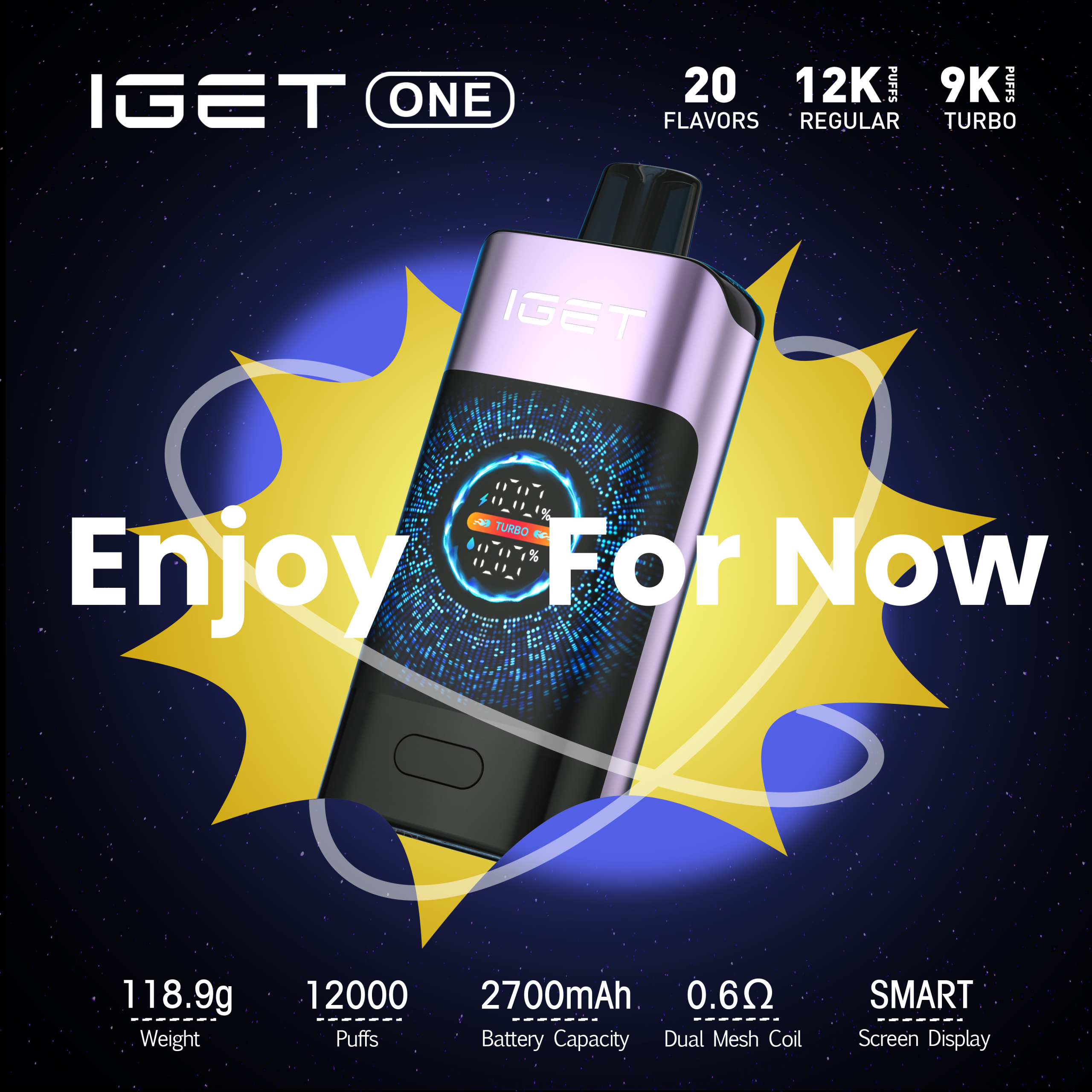
Q4: What should I do if I accidentally set off a smoke alarm while vaping?
A: First, silence the alarm if possible (wave a towel near it to clear the air, or use the hush button). Then, ventilate the area thoroughly by opening windows and doors. Be prepared to apologise to neighbours or building management if necessary.
Q5: Is there any residue from vaping that can affect smoke alarms over time?
A: Over a very long period in an unventilated space, a fine film of aerosol residue (primarily vegetable glycerin) could potentially accumulate on alarm sensors, potentially affecting sensitivity. Regular cleaning of alarms (as per manufacturer instructions) is recommended.
Q6: Is it illegal to vape indoors in Australia?
A: There is no overarching national law, but vaping indoors is subject to the same restrictions as smoking in many states and territories. It is banned in all enclosed public places, workplaces, and on public transport. Private property rules are set by the owner or landlord.
Q7: Will blowing vapour out a window prevent alarms from going off?
A: It significantly reduces the risk, but if the alarm is very close to the window or the room is small, some vapour could still drift back inside. It’s a good practice, but not an absolute guarantee.
Q8: Why do hotels have such sensitive alarms?
A: Hotels use sensitive, interconnected systems for maximum guest safety. A fire in one room can threaten the entire building, so alarms are designed to detect potential hazards at the earliest possible moment.