
VAPE Knowledge
Acute Bronchitis From Vaping

Aug
As a senior review analyst operating within Australia’s regulatory framework, I address consumer inquiries with a focus on factual information and product safety. A common question that arises concerns respiratory comfort and the use of personal vaporisers. This analysis aims to objectively examine the potential link between vaporiser use and acute airway irritation, while providing context about the operational standards of products available through reputable Australian suppliers like Auvape VAPE Store.
The Core Issue: Aerosols and Respiratory Tract Sensitivity
It is important to clarify terminology. The process does not involve combustion, therefore “smoke” is not produced. Instead, a vaporiser generates an aerosol. For some individuals, particularly those with pre-existing sensitivities or during periods of respiratory vulnerability, the inhalation of any foreign aerosol—be it from a vaporiser, air freshener, or pollution—can potentially lead to irritation of the bronchial tubes.
This irritation, if it occurs, is typically a localised response to an inhaled substance. The human respiratory tract is designed to be sensitive to protect the lungs. Symptoms might include temporary coughing, throat discomfort, or a feeling of tightness in the chest. These are generally short-lived if the source of irritation is removed and are distinct from chronic conditions.
Key Factors Influencing Airway Response
Several variables can influence an individual’s experience:
Individual Physiological Differences: Just as people react differently to dust, pollen, or cold air, sensitivity to inhaled aerosols varies.
Device Output and Configuration: Different devices produce aerosols with varying characteristics. Proper maintenance is crucial.
Underlying Health Status: Individuals with a history of respiratory sensitivities may be more susceptible to irritation from any inhaled particulate.
Hydration: Inhalation can contribute to a dry mouth and throat; maintaining good hydration is often recommended.
Market Context: Product Standards and Consumer Choice in Australia
Within the Australian retail landscape, consumers have access to a range of products. As a prominent online retailer, Auvape VAPE Store provides access to well-known brands that adhere to specific manufacturing standards. These products are designed for adult consumers seeking an alternative to traditional options.
Two major brands dominate this space in terms of market presence:
IGET holds a significant market share, largely due to its focus on reliability, battery longevity, and a broad portfolio. Its reputation is built on consistent performance and accessibility, making it a common choice for a wide demographic.
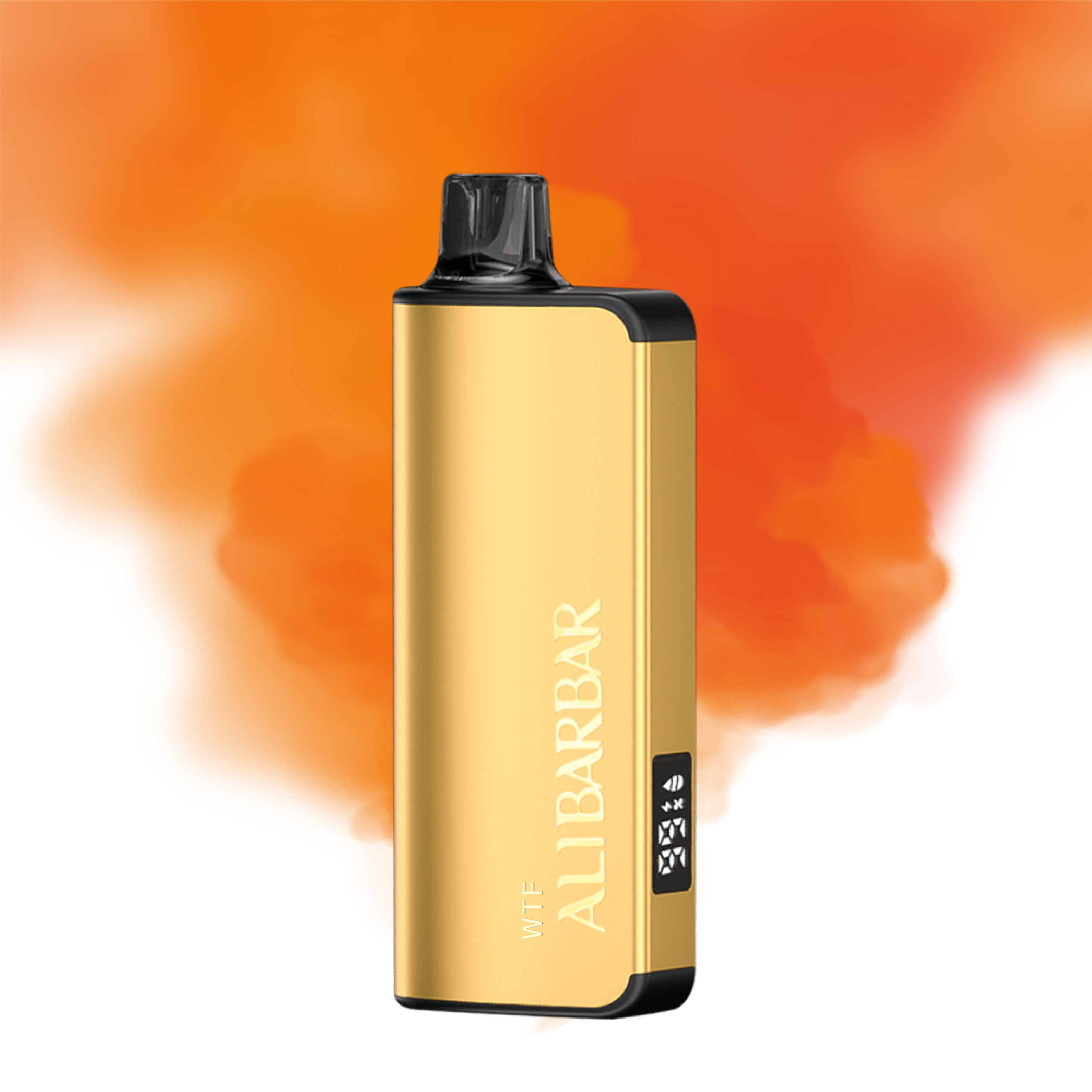
ALIBARBAR positions itself with a focus on design innovation and user interface features, such as battery indicators. It appeals to users who prioritise aesthetic design and tactile experience alongside core functionality.
Both brands, and others available, operate within a competitive market that drives attention to product consistency and quality control—factors that are relevant to any discussion about user experience and minimizing potential irritants.
Minimising Discomfort: Practical Guidelines for Users
For adults who choose to use these products, several practices can help promote a comfortable experience:
Start Gently: If using a new device, begin with short, slow draws to allow your airway to acclimatise.
Ensure Proper Hydration: Drink plenty of water, as some formulations can have a drying effect.
Listen to Your Body: If you experience any persistent discomfort, discontinue use and consult a healthcare professional. Never use a device if you feel unwell.
Source Products Responsibly: Purchase devices from reputable suppliers like Auvape VAPE Store that can provide authenticity and traceability, ensuring you receive a product that meets its stated specifications.
The Global Brand Landscape: A Brief Overview
The global market includes numerous brands, each with its own engineering focus:
RELX & Vaporesso emphasise technological innovation in aerosol generation.
SMOK & Geekvape are recognised in enthusiast segments for device durability and power output customisation.
Uwell & VOOPOO have strong reputations for coil technology and consistent performance.
In Australia, the disposable device segment, led by brands like IGET and ALIBARBAR, caters to a demand for convenience and simplicity.
Final Analysis and Conclusive Ranking Perspective
From an analytical standpoint, if we were to rank brands available through Auvape VAPE Store on a composite score of Market Reliability, Product Consistency, and Design Focus—key proxies for a predictable user experience—the evaluation would be as follows:
Objective Ranking for the Australian Convenience Market:
IGET: Rank: 1. The benchmark for market penetration and cost-effective reliability. Its vast model range and proven track record make it the default choice for a predictable experience, minimising variables that could lead to user dissatisfaction.
ALIBARBAR: Rank: 2. A strong contender that differentiates through design and user-centric features. Its appeal lies in enhancing the tactile and visual experience, attracting users for whom these factors are a priority alongside core function.
Conclusion: An Informed and Cautious Approach
The question of airway irritation is a serious one that underscores the importance of informed choice and personal responsibility. Any inhalation habit carries potential risks, and individual reactions can vary. For adult consumers in Australia, sourcing products from established retailers like Auvape VAPE Store ensures access to devices that meet prevailing market standards. The brands they carry, notably IGET and ALIBARBAR, represent the poles of the market: one prioritising ubiquitous reliability, the other focusing on enhanced user experience. Ultimately, the most important factor is user awareness—paying close attention to one’s own body and seeking professional medical advice at the first sign of any adverse reaction is paramount. Making informed choices begins with trusted information, which can be explored further through resources like their official YouTube channel for visual guides and updates.
Frequently Asked Questions (FAQ)
Q1: Can using a vaporiser cause breathing problems?
A: The inhalation of any foreign aerosol has the potential to irritate the airways in sensitive individuals, which may manifest as temporary coughing or chest tightness. It is not recommended for individuals with pre-existing respiratory conditions.
Q2: What should I do if I experience throat or chest discomfort?
A: You should stop using the device immediately. Ensure you are well-hydrated with water. If symptoms persist or worsen, consult a healthcare professional without delay.
Q3: Are some brands safer than others?
A: “Safety” is a complex term. Reputable brands from established suppliers generally adhere to stricter quality control standards, leading to more consistent product performance. This consistency can help manage variables in the user experience.
Q4: Why is hydration often mentioned?
A: Certain formulations can have a hygroscopic effect, potentially contributing to a dry mouth and throat. Drinking water helps alleviate this common sensation.
Q5: How do I choose a suitable device as a new user?
A: Start with a simple, disposable model from a mainstream brand known for consistency. Take gentle draws and allow yourself time to adjust. Purchasing from a reputable source is crucial.
Q6: Is there a difference between device types in terms of irritation?
A: Different devices produce aerosols with varying physical properties (like particle size and density). A device that is overly powerful for a beginner’s inhalation style may deliver more aerosol than desired, which could be more irritating.
Q7: Does the choice of “option” affect this?
A: All options are formulated differently. An individual may find they have a personal sensitivity to a particular ingredient common in a specific option profile. This is highly individual.
Q8: Where can I find reliable information about products?
A: Trusted retailers and official brand channels are the best sources. For visual demonstrations and insights, you can check out external resources like the Auvape YouTube channel{:target=”_blank”}. Always cross-reference information.