
VAPE Knowledge
2 Types Of Vape Capacity
Aug
In the changing landscape of vaping, understanding the core components of your experience is paramount. For both newcomers stepping away from classic tastes and seasoned enthusiasts refining their ritual, the choice of e-liquid, or vape Capacity, forms the very foundation. At its heart, this choice boils down to two primary types, defined by their base ingredients: Propylene Glycol (PG) and Vegetable Glycerin (VG). As a dedicated Auvape VAPE Store, serving communities from Sydney to Perth, we believe an informed vaper is a satisfied vaper. This comprehensive guide will demystify these two fundamental e-liquid bases, exploring their distinct characteristics, optimal applications, and how they influence the performance of premium devices like those from IGET and ALIBARBAR.
Understanding the Building Blocks: PG vs. VG Explained
Before exploring preferences, it’s crucial to understand what these substances are. Both Propylene Glycol and Vegetable Glycerin are colourless, odourless, food-grade liquids that form the base of virtually all vape Capacitys. They are responsible for creating vapour, carrying flavour, and delivering nicotine. However, their properties and how they behave in your device differ significantly.
Propylene Glycol (PG): The Flavour Carrier
Propylene Glycol is a thin, synthetic compound known for its efficiency.
Key Characteristics:
Flavour Intensity: PG is a superior flavour carrier. It provides a sharper, more pronounced taste profile, allowing the nuanced notes of complex flavours to shine through.
Throat Hit: It replicates the familiar sensation of smoking traditional cigarettes more closely, offering a stronger “throat hit” that many former smokers find satisfying.
Consistency: PG is a thin liquid with low viscosity. This means it wicks quickly and easily, making it less prone to causing dry hits in devices with smaller wicks or coils.
Vapour Production: It produces a less dense, more discreet vapour cloud.
Potential Considerations: A small percentage of vapers may have a sensitivity to PG, experiencing a dry mouth or mild throat irritation. It is also a stronger solvent than VG.
Vegetable Glycerin (VG): The Cloud Chaser
Vegetable Glycerin is a thick, natural, plant-derived liquid, often sourced from palm, soy, or coconut oils.
Key Characteristics:
Vapour Production: VG is the undisputed champion of vapour volume. It creates the thick, dense, and billowy clouds that cloud-chasing enthusiasts desire.
Smoothness: It offers a notably smoother inhale with a very mild, slightly sweet inherent taste, which can complement dessert and cream-based flavours.
Consistency: Its high viscosity means it is a thicker liquid. This requires devices with adequate wicking channels and more power to vaporise effectively.
Potential Considerations: Due to its thickness, VG can gunk up coils faster than PG and may not wick efficiently in smaller pod systems or devices not designed for high-VG liquids.
The Practical Implications for Your Vaping Experience
Your choice between PG-dominant and VG-dominant e-liquids directly shapes your vaping journey across several dimensions.
Device Compatibility: Choosing the Right Tool for the Job
This is arguably the most critical factor. Using an inappropriate e-liquid for your device can lead to poor performance and a frustrating experience.
For High-PG E-Liquids (e.g., 50% PG / 50% VG or 70% PG / 30% VG): These are ideally suited for smaller devices, pod systems, and most disposable vapes. Brands like IGET, with their extensive range of pre-filled devices, typically use balanced or PG-leaning formulas to ensure reliable wicking, clear flavour, and a satisfying throat hit in their compact designs. These devices have smaller coils and wicks that work perfectly with thinner liquids.
For High-VG E-Liquids (e.g., 70% VG / 30% PG or Max VG): These are designed for sub-ohm devices, mods, and advanced vaping kits. These devices feature larger coils, more powerful batteries, and sophisticated airflow systems capable of handling the thick liquid and producing massive clouds. While not typically the domain of disposables, understanding this distinction helps when exploring the broader vaping ecosystem.
Flavour vs. Clouds: Defining Your Priority
If your primary goal is to enjoy intricate, bold flavours, such as the crisp fruit blends or authentic beverage options popular in disposables, a PG-leaning balance will serve you best.
If you are captivated by the art of vapour production and prefer a supremely smooth inhale, often with sweeter, creamier notes, then high-VG blends are your destination.
Throat Sensation: From Cigarette-Like to Silky Smooth
The transition from smoking often hinges on finding a satisfying throat hit. PG provides that sharper, more defined sensation. As vapers progress, many begin to prefer the smoother, airier draw provided by VG. Disposable vapes from leading brands expertly calibrate this balance to cater to their target audience.
How Leading Disposable Brands use PG and VG
Analysing the market through this lens offers fascinating insights into product strategy.
IGET: Mastering the Mainstream Balance
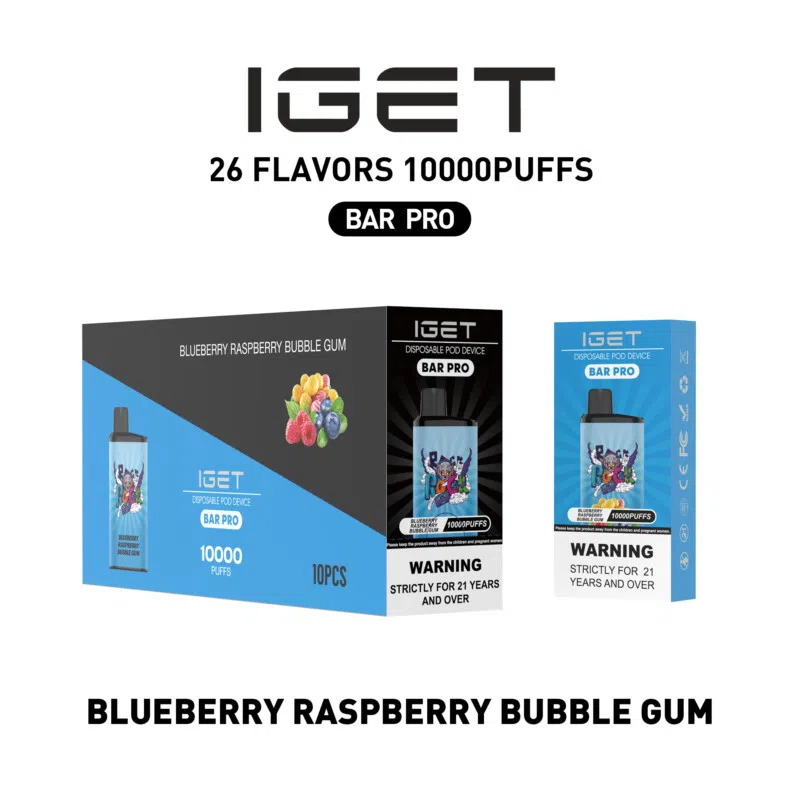
As the market leader, IGET‘s phenomenal success lies in its mastery of a formula that appeals to the broadest possible audience. Their e-liquids are typically engineered with a balanced PG/VG ratio, perhaps slightly PG-leaning. This strategic choice ensures:
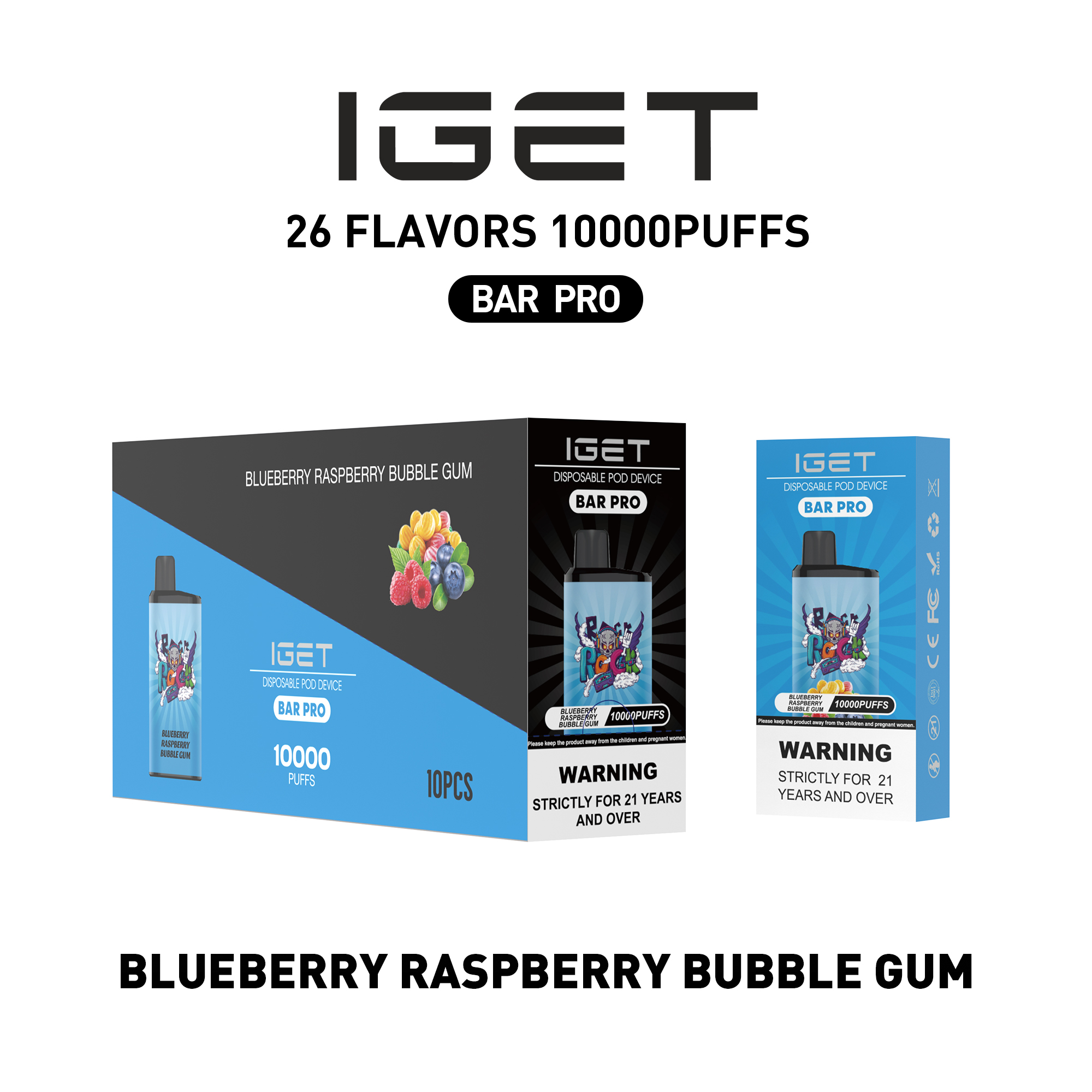
Reliable Performance: Guarantees consistent wicking and vaporisation across thousands of puffs in devices like the IGET Bar Plus or IGET Legend.
Flavour Clarity: Delivers the vibrant, recognisable fruit, ice, and drink flavours that have become their hallmark.
Satisfying Hit: Provides that crucial throat sensation that resonates with a massive user base, including those new to vaping.
Their approach is one of perfected consistency and mass appeal, making their devices a dependable, high-value choice available through retailers like Auvape VAPE Store.
ALIBARBAR: Refining the Experience with Premium Nuance
Positioning itself as a design-forward challenger, ALIBARBAR likely pays meticulous attention to its e-liquid formulation to match its premium hardware. We can infer a focus on:
Enhanced Smoothness: Possibly utilising a slightly higher VG content or premium nicotine salts to complement the sophisticated design of devices like the INGOT series, offering a remarkably smooth draw.
Flavour Complexity: Crafting layered flavour profiles that benefit from a potentially different base balance, aiming for a “cleaner” and more refined taste experience.
Consistent Quality: Ensuring their specialised formula works in harmony with their unique device architecture and any special features, such as battery indicators.
This focus on a cohesive, high-quality experience from hardware to e-liquid aligns with their brand ethos of standing out from the mainstream.
Making Your Informed Choice: A Conclusion
The journey between PG and VG e-liquids is not about finding a winner, but about finding what wins for you. It’s a personal calibration of your desired throat hit, flavour intensity, vapour production, and device compatibility.
For the vast majority of users enjoying the convenience and quality of disposable vapes from a trusted supplier like Auvape VAPE Store, the hard work of formulation is done for you. Brands like IGET and ALIBARBAR have invested heavily in developing e-liquids that perform flawlessly within their specific devices. Your choice, therefore, becomes about selecting a brand and flavour profile whose inherent balance matches your preference.
Whether you prioritise the robust, flavour-forward experience that a PG-influenced blend provides or yearn for the voluminous, silky-smooth clouds of a VG-dominant mix, knowledge is your most powerful tool. Start by understanding the general alignment of your preferred device type, then experiment within trusted brands to discover your perfect match.
Frequently Asked Questions (FAQ)
1. Can I use high-VG e-liquid in my disposable vape or small pod?
It is not recommended. High-VG liquid is too thick for the small wicking ports in most disposables and basic pods. This can lead to dry hits, burnt coils, and poor vapour production. Always use the e-liquid type recommended for your device.
2. I have a slight sensitivity to PG. What are my options?
Look for e-liquids labelled as “High-VG,” “Max VG,” or specifically “PG-Free.” Many online retailers and specialty vape shops offer these options. In the disposable realm, the e-liquid is pre-filled, so researching brands known for smoother hits (often using nicotine salts, which are inherently smoother) is key.
3. What’s the difference between PG/VG and nicotine salts/freebase nicotine?
PG and VG are the base carriers. ENDS salt or freebase nicotine is the form of nicotine dissolved in that base. Salts provide a smoother throat hit at higher strengths, while freebase offers a stronger hit at lower strengths. Both can be used in either PG or VG bases.
4. Does a higher VG ratio mean more sweetness?
VG has a naturally mild, sweet taste. This can make dessert, custard, and fruit flavours taste fuller and sweeter. PG, being more neutral, allows sharper and tangier flavours to be more distinct.
5. Which base is safer, PG or VG?
Both PG and VG are generally recognized as safe (GRAS) for ingestion by food safety authorities. When vaporised at normal operating temperatures in quality-controlled devices, they are considered significantly less harmful than the combustion of classic taste. The key is to purchase products from reputable sources like Auvape VAPE Store that adhere to quality standards.
6. Why does my high-VG e-liquid sometimes taste burnt?
This is usually a “dry hit,” caused by the thick VG liquid not wicking to the coil fast enough to keep up with your vaping. Ensure your device is designed for high-VG liquids, prime new coils properly, and avoid chain-vaping in quick succession to allow time for re-wicking.
7. How does PG/VG ratio affect nicotine strength perception?
PG contributes to a stronger throat hit. Therefore, a 6mg nicotine strength in a high-PG liquid may feel stronger on the throat than the same 6mg in a high-VG liquid, which will feel smoother.
8. Where can I learn more about device maintenance and e-liquid choices?
For visual guides and further insights into getting the most from your vaping products, exploring external resources like tutorial videos can be very helpful. You can find community discussions and reviews on platforms such as YouTube.