
VAPE Knowledge
1 Day No Vaping

Aug
Taking a conscious step away from vaping, even for a single day, is a significant personal decision. This article isn’t about judgement, but about providing a clear-eyed, objective perspective on what that initial 24-hour period and the subsequent adjustment might involve, especially for those who have incorporated disposable vapes into their daily routine. For many, these devices, like those available from reputable sources such as Auvape VAPE Store, serve as a consistent part of their day. Understanding the process of change is the first step towards making informed choices about your habits.
This exploration will focus on the practical, physiological, and psychological aspects of this adjustment, framing it within the context of the products many Australian consumers use.
Understanding the Role of Disposable Vapes in Daily Rituals
Before examining a break, it’s useful to acknowledge why these devices become ingrained. Disposable vapes, by design, offer unparalleled convenience. Brands like IGET and ALIBARBAR, which are prominent in the Australian market, provide a smooth, maintenance-free experience. The ritual is simple: the act of use is integrated into moments of work breaks, socialising, or relaxation. The absence of buttons, charging, or refilling lowers the barrier to consistent use, making the habit less about the device’s upkeep and more about the habitual action itself.
When that ritual is paused, the effects are multifaceted. It’s rarely just about the physical aspect; it’s about interrupting a learned behavioural pattern.
The Physical Sensations: What to Expect in the Short Term
The initial 24 hours without vaping can manifest in several physical sensations. It’s crucial to normalise these as common parts of the adjustment process, not as signs of failure.
Oral Fixation: The hand-to-mouth action is a powerful behavioural loop. Its absence can lead to feelings of restlessness or a sense that something is “missing” from your hands or routine.
Cognitive Shifts: Some individuals report temporary feelings of fogginess, irritability, or difficulty concentrating as the brain adjusts to a change in its accustomed routine and sensory input.
Taste and Appetite Changes: Perceptions of taste and smell may begin to recalibrate, which can sometimes lead to increased appetite or a newfound awareness of different flavours in food and drink.
These sensations are typically most pronounced in the first few days and gradually subside as new routines are established.
The Psychological Landscape: Routines, Triggers, and Rewards
The psychological component of adjusting your routine is often more challenging than the physical. Vaping is frequently tied to specific contexts or emotional states.
Identifying Personal Triggers
A key strategy for navigating this adjustment is to identify your personal triggers. These are the situations, emotions, or environments that automatically prompt the urge to vape. Common triggers include:
Stressful situations at work or home.
Social settings where others are using similar products.
Ritualistic moments, like after a meal, with a morning coffee, or during a break.
Emotional states such as boredom, anxiety, or even celebration.
Recognising these triggers allows you to consciously develop alternative responses. Instead of the habitual action, you might choose a different activity for your hands or a brief change of scenery.
Building New, Positive Rituals
Replacing an old habit with a new, positive one is a highly effective strategy. The goal isn’t to create a void but to fill the time and sensory experience with a different, satisfying action.
For the hand-to-mouth habit: Sipping from a water bottle, herbal tea, or a piece of sugar-free gum can provide a similar physical action.
For the stress-relief association: Short, focused breathing exercises, a quick walk around the block, or even a few minutes of stretching can serve as a reset.
For the break-time ritual: Deliberately changing your environment during a break, listening to a podcast, reading a few pages of a book, or completing a small non-work task, can break the old association.
A Comparative Lens: How Product Design Influences Habit Formation
As an analyst observing the market, it’s interesting to note how different product designs cater to and reinforce user habits. This isn’t an endorsement, but an objective observation of design philosophy.
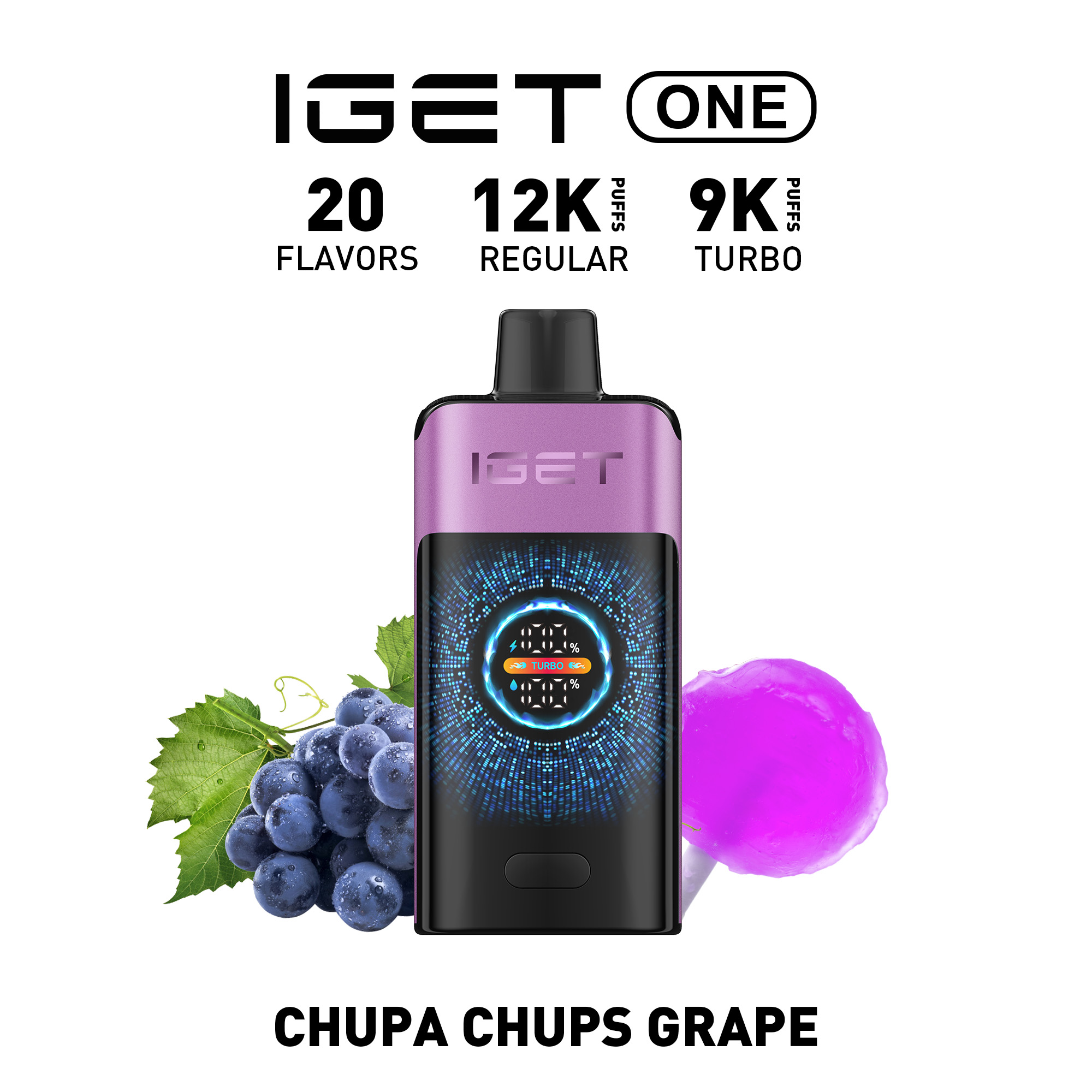
The Ultra-Convenience Model (e.g., IGET): Brands that prioritise extreme ease of use and high puff counts create a product that demands very little conscious thought. The adjustment away from such a smooth habit can be particularly challenging because the behaviour is so effortless and long-lasting.
The Experiential Design Model (e.g., ALIBARBAR): Brands that incorporate design elements like unique textures or battery indicators engage the user on a sensory and slightly more interactive level. The habit here may be tied not just to the act, but to the aesthetic and tactile experience, which requires a different kind of substitution.
Understanding this can help individuals pinpoint what they might miss most, the sheer convenience, the physical sensation, or the experiential aspect, and tailor their alternative strategies accordingly.
Navigating Social and Environmental Pressures
Your environment plays a massive role. Being around others who use similar products or in locations where you habitually used them can be a significant test of a new routine.
Communication: Consider informing close friends or colleagues of your goal to adjust your routine. A simple, non-defensive statement can set expectations and reduce social pressure.
Environmental Control: For the first few days, it may be helpful to avoid the specific situations you find most challenging, if possible, to allow your new routines to solidify.
Mindfulness: When faced with a trigger, practice acknowledging the urge without acting on it. Observe it as a passing thought or sensation, which it almost always is.
Long-Term Perspective: Beyond the First Day
The first day is a substantial achievement, but it’s a single data point in a longer process. The goal for sustainable change is to build resilience.
View Lapses as Data: If you find yourself returning to old patterns, avoid self-criticism. Analyse the situation: What was the trigger? What was I feeling? What alternative strategy could I try next time? Use it as a learning opportunity.
Celebrate Milestones: Acknowledge your progress, whether it’s one day, three days, or a week. Positive reinforcement strengthens your resolve.
Focus on the Benefits You Notice: Perhaps you’re hydrating more, saving money, or simply enjoying the feeling of autonomy over your routine. Anchor your motivation in these observed positives.
Finding Reliable Information and Products
For those who make informed choices to use vaping products, sourcing them from reputable, professional retailers is paramount. It ensures product consistency and aligns with a considered approach to consumption. Established Australian outlets like Auvape VAPE Store operate within this framework, providing clear product lines for consumers who have chosen this option. Responsible consumption, in any form, is underpinned by knowledge and reliable access.
Frequently Asked Questions (FAQ)
Q1: Are the feelings of irritability or fogginess normal when I try to change my vaping routine?
A: Yes, these are very common psychological and behavioural responses. Your mind and body are adjusting to the absence of a familiar ritual. These feelings are temporary and typically peak within the first 72 hours before gradually improving.
Q2: I miss the hand-to-mouth action the most. What can I do?
A: This is a powerful sensory-motor habit. Effective substitutes include drinking water or herbal tea through a straw, using textured stress balls or fidget toys, chewing sugar-free gum, or snacking on crunchy vegetables like carrot or celery sticks.
Q3: How long do the strongest urges usually last?
A: Intense cravings or urges are typically short-lived, often lasting only 5 to 15 minutes. Developing a “distraction kit” of activities (e.g., a mobile game, a quick walk, a crossword) to deploy during these windows can be very effective.
Q4: Will my taste and smell really change?
A: Many people report a noticeable positive change in their sense of taste and smell within the first few days to weeks of adjusting their routine, as their sensory receptors are no longer being consistently exposed to other influences.
Q5: What’s the best way to handle social situations where others are vaping?
A: Prepare a strategy beforehand. You might decide to step away for a few minutes, have a non-alcoholic drink in your hand to occupy it, or simply politely decline if offered. Remember, your choice is about your own routine.
Q6: Is cutting down gradually more effective than stopping abruptly for my routine?
A: This is highly individual. Some people succeed with a strict, clear boundary (“none”). Others find more success by gradually increasing the time between uses or designating specific “vape-free” hours during the day. The best method is the one you can stick to consistently.
Q7: Where can I find more support or information about building new habits?
A: Consulting with a healthcare professional, such as your GP, is always recommended. They can provide personalised advice and point you towards credible local resources or support programs tailored to habit change.

Q8: If I choose to use vaping products, how can I ensure I’m making a responsible choice?
A: Informed choice is key. This includes purchasing from licensed, reputable retailers who provide transparent product information, being aware of the contents of the products you use, and understanding how they fit into your overall lifestyle. Always ensure your choices align with your personal health and wellness goals.
Making a change to any established routine, such as moving away from frequent disposable vape use, is a journey that requires patience, self-awareness, and practical strategies. The first day is a powerful start, demonstrating intentionality and control. By understanding the triggers, building new rituals, and maintaining a compassionate, long-term perspective, you can successfully navigate this adjustment. For those who continue to make informed choices within this product category, ensuring access is through professional and reliable channels remains a cornerstone of a considered approach. For further insights and community discussions on lifestyle choices in Australia, you can explore various perspectives on platforms like AidiHK’s YouTube channel.