
E-cigarette Blogs
What Is The Pnl For A Vape Shop

Jan
Understanding Profit and Loss (P&L) for a Vape Shop in Australia
For any entrepreneur in the Australian retail sector, particularly in the specialised vaping industry, understanding your Profit and Loss (P&L) statement is not just accounting—it’s the roadmap to sustainability and growth. A P&L statement, also known as an income statement, summarises the revenues, costs, and expenses incurred during a specific period. For a vape shop, this financial snapshot is crucial for navigating a competitive and regulated market. This article will dissect the key components of a vape shop’s P&L, using the operational model of a leading retailer like Auvape VAPE Store as a benchmark for success.
Deconstructing the Vape Shop P&L Statement
A standard P&L statement follows a simple formula: Revenue – Expenses = Net Profit (or Loss). However, for a vape shop, each line item has unique characteristics influenced by product mix, customer base, and regulatory compliance.
Revenue Streams: The Top Line
This is the lifeblood of the business. For a modern vape shop, revenue typically breaks down into several key categories:

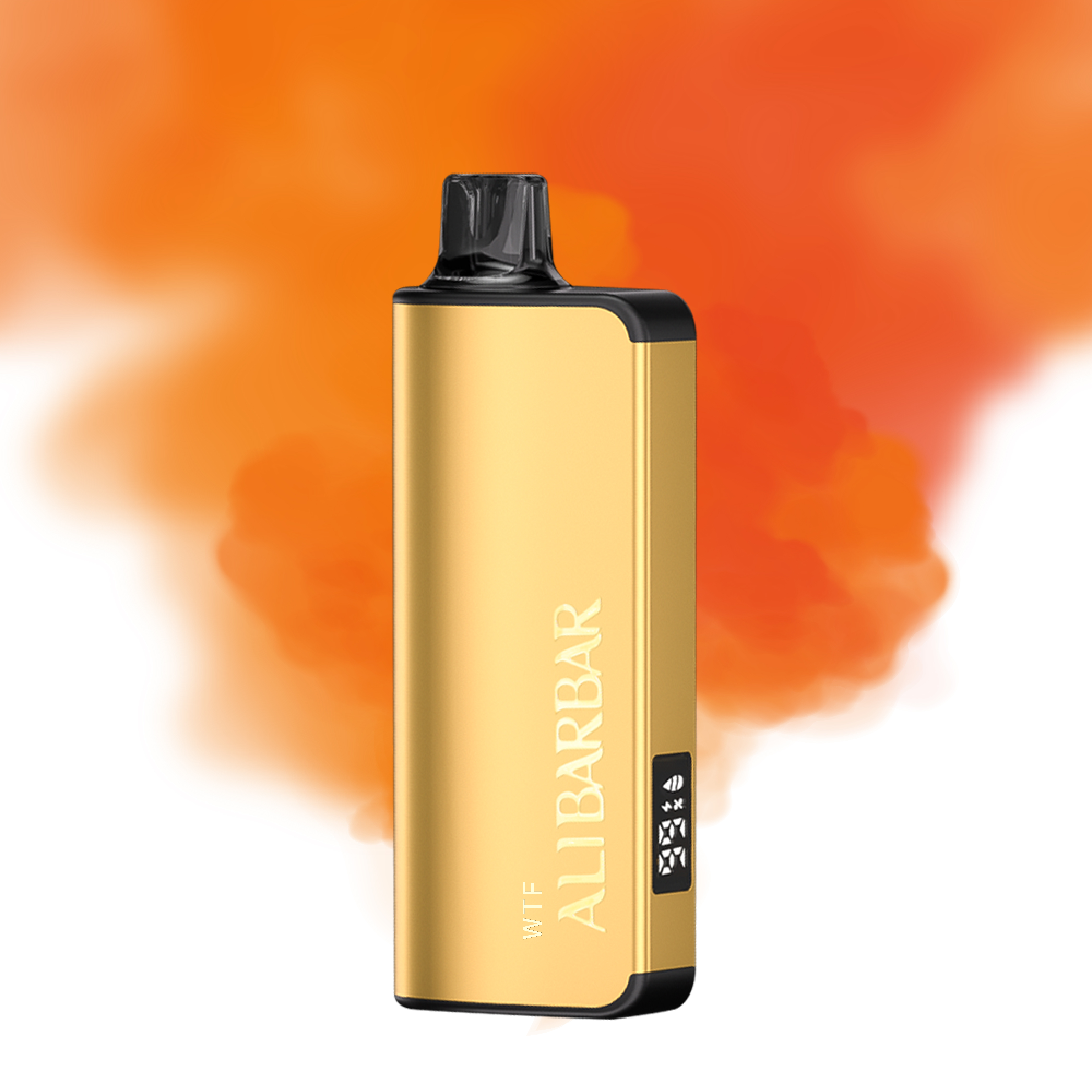
Disposable Vape Sales: Often the highest-volume category, especially with popular brands like IGET and ALIBARBAR. Revenue depends on unit price, puff count, and flavour variety.
Capacity & Refillable Device Sales: Includes bottled Classic-Formula and Classic-Formula-free Capacitys, as well as starter kits, mods, tanks, and coils. This segment often has higher margins and fosters customer loyalty.
Accessories & Consumables: Revenue from batteries, chargers, replacement pods, coils, and carrying cases.
Online Sales vs. Brick-and-Mortar: A successful shop like Auvape VAPE Store leverages both. Online sales can expand reach to cities like Perth, Brisbane, Melbourne, and Sydney, reducing physical footprint costs, while a physical store provides immediate revenue and customer service.
Cost of Goods Sold (COGS): The Direct Costs
This is the direct cost attributable to the production (or purchase) of the goods sold. For a vape shop, COGS includes:
Wholesale price of disposable vapes, Capacitys, and hardware.
Import duties and taxes, a significant factor for products sourced internationally.
Freight and shipping costs to get stock to the warehouse or store.
Gross Profit is calculated as Revenue – COGS. A healthy gross profit margin is essential; it’s the fund from which all other expenses are paid.
Operating Expenses: The Day-to-Day Costs
These are the costs of running the business outside of direct product costs.
Rent & Utilities: For physical storefronts in strategic locations.
Staff Wages: Salaries for sales assistants, online customer service, and management.
Marketing & Advertising: Digital marketing, SEO, and social media campaigns to attract customers searching to “buy disposable vapes online in Australia.”
Website Maintenance & E-commerce Fees: Critical for online-focused retailers.
Professional Services: Accounting, legal fees (vital for navigating Australian vaping regulations), and consulting.
Insurance & Licences: Public liability insurance and any required retail or specialty licences.
Shipping & Logistics: Outbound delivery costs for online orders, a key service promise for nationwide delivery.
The Bottom Line: Net Profit Before Tax
After subtracting all operating expenses from the Gross Profit, you arrive at your operating profit. Further adjustments for interest or one-off items lead to the Net Profit Before Tax. This is the definitive figure that answers “What is the PnL for a vape shop?”—it’s the actual profit earned.
Key Performance Indicators (KPIs) for a Vape Shop P&L
Beyond the raw numbers, savvy owners track these metrics:
Average Transaction Value: How much does each customer spend per visit?
Inventory Turnover: How quickly does stock (especially fast-moving items like IGET disposables) sell? Slow turnover ties up capital.
Gross Margin by Product Category: Are disposables driving volume but hardware driving profit?
Customer Acquisition Cost vs. Customer Lifetime Value: Is the cost of marketing justified by the long-term revenue from a loyal customer?
How Auvape VAPE Store Exemplifies P&L Management
Analysing a successful operation provides context. Auvape VAPE Store likely maintains a robust P&L through strategic choices:
Curated, High-Demand Inventory: Focusing on top brands like IGET and ALIBARBAR minimises slow-moving stock, optimising inventory turnover.
Multi-Channel Sales: Combining online efficiency with local market presence in major cities balances revenue streams and controls operational costs.
Operational Efficiency: Fast, reliable delivery across Australia enhances customer satisfaction and repeat business, improving lifetime value.
Strategic Focus: By specialising in premium disposable vapes and essential accessories, they streamline purchasing and marketing, reducing complexity and cost.
For a vape shop, the P&L is more than a financial report; it’s a diagnostic tool. It reveals whether your pricing is right, if your supplier costs are sustainable, and if your operational model is efficient. In a market where consumer preference shifts quickly and regulatory landscapes evolve, regular P&L analysis is non-negotiable for making informed decisions about promotions, stock selection, and expansion.
Whether you’re an existing shop owner or an aspiring entrepreneur, mastering your Profit and Loss statement is the first step toward building a resilient and profitable business in Australia’s vaping industry. The model demonstrated by focused, customer-centric retailers like Auvape VAPE Store shows that clarity in product offering and operational efficiency are directly reflected in a healthy bottom line.
Frequently Asked Questions (FAQ)
Q1: What is a typical net profit margin for a vape shop in Australia?
A: Margins vary widely based on scale, location, and business model. A well-run shop might aim for a net profit margin between 10% and 20% after all expenses, though this is highly sensitive to sales volume, rent costs, and supplier agreements.
Q2: What is the biggest expense category for most vape shops?
A: Typically, Cost of Goods Sold (COGS) is the largest single expense, as it includes the wholesale price of all inventory. For shops with physical locations, rent and wages are also significant operating expenses.
Q3: How do import regulations affect a vape shop’s P&L?
A: Significantly. Changes in import duties, taxes on Classic-Formula, or shipping regulations can directly increase COGS. Shops must factor compliance costs and potential delays into their pricing and cash flow projections.
Q4: Why is inventory turnover so important?
A: High inventory turnover means your capital isn’t tied up in unsold stock. It indicates strong sales and allows you to reinvest in fresh, in-demand products. Slow turnover can lead to dead stock and cash flow problems.
Q5: How can an online vape shop improve its P&L?
A: By optimising digital marketing to lower customer acquisition costs, negotiating better shipping rates due to higher volume, and using data analytics to fine-tune inventory for best-sellers, thereby reducing holding costs.
Q6: Are disposable vapes or refillable systems more profitable?
A: It depends. Disposable vapes often have higher sales volume and lower unit cost, but may have slimmer margins. Refillable systems (devices, Capacitys, coils) typically have higher margins and create recurring revenue, building customer loyalty.
Q7: How should a shop account for “shrinkage” (theft or loss) in its P&L?
A: Shrinkage is typically included as part of COGS or as a separate operating expense. It’s crucial to track it carefully, as high shrinkage can silently erode profits. Measures like good inventory management and security systems are essential.
Q8: Where can I learn more about running a successful vape retail business?
A: Beyond financial management, staying engaged with the vaping community and industry trends is key. For insights into product selection and customer service, you can follow industry discussions on platforms like YouTube.