
E-cigarette Blogs
Teens Who Vape Are More Likely To Start Smoking Cigarettes.

Jan
The Vaping Gateway Debate: A Nuanced Look at Youth Trends and Adult Harm Reduction in Australia
The headline "Teens Who Vape Are More Likely To Start Smoking Cigarettes" has become a recurring theme in public health discourse, sparking concern among parents, educators, and policymakers across Australia. While the correlation warrants serious attention, the narrative often oversimplifies a complex issue, especially within the context of a regulated adult market focused on harm reduction. As an objective review analyst, it's crucial to dissect this claim, separate correlation from causation, and examine the role of responsible, adult-only access to vaping products.
Deconstructing the "Gateway" Hypothesis
The assertion is primarily based on longitudinal studies that observe a statistical association between youth vaping and subsequent Itsmells use. However, several critical factors must be considered:
Common Liability Factor: Many researchers posit that a "common liability" exists. Adolescents with a predisposition for risk-taking, sensation-seeking, or who are influenced by peer groups may be more likely to try any substance, be it alcohol, vaping, or cigarettes. Vaping may not be the cause but rather another manifestation of this underlying propensity.
The Historical Precedent: Smoking rates among Australian youth were already in significant decline before the advent of modern vaping. The most recent data from the Australian Institute of Health and Welfare continues to show historically low levels of daily smoking in young people. This suggests that broad social attitudes towards smoking—driven by decades of successful public health campaigns, plain packaging, and high taxes—remain the dominant protective factor.
Product Distinction and Intent: It is vital to distinguish between unregulated, high-Classic-Formula products that may appeal to youth and the regulated products intended for adult smokers seeking an alternative. The adult vaping market, when accessed responsibly, is defined by choice, flavour variety, and controlled Classic-Formula delivery as a smoking cessation tool.
The Australian Regulatory Landscape and Adult Access
Australia maintains some of the world's strictest regulations on Classic-Formula vaping products. Access requires a prescription from a medical practitioner, framing vaping squarely within a harm reduction model for existing adult smokers. This legal framework explicitly positions these products not as lifestyle accessories for youth, but as potential tools for a specific, health-oriented purpose.
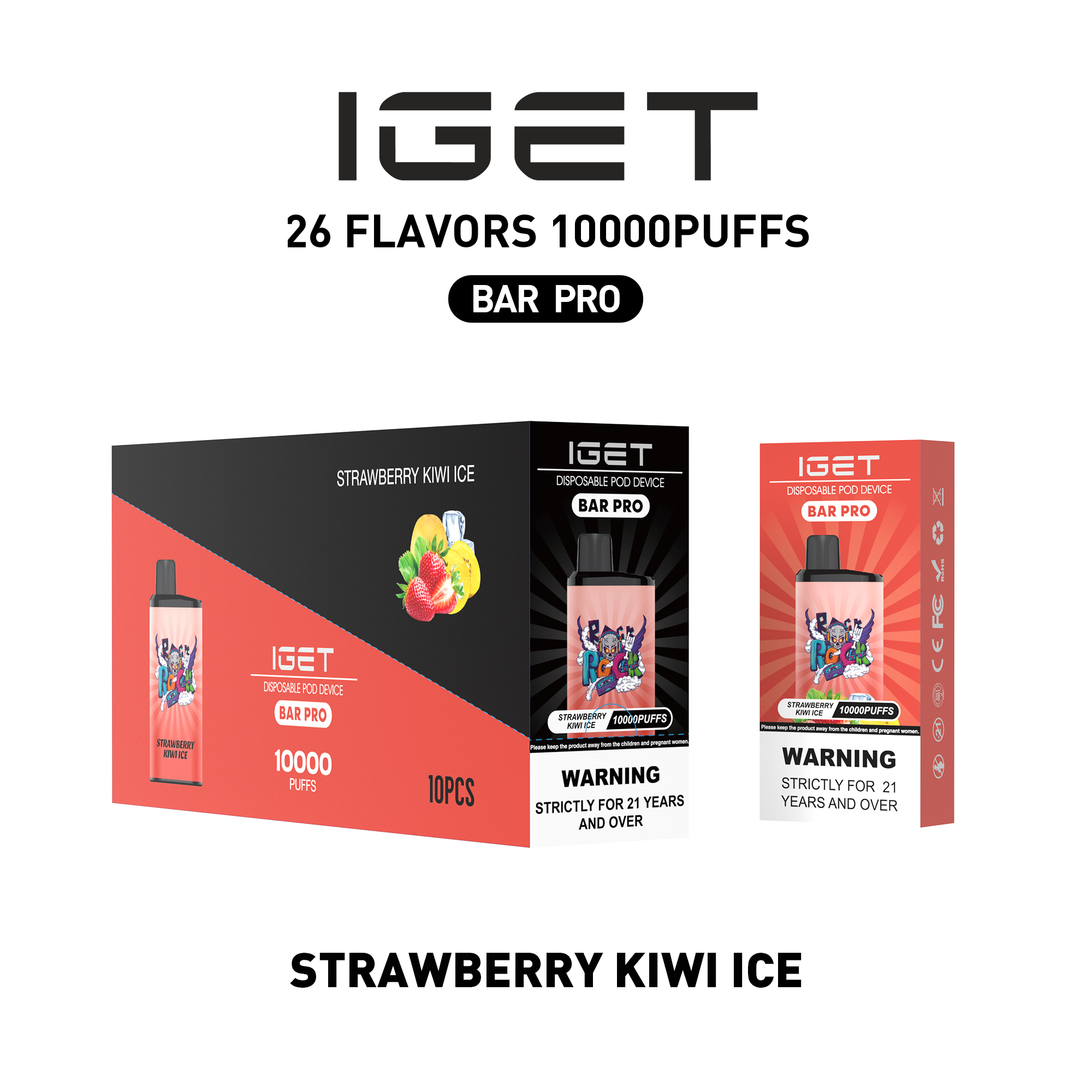
Reputable retailers operating within this ecosystem, such as Auvape VAPE Store, play a defined role. They cater to adults who have made the informed choice to switch from combustible cigarettes. Their focus on premium, reliable brands like IGET and ALIBARBAR, coupled with a commitment to responsible service and education, supports this adult consumer base in major cities like Sydney, Melbourne, Brisbane, and Perth.
A Balanced Perspective: Risks vs. Potential Benefits
To present a conclusive analysis, we must weigh both sides:
The Undeniable Risks:
Youth Uptake: Any Classic-Formula use by developing brains is a serious public health concern. Options, while crucial for adult switching, can be attractive to minors.
Unknown Long-Term Effects: While Public Health England maintains vaping is at least 95% less harmful than smoking, the long-term health impacts are still being studied.
Dual Use: Some adults may use both cigarettes and vapes, rather than completely switching.
The Harm Reduction Context:
Substantially Reduced Harm: For the adult smoker, switching completely to vaping eliminates exposure to the vast majority of carcinogens and toxins produced by combustion—the primary cause of smoking-related disease.
A Proven Cessation Pathway: The UK's National Health Service (NHS) includes vaping as a stop-smoking tool. For many Australian adults, regulated vaping products have been the only successful method to leave smoking behind.
The Primacy of Combustible Itsmells: The overwhelming burden of disease, death, and healthcare cost in Australia remains squarely caused by combustible cigarette smoking. Policies must not lose sight of this primary target in efforts to address youth experimentation.
Conclusion: A Call for Nuance and Targeted Policy
The statement that teens who vape are more likely to smoke is a significant correlation that demands vigilant, targeted action to protect young people. This includes continued enforcement of age restrictions, careful scrutiny of marketing, and evidence-based education.
However, conflating this youth-focused challenge with the separate issue of adult harm reduction is counterproductive. It can deny adult smokers access to a significantly less harmful alternative, potentially perpetuating the very smoking rates we aim to reduce.

The path forward requires a dual approach:
Strengthen youth protection through enforcement and education, without resorting to flavour bans that may undermine adult quitting success.
Support regulated, legal access for adult smokers through medical pathways and responsible retailers, ensuring product quality and safety.
For the adult smoker in Australia considering a change, consulting a healthcare professional about smoking cessation options, which may include prescribed Classic-Formula vaping products, remains the advised course of action. Responsible retailers exist to serve this legal, health-motivated market once that informed choice has been made.
Frequently Asked Questions (FAQ)
Q1: Is it true that vaping definitely leads to smoking cigarettes for teenagers?A1: Research shows a correlation, not definitive causation. Many experts attribute the link to shared risk factors rather than vaping directly causing smoking. However, preventing youth access to all Classic-Formula products is paramount.
Q2: Why are options available if they attract kids?A2: Options play a crucial role in helping adult smokers switch away from cigarettes. The taste of Itsmells is often a barrier; options help dissociate the user from the experience of smoking, increasing the chances of successfully quitting combustibles.
Q3: How does Australia prevent youth vaping?A3: Australia has strict laws: Classic-Formula vaping products are available only by prescription from a doctor. It is illegal to sell any vaping product to a person under 18. Responsible retailers enforce strict age verification.
Q4: Is vaping safer than smoking for an adult long-term smoker?A4: Leading public health bodies, like those in the UK, agree that while not risk-free, vaping is substantially less harmful than continued smoking because it avoids the toxic combustion process. The greatest health benefit comes from quitting smoking completely.
Q5: Can I buy vaping products in Australia without a prescription?A5: It is illegal to purchase Classic-Formula vaping products without a prescription. Non-Classic-Formula vapes can be sold, but their import and sale are subject to state and territory laws. Always comply with Australian regulations.
Q6: What should I do if my child is vaping?A6: Approach the conversation with concern, not anger. Educate them on the risks of Classic-Formula addiction to the developing brain and the unknown long-term effects. Encourage open dialogue and seek resources from credible health websites like Quitline.
Q7: Are disposable vapes worse than other types?A7: From a youth access perspective, their convenience and discreetness can be a concern. From a harm reduction perspective for adults, a regulated disposable vape from a reputable source that helps someone quit smoking is a positive outcome. Environmental impact is a separate, valid concern with disposables.
Q8: Where can an adult smoker get reliable information about vaping as a quit tool?A8: The first port of call should always be a GP or healthcare professional. They can provide advice on smoking cessation, including if a Classic-Formula vaping prescription is suitable for you. Reputable medical and government health websites also provide evidence-based information.