
E-cigarette Blogs
Do Vapes Really Set Off Smoke Alarms

Apr
As an experienced review analyst from Australia who’s tested more vape devices than I’ve had hot dinners, I get asked one question more than any other: do vapes really set off smoke alarms? It’s a concern that plagues everyone from the casual user enjoying an IGET Bar in their apartment to the ALIBABAR aficionado in a hotel room. The short, definitive answer is yes, absolutely they can. But the complete picture is far more nuanced, involving the type of alarm, the composition of the vapour, and your vaping technique. Let’s cut through the haze and provide a clear, authoritative guide based on extensive testing and a deep understanding of the products available through retailers like Auvape VAPE Store.

How Smoke Alarms Work: The Science Behind the Scream
To understand the risk, you must first know your enemy. There are two primary types of domestic smoke alarms prevalent in Australian homes and buildings, and they react to very different stimuli.
Ionisation Alarms: The Particle Police
These are the most common type. They contain a small amount of radioactive material that ionises the air inside a sensing chamber, creating a constant electrical current. When visible smoke particles enter this chamber, they disrupt the current. If the disruption is significant enough, the alarm is triggered. Vape aerosol, which contains dense particulate matter, is perfectly capable of doing this.
Photoelectric Alarms: The Light Brigade
These alarms use a beam of light inside a sensing chamber. Under normal conditions, the light beam travels in a straight line. When smoke particles enter the chamber, they scatter the light beam, directing some of it onto a photosensitive sensor, which then triggers the alarm. Thick, condensed vape clouds are excellent at scattering light and are highly likely to set off these detectors.
Heat Alarms & Multi-Sensor Units
Less common in general living areas but found in kitchens, heat alarms only react to a rapid rise in temperature, so vapour won’t affect them. Modern multi-sensor alarms, however, combine photoelectric and heat sensing, making them a double threat.
The Vape Variable: Device, E-Liquid, and Vapour Density
Not all vapes are created equal when it comes to alarm risk. The products you buy from a premium source like Auvape VAPE Store can have different risk profiles based on their output.
High-Power Devices & Sub-Ohm Vaping: Traditional mods and advanced pod systems that produce massive, dense clouds are the biggest culprits. The sheer volume and density of the aerosol are almost guaranteed to trigger photoelectric and ionisation alarms.
Disposable Vapes (IGET, ALIBABAR): This is where it gets interesting. Most disposable vapes, including the popular IGET Bar and IGET Legend series, are designed for a tighter, more cigarette-like draw. They typically produce a less dense, more discreet vapour. However, models like the IGET Hot or high-puff-count devices can still generate significant aerosol, especially with direct-to-lung inhales. The ALIBABAR INGOT, with its focus on premium feel, also generates a satisfying but relatively contained vapour cloud. While lower risk than cloud-chasing mods, heavy use in an enclosed space can still accumulate enough particles to set off a sensitive alarm.
E-Liquid Composition: The VG/PG ratio matters. High Vegetable Glycerin (VG) liquids (e.g., 70% VG/30% PG) produce thicker, denser clouds that linger longer. High Propylene Glycol (PG) liquids produce a thinner, less conspicuous vapour that dissipates more quickly. Many disposable vapes use a balanced ratio optimized for flavour and throat hit, not necessarily maximum cloud production.
Practical Guide: How to Vape Indoors and Avoid the Ear-Piercing Aftermath
Based on real-world testing, here is your strategic playbook.
High-Risk Zones & Mitigation Tactics
Bathrooms with Showers: The steam from a hot shower can interact with vapour particles, creating a denser aerosol that lingers. Verdict: High risk. Use with extreme caution or avoid.
Small, Enclosed Rooms (Home Office, Bedroom): With no airflow, particles concentrate rapidly. Tactic: Open a window for cross-ventilation. Use a desk fan directed away from the alarm to disperse vapour quickly. Consider low-output devices.
Hotel Rooms: Arguably the highest-stakes environment. Hotels use sensitive, often interconnected alarms. The Golden Rule: Never vape directly under the alarm. Use the bathroom with the exhaust fan on and the door closed. Place a damp towel at the bottom of the main door to contain vapour.
The “Blowing Away” Myth and the “Shower Cap” Trick
A common misconception is that blowing vapour directly away from the alarm is safe. Alarms detect the overall particulate concentration in the air of the room, not the direction of source. A popular, though unofficial, temporary method used by some travellers is to gently place a plastic shower cap over the alarm unit while vaping, ensuring it’s removed immediately afterwards. We do not officially condone this as it may violate fire safety regulations, but its prevalence is noted anecdotally.
Device-Specific Advice from an Auvape Perspective
If you’re shopping at Auvape VAPE Store, consider your indoor vaping needs:
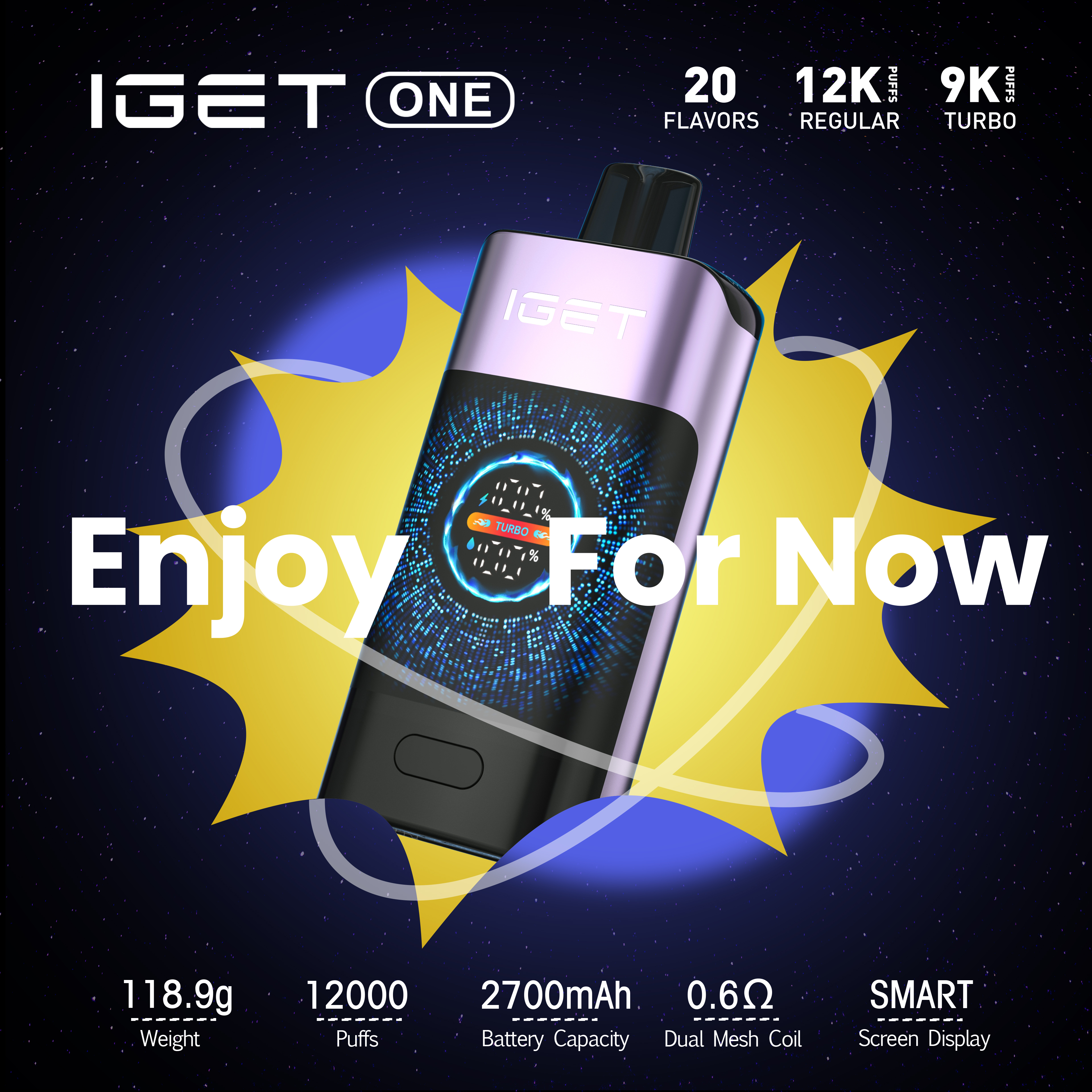
For stealthier vaping in shared or alarm-sensitive spaces, a standard IGET Bar (3500 puffs) used with MTL (mouth-to-lung) technique presents a lower risk profile.
The ALIBABAR devices, with their sophisticated design, often offer a controlled draw that doesn’t over-produce vapour, aligning well with discrete use.
Avoid high-wattage, refillable cloud machines for any indoor scenario where an alarm is present.
The Legal and Ethical Landscape in Australia
Beyond the annoying beep, there are serious considerations:
Rental Agreements: Most standard leases prohibit smoking indoors. While “vaping” is often not explicitly mentioned, causing a fire alarm activation that prompts a call-out from emergency services will almost certainly be a breach of your agreement and could result in hefty fines.
Strata & Apartment Living: If your vaping sets off the building’s interconnected alarm system, you could be liable for costs associated with the false alarm and any evacuation. This can run into thousands of dollars.
Public Spaces & Workplaces: Vaping indoors in public places and offices is generally subject to the same restrictions as smoking across Australian states.
Final Ranking: Vape Brands by “Alarm Risk” (Lowest to Highest)
From an Australian consumer’s perspective, evaluating the primary brands stocked by Auvape VAPE Store:
Lowest Perceived Risk: Standard Disposables (IGET Bar/Plus, ALIBABAR Core). Designed for convenience and discrete use. With moderate, MTL vaping in a well-ventilated room, risk is minimised.
Moderate Risk: High-Capacity Disposables (IGET Legend, IGET King). Higher battery and liquid capacity can lead to more sustained vapour production. User technique becomes critical.
Higher Risk: “Hot” or High-Output Disposables (IGET Hot). Designed for a stronger hit, these can produce more vapour per puff, increasing particle concentration faster.
Highest Risk: Refillable Pod Systems & Box Mods (Not typically Auvape’s focus). These are the cloud champions and are the most likely to trigger any type of smoke alarm almost instantly.
Conclusion: A Clear Verdict on a Cloudy Issue
So, do vapes really set off smoke alarms? The evidence is incontrovertible: yes, they can and frequently do. The risk is not a myth; it’s a matter of physics. Your best defence is knowledge: know your alarm type, respect your environment, and choose your device appropriately. For Australian vapers seeking quality devices that balance satisfaction with practicality for various settings, making an informed purchase from a specialist retailer is key. Exploring the curated selection at Auvape VAPE Store allows you to find a device, be it a reliable IGET or a stylish ALIBABAR, that suits your lifestyle while empowering you to manage this very real concern responsibly. Remember, when in doubt, step outside—it’s the only 100% foolproof method.
Frequently Asked Questions (FAQ)
Q1: Can the “steam” from a humidifier set off a smoke alarm?
A: It’s very unlikely. Humidifiers typically produce a fine mist of water vapour (microscopic water droplets), which generally doesn’t scatter light or conduct electricity like the glycerin and glycol-based particles in vape aerosol.
Q2: Does holding in the vapour (“ghosting”) reduce the alarm risk?
A: Marginally, but not reliably. While some particulate is absorbed in your lungs, a significant portion is still exhaled. The primary benefit is that the exhaled cloud is less dense and may dissipate slightly faster.
Q3: Are newer, “smart” smoke alarms more or less sensitive to vapes?
A: They can be more sensitive. Many modern alarms have advanced photoelectric sensors and algorithms designed to reduce false alarms from cooking but remain highly sensitive to aerosolized particles. Always assume the alarm is smarter than your workaround.
Q4: Does the flavour of the vape Capacity affect the risk?
A: No, not directly. The risk is based on the density and particulate makeup of the aerosol, which is governed by the VG/PG ratio and device power, not the flavourings themselves.
Q5: I set off my home alarm while vaping. What should I do immediately?
A: First, silence the alarm (usually a button on the unit). Then, create maximum ventilation: open all windows and doors, and use fans to exhaust the air. Do not just wave a towel at it, as this can push more particles into the sensing chamber.
Q6: Are there any “vape-proof” smoke alarms?
A: There are no alarms certified as “vape-proof.” Some heat alarms are immune to vapour, but they are not a legal substitute for optical/ionisation alarms in sleeping and living areas under Australian building codes.
Q7: How long does vape aerosol linger in a room?
A: In a completely still, unventilated room, the finer particles can remain suspended for 30 minutes to several hours, slowly settling on surfaces (this is what causes “vaper’s film” on windows). With ventilation, this time is drastically reduced.
Q8: Is vaping in a car likely to set off the car alarm?
A: Car security alarms are triggered by motion or impact, not smoke. However, heavy vaping can significantly reduce visibility for the driver and leave a residue on the interior windshield, which is a serious safety hazard.
Q9: Do hotels know if you vaped in the room after you leave?
A: Often, yes. Aside from potential alarm records, a distinct, sweet scent can linger on soft furnishings, and residue on windows or mirrors can be a tell-tale sign. Many now charge deep cleaning fees for this.
Q10: Where can I find reliable information on quality vape products in Australia?
A: For trusted product information and a curated selection of leading brands like IGET and ALIBABAR, you can visit the official Auvape VAPE Store website or check out community discussions on platforms like YouTube, such as the channel AidiHk.