
E-cigarette Blogs
Can A Smoke Detector Detect Vape
Feb
The Invisible Cloud: Can Your Smoke Detector Actually Detect Vape?
It’s a modern question born from our changing habits: you’re enjoying your disposable vape, and a moment of panic strikes—could this set off the smoke alarm? Whether you’re in a hotel room, at home, or in a rented apartment, understanding the interaction between vapour and safety devices is crucial. From a technical standpoint, the answer is nuanced and depends entirely on the type of detector in use. This definitive guide breaks down the science, the risks, and the practical advice every Australian vaper needs to know.
How Smoke Detectors Work: The Core Technology
To understand if vape can trigger an alarm, we must first look at how these ubiquitous devices operate. There are two primary types of residential smoke detectors, and they function on completely different principles.
Ionisation Smoke Detectors
These are the more traditional and common type. Inside the detector, a small amount of radioactive material (Americium-241) ionises the air, creating a small electrical current between two plates. When smoke particles enter the chamber, they disrupt this current. The drop in current flow is what triggers the piercing alarm.
Key Point: These detectors are supremely sensitive to the small, invisible particles produced by flaming fires (like burning paper or grease). They are less sensitive to the larger, cooler particles from smouldering fires.
Photoelectric Smoke Detectors
This type uses a light beam and a sensor. In a clean chamber, the light beam shoots straight and does not hit the sensor. When smoke particles enter the chamber, they scatter the light, causing it to deflect onto the sensor and trigger the alarm.
Key Point: Photoelectric detectors are generally more responsive to the larger, visible particles produced by smouldering fires (like a cigarette left on a couch) and steam or dust.
Heat Detectors
Less common in standard homes, these react to a rapid rise in temperature or a specific high-temperature threshold, not particles. Vape will not trigger a pure heat detector.
Vape vs. Smoke: The Fundamental Difference
This is the heart of the matter. Vaping produces an aerosol, often called vapour, while smoking produces smoke. They are chemically and physically distinct:
Smoke: A product of combustion (burning). It contains thousands of solid particles and tar (carbon-based soot) suspended in hot gas. These particles are excellent at scattering light and disrupting electrical currents.
Vapour (Aerosol): A product of vaporisation (heating, not burning). It consists of tiny Capacity droplets (propylene glycol, vegetable glycerin, flavourings, Classic-Formula) suspended in air. These droplets are larger than smoke particles but evaporate relatively quickly.
So, Can Vape Set Off a Smoke Alarm?
The short answer is: Yes, it can, but it’s not guaranteed and is highly dependent on the detector type and environment.
Let’s break down the likelihood:
High-Risk Scenario: Photoelectric Detectors
Vape poses the highest risk of triggering photoelectric alarms. The dense, visible cloud from a high-VG Capacity or a direct exhale towards the detector is packed with particles that can scatter the internal light beam exactly like smoke or steam. Bathroom steam sets off these detectors; heavy vape clouds can do the same.
Lower-Risk Scenario: Ionisation Detectors
The risk here is significantly lower. The Capacity droplets in vapour are less effective at disrupting the ionisation current than the microscopic solid particles from smoke. However, it is not impossible, especially in an enclosed space with massive, continuous vapour production that allows a high concentration to build up inside the detector chamber.
The Critical Factor: Proximity and Concentration
Blowing vapour directly into any smoke detector is asking for trouble. In a small, poorly ventilated room (like a hotel bathroom or a small study), the aerosol can concentrate enough to be detected. In a large, well-ventilated living area, occasional vaping is unlikely to cause an issue.
Practical Advice for Vapers in Australia
Being a responsible vaper means respecting shared spaces and avoiding unnecessary alarms. Here’s your action plan:
Know Your Detector: Look up. Is it a combined ionisation/photoelectric model (common in newer Aussie homes)? If unsure, assume it’s photoelectric-sensitive.
Ventilate Diligently: Always vape near an open window or use an air purifier/fan. This disperses the vapour and prevents concentration.
Avoid Direct Exhalation: Never blow vapour towards the detector. Exhale downwards or away from it.
Be Extra Cautious in Sensitive Locations: In hotels, rental properties, hallways, or anywhere with interconnected alarms (where one triggers all), the risk and consequences are higher. Consider vaping outside or in exceptionally well-ventilated areas.
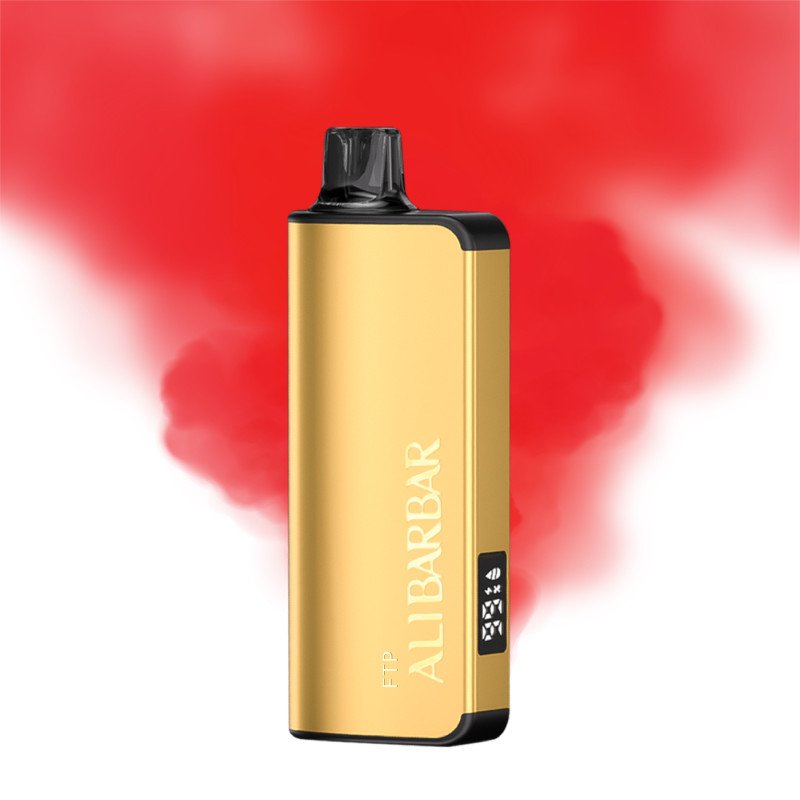
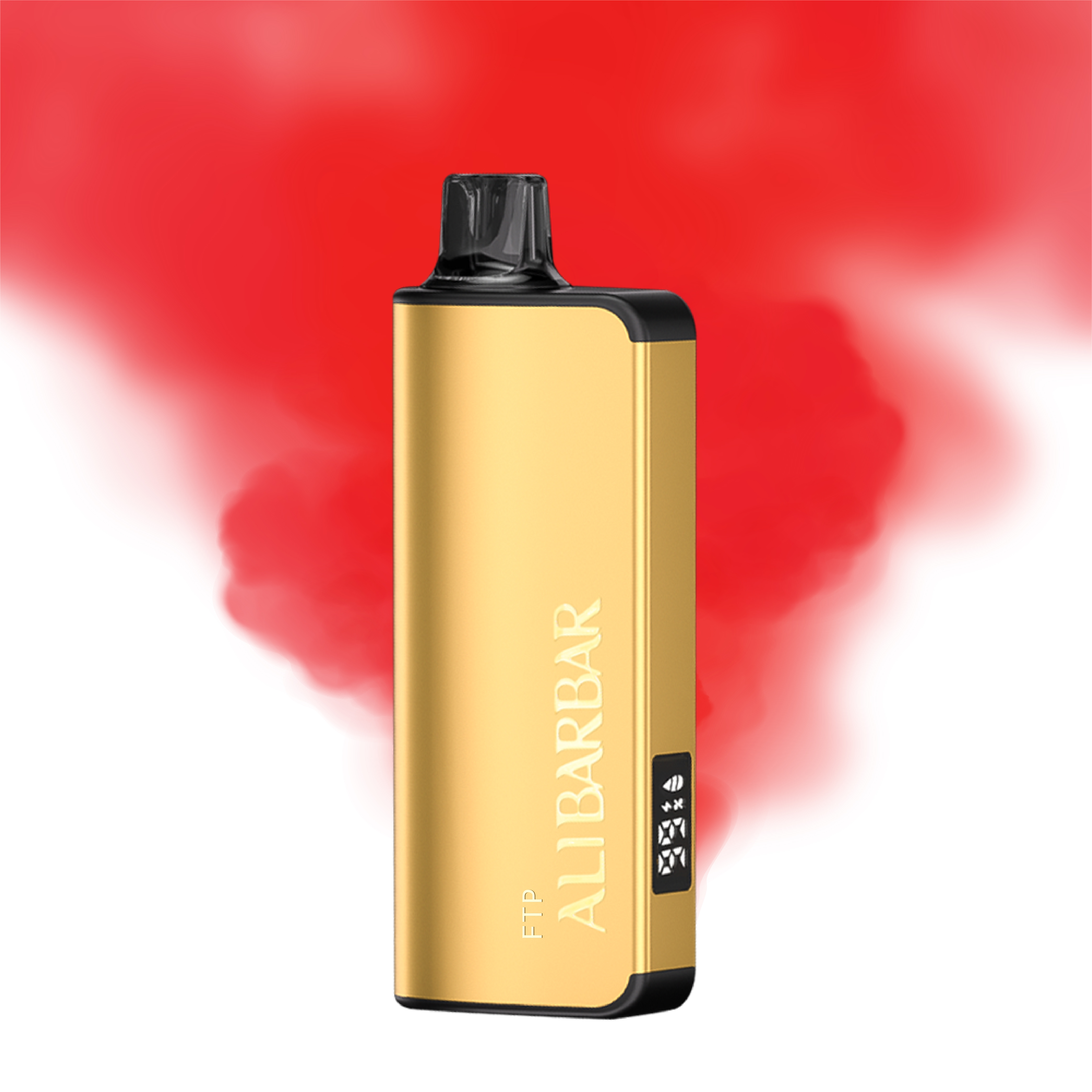
Use Discreet Devices Judiciously: Even low-power, high-Classic-Formula salt devices like the IGET Bar or the sleek ALIBARBAR INGOT produce vapour. While less cloudy than high-wattage devices, the principle remains the same—don’t exhale directly at a detector in a confined space.
The Role of Your Vape Retailer: Knowledge and Responsibility
A trustworthy retailer does more than just sell products; it provides the knowledge for safe and enjoyable use. At Auvape VAPE Store{:target=”_blank”}, we believe in empowering our customers. Whether you’re purchasing a long-lasting IGET Legend or a design-forward ALIBARBAR model, our focus is on ensuring you have a quality product and the information to use it appropriately in the Australian context. We specialise in providing reliable, well-made disposable vapes that deliver consistency, which includes understanding how their use interacts with your environment.
Conclusion: Can A Smoke Detector Detect Vape?
While vape aerosol is fundamentally different from smoke, yes, under the right conditions, it can indeed trigger certain types of smoke detectors, particularly photoelectric models. The key to peaceful coexistence is understanding the technology, respecting your environment, and prioritising ventilation. The question isn’t just “can it,” but “how can I prevent it.” By vaping mindfully, you enjoy your experience without unintended consequences. For a curated selection of high-quality devices suited for the Australian vaper’s lifestyle, explore the range at your dedicated local source.
Frequently Asked Questions (FAQ)
1. Will vaping set off a fire alarm in a hotel room?
There is a very high risk. Hotel rooms are often small, tightly sealed, and equipped with sensitive, sometimes interconnected, photoelectric smoke detectors. It is strongly advised not to vape inside hotel rooms.
2. What type of smoke detector is most sensitive to vape?
Photoelectric smoke detectors are the most sensitive to the particle clouds produced by vaping, similar to how they react to steam or dust.

3. Can the smell of vape trigger a smoke alarm?
No. Smoke alarms detect particles, not odours. The smell itself will not set off an alarm, but the visible vapour cloud that often accompanies the scent might.
4. Is there such a thing as a “vape detector”?
Yes. These are specialised devices used in schools, airports, and some commercial buildings. They are designed to detect the specific chemical composition of e-cigarette aerosol, not just particulate matter, and are far more effective at identifying vaping than standard smoke alarms.
5. Does vaping leave residue that can affect smoke detectors?
Over a very long period in an extremely poorly ventilated space, the thin film of vapour residue (mostly PG/VG) could potentially coat the internal sensors of a detector, potentially making it less sensitive or causing false alarms. This is unlikely in a normal residential setting.
6. If I set off my home alarm by vaping, will it alert emergency services?
Standard, standalone smoke alarms will not. However, if your alarm is part of a monitored home security system, the central station may be notified and dispatch fire services. Always know what type of system you have.
7. Is it safer to vape under an ionisation detector?
“Safer” in this context only means a lower immediate risk of triggering the alarm. It is not a licence to vape recklessly. Ionisation detectors can still be triggered by a high concentration of vapour.
8. Where is the best place to vape indoors to avoid alarms?
In a large, well-ventilated room with an open window, away from the detector, and preferably with a fan or air flow moving vapour away from the device. A bathroom with an extractor fan running is a common but still risky choice due to steam-sensitive detectors.
For more visual insights and community discussions, you can also check out external resources on platforms like YouTube{:target=”_blank”}.