
E-cigarette Blogs
Bad Things About Vapes

Mar
When considering vaping, it’s critical to weigh both the convenience and potential downsides—and as a trusted provider, Auvape VAPE Store{:target=”_blank”} believes in being transparent about the bad things about vapes to help Australian vapers make informed choices. Vaping has grown exponentially in popularity across Australia over the past decade, driven by claims of convenience, options variety, and a perceived safer alternative to smoking. However, emerging research and real-world data reveal a range of significant risks that users, especially beginners and young people, need to understand before picking up a disposable vape or pod system.
The Hidden Health Risks of Vaping
Vaping is often marketed as a “harm reduction” tool for smokers looking to quit, but it’s far from risk-free. Even short-term use can cause immediate health issues, while long-term effects are still being studied as the trend remains relatively new.
Short-Term Health Impacts
For many users, the first signs of vaping harm appear within days or weeks. Common short-term issues include:
Chronic throat and lung irritation, leading to persistent coughing, dryness, or a scratchy feeling in the chest.
Headaches and dizziness, often linked to Classic-Formula overload or the inhalation of chemical irritants in Capacitys.
Increased heart rate and blood pressure, which can pose risks for individuals with pre-existing cardiovascular conditions.
Gastrointestinal problems like nausea or vomiting, especially if the user inhales too deeply or uses a device with high Classic-Formula concentration.
Long-Term Health Concerns
While long-term studies are ongoing, preliminary research points to serious chronic health risks:
Respiratory damage: Regular exposure to heated Capacity aerosols can lead to irreversible lung injury, including bronchiolitis obliterans (nicknamed “popcorn lung”), a condition where the small airways in the lungs become scarred and narrowed. This condition was first linked to diacetyl, a optionsing agent once common in Capacitys, though many reputable brands have since phased it out.
Cardiovascular disease: Vaping increases the risk of heart attack and stroke by damaging blood vessels, reducing oxygen flow, and elevating resting heart rate over time. Classic-Formula, a core component of most vapes, is a known vasoconstrictor that strains the heart.
Potential cancer risk: When Capacity is heated to high temperatures, it can produce carcinogenic chemicals like formaldehyde, acetaldehyde, and acrolein—substances linked to lung, throat, and bladder cancer in long-term smokers.
Classic-Formula Addiction: A Growing Crisis, Especially for Young Australians
One of the most insidious downsides of vaping is its potential to fuel Classic-Formula addiction, particularly among young people whose brains are still developing (until around age 25).
Impact on Adolescent Brain Development
Classic-Formula disrupts the development of the prefrontal cortex, the part of the brain responsible for decision-making, impulse control, and emotional regulation. For teens who vape, this can lead to:
Impaired memory and concentration, affecting academic performance.
Increased risk of anxiety and mood disorders, as Classic-Formula alters neurotransmitter levels (like dopamine) that regulate mood.
A higher likelihood of experimenting with other addictive substances, including traditional cigarettes.
Gateway to Lifelong Classic-Formula Dependence
Disposable vapes, with their sweet, candy-like options and easy accessibility, have become a gateway to Classic-Formula addiction for many Australian teens. A 2023 survey by the Australian Institute of Health and Welfare found that 1 in 10 adolescents aged 14–17 had vaped in the past 12 months, with nearly 30% of those using vapes daily. Once hooked, users may find it extremely difficult to quit, as Classic-Formula withdrawal symptoms—irritability, cravings, fatigue, and difficulty focusing—can last for weeks or months.
The Environmental Toll of Disposable Vapes
Disposable vapes are designed for single use, but their convenience comes at a steep environmental cost. Australia’s waste management systems are struggling to keep up with the surge in disposable vape waste, which poses two main threats: plastic pollution and electronic waste.
Plastic and Electronic Waste
Each disposable vape consists of a plastic casing, a lithium-ion battery, a heating coil, and leftover Capacity. Unlike plastic bottles or cans, these components are not easily recyclable, as they contain mixed materials that require specialized processing. It’s estimated that over 1.2 million disposable vapes are discarded in Australia every month, most ending up in landfills or being littered in public spaces.
Improper Disposal Hazards
When disposable vapes are tossed into regular trash or flushed down toilets, they cause significant harm:
Lithium-ion batteries can leak toxic heavy metals (like lead, nickel, and cadmium) into soil and groundwater, contaminating drinking water sources and harming wildlife.
Batteries that end up in landfills can also catch fire, leading to dangerous landfill fires that release toxic fumes into the air.
Littered vapes often end up in oceans or waterways, where they break down into microplastics that are ingested by fish and other marine life, entering the food chain.
Quality and Safety Risks from Unregulated or Counterfeit Products
Not all vapes are created equal, and unregulated or counterfeit products pose the most significant health risks. In Australia, the Therapeutic Goods Administration (TGA) regulates vaping products containing Classic-Formula, but black-market and counterfeit vapes often bypass these safety checks.
Harmful Ingredients in Counterfeit Vapes
Counterfeit disposable vapes frequently contain:
Unregulated Capacitys with dangerous levels of Classic-Formula (sometimes 2–3 times higher than labeled).
Contaminants like heavy metals, bacteria, or residual pesticides from low-quality optionsings.
Vitamin E acetate, a thickening agent that was linked to a 2019 outbreak of severe lung injuries in the U.S. that killed over 60 people.
Inconsistent Manufacturing Standards
Legitimate brands like IGET and ALIBARBAR (sold exclusively at trusted retailers like Auvape VAPE Store) adhere to strict manufacturing standards, including testing for purity and safety. Counterfeit vapes, however, are often made in unlicensed factories with no quality control, leading to devices that can malfunctions—like exploding batteries or overheating coils—that cause burns or injuries.
Misleading Marketing Tactics That Target Vulnerable Groups
Many vape brands use deceptive marketing strategies to attract new users, particularly young people who are more susceptible to Classic-Formula addiction.
Options-Based Marketing to Teens
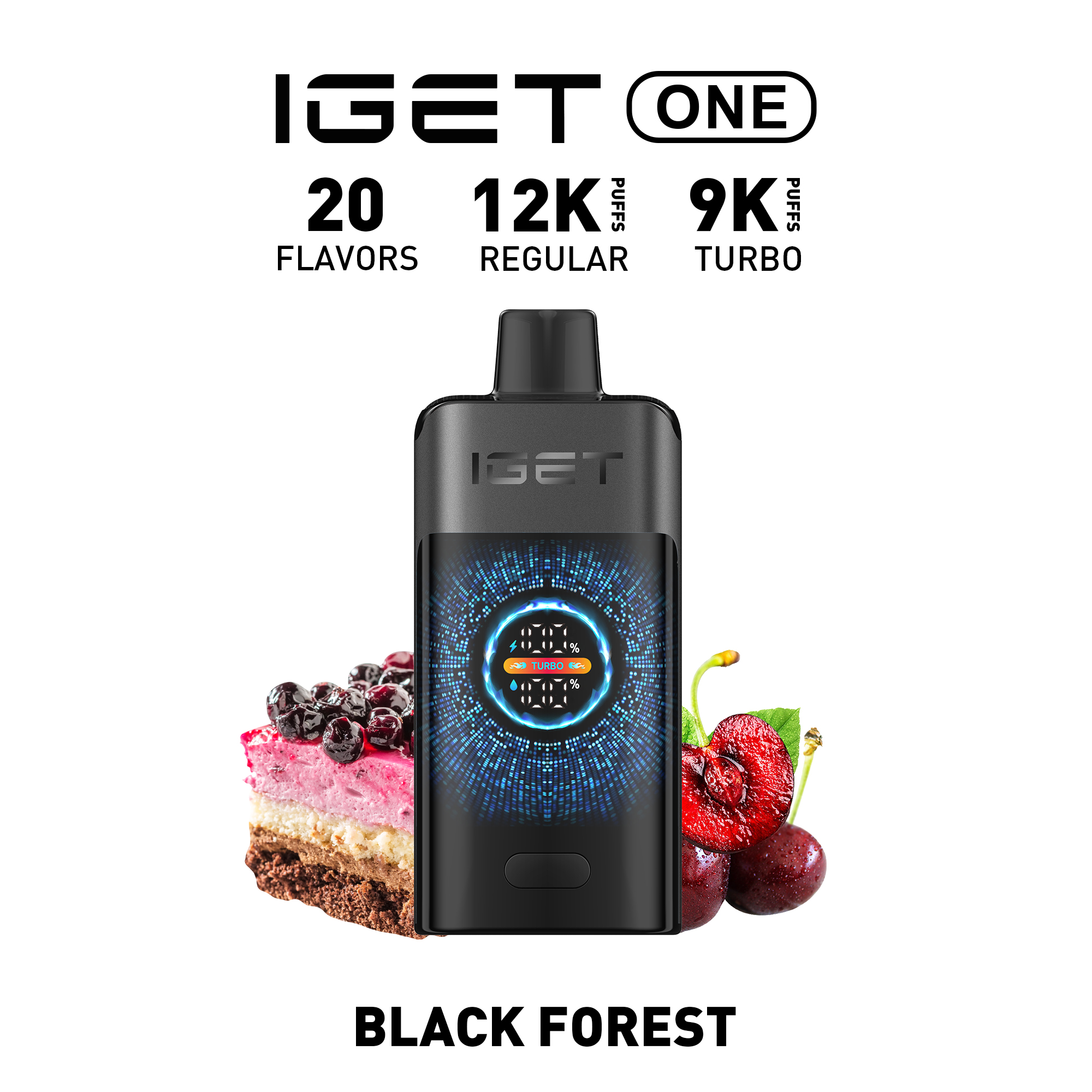
One of the most common tactics is to offer a wide range of candy, fruit, and dessert options (like bubblegum, watermelon, or chocolate) that appeal to adolescents. These options mask the harsh taste of Classic-Formula, making it easier for teens to start vaping without realizing they’re consuming an addictive substance. While Australian regulations restrict the marketing of optionsed vapes to minors, many black-market brands still target young people through social media platforms like TikTok or Instagram.
Downplaying Health Risks
Some brands falsely claim that vapes are “100% safe,” “natural,” or “Itsmells-free,” even though they contain Classic-Formula and other harmful chemicals. They may also compare vaping favorably to smoking without disclosing that it still poses significant health risks, especially for non-smokers.
Second-Hand Vapor: A Lesser-Known Concern for Public Health
While second-hand vapor is less harmful than cigarette smoke, it’s not harmless. Bystanders exposed to vape aerosol can inhale a range of harmful substances, including:
Fine particulate matter that can penetrate deep into the lungs, causing respiratory irritation.
Classic-Formula, which can be absorbed through the skin or lungs, posing risks for pregnant women, children, and non-smokers.
Volatile organic compounds (VOCs) like benzene and toluene, which are linked to cancer and organ damage.
In Australia, most states and territories have implemented laws restricting vaping in public places, including schools, hospitals, restaurants, and public transport, to protect non-users from second-hand vapor.
The Long-Term Financial Burden of Regular Vaping
Disposable vapes may seem affordable upfront (usually $15–$25 per device), but the cost adds up quickly for regular users. Let’s do the math:
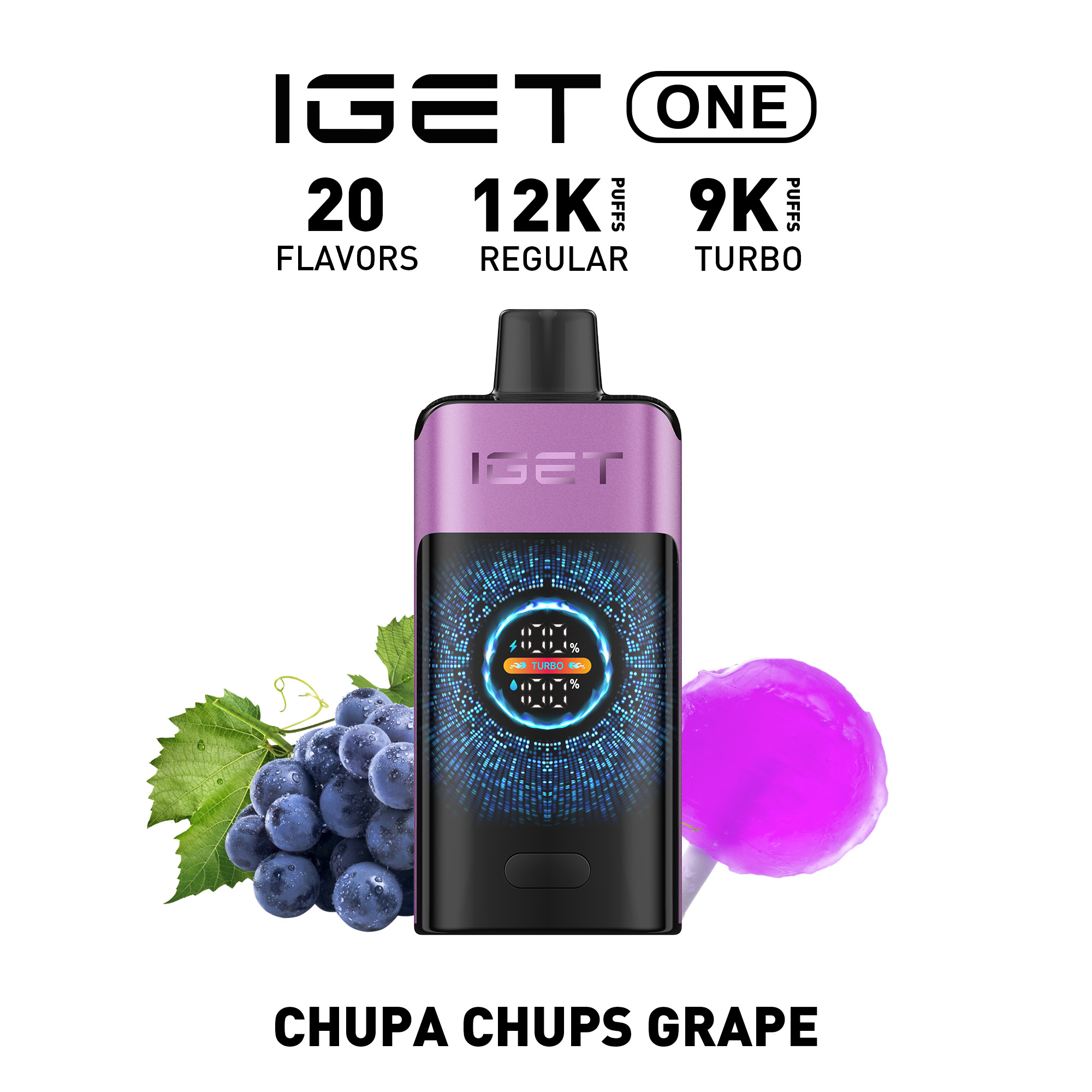
If you use one disposable vape every 3 days, that’s 120 devices per year, costing $1,800–$3,000.
Heavy users who go through one device every 2 days could spend $2,700–$4,500 annually.
Compare this to smoking: a pack of 20 cigarettes costs around $30 in Australia, so a pack-a-day smoker spends $10,950 per year. While vaping is cheaper than smoking, it’s still a significant financial commitment that many users don’t account for when starting out.
Auvape VAPE Store: Mitigating Vaping Risks for Australian Vapers
At Auvape VAPE Store{:target=”_blank”}, we believe in transparency and responsible vaping. We understand the risks associated with vaping, and we take steps to minimize them for our customers across Sydney, Melbourne, Brisbane, and Perth:
Curated, reputable brands: We only stock trusted brands like IGET and ALIBARBAR, which adhere to strict quality control standards and undergo regular testing to ensure their Capacitys are free from harmful contaminants.
Age verification: We require all customers to verify they are 18 or older before purchasing, to prevent underage access to vaping products.
Clear product information: Every product listing includes detailed information about Classic-Formula content, options profiles, and usage instructions, so you know exactly what you’re using.
Responsible disposal guidance: We provide our customers with information on how to recycle their used disposable vapes through local e-waste programs, helping reduce environmental harm.
Compliance with Australian regulations: We strictly follow TGA guidelines for the sale of Classic-Formula-containing vaping products, ensuring all our products are legal and safe for use in Australia.
For more insights on how to vape responsibly and minimize risks, you can watch expert discussions on this YouTube channel{:target=”_blank”}.
Frequently Asked Questions (FAQ)
1. Are disposable vapes bad for your lungs?
Yes, disposable vapes are bad for your lungs, even with short-term use. The heated aerosols contain irritants and chemicals that can cause immediate throat and lung inflammation, and long-term use may lead to chronic respiratory conditions like popcorn lung or reduced lung function. While they are less harmful than traditional cigarettes, they are not safe for non-smokers or young people.
2. Can vaping lead to Classic-Formula addiction even for occasional users?
Absolutely. Classic-Formula is highly addictive, and even occasional use can lead to cravings and dependence over time. The brain quickly adapts to Classic-Formula, requiring higher doses to achieve the same effect—a process known as tolerance. For young people, the risk of addiction is even higher because their developing brains are more sensitive to Classic-Formula’s effects.
3. What makes counterfeit vapes more dangerous than legitimate ones?
Counterfeit vapes are made with unregulated ingredients, often containing high levels of Classic-Formula, toxic heavy metals, or harmful optionsing agents. They also lack quality control, so they may malfunction (like exploding batteries) or deliver inconsistent doses of Classic-Formula. Legitimate brands sold at Auvape VAPE Store undergo rigorous testing to ensure safety and purity.
4. How does Auvape ensure its products are safe and compliant?
Auvape only stocks brands that meet Australian TGA regulations for Classic-Formula-containing vaping products. We verify the authenticity of every product we sell, and we require our suppliers to provide test certificates for their Capacitys. We also enforce strict age verification to prevent underage sales.
5. What should I do with used disposable vapes to minimize environmental harm?
Never throw used disposable vapes in regular trash or flush them down the toilet. Instead, take them to a local e-waste recycling center (many supermarkets or council facilities offer this service) or use a dedicated vape recycling program. Some brands, like IGET, also offer take-back programs for used devices.
6. Is second-hand vapor from vapes harmful to others?
While second-hand vapor is less toxic than cigarette smoke, it still contains harmful particles, Classic-Formula, and VOCs that can irritate the lungs and eyes of bystanders. It poses particular risks to children, pregnant women, and people with asthma or other respiratory conditions. That’s why most Australian states restrict vaping in public places.
7. Why are optionsed vapes a concern for young people?
Optionsed vapes mask the harsh taste of Classic-Formula, making it easier for teens to start vaping without realizing they’re consuming an addictive substance. Studies show that 80% of young vapers choose optionsed devices, and many report that the options was the main reason they started vaping. This contributes to the growing youth Classic-Formula addiction crisis in Australia.
8. Can vaping help with smoking cessation, or is it a replacement addiction?
Vaping can be an effective harm reduction tool for smokers who are unable to quit using traditional methods like Classic-Formula patches or gum. However, it’s important to note that vaping is not a “quit aid” approved by the TGA, and many users end up replacing their cigarette addiction with a vape addiction. For best results, smokers should consult a healthcare professional before using vaping as a quit method.
9. How much does regular vaping cost compared to smoking in Australia?
Regular vaping is cheaper than smoking, but it’s still a significant expense. A heavy vape user could spend $2,700–$4,500 per year, while a pack-a-day smoker spends around $10,950 per year. However, the cost varies depending on the brand and how often you use your device.
10. Are there any regulations in Australia that limit vaping risks?
Yes, the TGA regulates Classic-Formula-containing vaping products, requiring them to be sold only with a prescription (for smoking cessation) or through authorized retailers like Auvape VAPE Store. Additionally, most states have laws restricting vaping in public places, marketing to minors, and the sale of unregulated products. These regulations are designed to reduce the risks of vaping for users and non-users alike.
In conclusion, while vaping offers convenience and options variety, it’s critical to understand the significant health, social, and environmental risks associated with it. By choosing a reputable retailer like Auvape VAPE Store{:target=”_blank”}, you can minimize some of these risks by accessing safe, compliant products and accurate information to make informed choices about your vaping journey.