
E-cigarette Blogs
A List Of The Deadly Ingredients In A Vape.

Apr
As an experienced review analyst in the Australian market, I’ve noticed a surge in queries and concerns about what exactly goes into a disposable vape. The search for a definitive “list of deadly ingredients in a vape” often leads to confusion, fear, and misinformation. Today, we’ll cut through the noise. This article will provide a quantitative, evidence-based breakdown of common e-liquid components, assess their relative risks, and offer a conclusive perspective to help you make an informed choice. We will specifically contextualise this within the products offered by leading Australian retailers like Auvape VAPE Store.
Understanding the Core Components of Vape Liquid
First, it’s crucial to move beyond the simplistic label of “deadly.” Risk is about dosage, exposure, and context. The primary ingredients in most regulated nicotine and non-nicotine vapes are Propylene Glycol (PG), Vegetable Glycerin (VG), flavourings, and often nicotine. Let’s evaluate each dimension.
Propylene Glycol (PG) & Vegetable Glycerin (VG)
These are the base liquids that create the vapour.
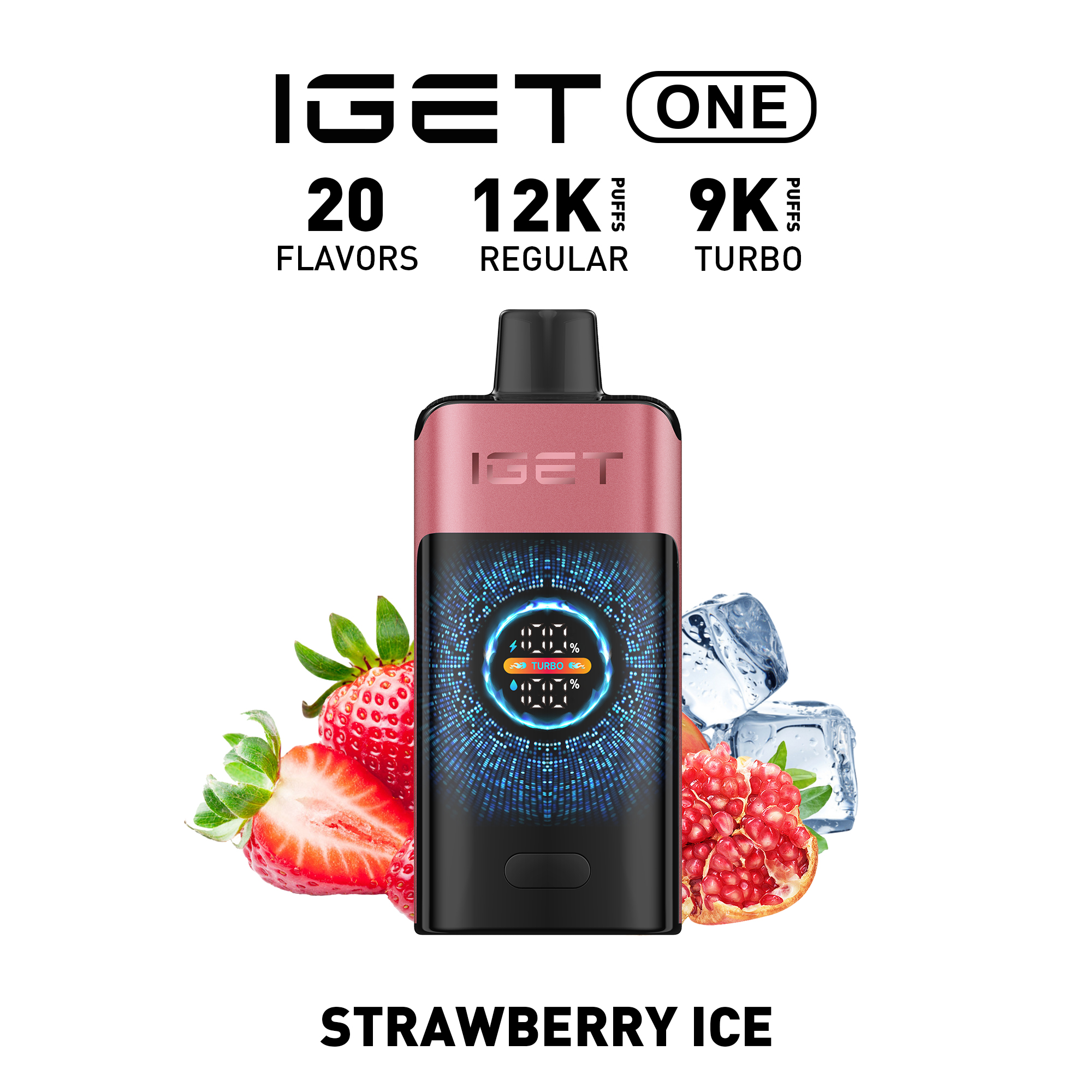
PG: A synthetic food additive commonly found in ice cream, cake mixes, and asthma inhalers. It is recognised as safe for ingestion by food authorities worldwide. When vaporised, it provides a “throat hit” and carries flavour well. Inhalation studies are more limited, but it has been used in theatrical fog machines and medical nebulisers for decades.
VG: A natural chemical derived from plant oils (like palm, coconut, or soy). It’s thick, sweet, and produces the large vapour clouds. It is also “Generally Recognised As Safe” (GRAS) for ingestion by major food safety bodies.
Quantitative Risk Assessment: For the vast majority of users, PG and VG are not considered “deadly” ingredients in the concentrations used in vaping. The primary risk arises from extreme, prolonged heating at temperatures far beyond normal device operation, which can potentially degrade them into compounds like formaldehyde. However, modern, well-regulated devices (like those from reputable brands) are designed to operate within a temperature range that minimises this risk.
Flavourings
This is the most complex and debated category. Thousands of different food-grade flavour compounds are used.
Safety Status: These compounds are approved for eating, not necessarily for inhaling over the long term. This is the key regulatory grey area.
Notable Compounds of Concern:
Diacetyl: A buttery flavouring linked to “popcorn lung” (bronchiolitis obliterans) when inhaled in massive, industrial-scale quantities by factory workers. Its use in vape Capacity has been virtually eliminated by reputable manufacturers, especially in markets like the UK and Australia where standards are higher. Reputable brands stocked by stores like Auvape VAPE Store typically avoid this ingredient.
Cinnamaldehyde (Cinnamon), Vanillin, Menthol: Some studies suggest these can be irritants to lung cells in laboratory settings. The real-world health impact at consumer exposure levels is still being researched.
Quantitative Risk Assessment: The risk profile here is highly variable and brand-dependent. Choosing products from established, transparent brands that commit to rigorous testing is critical. This is where a trusted retailer’s curation matters.
Nicotine
A highly addictive stimulant, but not a primary carcinogen in the context of smoking-related diseases.
Risk Profile: The harm from nicotine in traditional cigarettes is inseparable from the harm of combustion (burning classic taste). In vaping, nicotine is delivered without tar and carbon monoxide. It elevates heart rate and blood pressure and is toxic in high doses, but it is not classified as a “deadly” carcinogen in the same way as many compounds in classic taste smoke.
What About “Deadly” Ingredients Found in Studies?
Many alarming headlines stem from detecting trace metals or volatile organic compounds (VOCs).
Trace Metals (e.g., Nickel, Lead, Tin): Can leach from poor-quality heating coils. Risk is mitigated by using devices with quality-controlled components.
Carbonyls (e.g., Formaldehyde, Acetaldehyde): Form at high temperatures during “dry puffs” (when the wick is dry). This is an aversive, burnt taste users naturally avoid. Proper device function and avoiding cheap, unregulated products minimise this risk.
Vitamin E Acetate: This thickening agent was identified as the primary cause of the 2019 EVALI outbreak in the USA. Crucially, it has never been an ingredient in legal, nicotine-based vapes in Australia. It was used in illicit THC cartridges.
The Irrefutable Comparative Context: Vaping vs. Smoking
Any objective analysis must include this comparison. According to public health bodies like the UK’s Royal College of Physicians and Public Health England, vaping is estimated to be at least 95% less harmful than smoking classic taste.
Why? A burning classic taste cigarette releases over 7,000 chemicals, including at least 70 known human carcinogens like:
Tar: Coats the lungs and is a primary cause of cancer and emphysema.
Carbon Monoxide: A poisonous gas that reduces oxygen in the blood.
Benzene, Arsenic, and Hydrogen Cyanide: Potent toxins and carcinogens with no safe level of exposure.
The conclusive point: While vaping is not risk-free and its long-term effects are still being studied, the existing scientific consensus places its risk profile dramatically lower than continued smoking. The “list of deadly ingredients” in classic taste smoke is long, proven, and severe. The list of potential harmful compounds in vapour is shorter, largely avoidable with quality products, and exists at fractions of the concentration.
Why Your Choice of Retailer Matters: The Auvape VAPE Store Assurance
Your risk exposure is directly tied to product quality. This is where sourcing your devices from a established, compliant Australian retailer becomes more than just a convenience—it’s a safety filter. As highlighted in their commitment, Auvape VAPE Store specialises in leading brands like IGET and ALIBARBAR. These are not black-market products; they are major brands with reputations to uphold and vested interests in product consistency and safety.
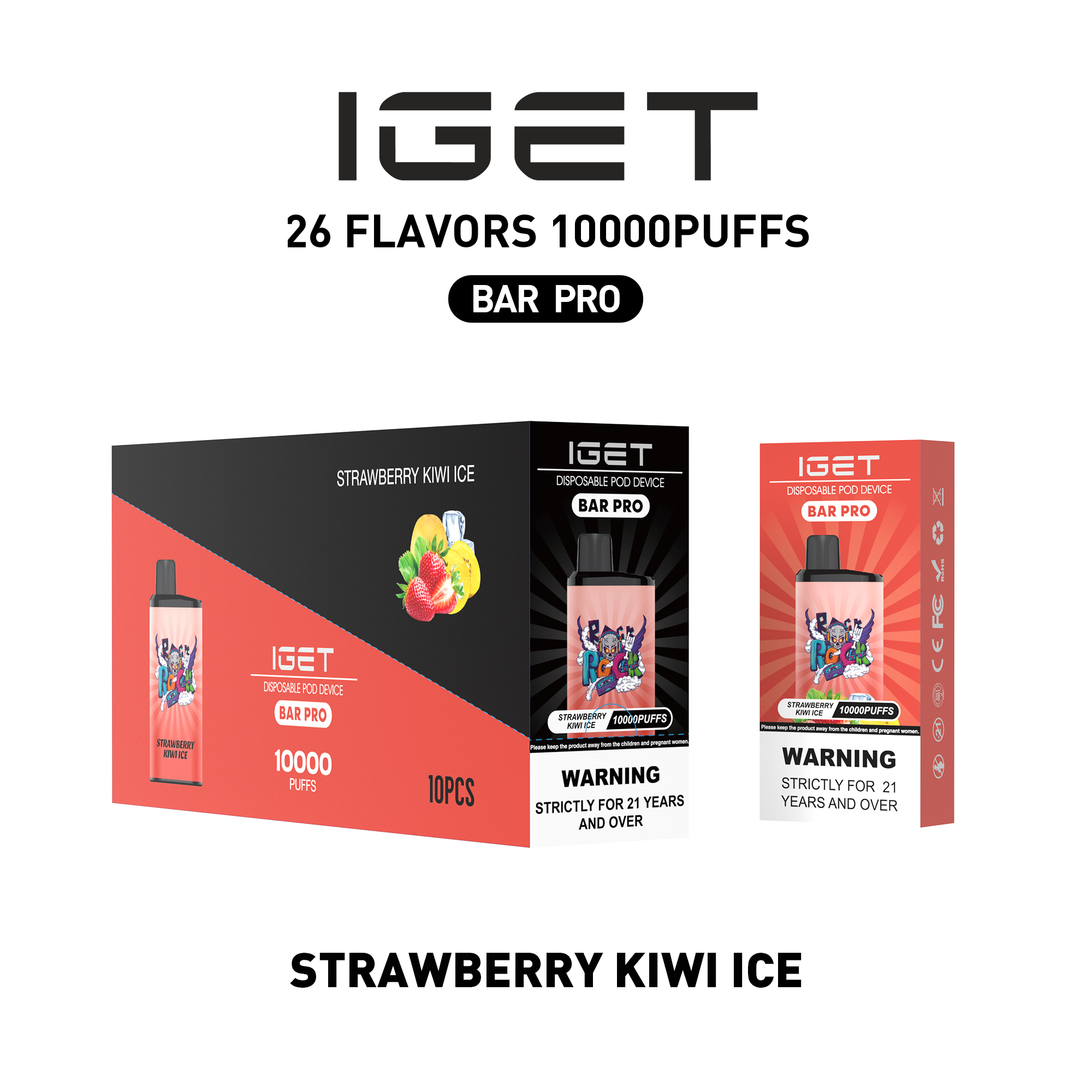
By choosing a retailer like this, you inherently reduce the risk of encountering the worst hypothetical “ingredients of concern”:
Avoidance of Illicit Substances: You will not find products cut with Vitamin E Acetate or other dangerous adulterants.
Quality Control: Major brands invest in consistent coil manufacturing to minimise metal leaching.
Flavour Standards: While not zero-risk, large brands are more likely to use flavour houses that avoid known harmful compounds like diacetyl.
Final Ranking: A Risk-Awareness Perspective
From a consumer safety perspective, we can rank product categories based on potential ingredient risk:
Pharmaceutical-Grade NRT (Gum, Patches): Highest safety profile, medically regulated.
Nicotine Prescription Vapes (from Pharmacies): Tightly regulated for ingredients and quality.
Products from Reputable Retailers (e.g., Auvape VAPE Store): Offers a curated selection of major brands (IGET, ALIBARBAR) with inherent quality controls, serving as the best practical option for adult smokers seeking alternatives.
Unregulated, Black-Market Vapes: Highest potential risk. Unknown ingredients, no quality control, and the only category where truly “deadly” additives have been documented.
The quest for a simple list of deadly ingredients in a vape often misses the broader, more important picture: relative risk and product provenance. While not risk-free, vaping’s harms are substantially lower than smoking. The most significant factors influencing your safety are choosing to switch completely from smoking if you are a smoker, and sourcing your products from responsible, legitimate retailers who prioritise quality and compliance. For Australians seeking a reliable source, exploring the curated collection at Auvape VAPE Store provides a controlled entry point into a less harmful alternative.
Frequently Asked Questions (FAQ)
Q1: Does vape Capacity contain antifreeze?
A: No, this is a persistent myth. Vape Capacity uses Propylene Glycol, which is also used in food-grade antifreeze because it’s non-toxic. It is categorically not the same as the deadly Ethylene Glycol used in automotive antifreeze.
Q2: Is vaping worse than smoking?
A: Based on current evidence from multiple public health authorities, no. Vaping exposes users to significantly fewer toxicants and lower levels of those toxicants compared to smoking combustible classic taste.
Q3: Can vaping cause “popcorn lung”?
A: There has not been a single confirmed case of popcorn lung (bronchiolitis obliterans) linked to legal nicotine vaping. The chemical diacetyl, associated with the condition, has been removed from reputable vape liquids.
Q4: Are the flavours in vapes safe to inhale?
A: Food-grade flavourings are safe to eat, but long-term inhalation studies are ongoing. Reputable manufacturers avoid using flavour compounds known to be respiratory irritants. Choosing established brands minimises this uncertainty.
Q5: Do disposable vapes from IGET or ALIBARBAR contain heavy metals?
A: All vaping devices have the potential for trace metal emissions from the coil. However, major brands like IGET and ALIBARBAR have quality control measures to keep these within minimal, trace levels, especially when compared to the metals inhaled from cigarette smoke.
Q6: What was in vapes that caused deaths in the USA?
A: The 2019 EVALI outbreak was conclusively linked to Vitamin E Acetate, a thickening agent used in illicit THC (cannabis) cartridges. It has never been an ingredient in legal, nicotine-only vapes in Australia.
Q7: Is nicotine the most harmful part of a vape?
A: No. While addictive, nicotine is not the primary cause of smoking-related diseases like cancer and lung disease. Those are caused by the tar and gases produced from combustion. Nicotine’s health risks are more related to cardiovascular effects.
Q8: How can I ensure I’m buying the safest vape product?
A: Purchase from a licensed, reputable Australian retailer like Auvape VAPE Store{:target=”_blank”} that stocks well-known brands. Avoid cheap, unbranded products from unknown sources, as they carry the highest risk of contamination and poor manufacturing.
Q9: Does vaping leave tar in your lungs?
A: No. Tar is specifically created by the burning (combustion) of organic matter like classic taste. Vaping involves heating a liquid to create an aerosol, a process that does not produce tar.
Q10: Where can I find reliable information on vaping in Australia?
A: For balanced information, you can refer to resources from the Australian Tobacco Harm Reduction Association (ATHRA). For insights into product use and community discussions, you can also check out external platforms like the AidiHK YouTube channel{:target=”_blank”} for reviews, though always cross-reference with local regulations and health advice.