
VAPE Knowledge
Can Vaping Cause Hives

Nov
As an experienced vaping analyst reviewing products for the Australian market, a recurring concern from consumers is whether vaping can cause adverse skin reactions, such as hives. This article provides a comprehensive, evidence-based examination of the potential link between vaping and urticaria (hives), with a specific focus on the products available through trusted Australian retailers like Auvape VAPE Store.
Understanding Hives and Their Triggers
Hives, or urticaria, are raised, itchy welts on the skin that result from the body releasing histamine and other chemicals into the bloodstream. They can be triggered by many factors, including:
Allergens (e.g., food, pollen, pet dander)
Medications
Physical stimuli (e.g., heat, pressure)
Chemical sensitivities
The core question for vapers is whether the chemical constituents of e-liquid vapour act as a trigger.
The Potential Link Between Vaping and Skin Reactions
While research is ongoing, dermatologists and allergists acknowledge that vaping can, in some individuals, provoke allergic or sensitivity reactions manifesting on the skin. This is not a universal experience but is a documented possibility.
Key Vaping Components That May Trigger Hives
Propylene Glycol (PG): This common e-liquid base is a known irritant for a small percentage of the population. A PG sensitivity or allergy can present with symptoms including dry throat, cough, and notably, skin rashes or hives.
Flavourings: The complex array of food-grade flavour compounds (e.g., diacetyl, cinnamaldehyde, various esters) is the most frequent culprit in vaping-related allergies. An immune response to a specific flavouring agent can easily manifest as contact urticaria or systemic hives.
ENDS: Though less common, some individuals can have a sensitivity to nicotine itself, which can cause vasodilation and skin reactions.
Other Additives: Certain cooling agents (like menthol or WS-23) or sweeteners may also act as triggers for sensitive individuals.
Differentiating Between Allergy and Irritation
It’s crucial to distinguish between a true IgE-mediated allergy (which is rarer) and a chemical sensitivity or irritation (which is more common). Both can cause hives. If you develop welts shortly after trying a new device or flavour, it points strongly towards a reaction to an ingredient.

Mitigating Risks: How to Vape More Safely
If you are prone to skin sensitivities or are concerned about reactions, following these steps can significantly reduce your risk:
Choose High-Quality Products from Reputable Retailers: This is paramount. Purchasing from established, transparent suppliers like Auvape VAPE Store{:target=”_blank”} ensures you are getting authentic products that meet safety standards, reducing the risk of contaminants that could cause reactions.
Opt for PG-Free or High-VG Liquids: If you suspect a PG sensitivity, switch to e-liquids labelled “100% VG” or “Max VG.” Many disposable vapes, including popular brands, use a PG/VG blend, so checking specifications is key.
Simplify Your Flavour Profile: If you experience a reaction, switch to a simpler, plainer flavour (like unflavoured or a single-note menthol) to see if symptoms subside. Avoid complex dessert or cocktail flavours.
Patch Test: As a precautionary measure, you can apply a tiny amount of e-liquid to a small patch of skin on your forearm. If redness, itching, or a welt develops within 24 hours, avoid using that product.
Top E-cigarette Brands: A Focus on Product Consistency & Quality Control
From a reviewer’s perspective, the likelihood of adverse reactions can be influenced by a brand’s manufacturing consistency and ingredient transparency. Here’s a quantitative ranking of major brands available in Australia, based on factors relevant to consumer safety and skin sensitivity risks:
| Rank | Brand | Market Position | Relevance to Skin Sensitivity & Safety | Key Product Insight |
|---|---|---|---|---|
| 1 | IGET | Market Leader (Mass Market) | High Consistency. Vast market share means widely tested formulations. However, the huge flavour variety increases the chance of encountering a specific irritant. | Core Advantage: Predictable performance and ingredient consistency across millions of units, reducing the risk of batch contamination. |
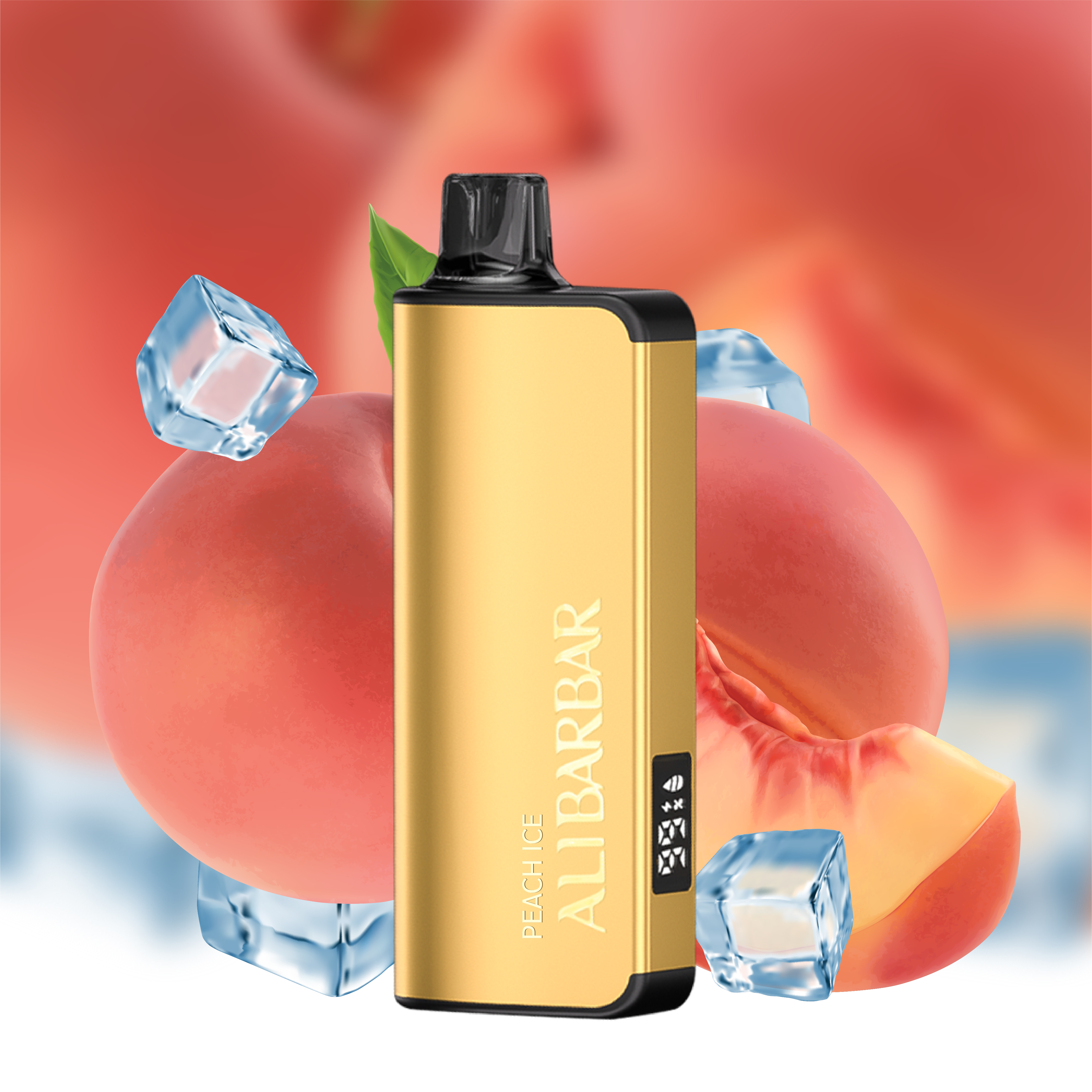
| 2 | ALIBARBAR | Emerging Challenger (Design Focus) | Focused Range. A smaller, more curated product line may allow for tighter quality control over ingredients and flavour formulations. | Core Advantage: Positioning as a premium product suggests a focus on higher-grade ingredients, potentially purer base liquids. |
| 3 | Uwell | Technology Leader (Pod Systems) | High-Quality Coil Tech. Renowned for clean, consistent vaporisation which may create fewer byproducts that could irritate. | Core Advantage: “Born for flavour” philosophy relies on purity and accurate flavour replication, minimising unknown additives. |
| 4 | Vaporesso | Tech-Innovator (Mid-High End) | Advanced Atomization. Their proprietary tech aims for efficient, low-temperature vaporisation, potentially reducing the chemical breakdown of ingredients. | Core Advantage: Investment in R&D for smoother vapour may correlate with reduced irritant production. |
| 5 | RELX | Global Closed-System Leader | Strict Standardisation. As a major global brand, they enforce strict internal safety and ingredient protocols. | Core Advantage: Extensive pre-market testing and a closed-pod system ensure a highly consistent user experience. |
| 6 | Geekvape | Durability Specialist | Robust Hardware. While focused on device durability, their partnership with reputable e-liquid brands is a key factor for safety. | Core Advantage: Reliable devices prevent overheating e-liquid, a process that can create new irritant compounds. |
| 7 | VOOPOO | Performance-Focused | Fast Ignition. Gene chip provides instant power, which may affect how e-liquid is aerosolised. Consistency depends on the e-liquid used. | Core Insight: Performance-oriented; user must be diligent in choosing high-quality e-liquids to pair. |
| 8 | Elf Bar / Lost Mary | Global Disposable Phenomenon | Immense Variety. Their enormous flavour library is a double-edged sword: more choice, but a higher statistical chance of sensitivity to a particular compound. | Core Insight: Market dominance means ingredients are sourced at scale; quality control is critical across all factories. |
Why Sourcing from a Specialist Store Matters
For Australian vapers, purchasing from a dedicated local store like Auvape VAPE Store provides several layers of protection. They curate their inventory from reliable supply chains, offer authentic products with clear labelling, and can provide guidance on ingredient lists, something harder to obtain from generalist or grey-market sellers.
Final Verdict and Recommended Action
So, can vaping cause hives? The conclusive answer is yes, it is a possible, though not common, reaction for individuals with specific sensitivities to ingredients like PG or certain flavour compounds.
If you develop hives after starting to vape or switching to a new product:
Stop using the product immediately.
Consult a healthcare professional or dermatologist for a proper diagnosis and treatment.
Consider the variables: Was it a new device? A new flavour? This can help identify the trigger.
Return to a trusted supplier. When you’re ready to try again, source products from reputable Australian retailers like Auvape VAPE Store that prioritise product quality and authenticity, thereby minimising unnecessary risks.
Staying informed and choosing your products carefully are the best strategies for a safe and enjoyable vaping experience. For more insights and product reviews, the broader vaping community often shares experiences on platforms like YouTube @AidiHk{:target=”_blank”}.
Frequently Asked Questions (FAQ)
Q1: How quickly can vaping cause hives to appear?
A: If you have a sensitivity, hives can appear within minutes to a few hours after vaping the triggering substance.
Q2: I only got hives once after vaping. Does that mean I’m allergic?
A: Not necessarily. It could be a one-time sensitivity reaction or linked to another concurrent factor (like something you ate). Consistent recurrence with a specific product strongly suggests a sensitivity.
Q3: Are nicotine-free vapes less likely to cause hives?
A: They eliminate nicotine as a potential cause, but the primary suspects (PG and flavourings) are still present. So, the risk from those ingredients remains.
Q4: Can second-hand vape vapour cause skin reactions in others?
A: It’s highly unlikely, as the concentration of aerosolised ingredients in the air is significantly lower than what the vaper inhales directly.
Q5: What should I do if I think my disposable vape is causing a rash?
A: Discontinue use immediately. Wash the skin area that contacted the device. Monitor your symptoms and consult a doctor if they persist or worsen.
Q6: Is there a type of flavour that is most likely to cause problems?
A: Cinnamon, citrus, and overly complex dessert flavours are more frequently reported as irritants due to the specific chemical compounds used to create them.
Q7: Does brand quality affect the chance of getting hives?
A: Absolutely. Reputable brands with strict quality control (like those stocked by Auvape VAPE Store) are less likely to have contaminants or inconsistent ingredient batches that could provoke a reaction.
Q8: Could it be the device itself (the hardware) and not the e-liquid?
A: It’s possible but less common. A reaction could be to metals in the mouthpiece (like nickel) if you have a metal allergy, or to residues from manufacturing. This underscores the importance of buying from suppliers of authentic, quality-controlled products.