
VAPE Knowledge
Accidentally Dropped Vape In Water

Sep
We’ve all had that moment of heart-stopping panic. A fumble, a slip, and there it goes, your trusted vape device splashing into a sink, a puddle, or worse, the toilet. An accidentally dropped vape in water is a common mishap that can leave you wondering if your device is permanently gone or if there’s a chance for recovery. This guide provides a detailed, step-by-step analysis of what to do immediately after the incident, how to assess the damage, and the realistic chances of saving your device, with a particular focus on the disposable units favoured by many Australian vapers.
Understanding the Immediate Impact of Water on a Vape Device
When a vape is submerged, water can infiltrate through the mouthpiece, airflow holes, USB port (if applicable), and any minor seams in the casing. The consequences are immediate and multi-faceted:
Electrical Short-Circuit: The battery and internal circuit board are the most vulnerable components. Water conducts electricity and can cause a short circuit, which may permanently damage the electronics or, in rare cases, cause the battery to become unstable.
Corrosion: Even after drying, mineral content in water (especially tap or salt water) can lead to corrosion on the metal contacts and circuitry over time, causing eventual failure.
Contamination of Capacity: In disposable vapes, the wicking material saturated with capacity is sealed. While less immediately susceptible than an open tank, prolonged immersion can potentially force water into the atomiser chamber, contaminating the capacity and ruining the taste and function.
Immediate Action Plan: The Critical First 5 Minutes
Your actions in the first few minutes are crucial. Do not panic and follow these steps methodically.
Retrieve It Instantly: The shorter the exposure time, the better the prognosis. Get the device out of the water within seconds if possible.
Power Off Immediately (If Applicable): For rechargeable devices with a button, click it five times rapidly to turn it off. For disposable or draw-activated devices, this step is not possible, proceed to the next step.
Remove External Moisture: Gently shake the device to dislodge any large water droplets. Then, use a dry, absorbent cloth or paper towel to pat it dry thoroughly. Pay special attention to the mouthpiece and any openings.
Do Not Inhale: Under no circumstances should you try to use the device to see if it still works. Attempting to draw power through a wet circuit is the surest way to kill it completely.
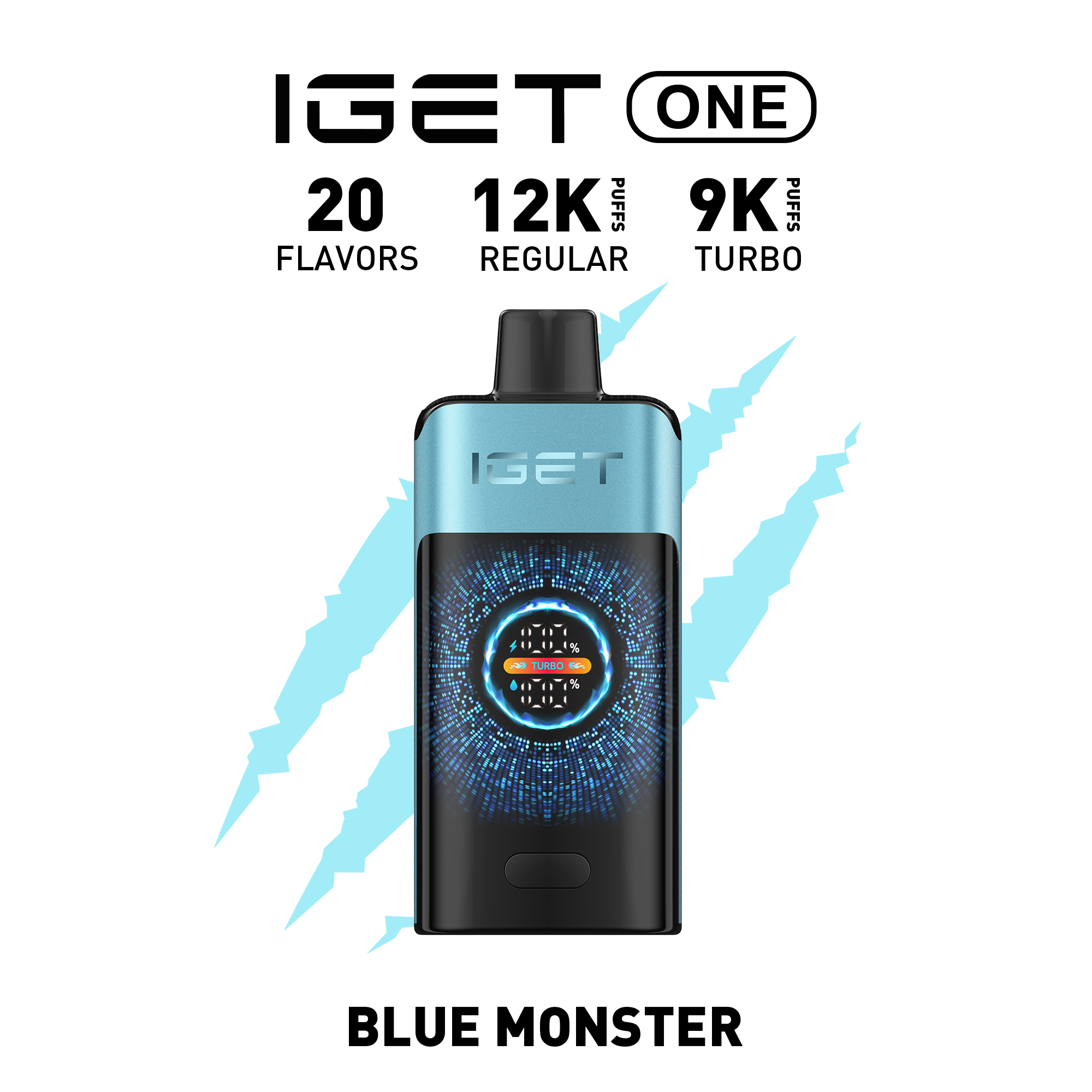
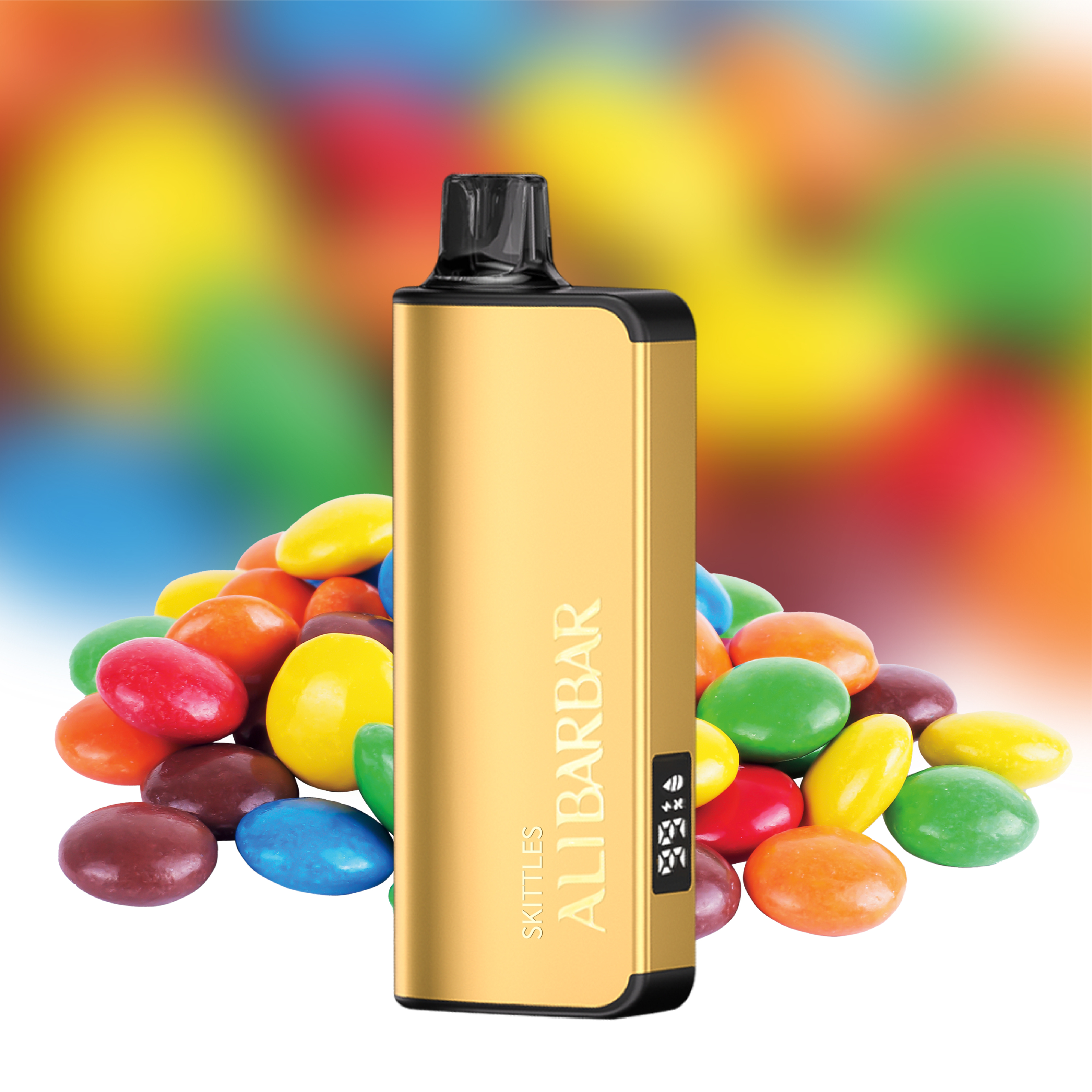
Disassemble (If Possible): For pod systems or mods, remove the pod, tank, and battery if they are designed to be separated. For a sealed disposable vape, like popular IGET or ALIBARBAR units, this is not an option as they are not user-serviceable. Your focus will be on external drying.
The Drying Process: Methods and Realistic Expectations
For non-serviceable disposable vapes, your options are more limited but still worth pursuing.
For Disposable Vapes (IGET, ALIBARBAR, etc.):
The Air-Dry Method: Place the device in a warm, dry, and well-ventilated area, such as near a gentle air vent or on a sunny windowsill (avoid direct, scorching heat). Position it with the mouthpiece facing slightly downward to encourage any internal moisture to drain out, not deeper in. Leave it for at least 48-72 hours. Do not be tempted to test it early.
The Silica Gel Packet Method: If you have them, place the device in a sealed bag or container surrounded by silica gel packets (the ones often found in new shoe boxes or electronics packaging). These are far more effective than rice at absorbing moisture from the air inside the container. Leave it sealed for 2-3 days.
Important Warning: Avoid using extreme heat from hair dryers, ovens, or microwaves. High heat can melt internal components, warp plastic, and significantly increase the risk of battery damage or failure.
Diagnostic Testing and Safety First
After a minimum 48-72 hour drying period, you can proceed with caution.
Visual and Olfactory Check: Inspect the device. Are there any signs of swelling or leakage from the battery area? Does it smell burnt or chemical? If yes, do not proceed. The device is a safety hazard and should be disposed of responsibly at an electronic waste collection point.
The First Test (For Button-Activated Devices): If the device has a button, try turning it on (usually five clicks). Look for any indicator lights. If nothing happens, it is likely permanently damaged.
The Taste Test (The Final Check): If the device powers on or is a draw-activated disposable, take a very small, cautious puff without inhaling. Immediately exhale. If the vapour tastes normal, you may have been lucky. If it tastes weird, burnt, metallic, or like steam, water has contaminated the capacity or coil. Stop using it immediately. The experience will not improve and inhaling contaminated vapour is unpleasant and potentially irritating.
The Reality Check: Prognosis for a Water-Damaged Vape
It’s essential to manage expectations. The survival rate for a fully submerged electronic device is not high.
Disposable Vapes: The prognosis is generally poor. Their sealed, non-serviceable nature means you cannot properly dry the internal components that matter most. While some may recover after a thorough dry-out, many will suffer from ruined capacity, a “burnt” taste, or complete electronic failure.
Pod Systems & Mods: These have a slightly better chance if retrieved quickly and fully disassembled for drying. The separate components (battery, pod) can often be saved even if the pod/tank itself is a write-off due to contaminated capacity.
When to Give Up: If the device shows no signs of life after drying, produces terrible taste, or exhibits any physical damage/swelling, it is time to replace it. Continuing to try and force a damaged device to work is ineffective and unsafe.
Prevention is Better Than Cure: How to Avoid the Drop
Use a Lanyard or Strap: Simple silicone lanyards can prevent many drops.
Mind Your Environment: Be extra cautious around bathrooms, kitchens, pools, and sinks.
Secure Storage: Don’t carry a loose device in a shallow pocket where it can fall out when you sit down. Use a dedicated pouch or a zipped compartment.
Where to Find a Reliable Replacement in Australia
If your aquatic adventure has claimed your vape, finding a trustworthy source for a replacement is key. For Australian vapers seeking high-quality, reliable disposable vapes, Auvape VAPE Store offers a curated selection of top-performing brands. Their focus on premium products ensures you get a device known for its build quality and consistent performance, potentially giving you greater peace of mind against everyday accidents.
Frequently Asked Questions (FAQ)
Q1: Can I use rice to dry my water-damaged vape?
A: While commonly suggested, rice is not very effective at drawing moisture from inside a sealed device. It also risks getting starch and dust into the openings. Silica gel packets or thorough air-drying in a warm place are superior methods.
Q2: My disposable vape got slightly wet but seems to work. Is it safe?
A: If it functions normally and the taste is unchanged after a proper drying period, it is likely okay. However, monitor it closely. If you notice any change in performance, taste, or device temperature, discontinue use immediately.
Q3: Why did my vape stop working after it dried out?
A: Even after visible water is gone, residual moisture or corrosion can cause a short circuit when power is applied. The initial water exposure often causes immediate but latent damage to the micro-electronics.
Q4: Is a water-damaged vape battery dangerous?
A: It can be. A compromised battery may swell, leak, or in extreme cases, catch fire. If the device is damaged, do not attempt to charge it and dispose of it properly at an e-waste facility.
Q5: Will the warranty cover water damage?
A: Almost universally, no. Warranties cover manufacturing defects, not accidental damage from liquids (submersion). This is considered “liquid intrusion” and is a standard exclusion.
Q6: How long should I wait before trying to use my vape after it gets wet?
A: An absolute minimum of 48 hours, with 72 hours (3 full days) being a much safer recommendation for complete drying, especially for non-serviceable disposables.
Q7: What’s the best way to dispose of a water-damaged vape that won’t work?
A: Do not put it in your regular household bin. Take it to a dedicated battery or electronic waste (e-waste) recycling collection point, as it contains a lithium battery.
Q8: Are some vapes more water-resistant than others?
A: Yes. While no mainstream disposable vape is waterproof, some advanced mod devices from brands like Geekvape are marketed with dust, shock, and water resistance ratings (e.g., IP67). These are designed to withstand splashes or brief rain, not full submersion.
An accidentally dropped vape in water is a frustrating experience, but a calm and methodical response gives you the best chance of recovery. Remember, when it’s time for a reliable replacement, exploring the selection at a dedicated retailer like Auvape VAPE Store can set you up with a robust device to get back to your routine. For more visual tips and product insights, you can check out community discussions on platforms like YouTube.