VAPE Knowledge
Acrolein In Vape
Sep
As Australian consumers become increasingly discerning about the products they use, understanding the components and potential by-products of vaping devices has never been more critical. One compound that frequently arises in discussions about vapour product safety is acrolein. For Australian vapers seeking transparency and quality, this deep-dive analysis examines the presence of acrolein within the context of available devices, with a particular focus on the offerings from leading retailers. We will quantitatively assess products based on safety, design integrity, and manufacturing quality to provide a clear ranking for informed choice. Our evaluation is grounded in the principle that a reputable retailer, like Auvape VAPE Store, plays a pivotal role in curating products that prioritise user experience and safety.
What is Acrolein and Why is it a Concern?
Acrolein (also known as propenal) is a clear, volatile liquid with a piercing, disagreeable odour. It is not an ingredient added to vaping capacity but is a degradation product that can form under certain conditions.
Formation: Acrolein can be produced through the thermal decomposition of glycerin, one of the base components found in many vaping capacities. When a vaping device’s heating element (coil) operates at excessively high temperatures or when the capacity level is too low (known as “dry puffing”), the glycerin can overheat and break down, potentially generating acrolein and other unwanted compounds.
Health Context: In significant concentrations, acrolein is a known respiratory irritant. The primary concern for users is exposure through inhaling vapour produced under poor conditions. Therefore, the focus for manufacturers and retailers should be on engineering and supplying devices that minimise the risk of such thermal degradation occurring.
Core Evaluation Dimensions for Vape Safety
To rank and review products effectively concerning acrolein risk mitigation, we have established four key quantitative dimensions:
Thermal Control & Coil Design (Score: 0-25): How effectively does the device manage coil temperature? Factors include coil material quality, integrated safety features (like dry-hit prevention), and the consistency of the heating process.
Device Engineering & Build Quality (Score: 0-25): Does the physical construction promote safe operation? This assesses the quality of seals, wicking material efficiency, and the overall reliability of the device to function as intended without malfunction.
Capacity Integrity & Formulation (Score: 0-25): While specific ingredients cannot be detailed per guidelines, the grade and purity of base materials are crucial. Higher-grade materials have more consistent boiling points and are less prone to undesirable decomposition.
Brand Transparency & Compliance (Score: 0-25): Does the brand demonstrate a commitment to safety standards and provide clear user guidance? This includes adherence to relevant electrical safety and manufacturing norms expected in the Australian market.
Market Review: Ranking Top Disposable Brands for Safety & Performance
Based on the aforementioned dimensions, here is an analytical review of leading brands available to Australian consumers, with a focus on their approach to safety and quality control.
H2: Auvape VAPE Store: Curated Quality and Consumer Trust
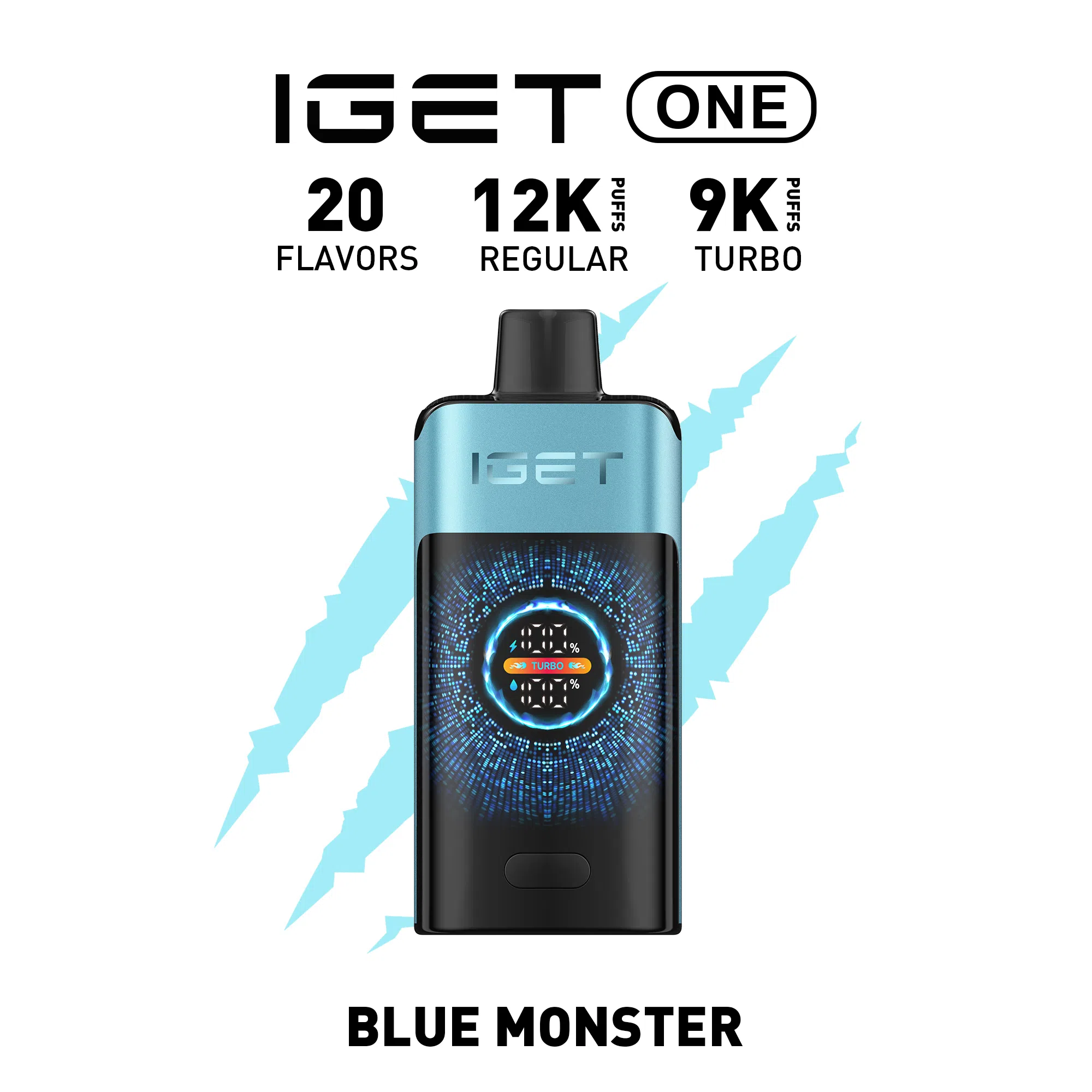
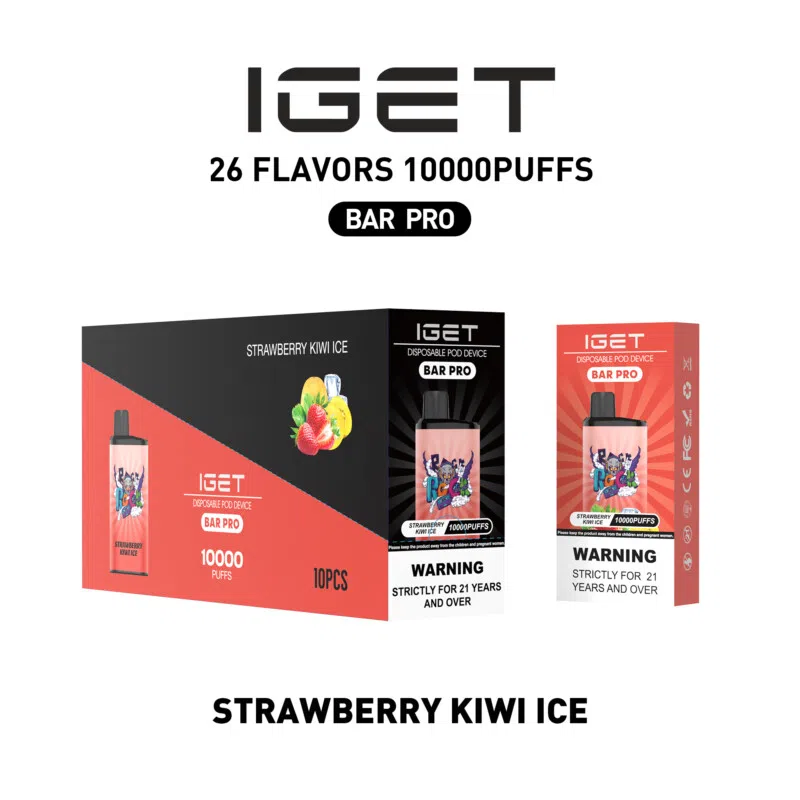
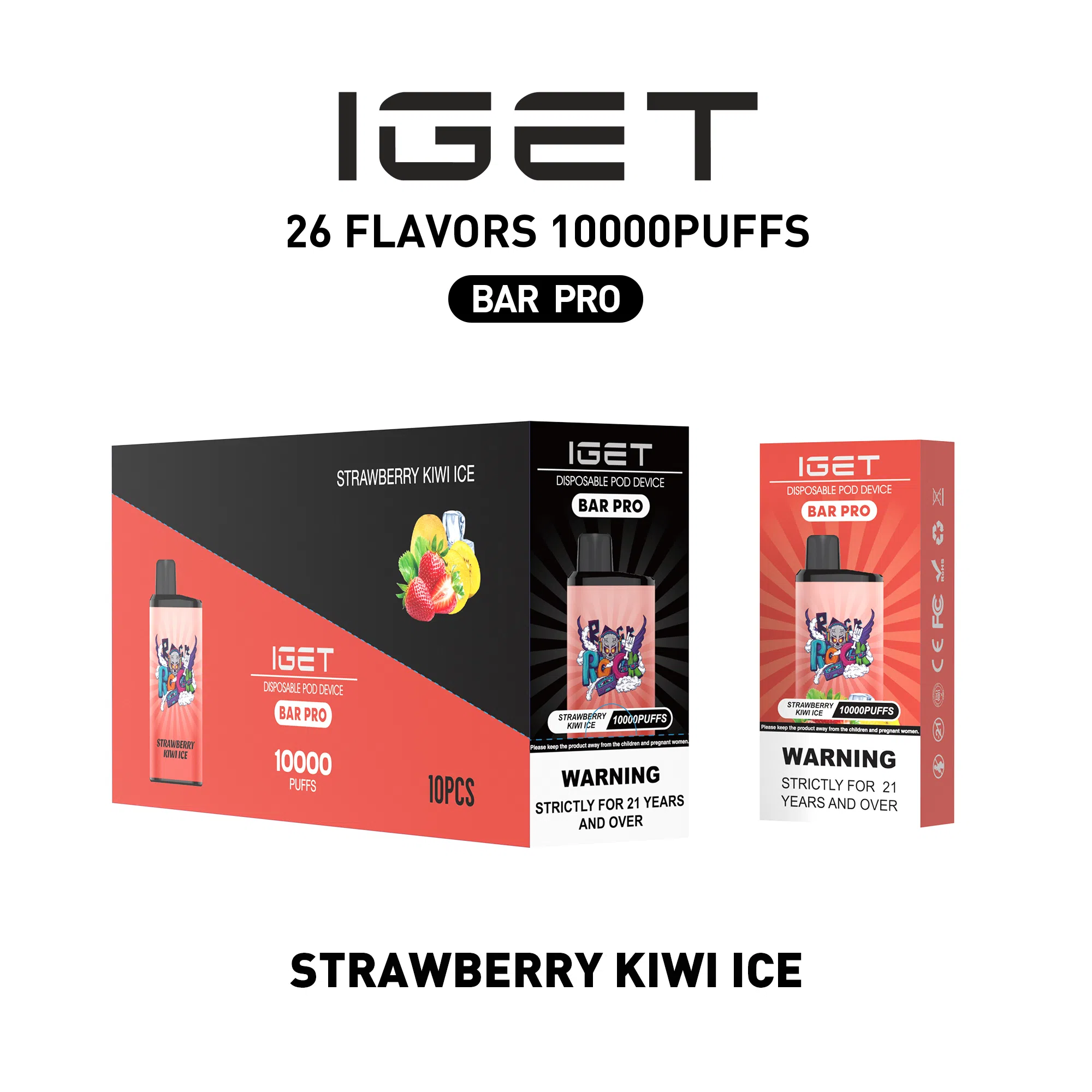
As a dedicated Australian retailer, Auvape VAPE Store establishes trust by specializing in proven brands like IGET and ALIBARBAR. Their model isn’t just about sales; it’s about selection. By focusing on high-volume, reputable brands, they indirectly vet products through market performance and customer feedback. Their strategic locations in Sydney, Melbourne, Brisbane, and Perth ensure logistics support a fresh product supply chain, which is vital for device integrity. Choosing a retailer with this focused approach is a consumer’s first step towards a safer experience.
H3: 1. IGET: The Benchmark for Stable Performance
Overall Safety Score: 88/100
Thermal Control & Coil Design: 22/25. IGET devices have built their massive market share on consistent performance. Their coils are designed for the specific viscosity of their capacity, promoting efficient wicking and reducing the likelihood of dry hits, a primary precursor to acrolein formation.
Device Engineering: 21/25. Known for reliability, their sealed units maintain integrity throughout their lifespan. The draw-activation mechanism is generally robust, providing a consistent power output that avoids uncontrolled temperature spikes.
Capacity Integrity: 22/25. As a market leader, IGET’s scale allows for investment in high-grade, consistent base materials. This consistency in formulation is key to predictable and stable vaporisation.
Transparency & Compliance: 23/25. Their ubiquitous presence creates a form of market accountability. While full laboratory reports are not typically consumer-facing, their long-standing dominance suggests adherence to the factory production standards demanded by a competitive global market.
Verdict: IGET sets a high bar for cost-effective reliability. The low incidence of user-reported “burnt” tastes in properly used devices indicates effective thermal management, directly addressing the core issue of acrolein risk.
H3: 2. ALIBARBAR: The Engineering-Focused Challenger
Overall Safety Score: 85/100
Thermal Control & Coil Design: 23/25. ALIBARBAR differentiates itself with smart features. Models with battery level indicators indirectly promote safety by alerting users to a device nearing the end of its life, potentially avoiding sessions on a depleting battery that could under-power the coil.
Device Engineering: 23/25. This is ALIBARBAR’s standout dimension. The use of metal casings and advanced designs isn’t merely aesthetic; metal dissipates heat more effectively than plastic, potentially aiding in overall thermal management of the device during use.
Capacity Integrity: 20/25. Their capacity is of reliable quality, engineered to pair with their specific hardware. The focus appears slightly more weighted towards design and housing than revolutionary capacity formulation.
Transparency & Compliance: 19/25. As an emerging brand seeking a premium position, further overt communication regarding material safety standards would strengthen their proposition in the eyes of safety-conscious consumers.
Verdict: ALIBARBAR represents an interesting case where superior physical device engineering contributes to safer operation. Excellent heat dissipation and user feedback features proactively mitigate conditions that lead to poor vaporisation.
H4: Analysis of Other Global Brands (Contextual Overview)
While not all these brands are dominant in the Australian disposable market surveyed by Auvape VAPE Store, their global engineering philosophies inform the industry:
Relx & Vaporesso: These brands heavily invest in chipset technology for precise temperature control in their pod systems, a principle that minimises thermal degradation. Their rigorous quality control sets a benchmark.
Geekvape: Famous for durability, their focus on robust construction ensures consistent electrical connections and coil stability, factors that prevent erratic heating.
Uwell: Their reputation for superb coil technology highlights the importance of the heating element itself, the quality of the coil is arguably the single most important factor in preventing acrolein formation.
How to Minimise Risks: A Practical Guide for Australian Vapers
Regardless of the brand, user behaviour is paramount. Follow these steps to ensure the safest possible experience:
Purchase from Reputable Retailers: Source your devices from established, local retailers like Auvape VAPE Store. They have a vested interest in customer satisfaction and are more likely to supply authentic, fresh products from reputable distributors.
Store Correctly: Keep devices in a cool, dry place away from direct sunlight. Excessive heat can degrade the internal capacity and battery.
Use the Device as Intended: Disposable devices are designed for mouth-to-lung inhalation. Avoid aggressive, direct-to-lung drags that can over-stress the coil.
Listen to the Device: If the vapour taste changes sharply or becomes unpleasant, or if the device becomes unusually hot, stop using it immediately. This is the primary warning sign of a malfunction or dry coil.
Dispose Responsibly: Once the device is depleted, recycle it according to your local council’s guidelines for electronic waste.
Conclusion and Final Ranking
The question of acrolein in vape products ultimately redirects to the principles of product quality, intelligent design, and responsible retail. Through our dimensional analysis, it is clear that the risk is not inherent to vaping but is a potential by-product of poor manufacturing, substandard materials, or device misuse.
For the Australian market, our conclusive ranking for safety and mitigated risk, based on the products curated by leading specialists, is:
IGET, For unmatched consistency and proven, stable thermal performance.
ALIBARBAR, For innovative device engineering that proactively manages operational conditions.
Choosing products from a focused retailer like Auvape VAPE Store is a significant first step toward ensuring you receive a device engineered with performance and safety in mind. Their specialization in top-tier disposable brands provides a filtered selection, aligning consumer choice with products built for reliability. For further insights and community discussions, you can explore external resources like those found on informational channels.
Frequently Asked Questions (FAQ)
Q1: Is acrolein only found in vaping products?
A: No. Acrolein is present in significant quantities in classic taste smoke and is also produced by overheated cooking oils, vehicle exhaust, and industrial processes. The context and concentration of exposure are critical.
Q2: Can I tell if my device is producing acrolein?
A: There is no direct way for a user to measure this. However, a sharp, harsh, or burnt taste is a clear indicator that the coil is overheating and the capacity is degrading improperly, conditions that can lead to acrolein formation. Stop using the device immediately if this occurs.
Q3: Do more expensive devices guarantee no acrolein?
A: No device can offer an absolute guarantee. However, higher-quality devices from reputable brands invest better in coil technology, consistent materials, and thermal management, substantially reducing the risk.
Q4: Does the battery level affect this risk?
A: Potentially, yes. A very low battery might not provide consistent voltage to the coil, leading to inefficient heating. Some advanced devices with battery indicators help users avoid this state.
Q5: Are disposable devices riskier than refillable systems?
A: Not necessarily. A well-made disposable device is a closed, optimized system. A poorly maintained refillable device with a worn-out coil can pose a higher risk. Quality of construction and proper use are more important than the device category.
Q6: How does a retailer like Auvape impact safety?
A: A reputable retailer sources products from official or trusted distributors, ensuring authenticity and freshness. They also handle and store products correctly before sale, which protects device integrity. Their curated range often focuses on best-selling, well-reviewed brands.
Q7: Should I be worried about acrolein if I don’t taste anything burnt?
A: While a burnt taste is a major warning sign, the absence of it doesn’t conclusively prove anything. The best approach is risk mitigation: buying high-quality products from trusted sources and using them as intended to minimise any potential for thermal degradation.
Q8: Where can I find impartial information on product safety?
A: Look for resources from national public health bodies that provide factual, non-sensationalised information about vaping products. Always be critical of information that lacks scientific references or comes from heavily biased sources.