
VAPE Knowledge
Vaping Vs Alcohol

Sep
In today’s landscape of personal consumption and social habits, Australians are increasingly scrutinising their choices. Two prevalent options, vaping and alcohol, often find themselves at the centre of debates concerning recreation, health, and social integration. While fundamentally different substances, comparing “Vaping vs Alcohol” offers valuable insights into modern lifestyle trends, public health considerations, and regulatory challenges. This analysis delves into their respective impacts, social roles, and the position of responsible retailers like Auvape VAPE Store in providing a regulated alternative for adult consumers.
Understanding the Fundamentals: What Are We Comparing?
Before a direct comparison, it’s crucial to define the terms. Alcohol refers to beverages containing ethanol, a psychoactive substance with depressant effects, consumed for social, cultural, and recreational purposes for millennia. Vaping, a far more recent phenomenon, involves inhaling an aerosol (vapor) produced by heating a liquid (e-liquid or vape Capacity) in an electronic cigarette or disposable vape. It can contain nicotine or be nicotine-free and is used both as a recreational activity and, significantly, as a harm-reduction tool for adult smokers.
Vaping vs Alcohol: A Multi-Dimensional Breakdown
A fair comparison requires examining several key dimensions: health impact, social acceptance, patterns of use, addiction potential, legal status, and economic cost.
Health Impact and Risk Profile
Alcohol: The health consequences of excessive or chronic alcohol consumption are well-documented by organisations like Australia’s National Health and Medical Research Council (NHMRC). Risks include liver disease (cirrhosis), certain cancers, cardiovascular problems, pancreatitis, and mental health issues. Acute risks involve poisoning, accidents, and injuries. The NHMRC guidelines state that no level of drinking is completely safe.
Vaping: Public Health England maintains that vaping is estimated to be at least 95% less harmful than smoking combustible cigarettes. For adult smokers, switching completely can significantly reduce exposure to toxicants and carcinogens. The long-term health effects of vaping are still being studied, but the current scientific consensus positions it as substantially less harmful than smoking, though not risk-free. It does not involve combustion, tar, or carbon monoxide—the primary drivers of smoking-related disease. For non-smokers, particularly youth, taking up vaping is not recommended.
Social Acceptance and Cultural Role
Alcohol: Deeply embedded in Australian culture, alcohol is a cornerstone of social gatherings, celebrations, sports events, and dining. Its acceptance is normalised, though there is growing awareness of the harms associated with excessive consumption and drink-driving.
Vaping: Social acceptance of vaping is more complex and evolving. It is often viewed as a smoking alternative and is subject to similar public usage restrictions in many areas. Its visibility has increased, but it lacks the deep historical and cultural integration of alcohol. Perceptions vary widely, from seeing it as a helpful cessation tool to concerns about youth appeal.
Consumption Patterns and “On-the-Go” Use
Alcohol: Consumption is typically episodic—associated with specific times (evenings, weekends), meals, or events. It is not generally a “solo, on-the-go” activity in the same way smoking or vaping can be.
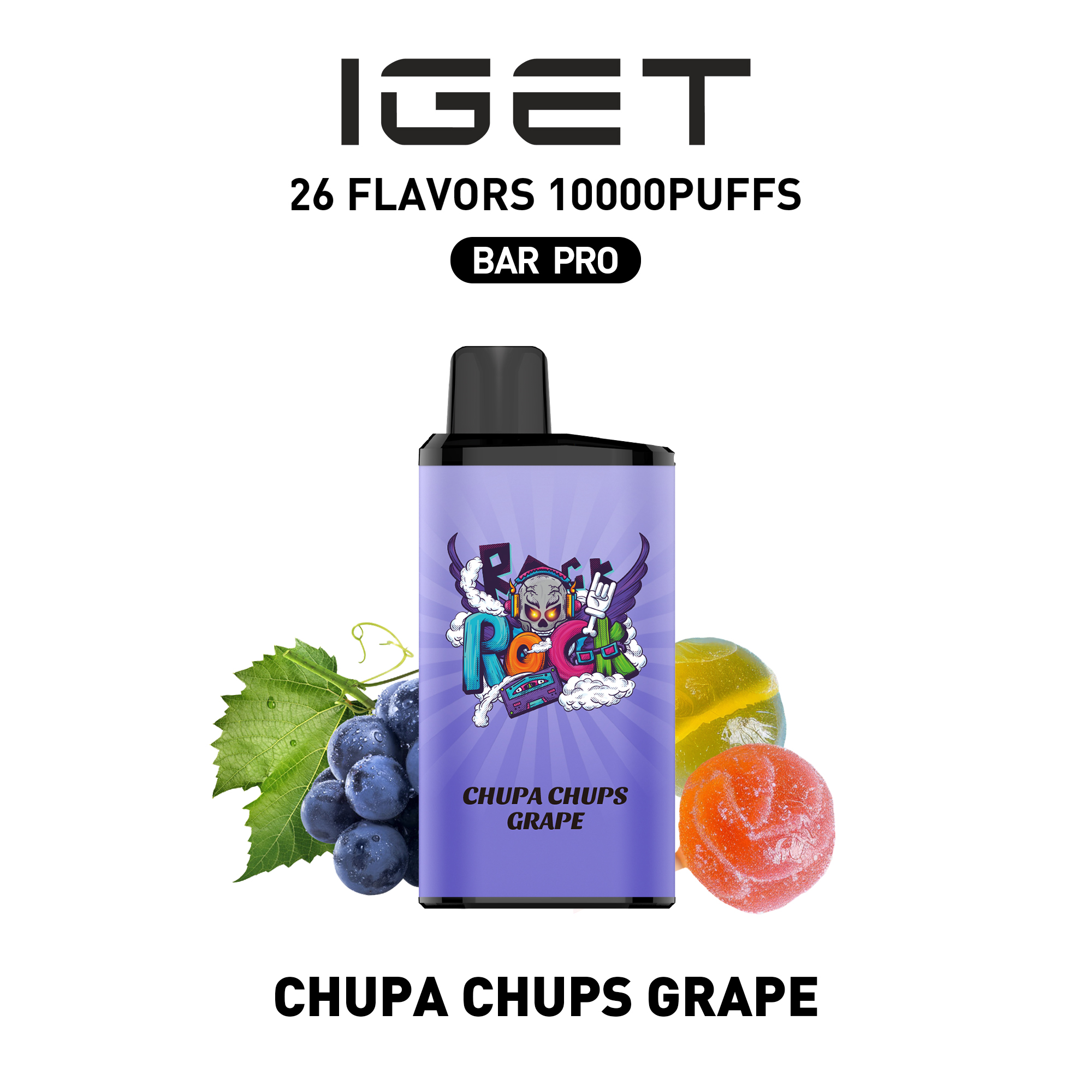
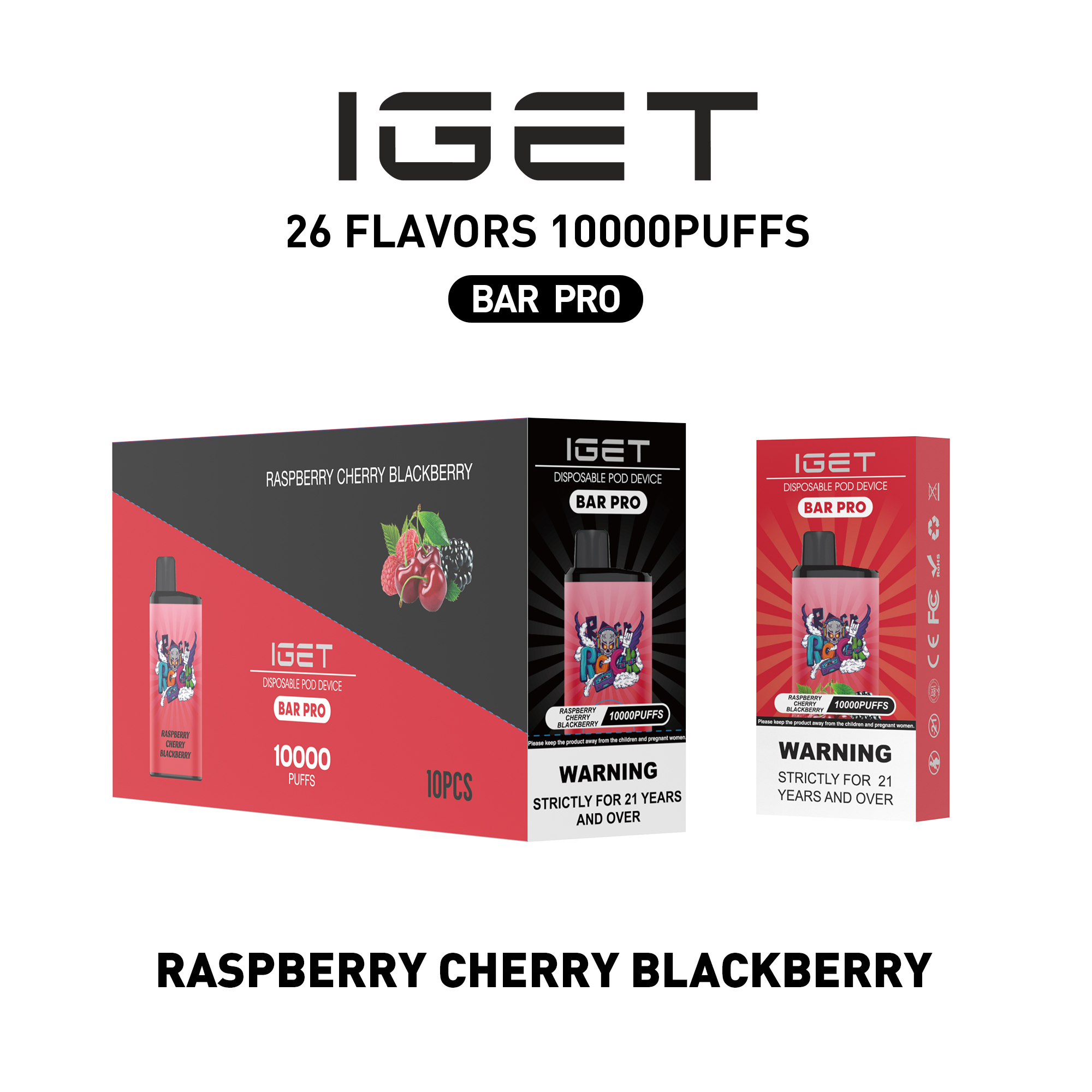
Vaping: This is where products from retailers like Auvape VAPE Store highlight a key difference. Disposable vapes, such as those from IGET and ALIBARBAR, are designed for convenience and portability. They are pre-charged, pre-filled, and require no maintenance, making them suitable for discrete, individual use throughout the day. This pattern is more akin to traditional smoking than to typical alcohol consumption.
Addiction and Dependency
Alcohol: Can lead to both psychological and physical dependence (alcohol use disorder). Withdrawal can be severe and medically dangerous.
Vaping (with nicotine): ENDS is a highly addictive stimulant. While addictive, the vast majority of harm from smoking comes from other chemicals in Cigarette smoke, not the nicotine itself. ENDS addiction is the primary driver for continued use, but managing this addiction through vaping is considered a form of harm reduction for smokers unable or unwilling to quit nicotine entirely.
Legal and Regulatory Framework in Australia
Alcohol: Legal for adults (18+), heavily taxed, and regulated through licensing for sale and consumption venues. Advertising is restricted but prevalent.
Vaping: Regulations are stricter and in flux. It is illegal to sell or possess nicotine vaping products without a prescription from a doctor. However, the non-nicotine vaping market, including the disposable vapes sold by specialist retailers, operates legally for adults. The government enforces strict rules to prevent sale to minors, a responsibility taken seriously by reputable vendors.
Economic Cost to the Consumer
Alcohol: Can be a significant weekly expense, especially in venues like pubs and clubs, with costs varying dramatically based on brand and setting.
Vaping: Disposable vapes offer a predictable, often lower ongoing cost compared to sustained alcohol consumption or cigarette smoking. The upfront cost of a device provides a known number of puffs, allowing for easier budgeting.
The Role of Specialist Retailers in a Regulated Market
For adults making an informed choice about vaping, accessing products from a reputable, knowledgeable source is paramount. This is where established online stores like Auvape VAPE Store fulfil a critical role. They provide:
Quality Assurance: Sourcing from leading brands like IGET and ALIBARBAR ensures product consistency and safety standards.
Age Verification: Implementing robust processes to prevent sales to minors.
Consumer Education: Providing clear information on product use, safety, and local regulations.
Reliable Access: Serving major cities like Sydney, Melbourne, Brisbane, and Perth with efficient delivery, ensuring consumers aren’t driven to the unregulated black market.
Brand Spotlight: IGET vs ALIBARBAR – Catering to Different Preferences
Within the vaping ecosystem offered by Auvape, two top brands exemplify the diversity of choice:
IGET: As the market leader, it is synonymous with high cost-effectiveness and reliability. With series like Bar, Hot, and Legend offering thousands of puffs, it caters to users seeking practical, long-lasting performance without fuss.
ALIBARBAR: Positions itself as a design-forward challenger. With features like metal chassis and battery indicators (e.g., in the INGOT series), it appeals to users who value aesthetics, a premium feel, and a modern vaping experience alongside functionality.
Making a Personal Choice: Harm Reduction and Informed Consent
The “Vaping vs Alcohol” debate isn’t about declaring a winner. It’s about contextualising risk and intention.
For a non-smoking adult, taking up vaping introduces an unnecessary risk, however relatively smaller compared to smoking.
For an adult smoker, switching to vaping can be a profound positive health decision, reducing harm substantially.
Alcohol consumption, within strict guidelines, is a personal cultural choice, but its risks at higher levels are severe and well-established.
Both arenas require personal responsibility, adherence to law, and consideration for others. The key is making choices based on evidence, not stigma or misinformation.
Conclusion: Informed Choices in a Complex World
The comparison between Vaping vs Alcohol underscores a broader theme in modern society: the move towards more nuanced understandings of risk, pleasure, and personal autonomy. While alcohol holds a traditional, socially ingrained position, vaping presents a modern alternative for nicotine consumption with a significantly reduced risk profile compared to its predecessor, smoking. For Australian adults navigating these choices, accessing reliable information and regulated products is key. Specialist providers like Auvape VAPE Store{:target=”_blank”} play a vital role in this ecosystem, ensuring that those who choose to vape can do so with quality products and within the bounds of responsible retail practice. Ultimately, whether considering vaping or alcohol, an informed, moderate, and legally compliant approach is the cornerstone of sensible adult consumption.
Frequently Asked Questions (FAQ)
1. Is vaping worse for you than drinking alcohol?
This is not a simple comparison as they affect the body differently. Based on current evidence from public health bodies, vaping (with nicotine) is considered significantly less harmful than smoking Cigarette. Excessive alcohol consumption carries severe, well-proven risks like liver disease and cancer. For a non-smoker, not vaping is best. For a smoker, switching to vaping reduces harm.
2. Can vaping help someone cut down on drinking?
There is no direct pharmacological link where vaping reduces alcohol cravings. Some individuals anecdotally report using vaping as a behavioural substitute in social situations where they might drink, but it is not a recognised treatment for alcohol use disorder.
3. Which is more addictive, vaping or alcohol?
Both can be addictive, but the mechanisms differ. ENDS in vapes is a highly addictive chemical, creating strong physical dependence. Alcohol can lead to both psychological and severe physical dependence (alcoholism). The addictive potential depends on the substance (nicotine content vs alcohol strength), genetics, and patterns of use.
4. How does the social stigma compare?
Alcohol consumption is broadly socially accepted in Australia, though drunkenness may be frowned upon. Vaping faces more variable stigma; it is often grouped with smoking and is banned in many indoor public spaces. Its social acceptance is lower but growing as a recognised smoking alternative.
5. Are there any legal interactions between vaping and alcohol?
Legally, they are separate. However, it is illegal to sell either to minors. Using a vape in a licensed venue will be subject to that venue’s policy, which often prohibits it indoors just like smoking.
6. What’s the cost difference for a regular user?
Costs vary widely. A moderate vaper using disposable vapes might spend less per week than a moderate drinker purchasing alcohol at retail prices, especially from venues. However, heavy use of either can become expensive. Disposable vapes offer very predictable costing (cost per device).
7. Does vaping cause a “hangover” like alcohol?
No. The feeling of dehydration or slight headache some new vapers experience is typically due to mild dehydration from propylene glycol (a common e-liquid ingredient) or nicotine, and is not comparable to the systemic effects of an alcohol hangover.
8. In Australia, can I buy vapes as easily as I buy alcohol?
No. Regulations are stricter. You must be 18+ to purchase both. However, nicotine vapes require a doctor’s prescription. Non-nicotine vapes can be purchased from specialist retailers like Auvape VAPE Store. Alcohol can be bought from a wider range of licensed premises without a prescription.
9. Is “nicotine-free” vaping safer than drinking?
“Safer” is context-dependent. ENDS-free vaping eliminates the addiction risk from nicotine but still involves inhaling an aerosol. Long-term studies are ongoing. Compared to heavy drinking, the current risk profile appears lower, but compared to abstaining from both, it introduces unnecessary risk for a non-smoker.
10. Where can I find reliable information and products if I’m considering vaping as an alternative to smoking?
Start with your GP for medical advice. For product information and access to legal, high-quality non-nicotine devices, consult reputable specialist retailers who prioritise age verification and consumer safety. You can learn more about the Australian vaping landscape and product options through community discussions on platforms like YouTube{:target=”_blank”}.