
VAPE Knowledge
1 Vape Equals How Many Packs Of Cigarettes

Sep
For anyone transitioning from traditional smoking or simply trying to understand their consumption, a common question arises: how does one device compare to a pack of cigarettes? The answer is not a simple, universal number, as it depends heavily on user behaviour, the device in question, and the product it’s being compared to. This article aims to provide a clear, factual framework for understanding this equivalency, helping you make more informed choices.
It’s crucial to approach this topic with the understanding that this is a comparative estimate for contextual purposes only, based on common usage patterns. Individual experiences will vary significantly. We do not make any medical or health equivalency claims.
The Core Concept: Puffs as a Unit of Measurement
Since both traditional cigarettes and disposable devices are typically used in discrete inhalations, the “puff” becomes the most logical common denominator for comparison. However, the volume and depth of a puff can differ greatly between a cigarette and a device, and from one person to another.
A Traditional Cigarette: On average, a single cigarette yields approximately 10-15 puffs before it is finished. This number can be lower for heavy inhalers or higher for those who take shorter, more frequent puffs.
A Standard Disposable Device: These are marketed with a total puff count, ranging from 600 puffs for smaller models to 3500, 5000, or even higher for large-capacity devices.
Establishing a Practical Calculation Framework
Based on the averages above, we can create a baseline for estimation.
The Average Pack: A standard pack contains 20 cigarettes.
Puffs per Pack: If one cigarette provides ~12 puffs (a middle-ground estimate), then one pack of 20 cigarettes provides roughly 240 puffs (20 cigarettes * 12 puffs).
This 240-puff benchmark is the key to our equivalency estimates.
Applying the Framework to Popular Devices
Let’s apply this 240-puff-per-pack benchmark to some of the popular devices available from leading Australian retailers like Auvape VAPE Store.
Example 1: The IGET Bar Series (Approx. 3500 Puffs)
Using our framework: 3500 total puffs / 240 puffs per pack = approximately 14.5 packs.
Interpretation: For a user with an average puff style, a single IGET Bar device could provide a similar number of inhalations as 14 to 15 packs of traditional cigarettes. This highlights the high capacity and longevity that make brands like IGET a market leader in cost-effectiveness.
Example 2: A Smaller 600-Puff Device
Calculation: 600 / 240 = 2.5 packs.
Interpretation: This type of device is more comparable to 2-3 packs, suitable for lighter use or for trying different options without a long-term commitment.
Why These Calculations Are Estimates, Not Exact Science
It is vital to understand the limitations of this math:
Puff Duration & Volume: A puff from a device can be longer and more substantial than from a cigarette. One device puff might feel “equivalent” to more than one cigarette puff for some users.
Usage Patterns: How frequently one uses the device is the most significant variable. Someone who uses it intermittently throughout the day will have a very different experience from someone who uses it intensively in specific sessions.
Device Efficiency: Different brands and models vaporise their capacity at different rates. A device advertised as 3500 puffs from one brand may last a different amount of real-world time than a 3500-puff device from another.
Behavioural Differences: The ritual and sensation are different. The comparison is purely numerical regarding inhalation count and does not account for other aspects of the experience.
Choosing the Right Device for Your Needs
Understanding puff count helps manage expectations and select suitable products. Here’s how two top brands might fit different needs:
For Longevity & Value: If your primary goal is to minimise the frequency of purchases and you prefer a familiar, high-capacity option, a device like the IGET Bar or IGET Legend aligns with that need. Their high puff count, as calculated, offers extended use.
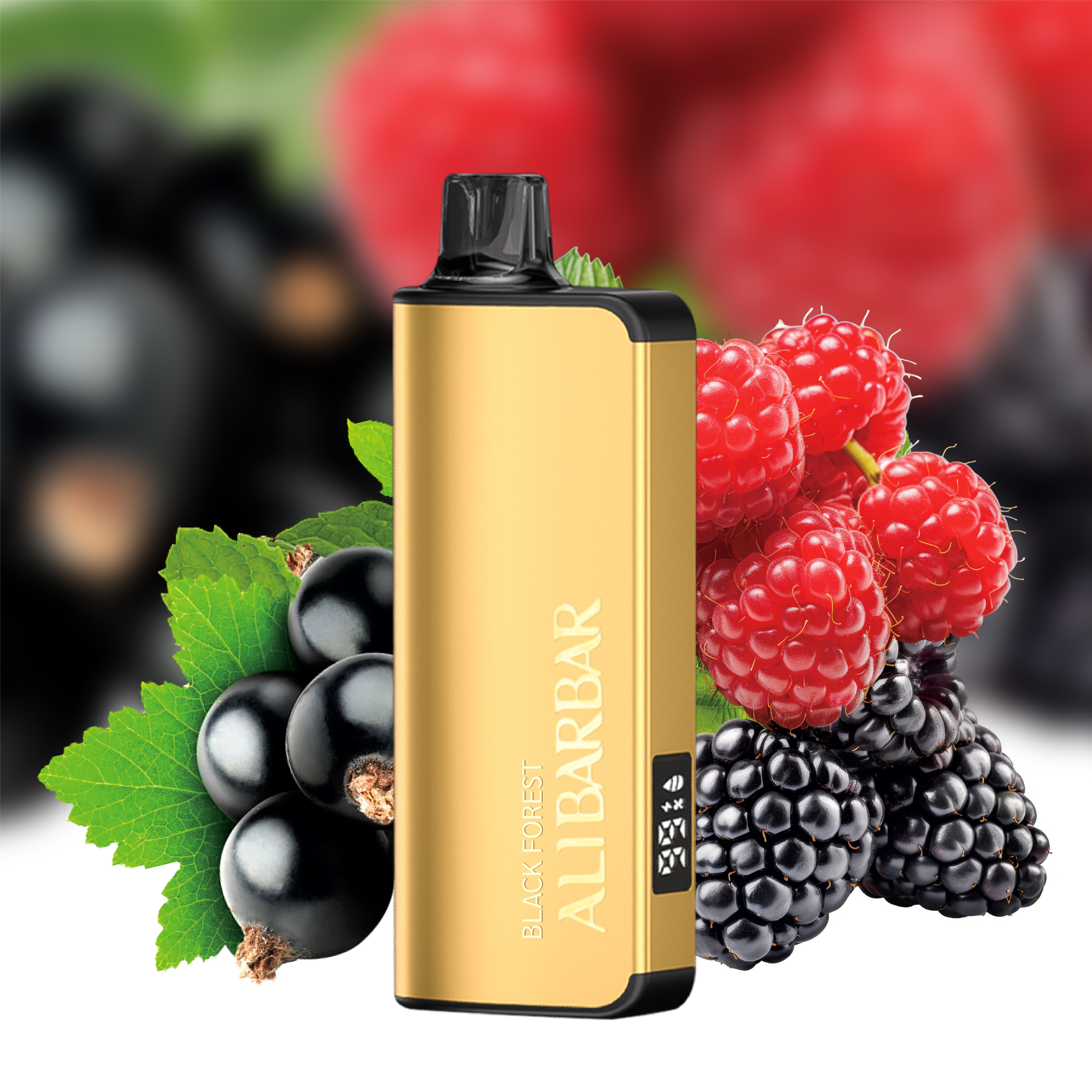
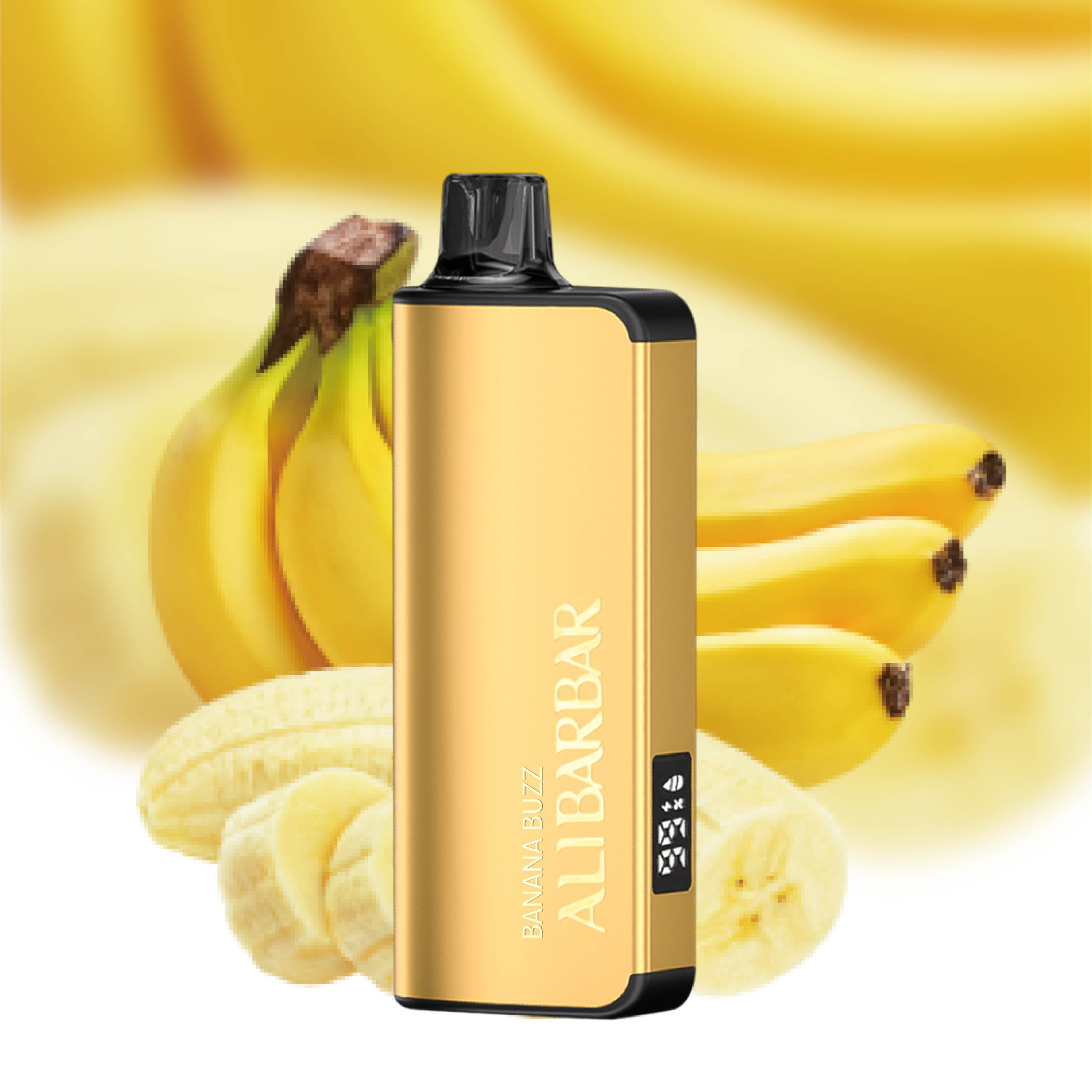
For Design & Premium Experience: If you value a distinctive feel and advanced features like battery indicators, brands like ALIBARBAR offer a different proposition. Their INGOT series, for example, focuses on metal construction and a unique form factor. While still offering substantial capacity, the experience is tailored towards users prioritising design and a sense of premium quality alongside functionality.
Ultimately, the question of “1 vape equals how many packs” is best answered with “it depends.” By using the 240-puff-per-pack baseline, consumers can better interpret product specifications and gauge a device’s potential longevity relative to a familiar benchmark. For a curated selection of devices where you can apply this understanding, consider exploring the range at a reputable retailer.
Frequently Asked Questions (FAQ)
Q1: Is the puff count on a device package an exact guarantee?
A: No, it is an estimate based on standard laboratory testing conditions. Real-world results will vary based on your individual inhaling style, the frequency of use, and environmental factors.
Q2: Can I directly compare the strength of a device to a cigarette brand?
A: No. This article only compares a numerical estimate of puffs (inhalations). It does not and cannot compare other components or make any claims about equivalency of experience or effect.
Q3: Why do some devices with similar puff counts last for different lengths of time?
A: Differences in battery efficiency, heating element design, and how the device manages its capacity can all affect real-world lifespan, even if the advertised puff count is identical.
Q4: How should I use the puff-pack equivalency information?
A: Use it as a rough guideline for understanding the potential scale of a device’s capacity. It helps answer “how long might this last compared to what I know?” but should not be your sole purchasing criteria.
Q5: Are devices with higher puff counts always better?
A: Not necessarily. A higher puff count means a larger device, which may be less portable. It’s a balance between desired longevity, portability, and the desire to switch between different options.
Q6: Does a 3500-puff device contain the same amount of material as 14 packs of cigarettes?
A: Absolutely not. The comparison is purely an arithmetic estimation of the number of inhalations. The materials, composition, and technology involved are completely different.
Q7: How can I make my device last as long as the advertised puff count?
A: Use it moderately, avoid very long, continuous puffs that can overheat the coil, and store it in a cool, dry place when not in use.
Q8: Where can I learn more about different device technologies and features?
A: For visual reviews and insights into device performance and design, independent creator channels like AidiHK on YouTube can be a useful resource for seeing products in action before you buy.