
VAPE Knowledge
Can You Take Disposable Vapes On A Plane

Sep
Navigating air travel with personal electronics requires careful planning, and for many adults who use alternative inhalation devices, this includes understanding the regulations around disposable vapes. The question, “Can you take disposable vapes on a plane?” is more nuanced than a simple yes or no. The answer hinges on strict adherence to airline safety policies and international aviation regulations, which are designed with passenger safety as the utmost priority. This comprehensive guide will break down everything you need to know, from packing correctly to navigating security, ensuring your journey is smooth and compliant.
Understanding the Core Regulations
The rules governing air travel with battery-powered personal devices are not arbitrary; they are based on international safety standards set by bodies like the International Civil Aviation Organization (ICAO) and enforced by national authorities such as Australia’s Civil Aviation Safety Authority (CASA). The primary concerns are fire risk and cabin pressurisation.
Lithium-ion batteries, which power disposable vapes, can pose a thermal runaway risk if damaged, short-circuited, or exposed to extreme conditions. In the cargo hold, a fire is catastrophic and difficult to contain. In the cabin, however, any incident can be identified and addressed immediately by crew. This fundamental principle dictates the most critical rule.
The Golden Rule: Carry-On Luggage Only
You must pack your disposable vapes in your carry-on baggage or on your person. They are strictly prohibited in checked luggage. This is a non-negotiable rule enforced by airlines and security agencies worldwide, including the TSA in the United States and all major Australian and international carriers. The risk of a battery malfunctioning in the unpressurised, unattended cargo hold is simply too great.
Step-by-Step Pre-Flight Preparation
Proper preparation avoids stressful encounters at the security checkpoint.
1. Check Airline and Destination-Specific Policies
Before you pack, visit your airline’s website and review their specific “dangerous goods” or “restricted items” policy. Research the laws of your destination country and any countries you have a layover in. Regulations regarding the possession and use of these devices vary dramatically across borders.
2. Packing Your Device Correctly
Prevent Accidental Activation: To avoid the device heating up in your bag, take steps to prevent the battery from completing a circuit. For draw-activated devices, this can be tricky. Some travellers use the original packaging or a small, hard case to protect the mouthpiece and prevent pressure changes from causing activation.
Battery Safety: Ensure the device is not damaged. A cracked or bent device should not be taken on a plane.
Quantity for Personal Use: Airlines generally expect you to carry only a reasonable quantity for personal use during your trip. Carrying an excessive number of devices may raise questions.
3. Navigating Airport Security
When you reach the security screening point, you should treat your disposable vapes like any other electronic device.
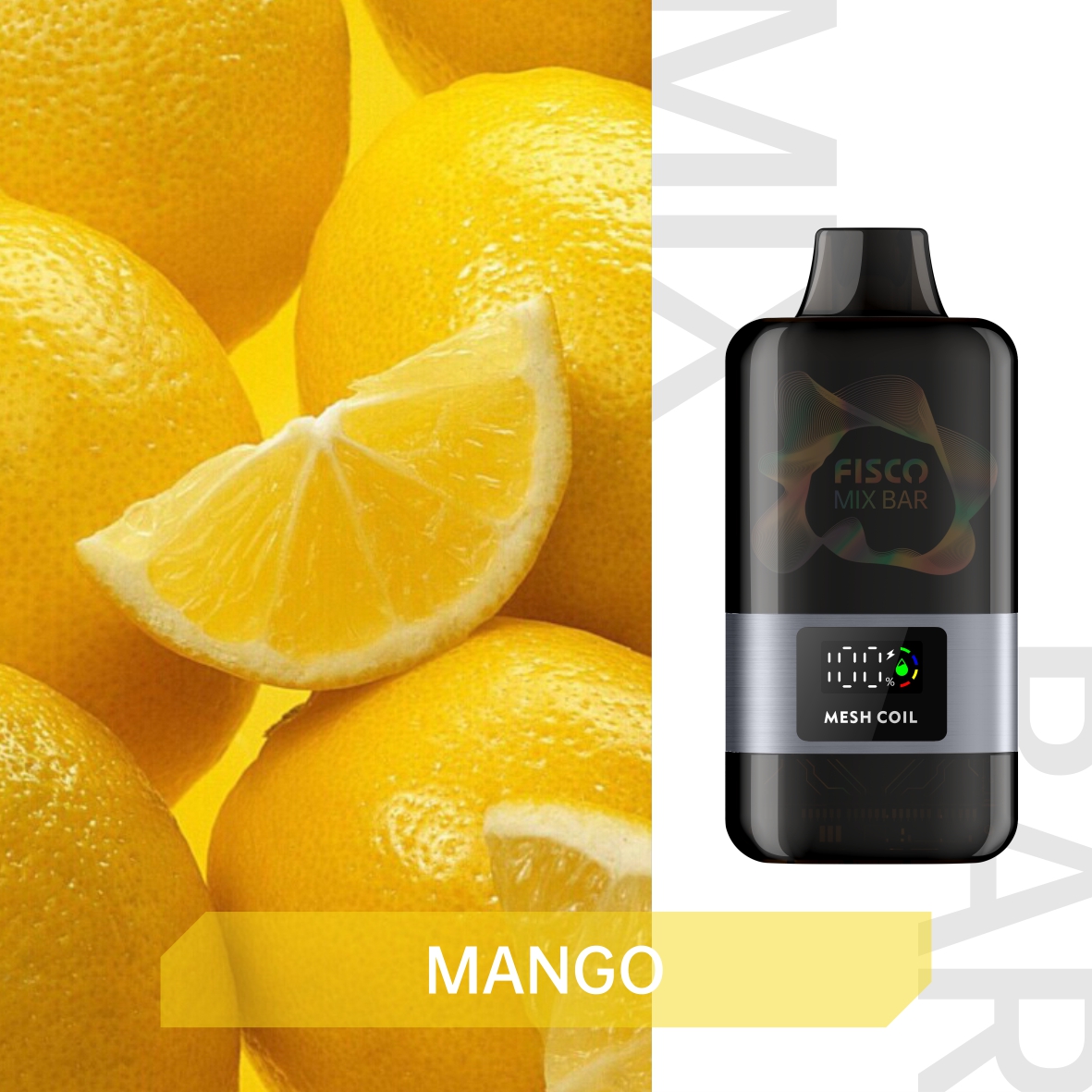
Be Ready for Inspection: While you usually don’t need to place them in a separate bin like laptops, security officers may ask you to remove them from your bag. Keep them easily accessible.
Transparency is Key: If asked, declare what the devices are. Security personnel are trained to recognise them.
The Absolute “Do Not” List
To ensure a hassle-free experience, these rules are paramount:
Do Not pack vapes in checked baggage.
Do Not use the device anywhere on the aircraft or in the airport terminal unless in a designated smoking area, which is increasingly rare. Using it in the aircraft lavatory is a serious offence, can trigger smoke alarms, and may result in heavy fines and being banned by the airline.
Do Not attempt to charge the device on the plane using USB ports.
What About the Capacity Inside?
This is a critical point often overlooked. The change in air pressure during ascent and descent can cause leakage. Sealed disposable devices are less prone than refillable systems, but the risk is not zero. The pressure differential can force the internal capacity out of the coil chamber and into the mouthpiece or airflow channels.
Tip to Minimise Leaks: If possible, store the device in a small sealable bag (like a ziplock bag) during the flight. This will contain any minor leakage and protect other items in your carry-on.

Key Considerations for International Travel
This cannot be stressed enough: Laws vary by country. Some nations have outright bans on the importation, sale, or use of vaping products. Ignorance of the law is not an excuse and could lead to confiscation, significant fines, or even detention. Always verify the legal status at your destination through official government channels before you travel.
Where to Find Reliable Travel-Friendly Products
For Australian travellers looking for compliant and high-quality devices suited for travel, it’s essential to purchase from a reputable source that understands these regulations. One such established retailer is Auvape VAPE Store, which provides clear information on products and can be a resource for understanding device specifications relevant to travel.
Frequently Asked Questions (FAQ)
H3: 1. Can airport security scanners detect disposable vapes in my bag?
Yes, the metal components and battery will show up on the X-ray. Security officers are very familiar with their appearance.
H3: 2. How many disposable vapes can I take on a plane?
Airlines don’t usually specify a hard number, but the general rule is a “reasonable quantity for personal use.” Carrying dozens may be questioned. Always check with your airline first.
H3: 3. Why are they banned in checked luggage but allowed in carry-on?
It’s a safety issue. If a lithium battery fails and overheats in the cabin, the crew can detect and extinguish it. In the cargo hold, a fire can spread uncontrollably.
H4: 4. Will the pressure change on the plane ruin my disposable vape?
It can cause the internal capacity to leak due to pressure differentials. Storing it upright in a sealed bag is the best mitigation.
H4: 5. Can I use my disposable vape in the airport?
Only in designated smoking areas, which are now very uncommon in most international airports. Never use it in general terminal areas, lounges, or restrooms.
H3: 6. What happens if I accidentally put my vape in my checked bag?
If found during screening, your bag will likely be opened, and the item removed. This can delay your luggage or result in you being called to the screening area, potentially missing your flight.
H4: 7. Are the rules different for domestic vs. International flights in Australia?
The airline rule (carry-on only, no use on board) is the same. The major difference is the legal regulations at your destination, which is especially critical for international travel.
H3: 8. What should I do if a security officer asks me about my device?
Be honest and polite. Clearly state what it is. They are simply doing their job to ensure safety compliance.
the definitive answer to “can you take disposable vapes on a plane?” is yes, but with very specific and non-negotiable conditions. By following the guidelines of keeping them in your carry-on, preventing activation, preparing for potential leaks, and meticulously checking destination laws, you can ensure your travel plans are not disrupted. For a wide selection of products and further guidance, informed consumers often turn to specialists. Always prioritise safety and compliance to ensure a smooth journey for yourself and all passengers, making your experience with disposable vapes on a plane straightforward and stress-free. For more visual guides and tips, you can check out external resources like this informative channel on modern lifestyle products.