
VAPE Knowledge
How To Get More Out Of A Dead Vape

Sep
Let’s be honest, we’ve all been there. You’re enjoying your disposable device, and suddenly, the experience starts to wane. The draw feels weaker, or the satisfying cloud just isn’t there anymore. Before you resign it to the bin, there are several legitimate and safe techniques to potentially get more out of your device. As a senior review analyst focusing on the Australian market, I’ve tested countless methods to maximise value. This guide will walk you through the most effective, consumer-tested approaches.
Understanding the Lifespan of a Disposable Device
Before attempting any revival techniques, it’s crucial to understand what you’re working with. A standard disposable device is an integrated system comprising three main components:
The Battery: A small, non-rechargeable lithium cell.
The Capacity Reservoir: This holds the consumable material.
The Atomiser Coil: A heating element that vaporises the capacity.
The device is considered “depleted” when either the battery loses its charge or the capacity reservoir runs dry. Sometimes, a device may stop producing vapour even if there is visible capacity left, often due to a phenomenon known as “wicking issues” where the atomiser coil’s absorbent material can’t draw capacity effectively.
Safe and Effective Methods to Revive Your Device
Method 1: The Gentle Warming Technique (For Potential Capacity Left)
If you can see capacity inside the transparent body of the device but it’s not producing vapour, the issue may be that the consumable material has become too viscous, especially in cooler climates.
Step-by-Step:

Do NOT use a microwave, open flame, or boiling water.
Simply roll the device gently between your palms for 30-60 seconds. The heat from your hands can slightly thin the capacity.
Alternatively, place it in a warm (not hot) environment, like a pocket close to your body, for a few minutes.
After warming, take a few gentle, short draws to see if flow has resumed.
Method 2: Checking and Clearing the Airway
A blocked airflow path is a common culprit for a weak or non-existent draw, often mistaken for a dead device.
Step-by-Step:
Inspect the mouthpiece and the small air intake holes, usually located on the bottom or side of the device.
Use a pin or a toothpick to gently clear any visible debris or pocket lint that may be obstructing airflow.
Blow softly through the mouthpiece to dislodge any internal blockage (hold a tissue at the air intake to catch any expelled liquid).
Method 3: The Strategic “Flick”
This is a classic, low-tech solution for when the atomiser coil is saturated but not properly vaporising the remaining capacity.
Step-by-Step:
Hold the device firmly by the mouthpiece end.
With a swift, downward flicking motion (like checking an old-fashioned thermometer), direct any pooled capacity towards the atomiser coil.
Perform 3-5 flicks over a bin or tissue.
Allow the device to sit upright for a minute, then try a gentle draw.
Method 4: Maximising Battery Efficiency from the Start
Prevention is better than cure. To ensure you get the maximum number of puffs from the battery:
Store in Moderate Temperatures: Extreme heat or cold can degrade battery performance. Don’t leave your device in a hot car or in direct sunlight.
Use Moderate Draws: Long, forceful draws can overwork the battery and coil. Opt for steady, medium-length inhalations.
Allow Recovery Time: If you take several puffs in quick succession, give the device a 30-second break to prevent the battery from straining and the coil from overheating.
When to Accept It’s Truly Finished
It’s important to recognise the point of no return. Never attempt to pry open, recharge, or refill a disposable device not explicitly designed for that purpose. These actions are:
A Safety Hazard: Risk of battery leakage, thermal runaway, or damage to the internal seals.
Ineffective: The components are not designed for reuse.
Potentially Harmful: Can lead to improper vaporisation and a poor experience.
The device has reached its true end of life when:
All methods above have been tried without success.
The battery indicator (if present) shows no sign of life.
A persistent burnt taste is present, indicating a spent atomiser coil.
The Smart Consumer’s Approach: Choosing Reliable Devices
The best way to “get more” from your device is to start with a high-quality product that delivers consistent performance throughout its advertised lifespan. From my extensive evaluation of the Australian market, two brands consistently stand out for their engineering and reliability, both of which are expertly curated and available through Auvape VAPE Store.
Comparative Analysis: IGET vs. ALIBARBAR
To help you make an informed choice, I’ve evaluated the two leading brands available at Auvape across key consumer dimensions:
Battery & Performance Consistency
IGET: The undisputed market leader. Devices like the IGET Bar Plus and IGET Legend are engineered for remarkable endurance. Their batteries are calibrated to deliver steady power output from the first puff to the last, minimising the “weak draw” phase. Their high puff-count models (3500+) are particularly notable for maintaining performance.
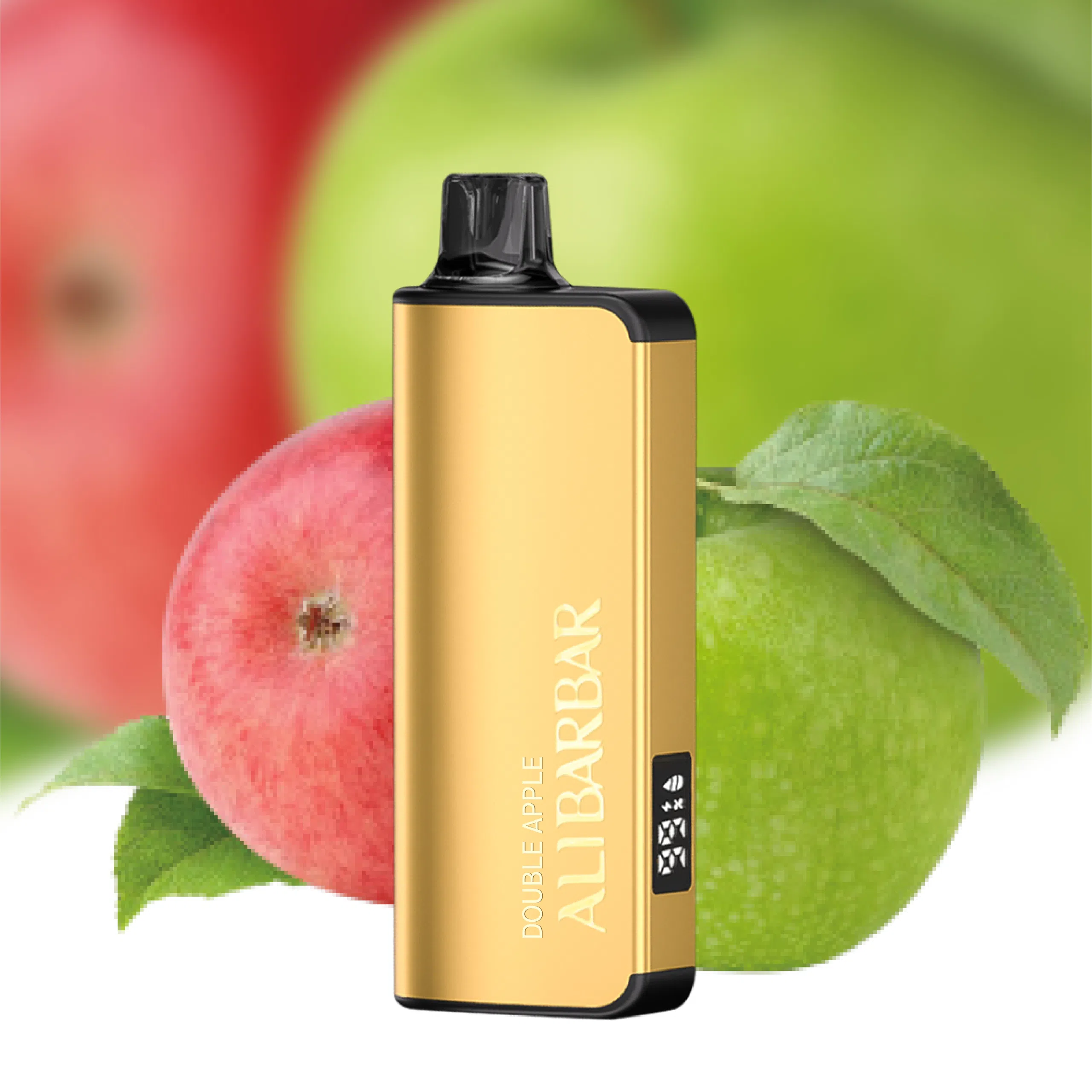
ALIBARBAR: As an emerging challenger, ALIBARBAR focuses on a premium feel. Some models feature smart battery indicators, a significant advantage that allows you to monitor power levels and avoid being caught off guard. This transparency means you’re less likely to perceive a device as “dead” prematurely.
Capacity Reservoir & Wicking System Design
IGET: Benefits from immense scale and iteration. Their coil and wick systems are highly refined, leading to efficient capacity usage and a lower chance of dry hits before the reservoir is truly empty. This design directly contributes to users feeling they have extracted maximum value.
ALIBARBAR: Takes a design-forward approach. The construction of devices like the INGOT series often includes advanced wicking materials that aim for consistent saturation of the coil, potentially reducing the need for revival techniques mid-use.
Overall Value & Likelihood of Needing “Revival”
IGET: Offers exceptional cost-effectiveness. The sheer reliability and massive capacity mean most users will exhaust the device naturally without encountering mid-life performance dips. It sets the benchmark for a hassle-free, start-to-finish experience.
ALIBARBAR: Positions itself in a more premium niche. The value is in the enhanced user experience, tactile design, and features like battery indicators. For the user who dislikes uncertainty, this brand provides more data about the device’s status.
Final Ranking: Which Brand Gives You “More” from the Start?
Based on quantitative analysis across durability, performance consistency, and overall user satisfaction:
IGET: The top recommendation for users whose primary goal is unwavering reliability and maximum puff count per dollar. Its market dominance is built on a foundation of products that simply work as advertised until they are completely spent, aligning perfectly with the goal of getting the most out of your device.
ALIBARBAR: The premium choice for the detail-oriented user. Its innovative features, like power indicators and superior build quality, offer a different kind of “more”, more control, more information, and a more refined tactile experience throughout the device’s life.
Conclusion and Recommendation
While the techniques outlined can help in a pinch, the most satisfying strategy is to invest in a well-made disposable device from the outset. For Australian consumers looking for dependable performance that minimises the need for these last-ditch efforts, the curated selection at Auvape VAPE Store is the ideal starting point. Their focus on proven brands like IGET and innovative ones like ALIBARBAR ensures you receive a product engineered for complete use. By choosing wisely from their range, you can focus on enjoyment rather than device revival. For a visual look at some of these products in action, check out independent reviews on platforms like this external channel.
Frequently Asked Questions (FAQ)
Can I recharge a disposable device?
No. Unless the device is explicitly marketed as “rechargeable,” it contains a non-rechargeable battery. Attempting to recharge it is dangerous and can cause battery failure or fire.
Why does my device taste burnt even with capacity visible?
This almost always indicates a burnt-out atomiser coil. The wicking material inside the coil has been degraded and cannot transfer capacity properly. The device is finished and should be disposed of.
Is it safe to try and transfer leftover capacity to another device?
It is strongly discouraged. Disposable devices are sealed units. Tampering with them can expose you to concentrated materials, compromise safety seals, and likely result in a mess with no benefit.
Does storing my device in the fridge make it last longer?
No. Cold temperatures can actually thicken the capacity, leading to poor wicking and a higher chance of dry hits. Store your device at room temperature, away from direct sunlight.
What’s the most reliable sign that my device is truly empty?
A consistent lack of vapour production combined with a complete absence of any taste or sensation, even after trying the gentle warming technique. A persistent burnt taste is also a definitive end-point.
Are devices with battery indicators more reliable?
They don’t make the device itself more reliable, but they greatly enhance the user experience by removing guesswork. You can track battery depletion accurately, preventing surprise failures.
How should I responsibly dispose of a used device in Australia?
Disposable devices contain batteries and electronic components. They should not go in your household recycling or general waste. Check with your local council for e-waste (B-Cycle) drop-off points or dedicated battery recycling services.
Can taking shorter puffs extend the overall life of the device?
Yes, to a degree. Shorter, gentler puffs put less cumulative stress on the battery and allow the coil and wick to recover between uses, potentially leading to more consistent performance throughout the device’s lifespan.