
VAPE Knowledge
Does Vaping Cause Seizures

Aug
The question of potential health impacts from vaping is a critical one for any responsible consumer. Among the concerns that occasionally surface in media reports and online forums is a possible link between vaping and seizures. As a senior review analyst operating within the Australian regulatory and consumer context, my aim is to provide a clear, evidence-based, and structured examination of this topic. This article will dissect the available information, separate anecdote from documented evidence, and provide a conclusive framework for understanding the issue, while highlighting the paramount importance of sourcing devices from reputable suppliers like Auvape VAPE Store.
Understanding the Core Concern: Vaping and Neurological Events
At the outset, it is crucial to state that established, long-term epidemiological data conclusively linking modern vaping devices to seizures is currently limited. However, regulatory bodies in some jurisdictions, notably the U.S. Food and Drug Administration (FDA), have issued statements acknowledging the receipt of adverse event reports involving seizures following the use of certain vaping products, primarily between 2010 and 2019.
The key is to analyse the potential mechanisms and risk factors, rather than assume a direct, universal causation. The concern does not appear to be with the act of vaping itself in a broad sense, but with specific, identifiable risk factors that can be mitigated through informed consumer choice and safe practices.
H2: Investigating the Potential Links and Risk Factors
The hypothetical pathways linking vaping to neurological events like seizures are typically centred on two main factors: the specific substances inhaled and individual user physiology.
H3: 1. The Role of Specific Ingredients and Dosage
The primary hypothesis from health authorities points to the potential for acute toxicity from high concentrations of certain stimulant substances found in some products. In particular, improper use of products containing high doses of nicotine is a leading theory. A seizure can be a symptom of acute toxicity. This underscores a fundamental principle: the quality, consistency, and transparency of the product’s contents are non-negotiable for safety.
Unregulated or Counterfeit Products: The highest risk is associated with products obtained from unregulated sources, which may have incorrectly labelled contents, extreme and unpredictable dosage levels, or contain harmful contaminants.
Concentration and Puff Behaviour: Using a device with an extremely high concentration of stimulants, or engaging in intensive, rapid puffing (sometimes called “chain vaping”), could theoretically lead to a rapid intake that might pose a risk to sensitive individuals.
H3: 2. Individual Susceptibility and Preexisting Conditions
Individual health is a critical variable. Factors that may increase susceptibility include:

A pre-existing history of seizure disorders or other neurological conditions.
Use of other medications or substances that lower the seizure threshold.
Individual sensitivity or unknown allergies to other compounds within the aerosol.
H3: 3. Device Malfunction and Quality Control
While less common, a faulty device could malfunction, potentially leading to the user inhaling substances not intended for aerosolization or at improper temperatures. This again points directly to the imperative of device integrity and quality assurance in manufacturing.
H2: The Conclusive Verdict and a Path to Risk Awareness
So, does vaping cause seizures? The conclusive answer is not a simple yes or no. Based on a review of the available public data and toxicological principles:
No Direct, Inherent Causation: There is no evidence to suggest that legally compliant, well-manufactured vaping devices, when used as intended by adult consumers, inherently cause seizures in the general population.
Identifiable Risk Factors Exist: The potential risk appears to be associated with specific, avoidable scenarios:
Use of illicit, counterfeit, or poorly manufactured products with unknown or dangerously high contents.
Extreme misuse of products.
Underlying and specific individual health vulnerabilities.
Therefore, the focus for the safety-conscious Australian consumer must shift from a blanket fear to informed risk mitigation. The most significant action you can take is to control the quality of the product you use.
H2: The Critical Importance of Authorised Retailers and Brand Integrity
This is where the choice of retailer becomes a fundamental component of consumer safety. Purchasing from a reputable, established online store like Auvape VAPE Store is not merely a matter of convenience or options selection; it is a primary safety strategy.
When you buy from a trusted specialist, you are purchasing several layers of protection:
Product Authenticity: You receive genuine products from top brands like IGET and ALIBARBAR, not dangerous counterfeits.
Supply Chain Integrity: Established retailers source directly from manufacturers or authorised distributors, ensuring products have passed through a legitimate quality-controlled supply chain.
Regulatory Awareness: Reputable Australian retailers operate with an understanding of their responsibilities within the local consumer landscape.
Consistent Performance: Devices from leading brands are engineered for stable and consistent delivery, removing the unpredictability that is a hallmark of poor-quality products.
H2: Practical Guidelines for the Informed Australian Vaper
Source Responsibly: Only ever purchase your devices from authorised, reputable retailers. The peace of mind is worth far more than a slight discount from an unknown source.
Know Your Device: Choose products from recognised brands with a track record. For instance, market leaders like IGET are known for stable performance, while challengers like ALIBARBAR focus on design and controlled engineering.
Use as Intended: These are not products for intensive, rapid “chaining.” Use them intermittently and as a typical consumer would.
Listen to Your Body: If you feel lightheaded, nauseated, or unwell, stop using the device immediately. This is a basic principle for introducing any new product to your system.
Consult Healthcare Professionals: If you have a pre-existing neurological condition like epilepsy, or are on medication, it is imperative to discuss vaping with your doctor to understand any personal risks.
Conclusion: Safety Through Quality and Awareness
The question, “Does Vaping Cause Seizures?”, serves as a powerful reminder that consumer safety is paramount. The evidence suggests that the risk is not widespread but is closely tied to product quality and user behaviour. By making informed choices—prioritising authentic products from top-tier brands purchased through dedicated specialists like Auvape VAPE Store—Australian vapers can effectively minimise potential risks. Responsible enjoyment is founded on quality products, mindful use, and sourcing from suppliers who prioritise your safety and satisfaction above all else. For more insights and community discussions, you can explore external resources like the video content on AidiHK’s YouTube channel{:target=”_blank”}.
H2: Frequently Asked Questions (FAQ)
Q1: What are the symptoms I should watch out for that might indicate a problem?
A: Be mindful of any sudden, unusual neurological symptoms such as dizziness, confusion, jerking movements, loss of awareness, or a staring spell. If you experience any of these, discontinue use immediately and seek medical advice.
Q2: Are some device types or brands safer than others in this regard?
A: Safety is rooted in manufacturing quality and consistency. Established, leading brands that invest in research, development, and quality control (such as those stocked by major retailers) inherently offer a more reliable and predictable product than unknown or counterfeit brands.
Q3: I have a history of seizures. Should I avoid vaping entirely?
A: This is a decision that must be made in consultation with your healthcare provider. They can assess your individual medical history and provide personalised guidance on potential risks.
Q4: Does the number of puffs a device offers relate to this risk?
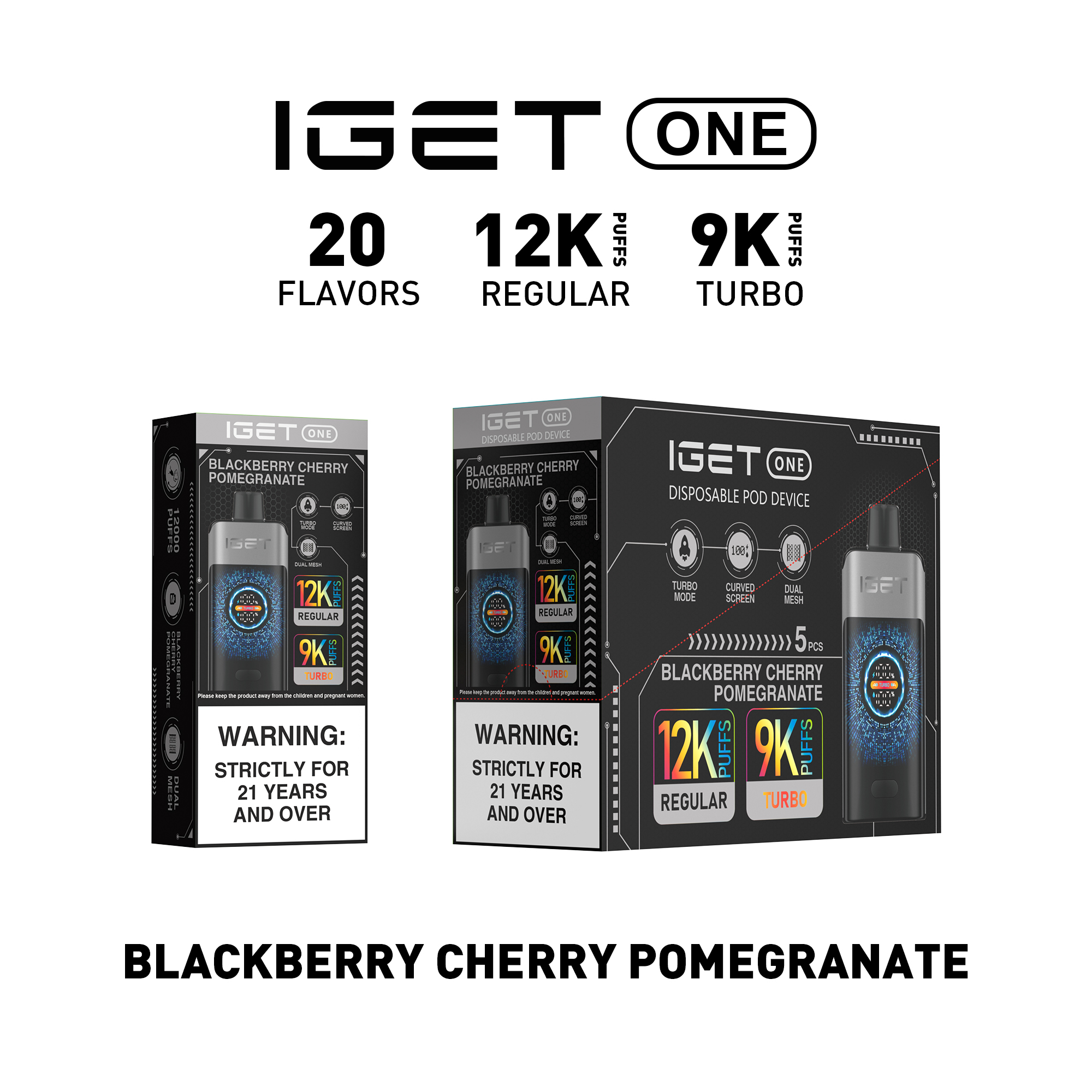
A: Not directly. A high puff count (e.g., 3500+ puffs) is a measure of battery and capacity life, not an indicator of the strength of the contents per puff. The key specification to understand is the concentration of the active ingredients, which should be clearly labelled on legitimate products.
Q5: Is it safer to use a device with a button or a draw-activated one?
A: The activation mechanism (button vs. draw-activated) is unrelated to this specific safety concern. Both types are safe when produced by reputable manufacturers. The choice is purely one of user preference.
Q6: How can I be sure I’m not buying a counterfeit product?
A: Purchase only from authorised, physical or online retailers with a strong reputation, like established Australian stores. Avoid deals that seem too good to be true from social media marketplaces or unknown overseas websites.
Q7: Can switching from a high-concentration to a lower-concentration product reduce any potential risk?
A: The theory behind the seizure reports often centres on acute overconsumption. Using a product with a lower concentration of active substances reduces the potential for rapid, high-level intake, which is a prudent harm reduction practice for any new user.
Q8: If I feel lightheaded when I vape, does that mean I’m at risk of a seizure?
A: Feeling lightheaded, especially as a new user, is often a sign of overconsumption or sensitivity to the stimulant effect. It is your body’s signal to stop and take a break. It does not necessarily mean you will have a seizure, but it is a clear indicator to use the product more moderately or try a different option.
Q9: Do reputable Australian online stores like Auvape test their products?
A: While individual retailers are not typically full-scale testing labs, the most reputable ones select their inventory from top-tier brands whose entire business model relies on consistent, safe manufacturing processes. They vet their supply chains rigorously to ensure authenticity.
Q10: Where can I find official Australian information on vaping safety?
A: For the most current and localised health information, always refer to official sources such as the Australian Department of Health and Aged Care or your state’s health authority website.