
VAPE Knowledge
How Much Formula In 1 Puff Of Vape
Aug
You take a drag from your vape, and a satisfying cloud of vapour appears. But have you ever paused to wonder, exactly how much nicotine is in that single puff? The answer is more complex than a simple number, as it depends on a delicate interplay between your device, the e-liquid, and your vaping technique. For Australian consumers handling the world of disposable vapes from popular retailers like Auvape VAPE Store, understanding nicotine intake is crucial for a controlled and enjoyable experience. This definitive guide will break down the science, explain the variables, and provide clear insights tailored to the products you love.
The Short Answer: It’s Not a Fixed Number
Let’s address the core question directly: There is no single, universal amount of nicotine in one puff of a vape. Attempting to pin it down to a specific milligram figure is misleading. Instead, think of it as a formula influenced by several key factors. A single puff can deliver a nicotine range from approximately 0.1mg to over 2mg, depending on the setup. The primary determinants are the nicotine strength of the e-liquid and the power & efficiency of the vaping device.
Deconstructing the Variables: What Influences ENDS Per Puff?
To truly grasp your intake, you must understand the components at play. Here’s a detailed breakdown of the major factors.
1. Device Type and Power Output
The hardware you use is perhaps the most significant variable.
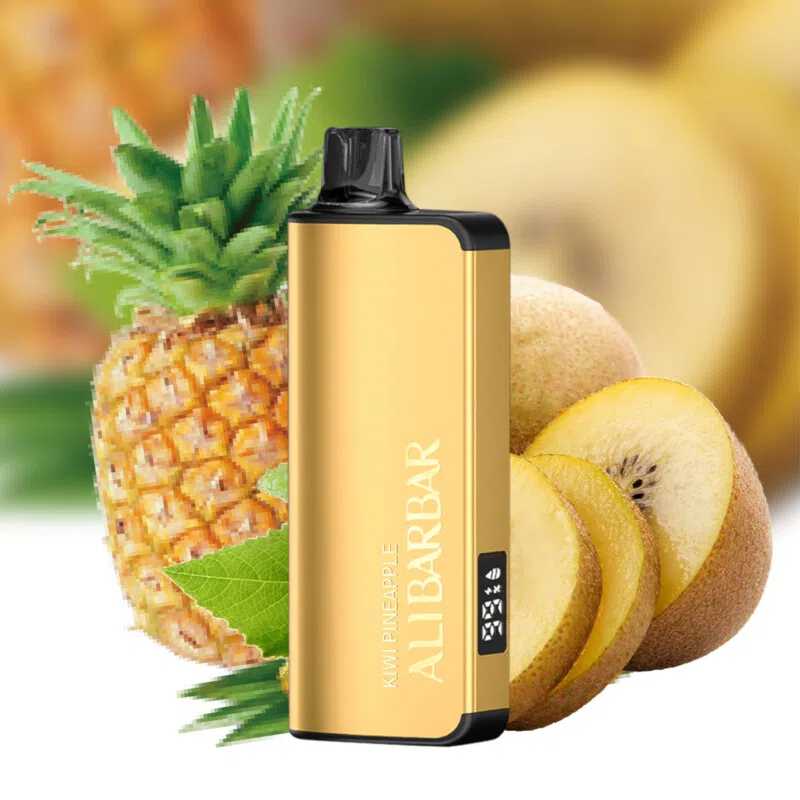
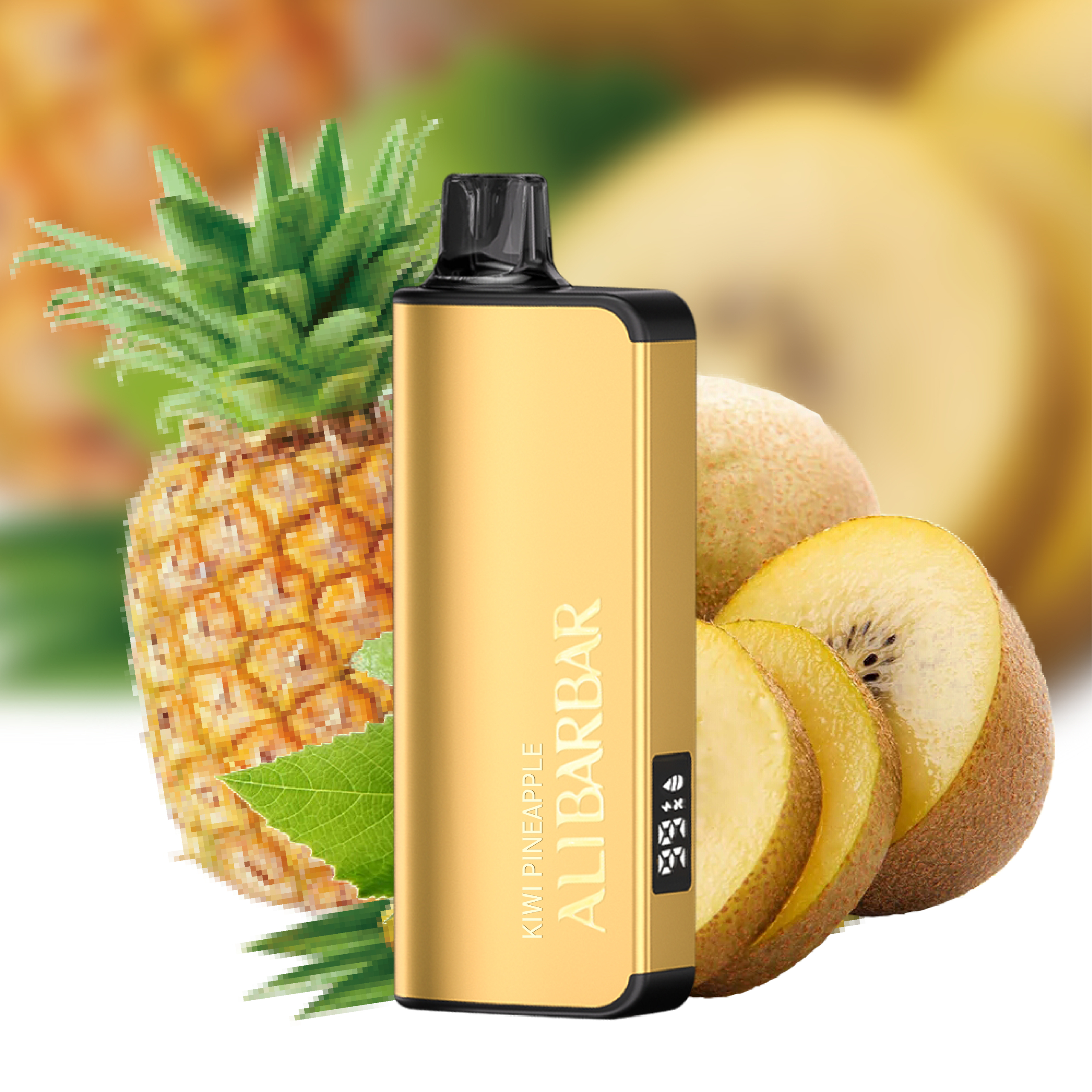
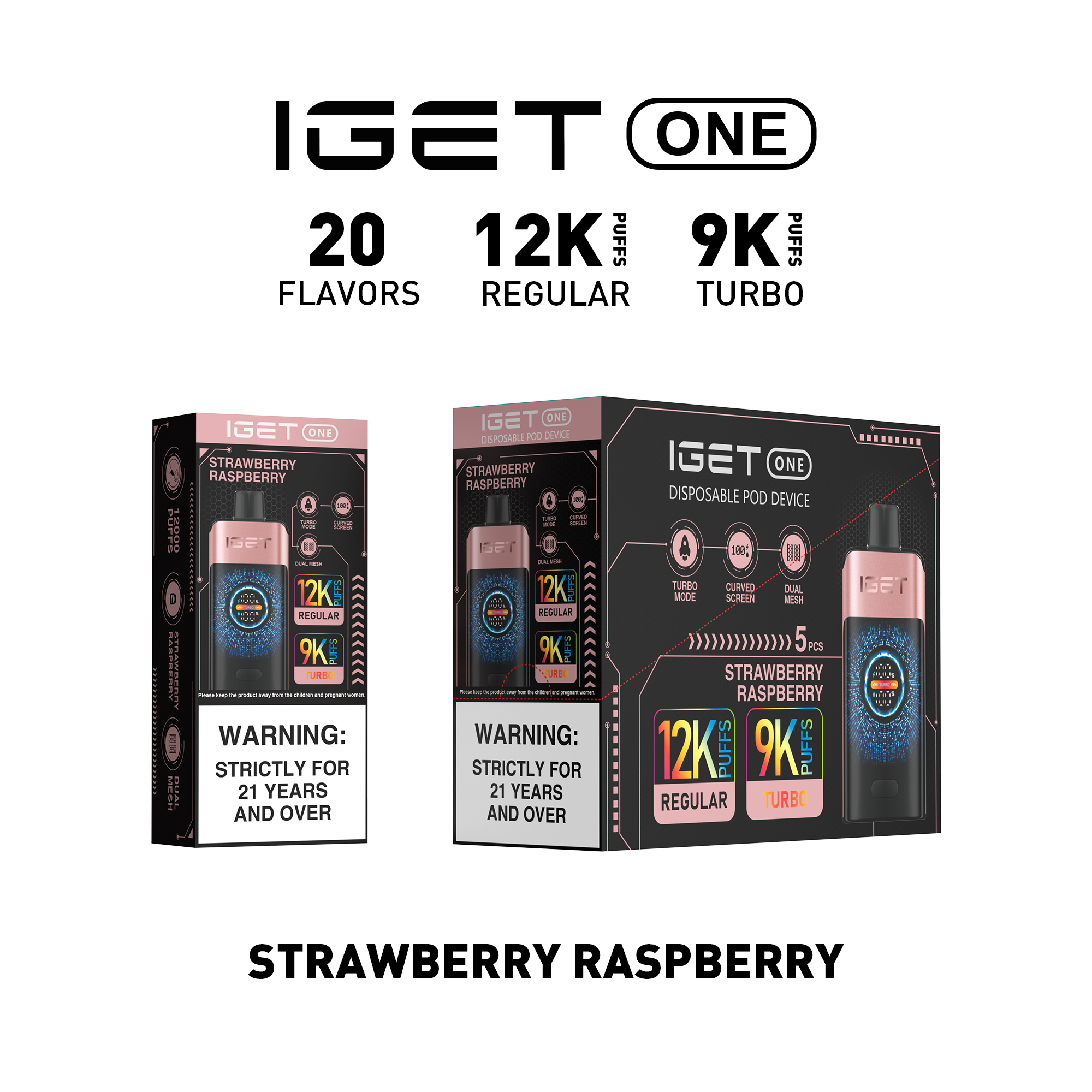
Disposable Vapes (e.g., IGET, ALIBARBAR): These are typically low-to-moderate power devices designed for convenience and a smooth draw. They are generally less powerful than advanced mod systems, meaning each puff vaporises less e-liquid. Consequently, the nicotine delivered per puff is usually on the lower to middle range of the scale. Their consistency is a key selling point, each puff from a specific model is designed to be similar.
Pod Systems: Similar to disposables in power, often using similar coil resistances. ENDS delivery is comparable.
Advanced Box Mods & Sub-Ohm Tanks: These high-power devices produce massive clouds by vaporising e-liquid at a much higher rate. Even if they use the same nicotine strength e-liquid, a single puff from a sub-ohm device will deliver significantly more nicotine because it is vaporising and inhaling a much larger volume of liquid per second.
2. E-Liquid ENDS Strength and Formulation
This is the labelled variable, usually expressed in milligrams per millilitre (mg/mL) or as a percentage.
Freebase ENDS: The traditional form. Common strengths are 3mg, 6mg, 12mg, and 18mg/mL. It provides a sharper “throat hit.” Higher strengths (above 12mg) are generally not used in powerful devices due to the harshness.
ENDS Salts (Nic Salt): This is the formulation used in almost all modern disposable vapes, including the popular IGET and ALIBARBAR ranges. ENDS salts allow for much higher strengths (like 20mg/mL, 35mg/mL, or 50mg/mL, often 5%) without the harsh throat hit. This is crucial for understanding disposables: they use high-strength nicotine salts in low-power devices to deliver a satisfying nicotine effect smoothly and efficiently.
3. User Behaviour: The Human Factor
How you vape dramatically affects the dose.
Puff Duration: A 1-second mouth-to-lung puff will inhale far less vapour than a deep, 4-second direct-to-lung drag.
Inhalation Style: Mouth-to-lung (MTL), mimicking a cigarette, is standard for disposables and pod systems. Direct-to-lung (DTL), used with sub-ohm devices, draws vapour straight into the lungs, resulting in much larger intake per puff.
Frequency: Obviously, more puffs in a session equals more total nicotine.
Putting It Into Practice: Real-World Examples from Popular Brands
Let’s apply this knowledge to products you might buy from an Australian retailer like Auvape VAPE Store{:target=”_blank”}, a specialist in top brands like IGET and ALIBARBAR.
Scenario A: The IGET Bar / Bar Plus / Hot Series
Device: A standard disposable, low-to-moderate power output.
Typical ENDS Strength: 5% (50mg/mL) ENDS Salts.
Puff Style: Mouth-to-Lung, with an average puff duration of 2-3 seconds.
Estimated ENDS Per Puff: Given the high salt strength but modest vapour production, a single, average puff from an IGET Bar likely delivers between 0.8mg and 1.5mg of nicotine. This is designed to be satisfying for a former smoker, approximating the nicotine delivery of a cigarette in a single puff.
Scenario B: The ALIBARBAR INGOT Series
Device: A premium disposable, often with slightly enhanced coil design and battery. May produce a slightly denser vapour than a basic model.
Typical ENDS Strength: 5% (50mg/mL) ENDS Salts.
Puff Style: Mouth-to-Lung.
Estimated ENDS Per Puff: Slightly higher vapour production could mean a range of 1.0mg to 1.8mg per puff, depending on the specific model and user draw. The “premium” feel often translates to a consistent and satisfying nicotine delivery.
Scenario C: A Refillable Pod System with 20mg/mL Nic Salts
Device: A reusable pod vape (like a Uwell Caliburn).
ENDS Strength: 2% (20mg/mL) ENDS Salts.
Puff Style: Mouth-to-Lung.
Estimated ENDS Per Puff: Lower strength but similar device performance. Likely in the range of 0.3mg to 0.7mg per puff.
How to Estimate Your Own Intake: A Simple Method
While precise measurement is impossible without a lab, you can make an educated estimate:
Identify Your Liquid Strength: For disposables, it’s almost always 5% (50mg/mL). Check the packaging.
Know Your Device’s E-Liquid Capacity: An IGET Bar Plus holds approximately 12mL of e-liquid.
Calculate Total ENDS in the Device: 12mL x 50mg/mL = 600mg of total nicotine in the device.
Check the Puff Count: The device is rated for, say, 3500 puffs.
Estimate Average Per Puff: 600mg / 3500 puffs = ~0.17mg of nicotine per puff.
Important Caveat: This is a theoretical average. It assumes perfect efficiency and even distribution, which isn’t real-world. The first puffs will be more potent than the last, and your inhale strength changes it. This calculation gives you a lower-bound baseline. The actual felt amount per puff, especially in the first half of the device’s life, will be higher, likely in the 0.8mg-1.5mg range as mentioned earlier, which aligns with the experience of satisfying a nicotine craving.
Health and Safety Considerations for Australian Vapers
Understanding nicotine content is a key part of responsible vaping.
ENDS is an Addictive Stimulant. Its primary purpose in e-liquids is to provide an alternative to cigarette smoking. Controlling your intake is important.
Start Low if You’re New. If you are new to nicotine, a 5% (50mg) disposable is very strong. Consider seeking out lower-strength options (like 20mg or lower) from your retailer.
Listen to Your Body. Signs of too much nicotine (nicotine sickness) include dizziness, nausea, headache, and increased heart rate. If you feel this, stop vaping, drink water, and take a break.
Storage and Disposal: Always store vaping products away from children and pets. Dispose of used disposables responsibly at designated battery or e-waste collection points, do not throw them in general household bins.
Making Informed Choices: Your Guide to Controlled Consumption
To manage your nicotine intake effectively:
Choose the Right Strength: Match the nicotine strength to your habit. Heavy smokers may prefer 5% salts from brands like IGET, while lighter users should look for 2% options.
Be Mindful of Puffing Habits: If you’re chain-vaping, you’re significantly increasing your intake. Be conscious of your session length and frequency.
Select Reputable Retailers: Purchasing from established, knowledgeable Australian stores like Auvape VAPE Store ensures you get authentic products with accurate labelling. This is vital for trust and safety.
Consider the Device: If you find disposables too strong, a refillable pod system where you can choose your own lower-strength nicotine salt liquid offers much more control.
Conclusion: Knowledge is Power for a Better Vaping Experience
So, how much nicotine is in one puff of a vape? As we’ve explored, it’s a dynamic equation shaped by your device’s power, the e-liquid’s nicotine salt concentration, and your personal inhalation technique. For the majority of Australian vapers using popular 5% nicotine salt disposables from leading brands like IGET and ALIBARBAR, a single puff is engineered to deliver a satisfying dose that effectively replaces the need for a cigarette, typically estimated to be in the range of 1mg.
By understanding these mechanics, you empower yourself to make smarter, safer choices that align with your personal goals, whether that’s smoking cessation or recreational enjoyment. For a curated selection of reliably dosed, premium products from the brands discussed, exploring a dedicated specialist like Auvape VAPE Store is a prudent step towards a more informed and satisfying vaping journey. For visual guides and reviews on using these products, you can also check out community resources on platforms like YouTube{:target=”_blank”}.
Frequently Asked Questions (FAQ)
Q1: How many puffs of a 5% vape are equal to one cigarette?
A: This varies, but a common estimate is that a single cigarette delivers about 1mg of absorbed nicotine. Given that a puff from a 5% disposable may deliver roughly 1mg, it’s often said that 10-15 puffs can be roughly equivalent to the nicotine of one cigarette, though absorption rates differ.
Q2: Is there more nicotine in a vape puff or a cigarette puff?
A: Typically, a puff from a high-strength (5%) nicotine salt vape can deliver a similar or slightly higher amount of nicotine per puff than a cigarette. However, the ritual and duration of smoking a whole cigarette versus taking a few vape puffs make direct puff-to-puff comparisons less meaningful than comparing the entire experience.
Q3: Can I get disposable vapes with zero nicotine in Australia?
A: Yes, some brands and models offer zero-nicotine (0mg/mL) options. They are less common than nicotine-containing versions but are available for those who enjoy the sensory experience of vaping without the addictive stimulant. Check with your retailer’s selection.
Q4: Why don’t I feel dizzy from a disposable like I did from cigarettes if the nicotine is similar?
A: ENDS salts provide a smoother throat hit, allowing you to inhale more nicotine without the harsh, dizzying sensation that freebase nicotine or cigarette smoke can cause. The nicotine delivery is more efficient and less irritating, which can sometimes lead to higher intake without immediate negative feedback.
Q5: Does the nicotine content decrease as the disposable vape runs out?
A: Yes, theoretically. As the e-liquid is depleted, the concentration of nicotine in the remaining liquid remains the same, but the wick may struggle to saturate fully towards the end, leading to weaker or “burnt” puffs that deliver less vapour and therefore less nicotine.
Q6: Are IGET and ALIBARBAR vapes the same strength?
A: Both brands primarily offer 5% (50mg/mL) nicotine salt strength in their flagship disposable lines, so their base nicotine concentration is identical. The perceived strength per puff might vary slightly due to differences in coil design, airflow, and vapour production, but they are designed to be in the same potent category.
Q7: How can I reduce my nicotine intake from vaping?
A: The most effective method is to gradually step down. You could switch from 5% (50mg) disposables to 2% (20mg) versions, or move to a refillable pod system where you can meticulously control and reduce your nicotine strength over time (e.g., from 20mg to 12mg to 6mg).
Q8: Is the nicotine in Australian-sold vapes regulated?
A: In Australia, nicotine-containing e-liquid requires a prescription for legal purchase. Consumers should ensure they are sourcing products from legitimate, compliant retailers who operate within the legal framework to guarantee product safety and standards.