
VAPE Knowledge
How Do I Get A Prescription For Vape In Australia
Aug
In Australia, the landscape for vaping, particularly for products containing nicotine, is strictly regulated. Understanding how to legally obtain and use these products is crucial for consumers seeking alternatives to traditional smoking. This comprehensive guide will walk you through the current prescription framework, demystifying the process and outlining your options.
Understanding the Legal Framework: Why You Need a Prescription
Since October 2021, Australia has required a doctor’s prescription for the lawful purchase and importation of any vape product containing nicotine. This includes nicotine e-liquids for refillable devices and nicotine-containing disposable vapes. The policy, enforced by the Therapeutic Goods Administration (TGA), classifies nicotine for vaping as a Schedule 4 prescription-only medicine. The intent is to ensure vaping is used primarily as a tool for smoking cessation under medical supervision, rather than as a recreational product.
It is vital to distinguish between nicotine and non-nicotine products. Non-nicotine vapes, like many disposable devices available from Australian retailers such as Auvape VAPE Store{:target=”_blank”}, can be sold legally without a prescription, provided they comply with state laws. However, any product containing nicotine falls under the prescription model.
Step-by-Step: How to Obtain Your Vape Prescription
The process is more straightforward than many assume. Here is a clear pathway to securing your legal prescription.
Step 1: Consult with a Qualified Medical Practitioner
Your first step is to book a consultation with a doctor. This can be your regular GP or a doctor who specialises in smoking cessation. Be prepared to discuss:
Your smoking history (duration, quantity per day).
Your previous attempts to quit.
Why you believe nicotine vaping may be a suitable tool for you.
Your overall health.
Honesty is key. The doctor will assess whether nicotine vaping is an appropriate harm-reduction strategy for you compared to other approved methods like patches, gums, or medications like Champix.
Step 2: Explore Telehealth Services
Given the specialised nature of this request, not all GPs are familiar or comfortable with prescribing nicotine for vaping. Many Australians now use authorised online telehealth services that connect patients with doctors experienced in smoking cessation via vaping. These services streamline the process:
You complete an online health questionnaire.
You have a video or phone consultation with a doctor.
If approved, the prescription is issued digitally, often within the same day.
Step 3: Receive and Understand Your Prescription
If the doctor agrees, they will issue a prescription. This is not a one-time script for a single product. Typically, it will specify:
ENDS Strength: e.g., 20mg/mL, 35mg/mL (strengths above 100mg/mL are banned for personal import).
Dosage Instructions: Guidance on daily usage.
Quantity: The maximum amount you can import over a set period (usually 3 months’ supply).
Validity: Most prescriptions are valid for 12 months, allowing for repeat imports.
There are two main types of prescriptions:
Personal Importation Prescription: This allows you to order nicotine e-liquids or products from overseas websites. The supplier must include the prescription with the shipment for it to clear Australian Border Force.
Local Pharmacy Prescription: As of early 2024, the rules are shifting to require all nicotine vapes to be sold through pharmacies. Your doctor can write a prescription for you to fill at a participating Australian pharmacy, which may dispense TGA-approved products.
Using Your Prescription: Where to Shop Legally
Once you have your prescription, you have two primary legal avenues:
1. Importing from Overseas Vendors:
With a valid personal importation prescription, you can purchase from international online stores. It is your responsibility to ensure the vendor is reputable and will include a copy of your prescription in the shipment. Never attempt to import nicotine without this documentation.
2. Purchasing from an Australian Pharmacy:
This is becoming the mandated channel. You can take your prescription to a pharmacy that stocks nicotine vaping products. The pharmacist can provide guidance on device types and nicotine strengths as part of a supervised quit plan.
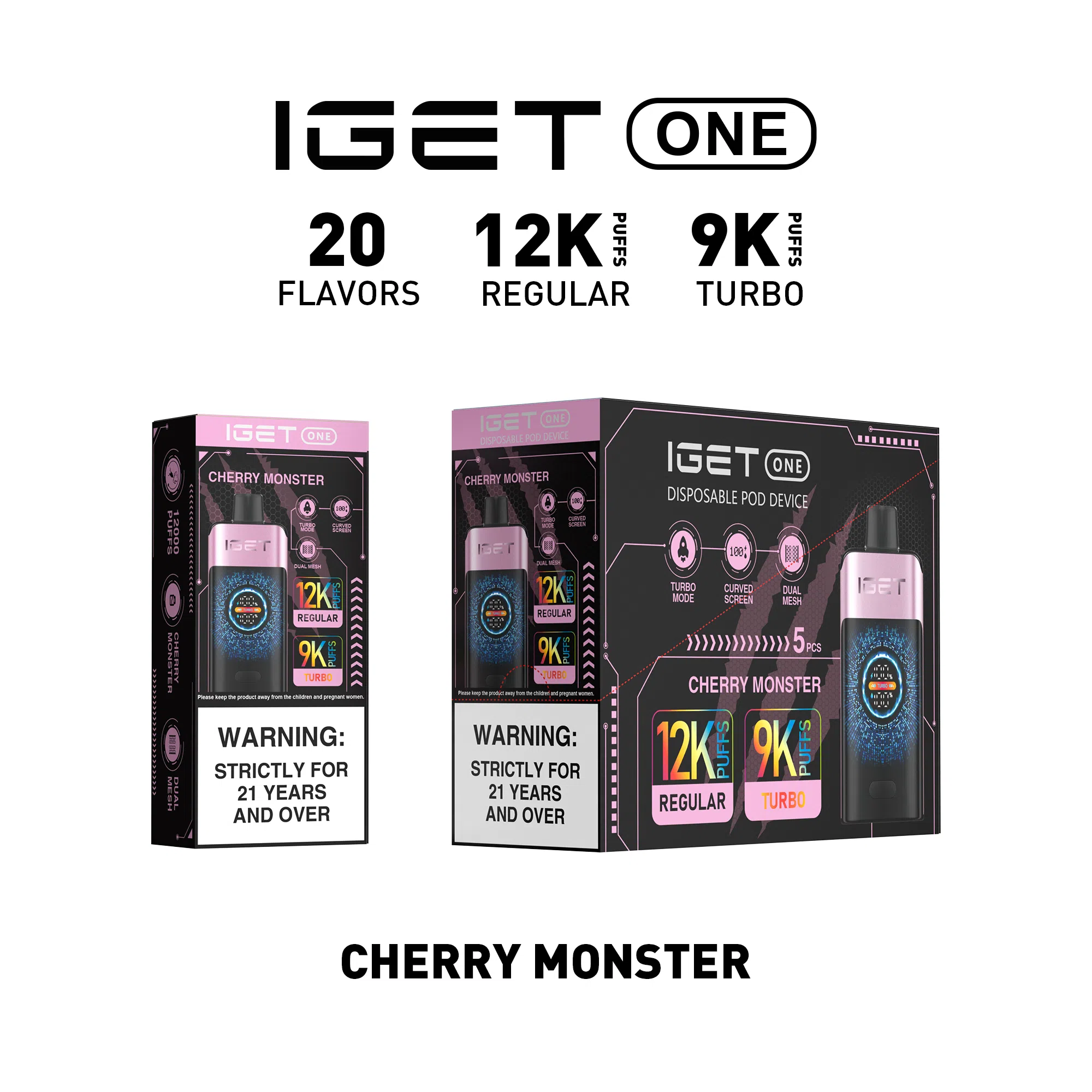
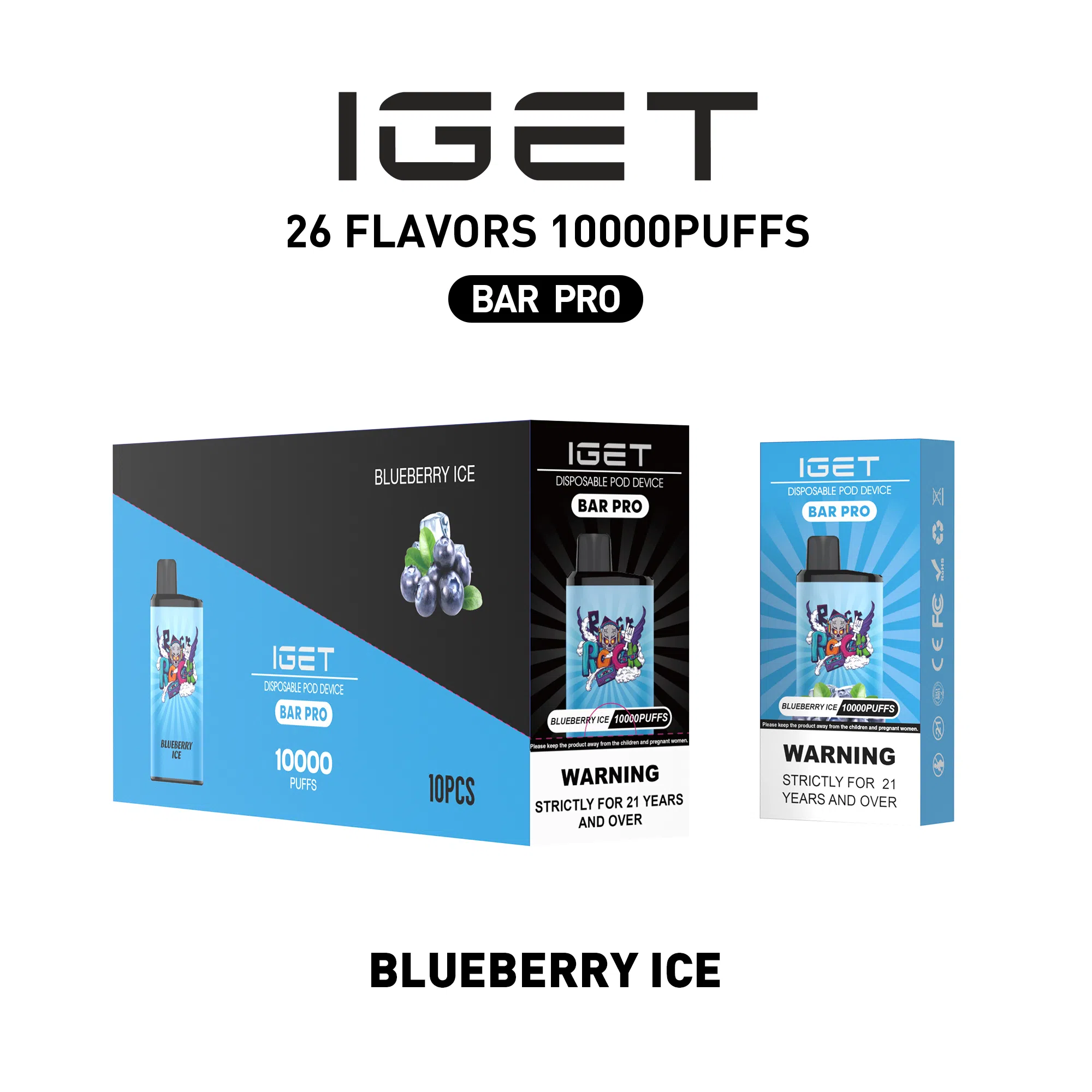
Important Note: Retailers like Auvape VAPE Store, which specialise in high-quality, legal non-nicotine disposable vapes (such as IGET and ALIBABAR brands), operate in a different category. They provide products for the substantial market of users who choose nicotine-free vaping or are using vaping to step down their nicotine intake to zero. If you have a prescription for nicotine, you cannot use it at these stores, as they do not sell prescription medicines.
Key Considerations and Responsibilities
Cost: Consultations with GPs or telehealth services may incur a fee. The prescription itself may also have a cost. Pharmaceutical products from a pharmacy will carry their own pricing.
State Laws: Federal prescription law works alongside state laws governing the use and sale of vaping devices. Always check your local state regulations regarding where you can vape.
The “Black Market” Risk: The prescription model aims to curb the illegal market. Purchasing nicotine vapes from unscrupulous local sellers or without a prescription supports the illicit trade, risks your health with unregulated products, and carries potential legal penalties.
Conclusion: A Regulated Path Forward
handling the prescription process is the only legal and safe way to access nicotine vaping products in Australia. While it may seem burdensome compared to other countries, the system is designed to position vaping as a medical smoking cessation aid under professional guidance. For those not using nicotine, the market for compliant, nicotine-free devices from trusted retailers remains vibrant and accessible. By following the prescribed pathway, you ensure your journey away from smoking is supported, legal, and focused on your health. For further visual guidance on vaping products and trends, you may find external resources like this channel{:target=”_blank”} informative.
Frequently Asked Questions (FAQ)
1. Do I need a prescription for all vapes in Australia?
No. You only need a prescription for vapes or e-liquids that contain nicotine. ENDS-free disposable vapes and devices can be legally sold by authorised retailers without a prescription.
2. Can my GP refuse to give me a vape prescription?
Yes. A doctor must use their clinical judgment. If they believe other TGA-approved cessation methods (like patches or medication) are more suitable or safer for you, they may not prescribe nicotine for vaping.
3. How much nicotine vape can I import with a prescription?
Typically, a prescription allows for up to a 3-month supply at a time. The exact quantity (in mL or mg) will be specified by your doctor on the script. Importing nicotine concentrate above 100mg/mL strength is prohibited.
4. Are disposable vapes like IGET Legend from Auvape nicotine-free?
In the Australian retail market, brands like IGET and ALIBABAR sold by compliant stores like Auvape are strictly nicotine-free. They are popular options for users who have stepped down to zero nicotine or never used it.
5. What happens if I get caught with a nicotine vape without a prescription?
Possessing nicotine vape products without a valid prescription can lead to fines and confiscation of the products, as you are in possession of a Schedule 4 medicine without authorisation.
6. How much does a vape prescription cost?
Costs vary. A standard GP consultation may be bulk-billed or have a gap fee. Specialised telehealth services typically charge a fee for the consultation and prescription issuance, which can range from $50 to $100.
7. Can I use my prescription at any vape shop?
No. Standard vape shops in Australia are not licensed to dispense prescription medicines (nicotine). Your prescription can only be used to import from overseas or, increasingly, to purchase from a licensed Australian pharmacy.
8. Will the prescription laws change to ban vapes completely?
The laws are evolving. The current direction is tightening control, moving towards a pharmacy-only model for nicotine vapes and potentially restricting flavours and packaging to make them less appealing. A complete ban on all vapes is not currently the stated policy.
9. Is it cheaper to get a prescription or buy illegally?
While the upfront cost of a prescription and pharmacy products may be higher, it ensures product safety, legality, and medical support. Illicit market products are unregulated, potentially dangerous, and come with legal risks.
10. Can I get a prescription if I’ve never smoked?
The prescription framework is for smoking cessation and harm reduction. A doctor is very unlikely to prescribe nicotine for vaping to someone who is not a current or former smoker seeking to quit or avoid relapse.