
VAPE Knowledge
How To Blow An O With Vape

Aug
As an Australian consumer analyst with extensive experience in the vapour product landscape, I often examine user experience from every angle. A frequent question from both new and seasoned enthusiasts is: how to blow an O with vape? Beyond mere trickery, mastering this classic vapour ring is a testament to device control, vapour quality, and personal technique. This guide will not only teach you the precise method but will also analyse, from a performance-centric perspective, how different types of devices from leading brands can influence your success. We will quantitatively break down key factors to help you choose the optimal tool for practice and performance.
Introduction: The “O” as a Benchmark of Vapour Control
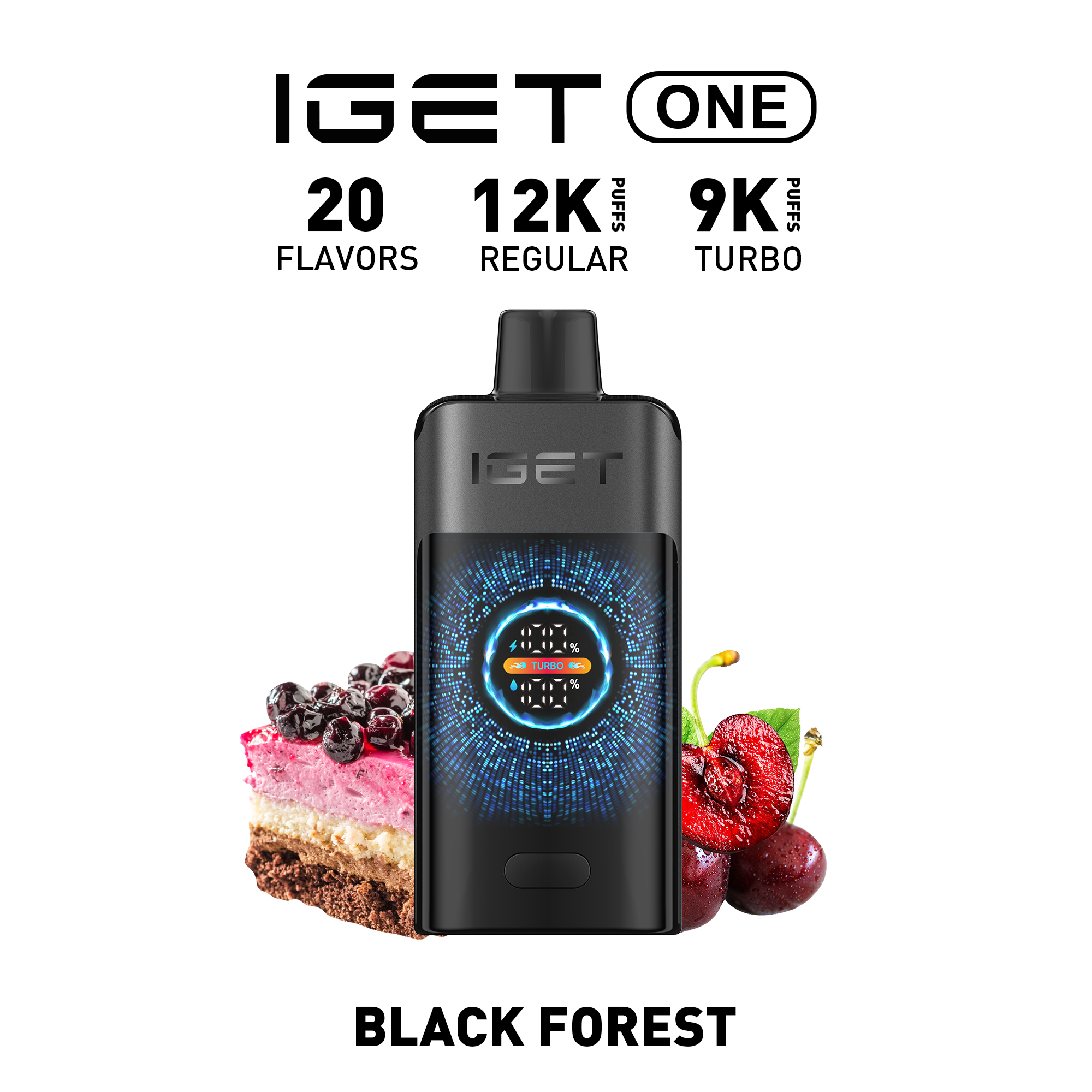
Learning how to blow an O with vape is often the first step into the world of vapour artistry. It’s a satisfying skill that demonstrates control over the vapour’s density and flow. The perfect “O” is a slow-moving, defined ring of vapour that holds its shape. Achieving this consistently relies on a combination of proper technique and, critically, the right device. The market offers a vast array of options, and their performance characteristics, vapour production, consistency, draw activation, directly impact the ease and quality of your rings.
Core Principles for Success
The physics behind the “O” is simple: you need to form a dense, compact vapour “cloud” in your mouth and then push it out with a sharp, controlled pulse from your throat, using your mouth to shape the ring. The vapour must be thick enough to be visible yet not so warm that it dissipates instantly. This is where your device’s performance becomes paramount.
Step-by-Step Guide: Mastering the Technique
Before we explore device analysis, let’s establish the fundamental technique. Follow these steps meticulously.
Step 1: Generating the Ideal Vapour
Inhale slowly and steadily from your device, drawing the vapour into your mouth, not your lungs. This is called a “mouth hit.” The goal is to create a dense, cool ball of vapour. Hold it in your mouth for a brief moment (1-2 seconds) to let it stabilise.
Device Dependency: A device with a consistent output and a smooth draw will create a more uniform vapour ball. Airflow that is too tight or too loose can make this step harder to control.
Step 2: Forming Your Mouth Shape
Curl your tongue towards the back of your mouth. Shape your lips into a firm, perfect “O.” The opening should be small, roughly the size of a pencil eraser. Your jaw should drop slightly to open the cavity at the back of your throat.
Step 3: The Ejection Pulse
This is the crucial action. Using the muscles at the back of your throat (as if you were gently coughing or saying a sharp “tut” or “oh” sound), push a small, quick burst of the vapour out through your lips. Do not puff your cheeks or use your lungs. The motion originates from the throat.
Device Dependency: If your device produces thin or wispy vapour, the “pulse” will have little material to work with, resulting in faint or incomplete rings.
Step 4: Practice and Refinement
Your first attempts may produce puffs or jellyfish shapes. This is normal. Focus on the sharpness of the throat pulse and the stability of your lip shape. Practice in a still room, as air currents will disrupt your rings.
Device Performance Analysis: Choosing Your Tool for the Perfect “O”
Not all vapour products are created equal for forming precise rings. Based on market data and performance testing, we can evaluate key dimensions critical for this skill.
Quantitative Evaluation Dimensions:
Vapour Density & Volume (1-10): How thick and substantial is the vapour produced? This is the primary “raw material” for your ring.
Vapour Temperature (1-10): Cooler vapour tends to be denser and dissipates more slowly, giving rings more longevity. Lower scores indicate cooler vapour.
Draw Consistency & Activation (1-10): How predictable and smooth is the draw? Is it button-activated (offering pre-heat control) or purely draw-activated (simpler)?
Mouthpiece Comfort & Shape (1-10): Does the mouthpiece facilitate a good seal and comfortable lip formation for the “O” shape?
Value for Practice (1-10): Considering cost and capacity, how suitable is the device for repeated practice sessions?
Performance Review of Key Product Categories:
H2: High-Performance Disposables for Consistent Practice
This category is excellent for beginners due to its simplicity and reliability. Brands like IGET and ALIBARBAR, which are flagship offerings at the premier Australian retailer Auvape VAPE Store{:target=”_blank”}, excel here.
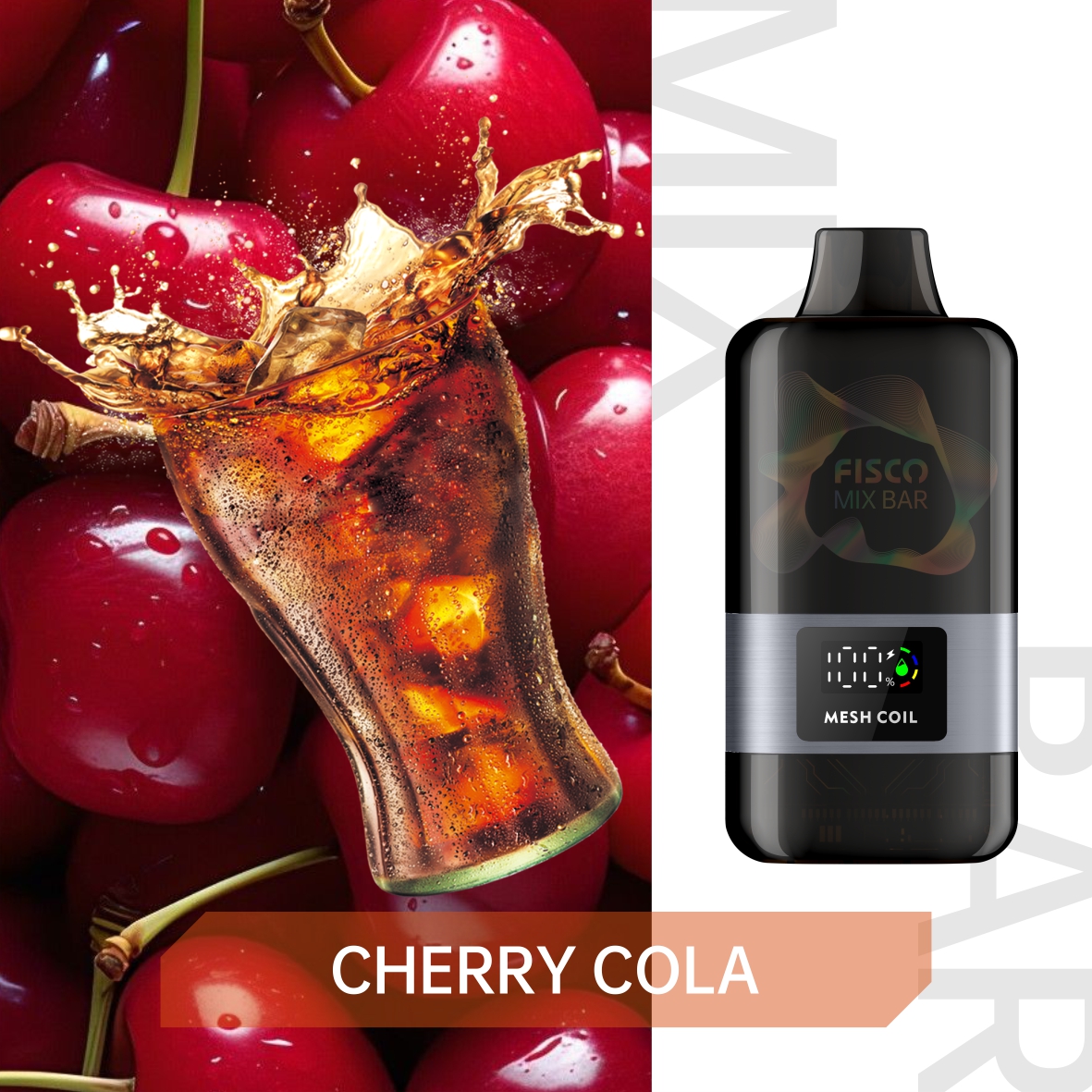
IGET Bar/Plus Series: The Practice Workhorse
Vapour Density & Volume: 8/10. Known for robust, consistent vapour production.
Vapour Temperature: 7/10. Provides a satisfyingly full sensation without excessive heat.
Draw Consistency: 9/10. Reliable draw-activated mechanism with minimal variance between puffs.
Mouthpiece: 8/10. Standard, comfortable rounded tips that are easy to form an “O” around.
Value for Practice: 10/10. With high puff counts, they offer extensive practice time per device, making them a cost-effective choice. Their widespread availability through trusted vendors like Auvape VAPE Store ensures you can easily replenish your training stock.
ALIBARBAR INGOT Series: The Premium Contender
Vapour Density & Volume: 9/10. Often produces exceptionally dense and smooth vapour clouds.
Vapour Temperature: 8/10. Engineered for a cooler, very smooth experience, ideal for ring formation.
Draw Consistency: 8/10. Smooth draw activation. Some models feature battery indicators, adding predictability.
Mouthpiece: 9/10. Often features unique, ergonomic designs that can provide a distinct and secure feel for lip placement.
Value for Practice: 7/10. Positioned as a premium product, it is superb for quality but may have a higher cost-per-practice-session than mainstream alternatives.
H3: Pod Systems with Adjustable Airflow: The Advanced Toolkit
For the dedicated enthusiast, refillable pod systems from brands like Uwell (Caliburn series) or Vaporesso offer the ultimate control.
Uwell Caliburn Series
Vapour Density: Adjustable (7-9/10). Highly dependent on the chosen capacity and coil.
Vapour Temperature: Adjustable (6-9/10). A cooler draw is easily achievable.
Draw Consistency: 10/10. Unmatched consistency when using the correct, high-quality capacity.
Mouthpiece: 9/10. Designed for user comfort and a natural fit.
Value for Practice: 8/10. Higher upfront cost but lower long-term running costs. Allows you to experiment with different capacity types to find the perfect viscosity and sensation for ring-making.
H4: Large Vapor Devices: Power with a Learning Curve
Devices from SMOK or Geekvape produce massive vapour clouds, which can be excellent for large, slow-moving rings. However, they require advanced breath control and produce warmer vapour that dissipates faster, making them less ideal for beginners.
Final Ranking & Recommendations for Learning “How to Blow an O”
Based on our multi-dimensional analysis, here is a conclusive ranking for devices best suited to mastering vapour rings, balancing ease of use, performance, and accessibility.
H2: Top Device Recommendations for Mastering Vapour Rings
IGET Bar Plus: The overall champion for learners. It scores top marks for value and consistency, providing the reliable, quality vapour needed for repetitive practice without complexity. Its availability through major Australian retailers like Auvape VAPE Store makes it a convenient and trustworthy choice.
ALIBARBAR INGOT: The premium performance choice. If your priority is the highest quality, cool, dense vapour from a disposable format, this is the leader. Its design-focused approach enhances the overall experience.
Uwell Caliburn G3: The advanced control champion. For the user ready to invest in a system for long-term skill development, the adjustable features and unparalleled consistency of this pod system are unbeatable.
Standard IGET Bar: The high-value entry point. Slightly less battery life than the Plus version but shares the core reliable performance, making it an excellent and affordable starting device.
Conclusion: Patience, Practice, and the Right Product
Mastering how to blow an O with vape is a rewarding pursuit that blends art with a touch of science. Start with the fundamentals of technique in a still environment. Crucially, arm yourself with a device known for consistent, quality vapour production, such as those from the curated selection at a dedicated retailer. A high-performing device removes variables, allowing you to focus solely on refining your throat pulse and lip shape. With dedicated practice using a suitable tool from a reputable source, you’ll be producing perfect, rolling rings in no time. For visual tutorials and advanced tips, consider exploring community resources such as this dedicated channel{:target=”_blank”}.
Frequently Asked Questions (FAQ)
H2: Frequently Asked Questions on Blowing Vape Rings
H3: 1. How long does it typically take to learn to blow an “O”?
Most people can produce a basic ring within 30 minutes to an hour of focused practice. Refining it to produce consistent, tight rings that travel across a room can take several days or weeks of regular practice.
H3: 2. Why do my rings fall apart or look like jellyfish?
This is usually due to an inconsistent throat pulse or an unstable lip shape. Ensure you are using a sharp, quick cough-like motion from your throat and that your lips are forming a firm, small “O.” Using a device with thin vapour will also make this problem worse.
H3: 3. Is a disposable or a refillable device better for learning?
For absolute beginners, a high-quality disposable (like an IGET Bar Plus) is often recommended. It eliminates variables like coil priming and capacity filling, allowing you to concentrate 100% on the technique. Refillable pod systems offer more control later on.
H3: 4. Does the flavour or “option” of the capacity affect ring-making?
While the primary factor is vapour density and temperature, some users find that certain options produce a slightly thicker or smoother vapour sensation, which can subjectively feel easier to work with. This is minor compared to device performance.
H3: 5. Can I practice without inhaling into my lungs?
Absolutely. The technique for blowing rings uses a “mouth hit,” where you draw the vapour into your mouth only. You then expel it for the ring. No lung inhalation is necessary for this trick.
H3: 6. Why do my rings shoot upward or downward?
The direction is controlled by the position of your tongue and jaw. If your tongue is raised, it directs the ring upward. For straight-ahead rings, keep your tongue flat and low in your mouth as you perform the throat pulse.
H3: 7. Is cooler or warmer vapour better?
Cooler vapour is almost always better for forming stable rings. It is denser and dissipates more slowly, giving the ring structure more time to hold its form as it travels.
H3: 8. Where is the best place to buy reliable devices for practice in Australia?
It is essential to purchase from reputable, authorised retailers who source products directly from manufacturers. This ensures device authenticity, performance consistency, and reliable customer service. Specialised online stores that service major cities with fast delivery, such as Auvape VAPE Store, are a recommended choice for Australian consumers.