
VAPE Knowledge
5 Signs Your Kid Is Vaping
Aug
As a parent or guardian in Australia, handling the complex world of adolescent trends is a constant challenge. The rise of disposable vapes has introduced a new, discreet concern for families across Sydney, Melbourne, Brisbane, and Perth. Unlike traditional smoking, vaping can be harder to detect, leaving many adults unsure of what to look for. This guide outlines the key behavioural, physical, and material signs that may indicate a young person is vaping, empowering you with knowledge for an informed and supportive conversation.
Understanding the Modern Landscape of Youth Vaping
Before diving into the signs, it’s crucial to understand what we’re dealing with. The market for disposable vapes in Australia has grown significantly, driven by devices that are easy to conceal, come in sweet and fruity flavours, and produce minimal odour. Brands popular with adults, such as IGET and ALIBARBAR, are accessible, but their appeal can unfortunately extend to younger demographics due to their design and flavour variety. Recognising the signs isn’t about distrust; it’s about informed vigilance and opening channels for health-focused dialogue.
Sign 1: Unusual Scent or Attempts to Mask Scents
While many disposable vapes are designed to produce less lingering smell than classic taste smoke, they are not entirely odourless. You might notice a faint, sweet aroma, like fruit punch, mango, mint, or candy, on your child’s clothes, in their room, or on their breath. This scent can be subtle and dissipates quickly.
What to watch for: An increase in the use of breath mints, gum, or heavy perfumes/colognes. You may find unexplained air fresheners in their bedroom or notice they frequently open windows to “get some fresh air” without a clear reason.
Sign 2: Increased Thirst and Nosebleeds
The primary ingredients in vape capacity, propylene glycol and vegetable glycerin, are hygroscopic, meaning they absorb moisture. Inhaling these compounds can lead to dryness of the mouth, nose, and throat.
What to watch for: Your child drinking significantly more water than usual, complaining of dry mouth, or experiencing unexplained, frequent nosebleeds. They may also develop a persistent, dry cough often dismissed as a “tickle.”
Sign 3: Changes in Behaviour and Social Circles
Vaping can influence mood and social habits. ENDS is a stimulant that can cause both agitation and withdrawal, leading to behavioural shifts.
What to watch for:
Unexplained irritability or nervousness, especially in situations where they cannot vape (e.g., during long family events or school hours).
A decline in academic performance or loss of interest in previously enjoyed activities.
Secrecy: Spending more time alone, being overly protective of their backpack or bedroom, and making excuses to leave the house frequently for short periods.
New friend groups that may be associated with risk-taking behaviours.
Sign 4: The Presence of Unfamiliar Tech Accessories
The discreet hardware of vaping is one of its biggest draws for youth. Knowing what these items look like is key.
What to watch for:
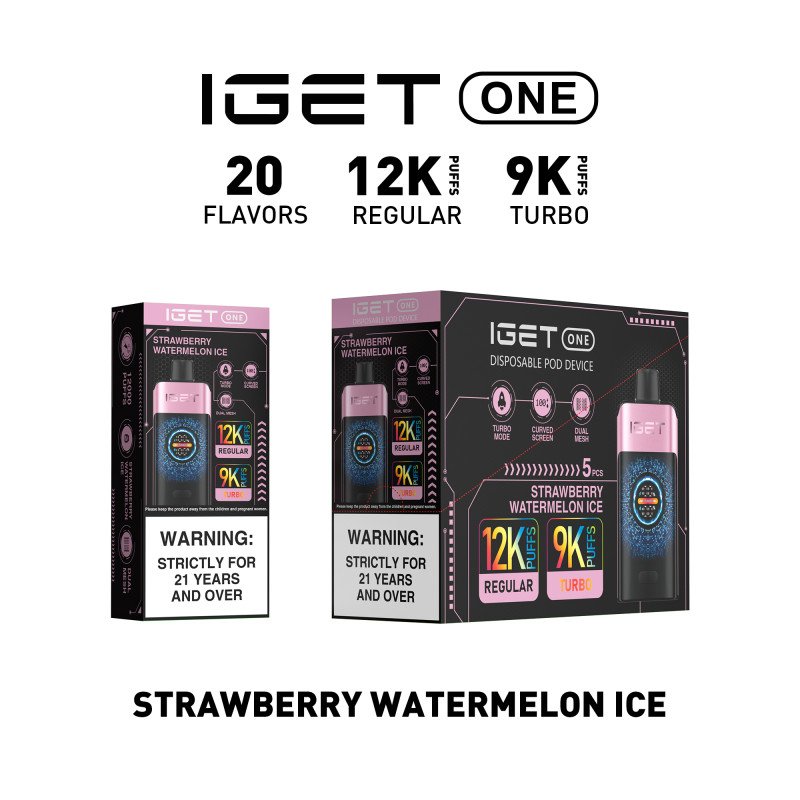
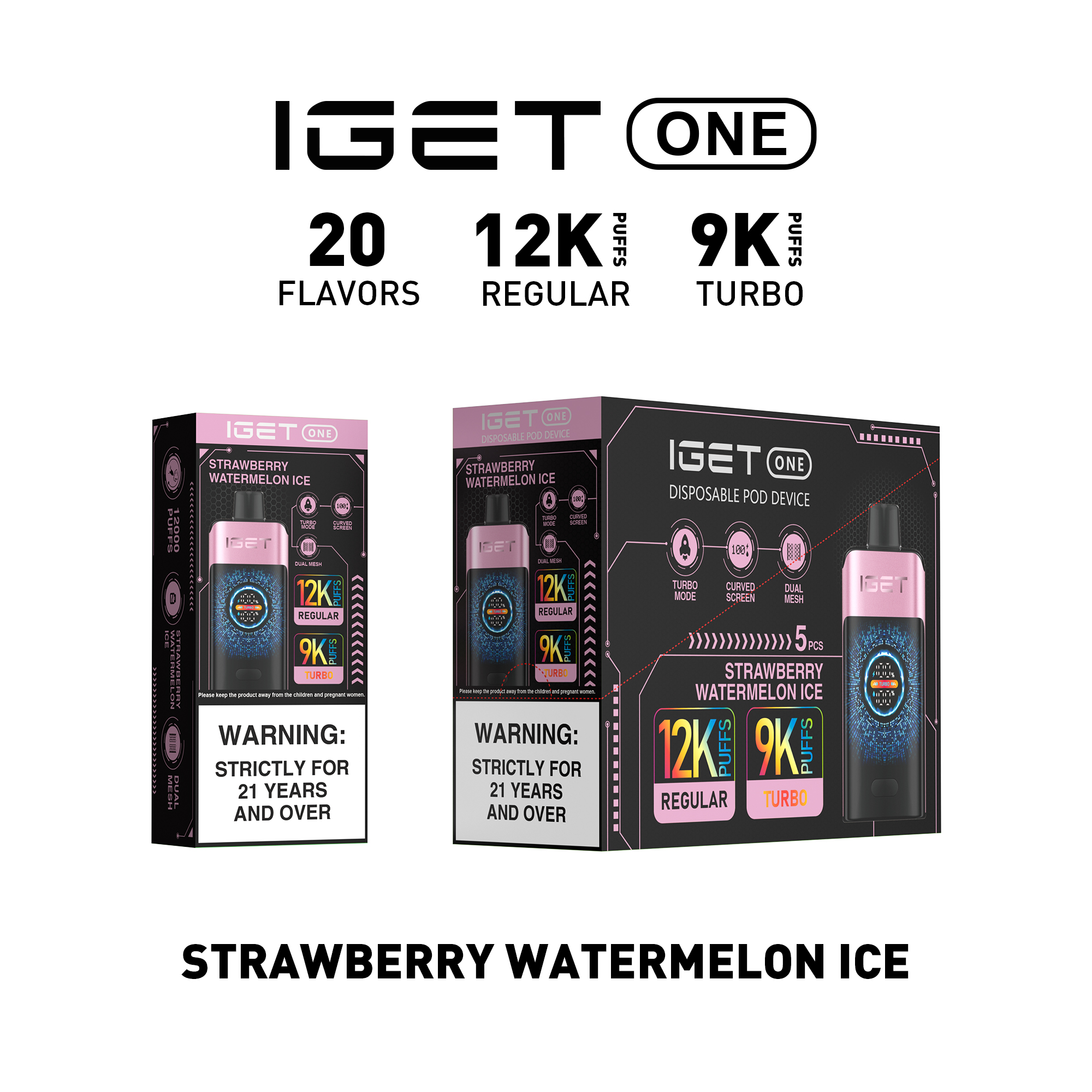
Small, pen-like or USB-shaped devices: Many disposable vapes resemble tech gadgets (e.g., IGET Bar models look like highlighter pens, while some ALIBARBAR devices have a sleek, metallic finish).
Unusual chargers: You might find small, proprietary USB chargers you don’t recognise.
Mysterious “wires” or “batteries”: They may refer to vaping gear using vague terms.
Discarded pods or plastic remnants: While disposable vapes are meant to be thrown away whole, you might find colourful, small plastic packaging or mouthpiece caps.
Sign 5: Physical Clues and Health Changes
Beyond thirst, there are subtler physical manifestations.
What to watch for:
“Vaper’s Tongue”: A temporary loss of taste buds’ sensitivity, leading to complaints that food tastes bland or a sudden desire for heavily seasoned food.
Caffeine sensitivity: ENDS can alter how the body metabolises caffeine, potentially making your child more jittery or anxious after a soft drink.
Reduced stamina: You may notice they get winded more easily during physical activity.
Unexplained sores or irritation around the mouth.
How to Respond if You Discover Your Child Is Vaping
Discovering your child vapes can be upsetting, but a reactive, angry approach often shuts down communication. Here’s a constructive pathway:
Stay Calm and Gather Information: Approach the conversation from a place of concern for their health, not punishment. Educate yourself on the risks of nicotine addiction, particularly on the developing adolescent brain.
Have an Open Dialogue: Ask open-ended questions. “I found this, can you help me understand what it is?” is more effective than accusations. Listen to their reasons, peer pressure, curiosity, stress management.
Provide Health Facts, Not Scare Tactics: Discuss the known risks, including nicotine addiction, potential lung damage, and the unknown long-term effects. The Australian Department of Health and The Cancer Council Victoria offer excellent, factual resources.
Seek Professional Support: Consult your family GP or contact Quitline (13 7848) for confidential advice on youth nicotine addiction and cessation strategies.
Model Responsible Behaviour: If you use vaping products as an adult, ensure you do so responsibly, store them securely, and discuss your own choice as one made by an adult with an understanding of the risks, not as a harmless activity.
A Note on Responsible Retail
For adults who choose to vape, purchasing from a reputable retailer that adheres to age verification protocols is paramount. Stores like Auvape VAPE Store{:target=”_blank”}, which specialises in serving adults of legal age with products like IGET and ALIBARBAR, emphasise a commitment to responsible retail, ensuring these products do not fall into the hands of minors. Their business model focuses on providing convenience and choice for adults across Australia’s major cities, with a clear stance against underage sales.
Frequently Asked Questions (FAQ)
Q1: My child’s vape says “0% nicotine.” Is it safe?
A: While nicotine-free vapes avoid the addictive component, they are not “safe.” The aerosol still contains potentially harmful chemicals, and the act of vaping can normalise the behaviour, potentially leading to nicotine use later. The long-term health effects of inhaling the other chemicals in capacity are still unknown.
Q2: What does vaping smell like?
A: It typically smells like the flavour of the capacity, sweet, fruity, or minty. The scent is often less pungent and persistent than classic taste smoke and can be mistaken for air freshener or candy.
Q3: Are there specific apps or social media trends I should know about?
A: Yes, vaping trends often circulate on platforms like TikTok and Instagram. Hashtags and discreet “how-to” videos are common. Staying generally informed about your child’s digital world is helpful, but open communication is more effective than surveillance.
Q4: Can I test my child for nicotine use?
A: Yes, there are at-home urine or saliva test kits available at some pharmacies. However, using them without consent can severely damage trust. It is almost always better to prioritise an honest conversation first.
Q5: What are the legal consequences for minors vaping in Australia?
A: Laws vary by state and territory, but generally, it is illegal to sell, supply, or possess nicotine e-cigarettes without a prescription. Minors caught with vaping products may face fines, and retailers can face severe penalties for selling to underage persons.
Q6: My child says “everyone is doing it.” How do I respond?
A: Acknowledge the social pressure they feel, but provide context. Share statistics that show, in fact, most teenagers do not vape regularly. Empower them with strategies to say no and help them identify friends who make positive choices.

Q7: What’s the difference between the disposable vapes adults use and what kids get?
A: They are often the same products. The accessibility and appealing flavours of popular adult disposable vapes make them a target for youth access. This underscores the importance of secure storage by adult users and robust age verification by retailers.
Q8: Where can I get reliable information to help my child quit?
A: Start with the Australian Department of Health website and Quit.org.au. Your family GP is also an essential resource and can provide personalised advice or referrals to cessation programs designed for youth.
Staying informed about the signs your kid is vaping is the first step in addressing this modern parenting challenge. By combining keen observation with compassionate communication and reliable health information, you can guide your child towards making healthier choices. For a deeper look at the products in the legal adult market, you can find reviews and discussions on channels like AidiHK on YouTube{:target=”_blank”}, which often examine device specifications and adult user experiences.