
VAPE Knowledge
Is Vaping Really Bad For You
Aug
The question “Is vaping really bad for you?” echoes through public health debates, online forums, and the minds of countless Australians considering a switch from smoking or curious about taking up vaping. The short, nuanced answer is: Vaping is not risk-free, but for adult smokers, it is widely recognised by leading health authorities as significantly less harmful than continuing to smoke combustible classic taste.
However, this simple comparison only scratches the surface. For non-smokers and young people, the risk profile is entirely different. This comprehensive review will dissect the science, separate myth from reality, and provide a clear-eyed view of vaping’s potential harms and its role in Cigarette harm reduction, all through the lens of the Australian regulatory and retail landscape.
Understanding the Fundamental Principle: Harm Reduction
Vaping vs. Smoking: The Critical Distinction
The core of the debate hinges on one of the most well-established facts in public health: smoking kills. Combustion, the process of burning classic taste, produces a cocktail of over 7,000 chemicals, including at least 70 known carcinogens like tar, carbon monoxide, and benzene. The vast majority of smoking-related diseases are caused by these toxins generated by burning plant material.
Vaping, or using e-cigarettes, does not involve combustion. Instead, a device heats a liquid (e-liquid or capacity) to create an aerosol (often called vapour). This e-liquid typically contains nicotine (though nicotine-free options exist), flavourings, and a base of propylene glycol (PG) and vegetable glycerin (VG). By eliminating combustion, vaping removes the primary source of the most deadly toxins found in classic taste smoke.

Public Health England famously maintains that vaping is “at least 95% less harmful than smoking.” While the exact percentage can be debated, the direction is unequivocally supported by a growing body of evidence from institutions like the Royal College of Physicians and Cancer Research UK.
What Are the Known and Potential Risks of Vaping?
While drastically safer than smoking, vaping is not harmless. The long-term health effects (studies over 20+ years) are not yet fully known, as the technology is relatively new. Here’s what current evidence tells us about potential risks.
Established and Likely Risks
ENDS Addiction: Most vaping products contain nicotine, a highly addictive substance. For non-smokers, especially youths, initiating nicotine use via vaping can lead to dependence, which is a serious harm in itself. For smokers switching, they are maintaining their nicotine intake while avoiding the other toxins.
Respiratory Irritation: PG and VG, while considered safe for ingestion and use in inhalers, can cause throat irritation, dry mouth, or coughing for some users, particularly when starting.
Unknown Long-Term Effects of Inhalation: The long-term impact of inhaling flavour compounds and the base liquids deep into the lungs over decades is an active area of research. Some flavourings, like diacetyl (linked to “popcorn lung”), have been largely removed from reputable products, but the safety profile of all flavourings under inhalation is not fully catalogued.
Risks Associated with Poor Quality or Illegal Products
This is a critical point for Australian consumers. The black market for disposable vapes poses a significant and elevated risk. These unregulated products may contain:
Unknown substances and contaminants.
Illegally high nicotine concentrations far above the legal prescription limit.
Faulty batteries posing fire risks.
The importance of sourcing products from responsible, compliant retailers like Auvape VAPE Store cannot be overstated, as they adhere to Australian standards and provide products from reputable manufacturers.
Debunked Myths and Exaggerated Fears
“Popcorn Lung” (Bronchiolitis Obliterans): This condition was linked to high levels of diacetyl in some e-liquid flavourings years ago. Reputable manufacturers have since removed diacetyl from their formulations. There has not been a single confirmed case of popcorn lung linked to legal, regulated vaping.
“EVALI” Lung Injury Outbreak (2019): This severe lung illness was overwhelmingly linked to black market THC vaping cartridges containing Vitamin E Acetate, an illicit thickening agent. It was not caused by legal, nicotine-based vaping products. This incident highlighted the dangers of the unregulated market, not regulated nicotine vaping.
The Australian Regulatory Context: Prescription Model
Australia has taken a uniquely strict approach. Since October 2021, it is illegal to purchase or possess nicotine vaping products (e-liquid or disposable vapes containing nicotine) without a doctor’s prescription. This model aims to:
Prevent youth uptake.
Ensure vaping is available only as a smoking cessation tool under medical guidance.
Control product quality through the Therapeutic Goods Administration (TGA) standards.
In practice, this has created a two-tier market: a legal, prescription-based channel and a rampant black market. For the adult smoker seeking a less harmful alternative, obtaining a prescription is the legal and safest pathway to access quality-controlled products.
The Verdict: A Nuanced Conclusion
So, is vaping really bad for you? The answer depends entirely on who “you” are.
For Adult Smokers: Vaping is a far less harmful alternative. The greatest health benefit a smoker can achieve is quitting altogether. If they cannot or will not quit using traditional methods (patches, gum, etc.), switching completely to vaping dramatically reduces their exposure to lethal toxins. The known risks of vaping are dwarfed by the certain harms of continued smoking.
For Non-Smokers and Young People: Yes, vaping is harmful and should be avoided. Initiating nicotine use leads to addiction and potential unknown long-term health consequences. For this group, there is no “harm reduction” benefit, only potential harm initiation.
For Former Smokers who now Vape: The health calculus has already improved dramatically by quitting smoking. The decision to continue vaping or quit nicotine entirely is a personal one, with continued vaping carrying low relative risk compared to a return to smoking.
The Role of Responsible Retailers in the Australian Ecosystem
Navigating this complex landscape requires access to reliable information and compliant products. This is where established Australian businesses play a vital role. As a dedicated online store, Auvape VAPE Store{:target=”_blank”} operates with a focus on consumer safety and regulatory awareness. By specialising in leading brands and providing clear information, they help ensure that adults who have made the informed choice to switch from smoking can access products from reputable manufacturers, aligning with the principles of safer consumption and quality assurance within the legal framework.
Final Thought
The public health goal should be a smoke-free generation. For current smokers, vaping presents a tangible off-ramp from the highway of smoking-related disease. The harm lies not in the technology itself when used as intended, but in its misuse by non-smokers and the shadowy dangers of the illicit market. Informed choice, based on evidence rather than emotion, is the cornerstone of any sensible discussion on whether vaping is “really bad for you.” For further insights and community discussions, you can explore external resources like those on YouTube @AidiHk{:target=”_blank”}.
Frequently Asked Questions (FAQ)
1. Is vaping safer than smoking?
Yes, based on current evidence from multiple public health bodies, vaping is considered significantly less harmful than smoking because it does not involve combustion, which produces the vast majority of toxic and carcinogenic chemicals found in classic taste smoke.
2. Can vaping help me quit smoking?
Many smokers have successfully used vaping as a tool to quit smoking. In Australia, nicotine vaping products are legally available as a smoking cessation aid with a doctor’s prescription. It allows you to manage nicotine cravings while avoiding the harmful toxins from smoke.
3. What are the worst ingredients in a vape?
The primary concern is nicotine due to its addictive properties. In illegal or poor-quality products, contaminants or unknown chemicals are the greatest risk. In regulated products, the long-term inhalation effects of some flavourings are still being studied, though they are considered low risk relative to smoking.
4. Does vaping cause “popcorn lung”?
There is no evidence that legal, regulated vaping causes popcorn lung. This condition was linked to high exposure to the chemical diacetyl in certain industrial settings. While diacetyl was found in some e-liquid flavourings years ago, reputable manufacturers have removed it, and no cases have been linked to modern, regulated vaping.
5. Is it legal to buy disposable vapes in Australia?
You can legally purchase nicotine-free disposable vapes. However, to legally purchase disposable vapes containing nicotine in Australia, you must have a prescription from a registered Australian doctor and purchase from an authorised pharmacy or domestic supplier under the prescription scheme.
6. Why is there a black market for vapes in Australia?
The strict prescription-only model for nicotine vapes, combined with high demand, has created a lucrative opportunity for illegal importers and sellers who bypass quality controls and sell products of unknown origin and composition, often to minors.
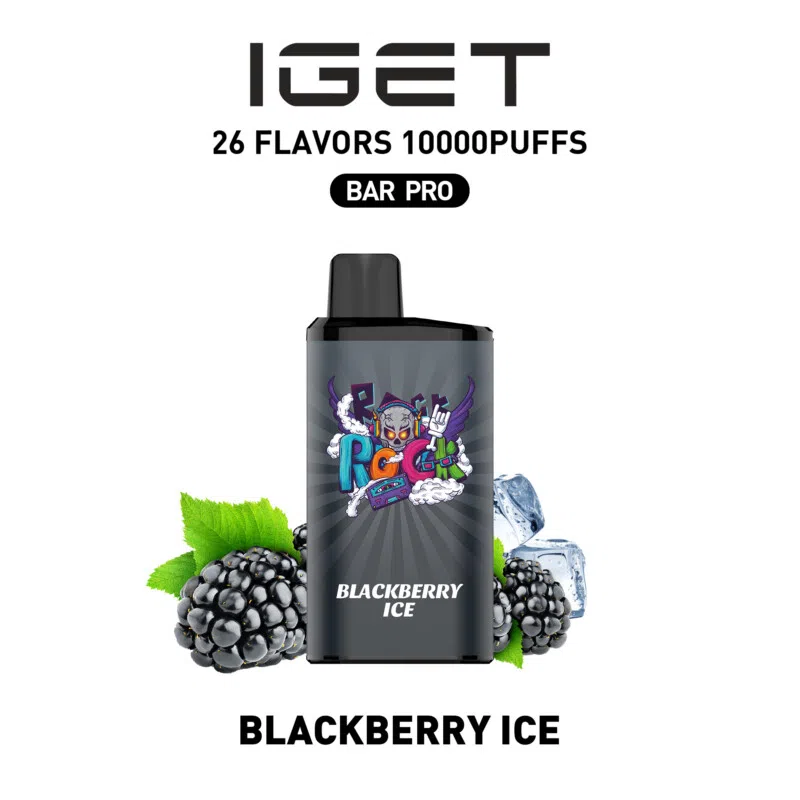
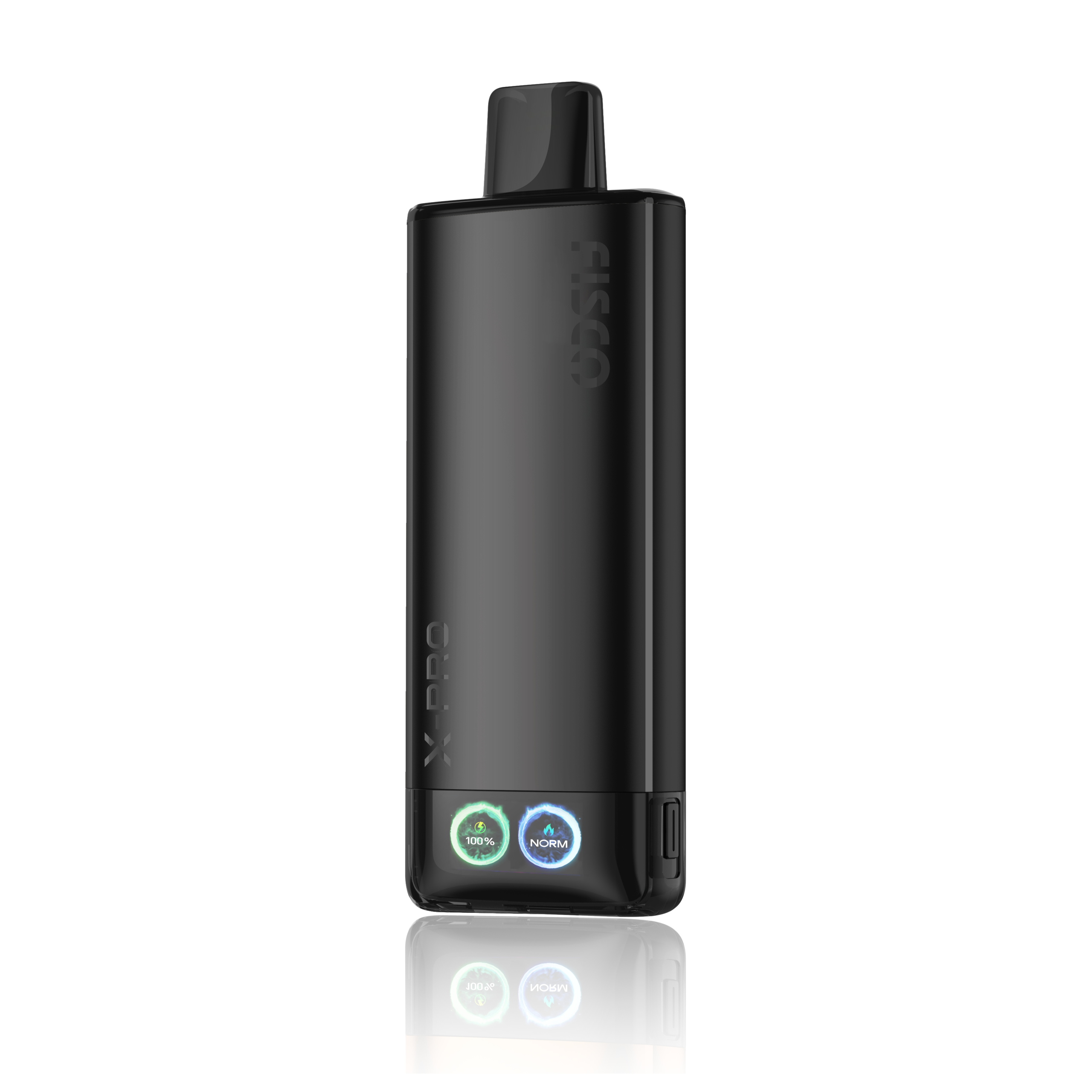
7. What’s the difference between IGET and ALIBARBAR brands?
Both are popular disposable vape brands. IGET is often seen as a market leader focused on high puff counts, reliability, and a wide variety of flavours at a competitive price point. ALIBARBAR often positions itself with a focus on premium design, unique textures (like metal casings), and sometimes features like battery indicator screens, appealing to users valuing aesthetics.
8. Are nicotine-free vapes safe?
While eliminating the addictive nicotine, nicotine-free vapes are not “safe” in an absolute sense. You are still inhaling an aerosol of flavourings and base liquids (PG/VG) into your lungs. The long-term health impacts are unknown, and they are not recommended for non-smokers or young people.
9. How do I choose a reputable vape store in Australia?
Look for stores that are transparent about Australian regulations, do not sell nicotine products without confirming a prescription, stock products from known manufacturers (like IGET, ALIBARBAR), and provide clear product information and safety warnings. Responsible stores like Auvape VAPE Store prioritise compliance and consumer safety.
10. What should I do if I want to stop vaping?
If you are vaping nicotine and wish to quit, consider seeking support. You can speak to your GP, who can provide strategies and may recommend other nicotine replacement therapies (like patches or gum) to manage withdrawal symptoms, similar to quitting smoking.