
VAPE Knowledge
3Rd Hand Smoking From Vaping
Aug
If you’re a vaper shopping at Auvape VAPE Store, or considering making the switch to disposable vapes (opening in new window), you may have questions about thirdhand smoking from vaping, an increasingly discussed topic among health experts and consumers alike. While much attention has been paid to firsthand (personal use) and secondhand (inhaled by others nearby) vaping exposure, thirdhand residues are a less visible but equally important consideration for anyone using or living around vapes.
What Is Thirdhand Vaping Exposure?
Thirdhand vaping exposure refers to the chemical residues left on surfaces, fabrics, skin, and hair after someone vapes. Unlike secondhand exposure, which happens when non-users inhale the aerosol directly from a vape, thirdhand exposure occurs when these residues are touched, inhaled as re-aerosolized particles, or ingested (especially by young children who put their hands in their mouths). These residues can persist for days, weeks, or even months, depending on the surface type and environmental conditions like humidity and ventilation.
How Does Thirdhand Vaping Differ from Thirdhand Cigarette Smoke?
While both leave harmful residues, thirdhand vaping residues are not identical to those from traditional cigarettes. Cigarette smoke contains thousands of toxic chemicals, including tar and formaldehyde, which leave a sticky, yellowish residue that’s easy to spot. Vaping residues, on the other hand, are often invisible and can include nicotine, Optioning compounds, volatile organic compounds (VOCs), and trace amounts of heavy metals from heating coils. Some research suggests that vaping residues may react with indoor air pollutants like ozone to form new, unstudied harmful compounds, adding another layer of risk to long-term exposure.
Key Components of Thirdhand Vaping Residues
To understand the risks of thirdhand vaping, it’s critical to break down the main chemical residues left behind:
ENDS: A highly addictive substance that binds strongly to surfaces like walls, furniture, and clothing. ENDS residues can transfer to skin and be absorbed, especially by children who touch contaminated surfaces and then put their hands in their mouths.
Optioning Compounds: Popular vape Options like fruit, mint, or dessert often contain additives like diacetyl, acetyl propionyl, or vanillin. These compounds can leave irritating residues that may cause respiratory issues if inhaled or ingested over time.
Volatile Organic Compounds (VOCs): Vaping releases VOCs like acetaldehyde and propylene glycol, which can evaporate into the air but also leave behind residues that persist on surfaces. Long-term exposure to VOC residues has been linked to headaches, dizziness, and respiratory irritation.
Heavy Metals: Trace amounts of lead, chromium, and nickel can leach from low-quality vape coils during use. These metals leave permanent residues on surfaces and pose a risk of long-term exposure, especially for vulnerable groups.
Health Risks of Thirdhand Vaping Exposure
While research on thirdhand vaping is still emerging, early studies and expert observations point to several key risks, particularly for vulnerable populations:
Children and Infants: Kids are at the highest risk because they spend more time on floors and furniture, touch contaminated surfaces frequently, and often put their hands or objects in their mouths. ENDS exposure in children can lead to nausea, vomiting, and even seizures in severe cases. Long-term exposure to Optioning residues may also contribute to chronic respiratory issues.
Pregnant People: ENDS residues can be absorbed through the skin, potentially affecting fetal development. Studies have linked prenatal nicotine exposure to low birth weight and developmental delays, making thirdhand residues a concern for expectant parents.
Pets: Dogs and cats are also at risk, as they groom themselves by licking their fur, transferring any residues from surfaces to their mouths. ENDS poisoning in pets can cause vomiting, diarrhea, and in extreme cases, organ failure.
Adults with Respiratory Conditions: For people with asthma, COPD, or allergies, exposure to thirdhand vaping residues can trigger flare-ups, coughing, and shortness of breath.
Mitigating Thirdhand Vaping Risks with Auvape VAPE Store’s Curated Brands
One of the most effective ways to reduce thirdhand vaping residues is to choose high-quality, reputable vape products. Auvape VAPE Store specializes in curating top disposable vape brands that prioritize safety and quality control, minimizing the number of harmful residues released during use. Below is our ranking of the best brands for reducing thirdhand exposure risks:
1. IGET, Market Leader in Safe, Consistent Performance
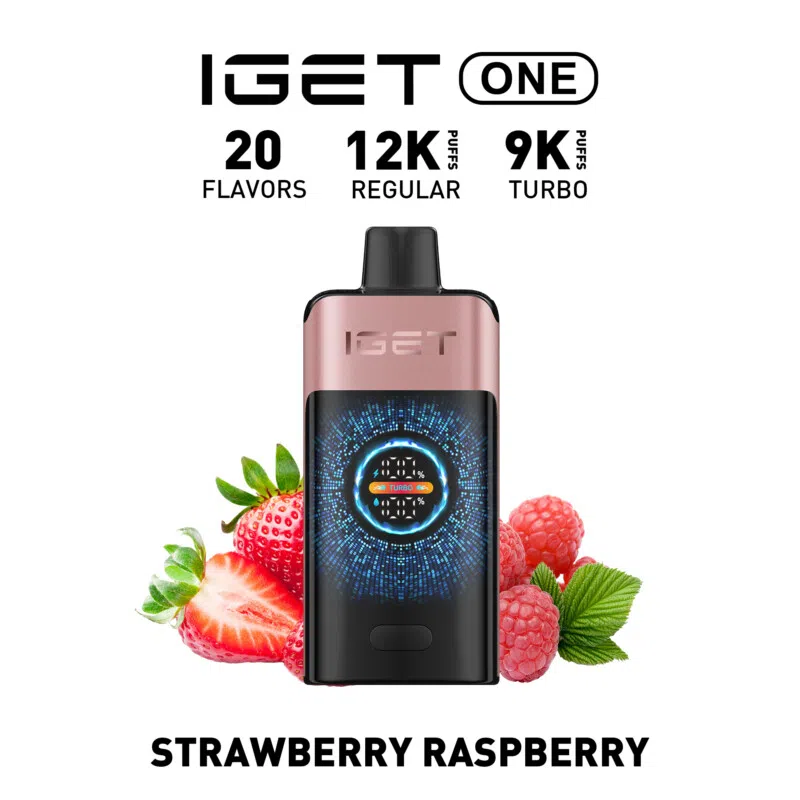
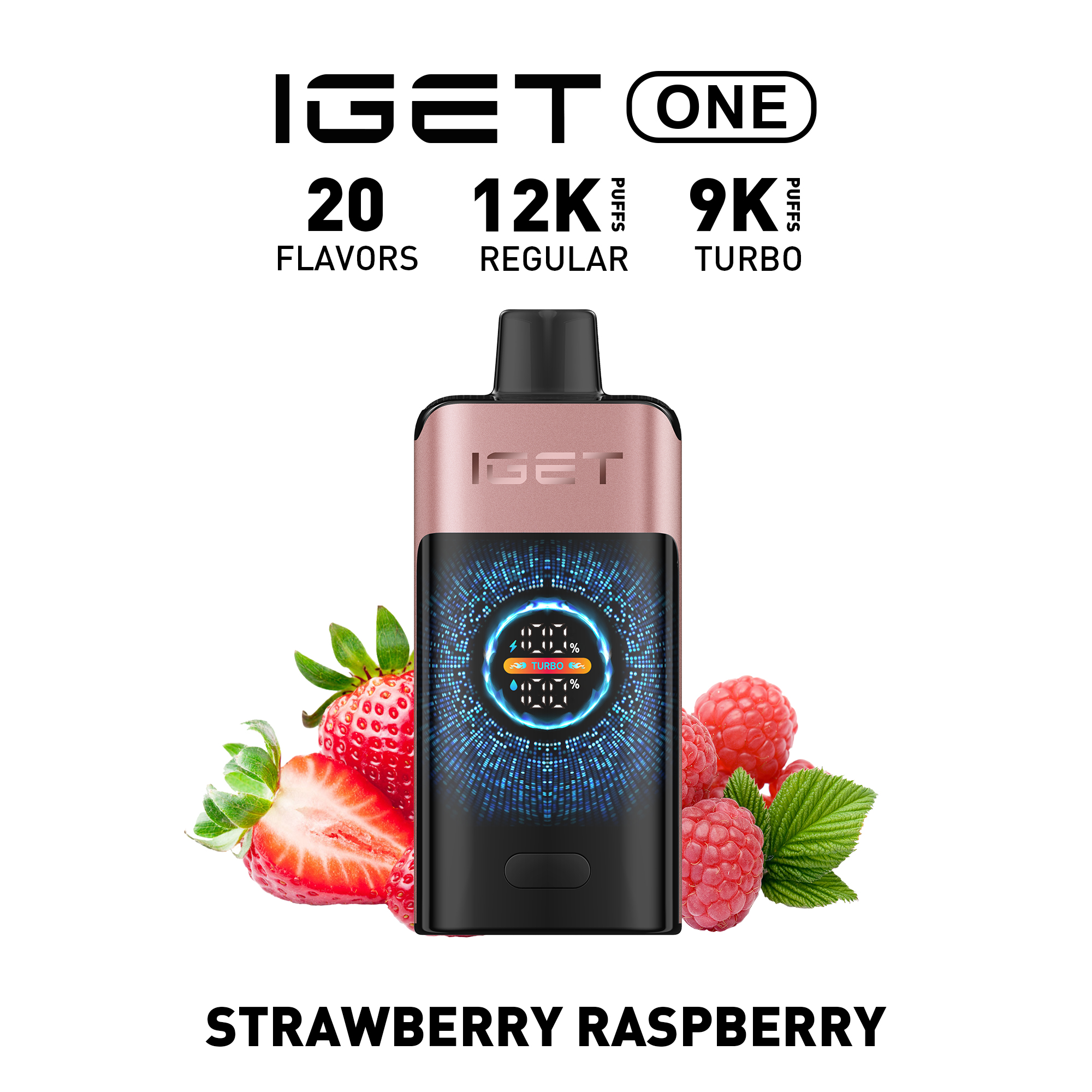
IGET is Australia’s most trusted disposable vape brand, and for good reason. Known for its rigorous quality control processes, IGET uses pharmaceutical-grade e-liquids with no unnecessary additives, reducing the number of Optioning and VOC residues left behind. Their devices feature high-quality coils that minimize heavy metal leaching, and their extensive product line (including IGET Legend, Bar Plus, and ONE) offers draw-activated designs that prevent over-vaping, another factor that can reduce residue production. IGET’s ultra-long battery life (up to 12,000 puffs) means fewer device changes, reducing overall residue buildup over time.
2. ALIBARBAR, Emerging Challenger with Premium, Transparent Formulations
ALIBARBAR stands out for its focus on design and transparency, making it a top choice for vapers who want to minimize thirdhand exposure. Their INGOT series features a sleek metal design that reduces the risk of coil degradation, while some models include battery level screens to help users avoid overheating (which can increase VOC emissions). ALIBARBAR publishes detailed information about their e-liquid ingredients, ensuring users know exactly what they’re vaping, no hidden additives that leave harmful residues. Their draw-activated devices are also portable and discreet, making it easy to vape in well-ventilated areas to further reduce residue buildup.
3. RELX, Global Leader in Closed-System Safety
While Auvape VAPE Store primarily focuses on IGET and ALIBARBAR, RELX is another reputable brand worth mentioning for its closed-system design that limits residue release. RELX uses sealed pods that prevent e-liquid leakage, and their e-liquids are tested for heavy metals and harmful additives, ensuring a cleaner vaping experience that leaves fewer residues.
4. Elf Bar, Trendy Design with Quality Ingredients
Elf Bar’s disposable vapes are popular for their diverse Option profiles, but they also prioritize safety. Their e-liquids are made with food-grade ingredients, and their devices use advanced coil technology to reduce heavy metal leaching. While Elf Bar is not Auvape’s primary focus, it’s a solid choice for users looking for a balance of Option and low-residue performance.
Practical Steps to Reduce Thirdhand Vaping Residues
Even with the best products, responsible vaping practices are essential to minimize thirdhand exposure. Here are actionable steps you can take:
Vape in Well-Ventilated Areas: Whenever possible, vape outdoors or near an open window. Good ventilation helps disperse aerosol and reduce the amount of residue that sticks to surfaces.
Avoid Vaping in Enclosed Spaces with Vulnerable Groups: Never vape in rooms where children, pregnant people, or pets spend most of their time, like bedrooms or playrooms.
Wash Hands After Vaping: ENDS and Optioning residues can cling to skin, so washing your hands with soap and water after use prevents transfer to surfaces or other people.
Clean Surfaces Regularly: For hard surfaces like tables or walls, use a mild detergent and warm water to wipe away residues. For fabrics like couches or clothes, launder them with hot water and detergent to remove lingering chemicals.
Use Disposable Vapes Responsibly: Dispose of devices properly when they’re empty, and avoid “dry hits” (vaping after the e-liquid is gone) which can release additional harmful residues from overheated coils.
Auvape VAPE Store: Your Partner in Safe, Responsible Vaping
At Auvape VAPE Store, we understand that thirdhand vaping exposure is a valid concern for our customers. That’s why we only stock disposable vape brands that meet strict safety standards, from e-liquid quality to device construction. Our team is always available to answer questions about product ingredients, usage practices, and residue reduction, ensuring you have all the information you need to vape responsibly. Whether you’re a beginner looking for an easy-to-use disposable vape or a seasoned user wanting to minimize thirdhand risks, our curated collection has something for everyone.
Frequently Asked Questions (FAQ)
1. Is thirdhand vaping exposure as harmful as thirdhand cigarette smoke?
While thirdhand cigarette smoke contains more toxic chemicals (like tar and benzene), thirdhand vaping residues still pose risks, especially for vulnerable groups. ENDS, Optioning additives, and heavy metals from vapes can persist on surfaces and cause health issues with long-term exposure. Research is ongoing, but experts agree that neither should be ignored.
2. Can thirdhand vaping residues be removed from surfaces?
Yes, but it requires consistent cleaning. Hard surfaces can be wiped with a mild detergent and warm water, while fabrics need to be laundered with hot water. However, some residues like heavy metals may leave permanent stains or traces, so prevention is better than cleanup.
3. Do all disposable vapes produce the same amount of thirdhand residues?
No. The amount of residue depends on the quality of the e-liquid, coil design, and device construction. Reputable brands like IGET and ALIBARBAR (available at Auvape VAPE Store) use higher-quality ingredients and better coils, reducing residue production compared to cheap, unregulated brands.
4. Are kids more at risk from thirdhand vaping than adults?
Absolutely. Children have smaller bodies, faster metabolisms, and are more likely to touch contaminated surfaces and put their hands in their mouths. ENDS exposure in kids can lead to acute poisoning, while long-term exposure to Optioning residues may contribute to respiratory issues.
5. Does vaping outdoors eliminate thirdhand exposure risks?
Vaping outdoors significantly reduces residue buildup in indoor spaces, but it doesn’t eliminate all risks. Residues can still cling to your clothing or skin and be brought indoors. It’s best to change clothes or wash your hands after vaping outdoors to prevent transfer.
6. How can I tell if a vape product is low-risk for thirdhand residues?
Look for brands that provide detailed ingredient lists, use pharmaceutical-grade e-liquids, and have quality control certifications. Reputable brands like IGET and ALIBARBAR (sold at Auvape VAPE Store) are transparent about their products and prioritize safety.
7. Can thirdhand vaping residues cling to clothing?
Yes, nicotine and Optioning residues can stick to fabric fibers for weeks. If you vape regularly, it’s a good idea to wear a dedicated jacket or shirt when vaping and launder it separately to avoid transferring residues to other clothes.
8. What should I do if I have concerns about thirdhand vaping in my home?
Start by implementing responsible vaping practices (like vaping outdoors or in well-ventilated areas). Then, deep clean all surfaces and fabrics that may have been exposed. If you have children or pets, consider designating a specific, well-ventilated area for vaping (away from living spaces) or switching to low-residue products from Auvape VAPE Store.
9. Do reputable brands like IGET and ALIBARBAR reduce thirdhand vaping risks?
Yes. These brands invest in high-quality e-liquids and device technology that minimize the release of harmful residues. Their strict quality control processes ensure that each device produces fewer VOCs, heavy metals, and unnecessary additives compared to cheap, unregulated vapes.
10. Is there any research on long-term health effects of thirdhand vaping?
Research on thirdhand vaping is still in its early stages, but studies have shown that nicotine residues can persist on surfaces for months, and Optioning additives like diacetyl can cause respiratory irritation with long-term exposure. As more research emerges, experts will gain a better understanding of the full extent of long-term risks.
Expert Insights on Thirdhand Vaping and Responsible Vaping
While thirdhand vaping is a relatively new area of study, leading public health experts agree that prevention is key. Choosing quality products, vaping responsibly, and maintaining clean environments can go a long way in reducing risks. For those looking to make the switch to disposable vapes, thirdhand vaping residue management (opening in new window) is an important skill to learn, and resources from trusted channels can help you stay informed.

Whether you’re new to vaping or a seasoned user, choosing quality products from Auvape VAPE Store and following responsible vaping practices can help you enjoy your vape while minimizing thirdhand exposure risks for yourself and those around you.