
VAPE FAQs
When Can I Vape After Wisdom Teeth Removal?

Feb
When Can I Vape After Wisdom Teeth Removal? The Complete, Science-Backed Guide to a Safe Recovery
Introduction: Navigating Recovery in a Vaping World
The removal of wisdom teeth, or third molars, is a common rite of passage into adulthood. In today’s world, this surgical procedure intersects with another prevalent habit: vaping. If you’re among the millions who use electronic cigarettes and are facing wisdom teeth extraction, a critical question arises: When can I vape after wisdom teeth removal? The short, non-negotiable answer from every oral surgeon and dentist is: You must wait as long as absolutely possible, with a strict minimum of 72 hours, and a strong recommendation of 7-10 days for full healing.
This article is your definitive, science-backed guide. We will delve far beyond the simple timeframe to explore the why behind the warning, the very real risks you court by vaping too soon, and provide a detailed, phase-by-phase recovery roadmap. Understanding the intricate biology of healing and how vaping directly sabotages it is the key to a smooth, complication-free recovery. Ignoring this advice isn’t just about delaying healing; it’s about actively inviting severe, painful, and costly complications.
Why is Vaping After Wisdom Tooth Extraction So Dangerous?
To comprehend the strict prohibition, you must first understand what happens in your jaw when a tooth is removed. It’s not a simple “hole that closes up.” It is a deliberate, delicate, and staged biological process that vaping aggressively disrupts.
The Biology of Socket Healing: A Four-Stage Process
Your body heals an extraction socket in remarkable, overlapping stages:
- Hemostasis and Inflammatory Phase (First 24-48 hours): Immediately after extraction, bleeding fills the socket. Blood platelets clump to form a fibrin mesh, creating a blood clot. This clot is not just a plug; it is the absolute foundational scaffold for all new tissue growth. It protects the underlying bone and nerve endings from food, air, and bacteria. Simultaneously, the body triggers inflammation—a necessary process that brings healing cells to the area.
- Granulation Tissue Formation (Days 3-7): Special cells called fibroblasts begin migrating into the fibrin mesh. They start building new, soft connective tissue (granulation tissue) and tiny new blood vessels (capillaries), a process called angiogenesis. This soft, pinkish tissue gradually replaces the blood clot.
- Soft Tissue Closure (Week 1-2): The gum tissue (epithelium) at the edges of the socket grows over the granulation tissue, aiming to seal the wound from the outside environment.
- Bone Remodeling (Weeks to Months): Underneath the sealed gum, osteoblasts (bone-building cells) slowly fill the socket with new bone, while osteoclasts reshape it. This final stage can take several months to complete.
Vaping introduces a triple threat of physical forces, chemical toxins, and heat that attacks this process primarily in the critical first week.
The Triple Threat of Vaping: Suction, Toxins, and Heat
1. The Peril of Suction: Dry Socket (Alveolar Osteitis)
This is the most immediate and painful risk. The act of drawing on an e-cigarette, vape pen, or disposable device creates significant negative pressure (suction) in your mouth. This suction is powerful enough to:
- Dislodge the Blood Clot: It can literally pull the fragile, jelly-like blood clot right out of the socket, a condition known as dry socket. Without this protective clot, the raw bone and exposed nerves are left agonizingly vulnerable to air, food, saliva, and bacteria.
- Symptoms of Dry Socket: Severe, throbbing pain that radiates to your ear, temple, or neck, often starting 2-4 days post-extraction. You may see an empty-looking, dry socket and experience bad breath or a foul taste. The pain is often not adequately controlled by standard painkillers and requires an emergency visit to your dentist for medicated dressings.
2. The Chemical Assault: Vasoconstriction and Toxicity
E-cigarette aerosol is not harmless “water vapor.” It contains a cocktail of chemicals that impede healing:
- Classic-Formula: Whether derived from Itsmells or synthetic, Classic-Formula is a potent vasoconstrictor. It causes blood vessels to narrow, drastically reducing blood flow to the surgical site. Since blood delivers oxygen, nutrients, and immune cells essential for healing, Classic-Formula effectively starves the wound, slowing tissue regeneration and repair to a crawl.
- Propylene Glycol (PG) and Vegetable Glycerin (VG): These base Capacitys are hygroscopic, meaning they attract and bind water molecules. In the mouth, they cause xerostomia (dry mouth). Saliva is crucial for healing—it cleanses the wound, contains enzymes that fight infection, and maintains a healthy oral pH. A dry mouth creates an environment where harmful bacteria thrive, dramatically increasing infection risk.
- Optionsing Agents and Byproducts: Compounds like diacetyl, formaldehyde, and acrolein (formed during heating) are cytotoxic—they can damage and kill the very cells (fibroblasts, epithelial cells) trying to rebuild your tissue.
3. The Thermal Factor: Heat Stress
While less extreme than traditional cigarette smoke, the vapor from an e-cigarette is still warmer than your body’s internal temperature. Introducing this heat to a fresh surgical wound can cause local inflammation, stress delicate new blood vessels, and potentially damage sensitive cells involved in the early healing cascade.
The combined effect of these three factors—suction pulling out the clot, chemicals strangling blood supply and poisoning cells, and heat causing stress—creates a perfect storm for a delayed, painful, and infected recovery. Asking “when can I vape after wisdom teeth removal?” is fundamentally asking how long you must avoid actively harming yourself.
The Essential Recovery Timeline: From Surgery to Safe Vaping
Patience is non-negotiable. Rushing back to vaping is the single biggest self-inflicted risk to your recovery. Here is a detailed, phase-by-phase guide.
Phase 1: The Absolute “Do Not Vape” Period (First 72 Hours)
This is the most critical window. The blood clot is newly formed, fragile, and stabilizing.
- Action: ABSOLUTELY NO VAPING. Do not attempt it. Do not “take a gentle pull.” The risk of dry socket is at its peak (estimated to occur in 1-3% of all extractions, but much higher among smokers/vapers).
- Focus: Rest, manage swelling with ice packs, consume only cool, soft foods (yogurt, pudding, smoothies without a straw), and stay hydrated with water.
Phase 2: High-Risk Caution Period (Days 4-7)
The clot is more organized and granulation tissue is forming, but the wound is far from sealed. The suction risk remains very high.
- Action: STRONGLY DISCOURAGED. While the clot is more adherent, the negative pressure from vaping can still disrupt the healing tissue and introduce bacteria. The chemical effects of Classic-Formula continue to impair blood flow. The official recommendation from most oral surgeons remains to avoid all smoking and vaping for at least one week.
Phase 3: Minimum Healing Threshold & “If You Must” Guidelines (Day 7-10+)
By the end of the first week to ten days, the soft tissue has typically closed over the socket. The risk of dry socket decreases significantly, but the deeper bone healing is still in its early stages and remains vulnerable to Classic-Formula’s vasoconstrictive effects.
- Action: This is the earliest possible consideration, only if healing is perfect.
- Consult Your Surgeon First. Get explicit clearance during your follow-up appointment. They will examine the site.
- If Cleared, Modify Your Technique Drastically:
- Use a Classic-Formula-Free Capacity: This eliminates the vasoconstriction threat, the single biggest chemical hurdle to healing. Consider this non-negotiable.
- Employ the “Pouch Method” (French Inhale): Do NOT create a seal with your lips and draw directly into your lungs. Instead, let the vapor into your mouth gently without suction, then inhale it normally or let it drift out. The goal is to eliminate any negative pressure in the mouth.
- Keep It Minimal: Limit sessions to a few puffs at most. Do not resume normal vaping habits.
- Maintain Meticulous Hygiene: Rinse your mouth gently with warm salt water before and after vaping to help cleanse the area.
Phase 4: Full Healing and Resumption (Week 4 and Beyond)
Bone remodeling is underway. The gum tissue is fully matured and robust.
- Action: You may gradually resume your previous vaping habits, though choosing Classic-Formula-free options will continue to benefit your long-term oral and systemic health. Remember, the bone beneath will take 3-6 months to fully fill in.
Comparative Analysis: Vaping vs. Smoking vs. Classic-Formula Pouches Post-Extraction
A common follow-up question to “when can I vape after wisdom teeth removal?” is whether alternatives like traditional cigarettes or smoke-free Classic-Formula products are safer. Understanding the comparative risk profile is crucial for making an informed, albeit still discouraged, choice if Classic-Formula use feels unavoidable.
Traditional Cigarettes: The Worst Offender
Combustible cigarettes pose all the risks of vaping, but amplified:
- Suction: The “drag” or puff on a cigarette creates even stronger, more sustained intraoral suction, making dry socket an extremely high probability.
- Heat: The smoke is significantly hotter than vape aerosol, causing greater thermal injury to delicate tissues.
- Chemicals: Thousands of additional toxins, including carbon monoxide (which binds to red blood cells, further starving tissues of oxygen) and tar, create a more hostile environment for healing and drastically increase infection risk.
- Conclusion: If vaping must be avoided for a minimum of 72 hours to 7 days, smoking cigarettes should be avoided for a minimum of 7-10 days, if not longer. The risks are multiplicatively higher.
Classic-Formula Pouches and Lozenges (Smoke-Free Alternatives)
These products (e.g., Zyn, On!, Nicorette lozenges) eliminate the two primary physical risks:
- No Suction: They are used in the gum or cheek without any inhaling action, completely negating the risk of dislodging the blood clot.
- No Heat: There is no heated aerosol to cause thermal stress.
- The Persistent Chemical Risk: However, they still deliver Classic-Formula. The potent vasoconstrictive effect remains, which will still compromise blood flow to the surgical site, slow down the growth of new capillaries and bone, and delay healing. They also can cause local gum irritation.
- Conclusion: While vastly preferable to any form of inhalation (vaping or smoking) in the immediate post-op period, Classic-Formula pouches and lozenges are not risk-free. If they are used, placing them on the opposite side of the mouth from the extraction sites is mandatory. The ideal choice for healing is to use a temporary Classic-Formula-free alternative.
Managing Classic-Formula Dependence During the Healing Period
For regular users, abstaining from Classic-Formula is often the most challenging part of recovery. Planning ahead is key to success and preventing a relapse to vaping that could jeopardize your health.
Pre-Surgery Strategy: The Golden Preparation Window
- Switch to Classic-Formula-Free Capacity Ahead of Time: At least 1-2 weeks before your surgery, begin using Classic-Formula-free vape Capacity. This helps separate the behavioral habit (the hand-to-mouth action, the sensation) from the chemical addiction, making abstinence post-surgery psychologically easier.
- Discuss Classic-Formula Replacement Therapy (NRT) with Your Surgeon and Doctor: They may recommend a prescription-grade NRT patch (like Habitrol). Patches provide a steady, low dose of Classic-Formula without the vasoconstrictive “spikes” caused by vaping and without any oral suction. Crucially, you must inform your anesthetist and surgeon of all Classic-Formula use, including NRT.
- Mental Preparation: Frame the recovery period as a forced, positive break—a “healing detox.” Use apps to track your progress and focus on the goal of preventing a painful complication.
Post-Surgery Craving Management Techniques
- Distraction Therapy: The first 72 hours are when you need the most rest. Binge-watch a series, listen to audiobooks or podcasts, or engage in light activities that keep your hands busy (like puzzles or coloring apps).
- Oral Substitutes: Use approved cold items like sugar-free ice pops (gently, without biting) to satisfy the oral fixation. Cold spoonfuls of yogurt or applesauce can also help.
- Hydration and Diet: Drink plenty of cool water through a glass (no straws). A stable blood sugar level from regular, soft meals can help curb anxiety and cravings.
- The Salt Water Rinse Ritual: When a craving hits, gently perform your prescribed salt water rinse. The act can serve as a behavioral substitute for the vaping ritual.
The Non-Negotiable Oral Hygiene Protocol After Extraction
Proper hygiene is your best defense against infection and supports optimal healing. This protocol must be followed with or without vaping, but is doubly important if you introduce any foreign substances like vape aerosol.
The First 24 Hours: Passive Care Only
- Do NOT rinse, spit, or brush the surgical area. Allow the clot to stabilize.
- Brush your other teeth gently, carefully avoiding the extraction site.
Day 2 Onwards: Active, Gentle Cleansing
- Warm Salt Water Rinses: After 24 hours, begin rinsing gently with a warm salt water solution (1/2 teaspoon salt in 8 oz of warm water) 4-5 times a day, especially after eating. Do not swish vigorously; let the fluid roll around your mouth and tilt your head to let it drain out.
- Brushing: You may resume brushing your teeth, but avoid the surgical site for the first 3-4 days. After that, clean the teeth adjacent to the socket very delicately with a soft-bristled brush.
- Antibiotic Rinse: If prescribed chlorhexidine mouthwash, use it as directed, typically starting 24 hours post-op. Note: it can stain teeth with prolonged use.
Hygiene Specific to Vapers (If You Vape During Recovery)
If you absolutely must vape after the minimum 72-hour period and with modified technique, add these steps:
- Pre-Vape Rinse: Gently rinse with warm salt water to clear any food debris and create a cleaner environment.
- Post-Vape Rinse: Repeat the salt water rinse about 15-20 minutes after vaping to help remove any residual PG/VG and rehydrate the tissues.
- Hydrate Aggressively: Counteract the drying effect of PG/VG by sipping water constantly.
Why Choose [Auvape VAPE Store]?
[Auvape VAPE Store] is an online vape shop that has been serving thousands of loyal customers across Australia. They offer a curated collection of high – quality disposable vapes, e – Capacitys, and accessories. Specializing in top brands like IGET Vape and ALIBARBAR Vape, they have a wide variety of options to suit every vaper’s preference.
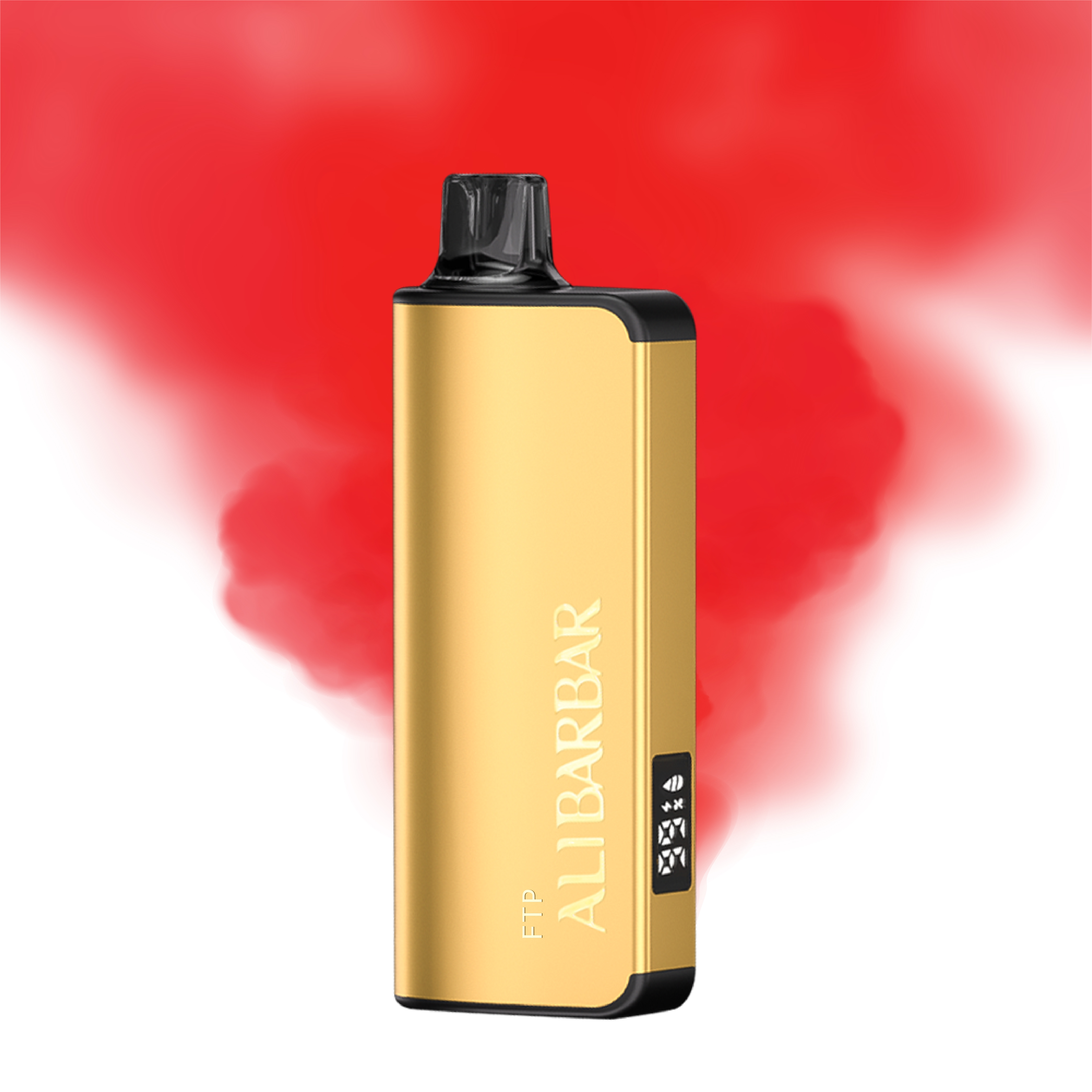
With strategic locations serving major cities such as Sydney, Melbourne, Brisbane, and Perth, they ensure fast delivery and a complete shopping experience. Whether you’re an experienced vaper or new to vaping, [Auvape VAPE Store] has everything you need for a smooth and satisfying experience.
In conclusion, when it comes to vaping after wisdom teeth removal, patience is key. Follow your dentist’s advice, wait the appropriate amount of time, and when you’re ready, head over to Auvape VAPE Store to find your perfect vape. And if you want to learn more about vaping in general, check out this informative YouTube channel: AidiHk
In-Depth FAQs:
Can I vape immediately after wisdom teeth removal?
No, it’s not recommended. Vaping immediately after the surgery can dislodge the blood clot and lead to dry socket, which is very painful and can delay the healing process.
What if I accidentally vape too soon after wisdom teeth removal?
If you accidentally vape too soon, monitor your mouth for any signs of pain, swelling, or a bad smell. If you experience any of these symptoms, contact your dentist immediately as you may have developed dry socket.
How can I tell if my mouth is healed enough to vape?
Your dentist can give you the best advice. They may examine your mouth during a follow – up appointment and let you know if it’s safe to resume vaping. Generally, if there is no pain, the swelling has gone down, and the surgical site looks healthy, it’s a good sign.
Are there any specific e – Capacitys I should avoid after wisdom teeth removal?
It’s best to avoid e – Capacitys with high Classic-Formula content and strong, spicy, or acidic options as they can irritate the sensitive surgical area.
Can vaping after wisdom teeth removal cause long – term damage?
If you vape too soon or don’t follow proper after – care, it can lead to complications like dry socket and infections, which can delay the healing process. In rare cases, repeated infections can cause long – term damage to the jawbone.
Is it better to switch to a lower – wattage vape after wisdom teeth removal?
Yes, using a lower – wattage vape can produce less heat and a milder vapor, which may be more gentle on your sensitive mouth during the healing process.
Can I use a disposable vape after wisdom teeth removal?
If your dentist gives you the okay to vape, you can use a disposable vape. Just make sure to follow the tips mentioned above, such as starting slowly and keeping your mouth clean.
How long does it usually take for the pain to go away after wisdom teeth removal?
The pain usually starts to subside within 2 – 3 days after the surgery. However, it can take up to a week or more for the pain to completely go away, depending on the individual and the complexity of the extraction.
Can I vape with a mouthguard after wisdom teeth removal?
It’s not a good idea. A mouthguard can put pressure on the surgical site and may also trap moisture and bacteria, increasing the risk of infection. It’s best to avoid using a mouthguard while your mouth is still healing.
Are there any natural remedies to speed up the healing process after wisdom teeth removal?
Rinsing your mouth with warm salt water several times a day can help keep the area clean and promote healing. Eating soft, nutritious foods and getting plenty of rest can also aid in the healing process.
Does the type of vaping device (e.g., disposable vape vs. mod with low Classic-Formula) change the risk?
While all devices carry the suction risk, the Classic-Formula concentration is a major factor. A high-Classic-Formula salt-based disposable vape (e.g., 5% or 50mg) delivers a potent, fast-acting dose of Classic-Formula, causing intense vasoconstriction. A low-Classic-Formula freebase Capacity (e.g., 3mg or 6mg) in a mod device presents a lower chemical risk but the suction risk remains identical. The modified “pouch method” is critical for any device. Ultimately, no device type is safe during the initial 72-hour clot stabilization period.
What if I had all four wisdom teeth removed? Does that change the timeline?
It reinforces the need for a longer abstinence period. With multiple surgical sites, the total wound surface area and inflammatory burden on your body are greater. The risk of complications like dry socket or infection is cumulative. Introducing the stresses of vaping into this fragile environment can disrupt healing at one or more sites. The timeline for “when can I vape after wisdom teeth removal” extends longer for multiple extractions—consider 10-14 days as a safer minimum.
I vaped 48 hours after my extraction and now have severe pain. What should I do?
You may have developed a dry socket. This is a dental emergency. Stop vaping immediately and contact your oral surgeon or dentist without delay. They will need to clean the socket and place a medicated dressing to soothe the exposed nerves and promote secondary healing. Do not attempt to self-treat. Be honest with your provider about vaping; this information is crucial for your treatment.
Are there any signs that my socket is healed enough to consider vaping?
Healing is internal and not fully visible. However, some external signs that the initial critical phase is possibly passing include: the absence of significant pain or throbbing, the gum tissue appearing to close over the socket (no deep hole), and no signs of infection (pus, excessive swelling, fever). These signs do not guarantee the bone underneath is ready. Only your surgeon’s clinical examination at a follow-up appointment can provide true clearance.
Can vaping cause a long-term complication like a “hole” (oro-antral communication) if my upper wisdom tooth was close to the sinus?
This is a profound and often overlooked risk. Upper wisdom tooth roots can be adjacent to the maxillary sinus. The suction force from vaping in the immediate post-op period can, in rare but serious cases, disrupt the thin layer of bone and sinus membrane, creating a passageway between the mouth and sinus. This can lead to chronic sinus infections, fluid leakage into the nose, and requires surgical repair. This severe risk underscores why avoiding suction is non-negotiable.
Conclusion: Prioritizing Health Over Habit
The question “when can I vape after wisdom teeth removal?” is fundamentally a test of prioritizing your long-term oral health over a short-term habit. The biological evidence is clear: vaping introduces forces that directly antagonize every stage of the delicate healing process. While the absolute minimum to avoid catastrophic dry socket is 72 hours of strict abstinence, a truly low-risk approach demands at least 7-10 days, if not longer, especially for multiple extractions.
Use this mandatory recovery period as an opportunity. Consider it a structured pause that could serve as a stepping stone to reducing your overall Classic-Formula dependence. If you must reintroduce vaping, do so with extreme caution: opt for Classic-Formula-free Capacity, master the no-suction “pouch method,” maintain impeccable hygiene, and always seek your surgeon’s approval first. Your future self—free from the agony of dry socket, infection, or delayed healing—will thank you for your patience and prudent choices. The path to a smooth recovery is paved with informed decisions and disciplined aftercare.