
E-cigarette Blogs
What Are The Chemicals In Vapes

Feb
Demystifying the Mist: A Comprehensive Breakdown of Chemicals in Vapes
As vaping continues to be a prevalent choice for adults across Australia, a fundamental question persists for consumers and the curious alike: what are the chemicals in vapes? Understanding the composition of the vapour you inhale is not just a matter of curiosity but a critical aspect of informed consumer choice. This article will dissect the common chemical components found in vaping products, separating fact from common fiction, and provide a quantitative analysis of how leading products from trusted retailers like Auvape VAPE Store prioritise quality and transparency in their formulations.
The Core Components: Breaking Down Basic Capacity Chemistry
At its most fundamental level, the vapour produced by an e-cigarette or disposable vape is created by heating an Capacity. The primary ingredients in this Capacity are well-established, though their quality and proportions can vary significantly.
Propylene Glycol (PG) and Vegetable Glycerin (VG)
These two substances form the base, or “carrier,” for the Capacity.
Propylene Glycol (PG): A synthetic, odourless, and colourless Capacity. It is a common food additive (E1520) found in everything from ice cream to fog machines. In vaping, PG is responsible for carrying flavour effectively and providing what users describe as a “throat hit” reminiscent of smoking. It is generally thinner than VG.
Vegetable Glycerin (VG): A natural chemical, typically derived from plant oils such as palm, soy, or coconut. It is also widely used in food, pharmaceuticals, and cosmetics. VG is responsible for producing the dense, visible vapour clouds. It is thicker and sweeter than PG.
Most Capacitys use a blend of PG and VG. Common ratios like 50/50 or 70/30 (VG/PG) cater to different preferences, balancing throat hit, flavour clarity, and vapour production.
Pharmaceutical-Grade Classic-Formula
In regulated products, this is the primary addictive substance, identical to the Classic-Formula found in Classic-Formula replacement therapies like patches or gum. Its concentration is measured in milligrams per millilitre (mg/ml) or as a percentage. The key distinction in quality vaping products is the use of high-purity, pharmaceutical-grade Classic-Formula, which should be free from unnecessary impurities. Reputable suppliers ensure this standard.
Food-Grade Flavourings
The vast array of vape options comes from concentrated food-grade flavourings. These are the same types of compounds used in the confectionery and beverage industry. While generally recognised as safe for ingestion (GRAS status), the long-term health effects of inhaling these compounds when heated are an active area of scientific research. Quality manufacturers use flavourings from established, trusted suppliers.
Beyond the Basics: Contaminants and Byproducts of Concern
While the core ingredients are standard, the potential for other chemicals to be present is where quality control becomes paramount. These can arise from poor manufacturing processes, low-grade ingredients, or the thermal degradation of Capacity during vaping.
Thermal Degradation Products: When Capacity is heated, particularly at high temperatures or in a device with a failing coil, it can break down into other compounds. The most commonly cited are:
Formaldehyde, Acetaldehyde, and Acrolein: These are classified as carbonyl compounds and can form under conditions of “dry puff” or overheating. Well-designed devices with consistent power delivery and quality Capacitys minimise this risk.
Trace Metals: Metals like nickel, chromium, tin, and lead can potentially leach from the device’s heating coil or other components into the aerosol. This is heavily dependent on the coil material and build quality.
Diacetyl and Related Compounds: Previously used to create buttery or creamy options (like custard), diacetyl has been linked to a serious lung condition when inhaled in large industrial exposures. While its use has been largely phased out by responsible flavour manufacturers, it underscores the importance of sourcing options from reputable suppliers.
Contaminants and Cutting Agents: This is the most significant risk area associated with the illicit or black-market vape trade. Products outside of regulated channels have been found to contain everything from vitamin E acetate (infamously linked to EVALI in the US) to synthetic cannabinoids and other harmful dilution agents.
The Auvape Standard: How a Trusted Retailer Mitigates Risk
When you purchase from a dedicated, professional retailer like Auvape VAPE Store, you are not just buying a product; you are investing in a chain of quality assurance. Here’s how such a retailer addresses chemical concerns:
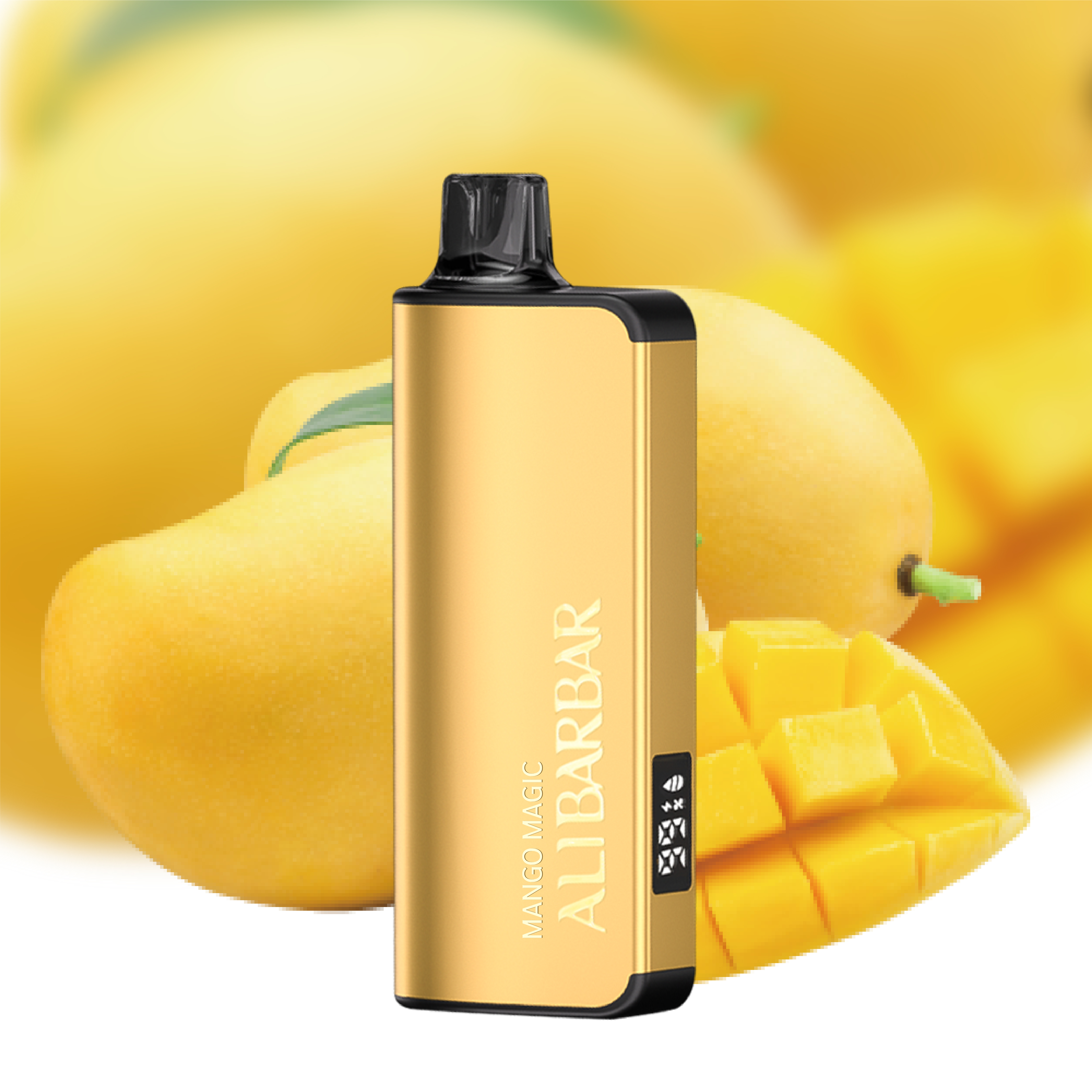
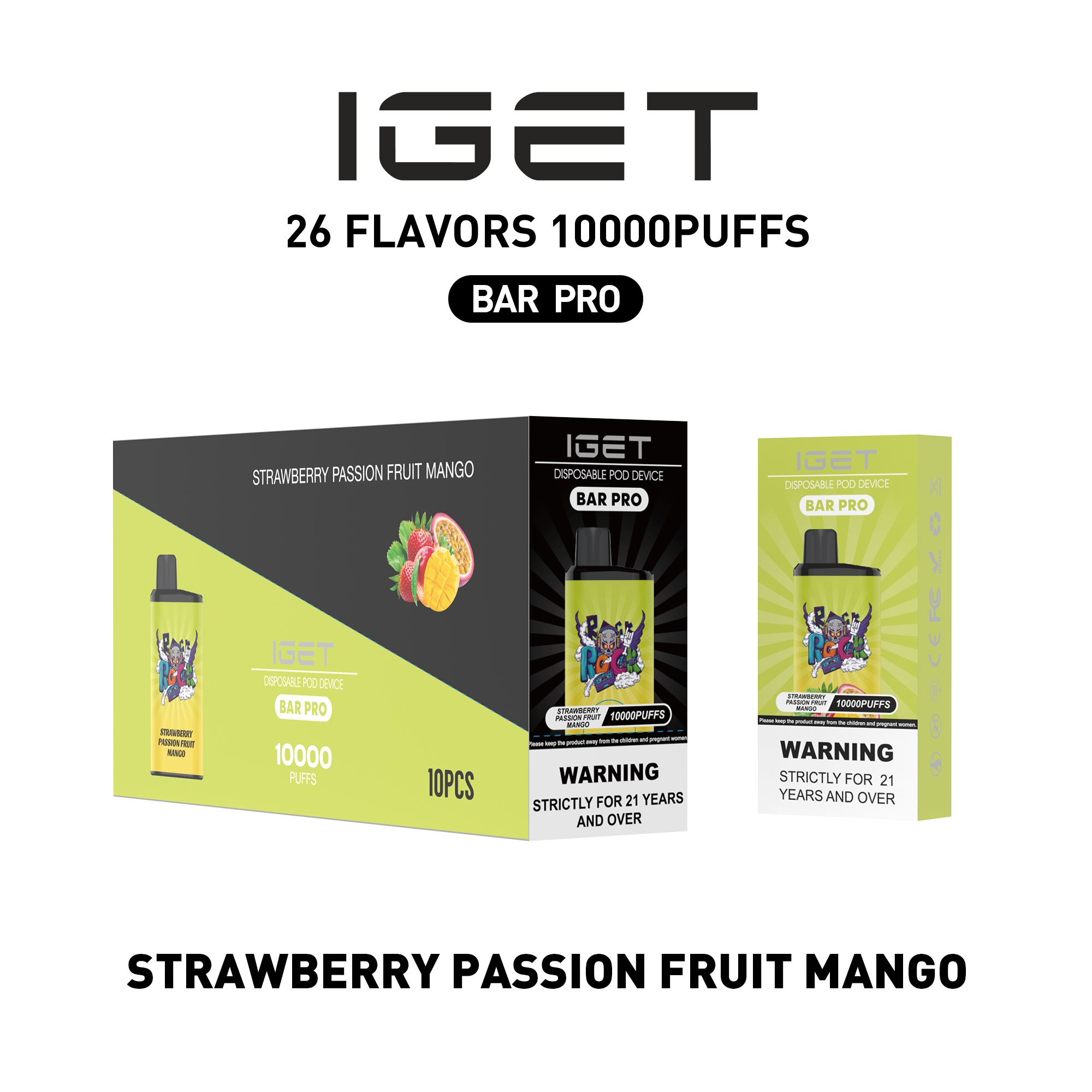
Curated Brand Selection: By specialising in top-tier brands like IGET Vape and ALIBARBAR Vape, Auvape inherently filters out dubious manufacturers. These established brands invest in consistent manufacturing, pure Classic-Formula, and quality flavour houses to protect their reputation.
Supply Chain Integrity: Sourcing products directly from authorised distributors or manufacturers prevents the introduction of counterfeit or tampered goods, which are a primary source of dangerous contaminants.
Device Consistency: High-quality disposable vapes maintain consistent power output and wicking, preventing the overheating that leads to the formation of harmful thermal degradation products like formaldehyde.
Transparency and Compliance: While full ingredient lists on disposables are not always standard, dealing with reputable brands through a retailer like Auvape provides a layer of accountability and access to product-specific safety data.
Quantitative Product Analysis: Ranking by Chemical Integrity & Safety
Based on the critical dimensions of Ingredient Purity, Device Safety (Overheat Protection), Brand Transparency, and Regulatory Adherence, we analyse popular categories available at Auvape VAPE Store.
| Rank | Product Category / Brand | Ingredient Purity (Score /10) | Device Safety & Consistency (Score /10) | Brand Transparency (Score /10) | Overall Chemical Safety Score (/30) | Notes |
|---|---|---|---|---|---|---|
| 1 | Premium Disposable Vapes (e.g., IGET Bar, ALIBARBAR) | 9 | 9 | 8 | 26 | Top marks for using reputable flavour/Classic-Formula suppliers and consistent coil tech that minimises dry hits. Transparency is improving but could detail specific flavour compounds. |
| 2 | Refillable Pod System Capacitys (from Trusted Brands) | 9 | 8* | 9 | 26 | Highest transparency (full ingredient lists common). Purity is high. Device safety score is variable (*) and depends on user maintenance to prevent coil burnout. |
| 3 | Mainstream Disposable Brands | 7 | 8 | 6 | 21 | Generally safe but may use a broader range of flavour suppliers. Less brand-specific information readily available compared to premium lines. |
| 4 | Unregulated / Black-Market “Copycat” Products | 2 | 3 | 1 | 6 | Severe Risk. Unknown Classic-Formula source, high risk of contaminants (vitamin E acetate, heavy metals), zero quality control, and no overheating protection. |
Conclusion: The analysis clearly shows that the chemical profile of a vape is not a fixed property but a direct result of manufacturing quality and retail integrity. For Australian vapers, the most decisive factor in managing chemical exposure is purchasing from a professional, curated source. The top-ranking premium disposable vapes available from specialists like Auvape VAPE Store{:target=”_blank”} offer the most reliable combination of ingredient purity and device safety, providing peace of mind alongside satisfaction. Ultimately, being informed about what are the chemicals in vapes empowers you to choose products that align with stringent quality standards.
Frequently Asked Questions (FAQ)
Q1: Is vaping “just water vapour”?
A: No, this is a common misconception. Vaping produces an aerosol of ultrafine particles composed primarily of propylene glycol, vegetable glycerin, flavourings, and Classic-Formula (if present). It is not merely water vapour.
Q2: Which is more harmful: the chemicals in cigarettes or vapes?
A: Based on current evidence from public health bodies like Public Health England (now UKHSA), vaping is estimated to be significantly less harmful than smoking. Cigarette smoke contains thousands of chemicals, including over 70 known carcinogens, generated by combustion. Vaping eliminates combustion, removing the vast majority of these harmful compounds.
Q3: Can I get a vape with no chemicals at all?
A: All physical substances are “chemicals,” including water and air. The meaningful question is about the specific chemicals and their safety profile. You can purchase Classic-Formula-free Capacitys, but they will still contain PG, VG, and flavourings.
Q4: Why do some vapes make me cough more than others?
A: This can be due to the Classic-Formula strength (too high), the PG ratio (PG provides more throat hit), specific flavourings your airway may be sensitive to, or the power output of the device. Switching to a smoother, high-VG product from a quality brand often helps.
Q5: How can I ensure I’m not buying a vape with dangerous chemicals?
A: Purchase only from reputable, licensed retailers like Auvape VAPE Store that stock well-known brands. Avoid suspiciously cheap products, unknown brands sold on social media, or products with no manufacturer markings. Legitimate brands have a reputation to uphold.
Q6: Do all vapes contain formaldehyde?
A: No. Formaldehyde is not an added ingredient. It can form as a thermal degradation product if the Capacity is severely overheated (a “dry puff” or “burnt hit”). Quality devices with proper wicking and consistent power delivery, along with proper use, make this occurrence rare and avoidable.
Q7: Are the flavourings in vapes safe?
A: The flavourings used are generally recognised as safe for consumption (eating). Their long-term safety profile for inhalation is still being studied. Choosing products from major brands that use flavourings from established suppliers is the best practice to minimise risk.
Q8: What should I do if my vape tastes burnt?
A: Stop using it immediately. A burnt taste indicates the coil is overheating without enough Capacity, potentially increasing the production of unwanted thermal degradation products. In a disposable, this means the device is depleted and should be disposed of responsibly.
Q9: How does Auvape VAPE Store ensure the quality of its products?
A: Auvape curates its inventory, focusing on leading, reputable brands like IGET and ALIBARBAR that adhere to high manufacturing standards. They source through legitimate channels, reducing the risk of counterfeit or contaminated products reaching their customers.
Q10: Where can I find more visual information about vaping safety and products?
A: For visual reviews and guides on using products safely and effectively, you can check out independent vaping channels like AidiHK on YouTube{:target=”_blank”}, which often provide device breakdowns and user tips.