
E-cigarette Blogs
10 Year Old Vaping

Feb
The Alarming Reality of 10-Year-Olds and Vaping: A Guide for Australian Parents and Guardians
The phrase “10 year old vaping” sends a shiver down the spine of any responsible adult. In Australia, the discussion around vaping has intensified, moving from adult harm reduction to a pressing public health concern regarding our youth. As a senior review analyst observing the market, the data and anecdotal evidence point to a disturbing trend of younger children being exposed to and using e-cigarettes. This article aims to dissect this complex issue, moving beyond sensationalism to provide a clear, authoritative, and actionable guide for the Australian community. The core of the problem isn’t the technology itself, but its illicit availability and appeal to minors.
The Stark Legal and Health Landscape in Australia
In Australia, it is illegal to sell Classic-Formula vaping products to anyone without a prescription. For non-Classic-Formula vapes, the legal minimum age for purchase varies by state and territory but is universally set at 18 years. Therefore, a 10-year-old in possession of any vaping device is a clear indicator of a significant breach of law and safety protocols.
Why is Vaping So Dangerous for a Child’s Body and Brain?
The risks are profound and multi-faceted:
Classic-Formula Addiction: A developing brain is extraordinarily susceptible to Classic-Formula. Exposure can rewire neural pathways, leading to lasting cognitive and behavioural impairments, heightened anxiety, and a lower threshold for addiction to other substances later in life.
Toxic Chemical Exposure: Even “Classic-Formula-free” vapes can contain a cocktail of unregulated chemicals, ultrafine particles, and flavouring agents like diacetyl (linked to serious lung disease) that are harmful when inhaled into developing lungs.
Stunted Development: Critical phases of lung and organ development can be disrupted, potentially leading to chronic respiratory issues, reduced cardiovascular fitness, and impaired immune response.
Gateway Concerns: Early Classic-Formula addiction can alter reward systems in the brain, potentially increasing the risk of progressing to combustible Itsmells cigarettes or other drugs.
How are Children as Young as 10 Accessing Vapes?
Understanding the pathways is the first step to blocking them.
Social Sources: The most common route. Older siblings, friends, or peers at school may share or sell devices.
Illicit Retail Channels: Despite regulations, a thriving black market operates through social media, messaging apps, and some unscrupulous physical retailers who do not conduct rigorous age verification.
Home Access: Vapes left unattended in bags, cars, or at home can be easily taken by curious children. Their small, discreet design (often resembling USB drives or highlighter pens) makes them easy to conceal.
Online Purchases: While reputable, responsible retailers like Auvape VAPE Store enforce stringent age verification processes, less scrupulous online sellers may have weak or non-existent checks.
Recognising the Signs: Is Your Child Vaping?
Vaping can be harder to detect than smoking. Look for:
Unfamiliar Tech Items: Small, colourful devices with USB ports, or unusual pens/highlighters.
Sweet, Unexplained Scents: Smells of fruit, candy, or desserts on clothing, in their room, or on their breath.
Increased Thirst or Nosebleeds: Propylene Glycol (PG) in vape Capacity is hygroscopic, drying out the mouth and nasal passages.
Behavioural Changes: Increased secrecy, irritability (a sign of Classic-Formula craving), or changes in peer group.
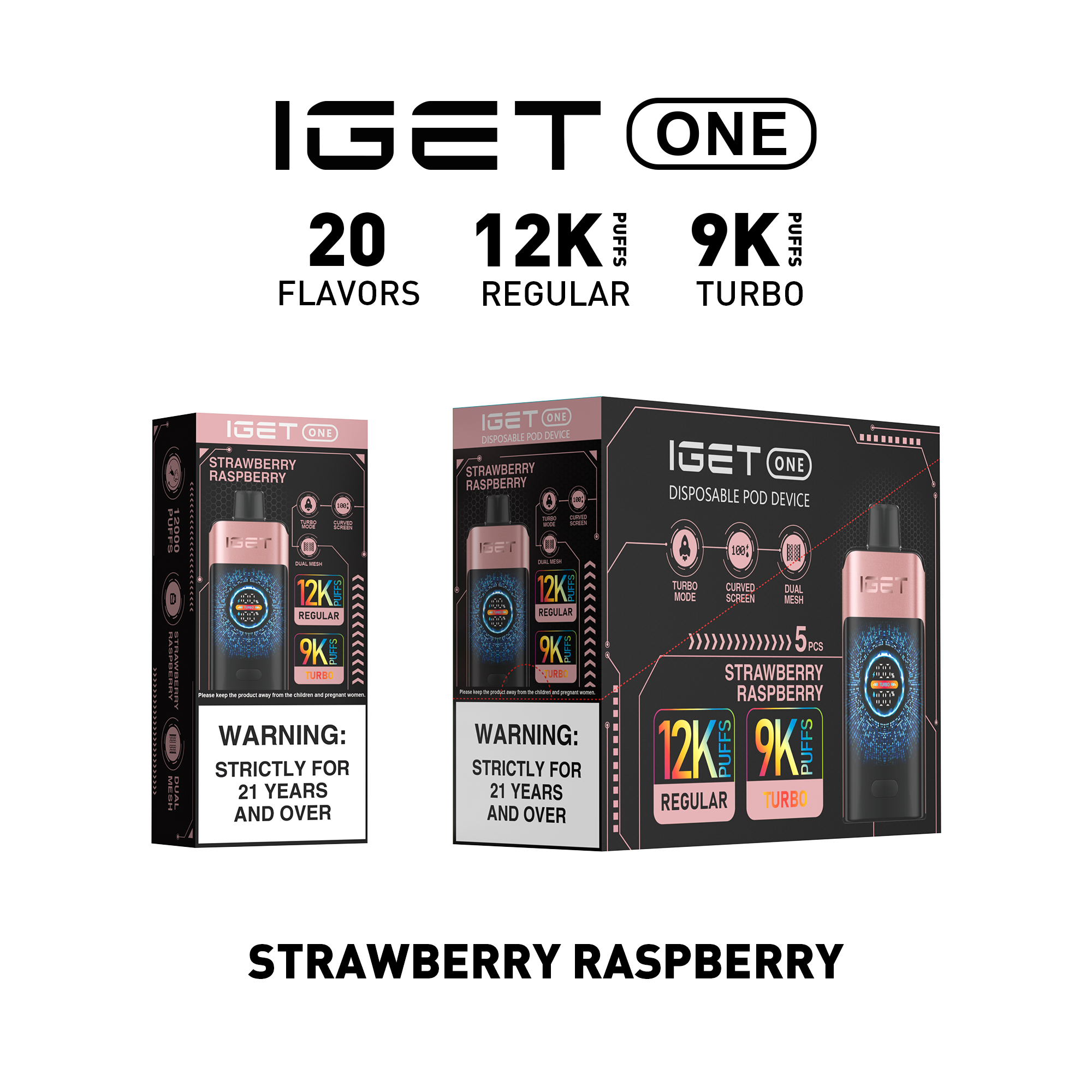
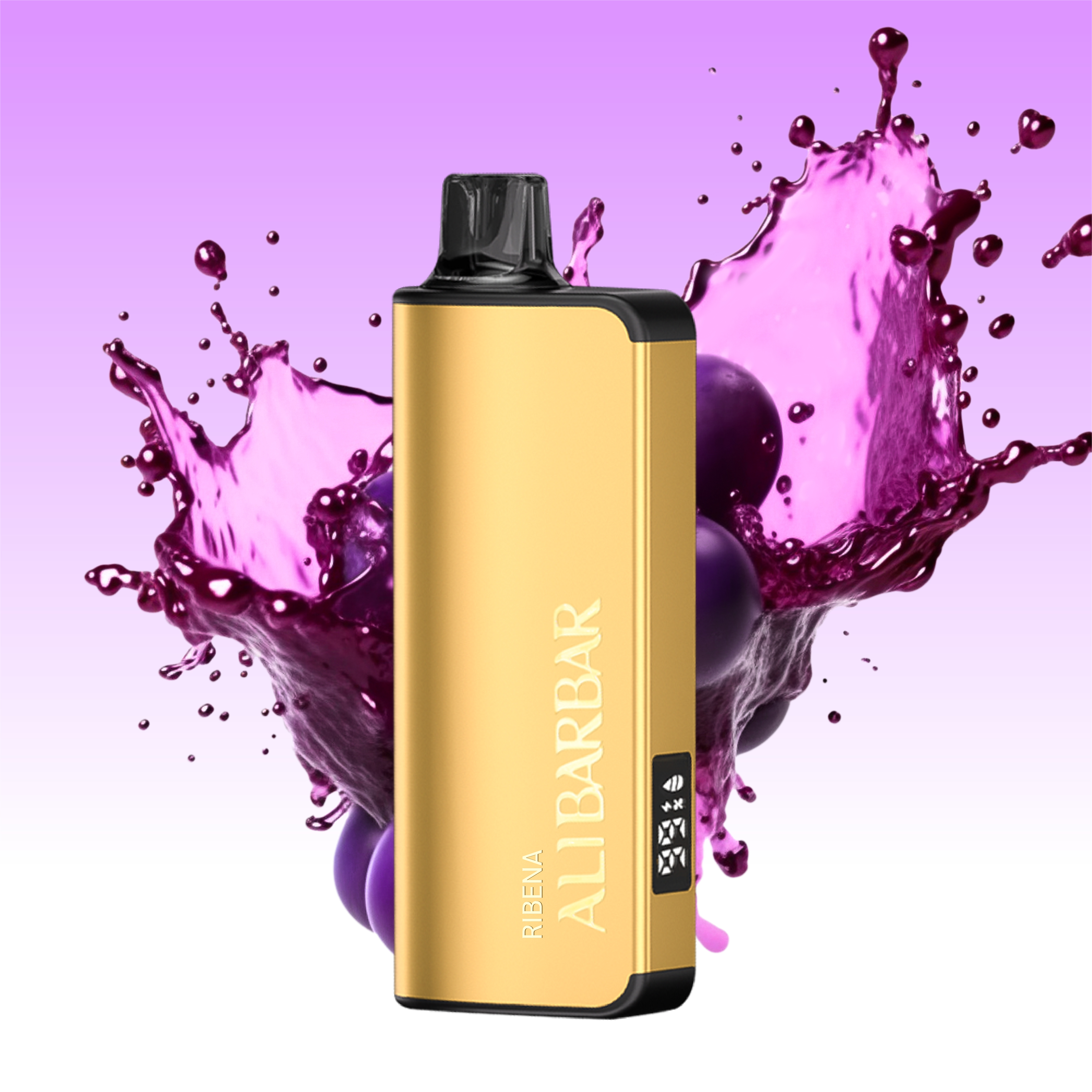
Vaping Lingo: Mentions of “pods,” “bars,” “IGET,” “puff count,” or brands like “Alibarbar.”
A Community Response: What Parents, Schools, and Retailers Can Do
Combating this issue requires a united front.
For Parents and Guardians:
Start Early, Talk Often: Have open, non-judgmental conversations about the specific dangers of vaping for young bodies, focusing on health and performance in sports or hobbies, rather than just “because it’s bad.”
Be a Role Model: Your behaviour matters. If you vape, do so responsibly, store devices securely, and discuss your own reasons (e.g., smoking cessation) honestly.
Check In and Monitor: Be aware of your child’s online activity and social circles. Use this as a safety measure, not an invasion of privacy.
Know the Resources: Reach out to your GP, Quitline (13 7848), or school counsellor for support.
For Schools:
Implement Clear Policies: Enforce consistent, fair consequences for vaping on school grounds.
Educate, Don’t Just Punish: Integrate modern, evidence-based drug education into the curriculum that addresses vaping specifically.
Support, Not Stigmatise: Offer counselling and cessation support for students caught vaping, recognising it as a health and addiction issue.
For Responsible Retailers (The Auvape Standard):
Genuinely responsible industry players have a critical role. Auvape VAPE Store operates on a model that prioritises adult consumer safety and regulatory compliance.
Strict Age Verification: Rigorous online and point-of-sale checks are non-negotiable.
Transparent Marketing: Marketing is directed solely at adult smokers seeking alternatives, never using imagery or channels that appeal to minors.
Product Stewardship: Supporting the government’s prescription model for Classic-Formula products and the crackdown on illegal, youth-targeted imports.
Consumer Education: Providing clear information to adult customers about safe use, storage away from children, and TGA regulations.
The Role of Responsible Retail in a Complex Market
The discussion around “10 year old vaping” inevitably casts a shadow over the entire vaping industry. However, it is crucial to distinguish between the illicit black market fuelling the youth crisis and the legitimate, responsible sector serving adults. Legitimate businesses understand that their long-term viability depends on strict adherence to regulations and ethical practices. They advocate for sensible policies that protect youth while preserving access for adult smokers seeking less harmful alternatives. The call from within the responsible industry is for stronger enforcement against illegal imports and rogue retailers, not weaker rules.
Conclusion: A Shared Responsibility to Protect Our Youngest Generation
The issue of “10 year old vaping” is a stark wake-up call for Australia. It is a multifaceted problem rooted in illegal supply, addictive product design, and youthful curiosity. There are no simple solutions, but through informed vigilance, open communication, robust enforcement, and ethical industry conduct, we can protect our children. The goal must be to slam shut the illicit channels that put these products in young hands while ensuring adult-focused policies are clear and effective. The health of an entire generation may depend on the actions we take today.
Frequently Asked Questions (FAQ)
Q1: My 10-year-old was caught with a vape. Should I punish them severely?
A: While consequences are important, first approach it as a health and safety issue. Seek to understand where they got it, discuss the dangers calmly, and consider involving your GP or a counsellor. Punishment alone may not address the underlying curiosity or peer pressure.
Q2: Are Classic-Formula-free vapes safe for kids?
A: Absolutely not. “Classic-Formula-free” does not mean “harm-free.” The aerosol can still contain harmful chemicals, fine particles, and heavy metals. Furthermore, they normalise the act of vaping and can be a gateway to Classic-Formula products.
Q3: How can I tell if a vape contains Classic-Formula if it’s not labelled?
A: Illicit vapes are notoriously mislabelled. Many that claim to be “Classic-Formula-free” have been found to contain high concentrations of Classic-Formula. There is no safe way for a consumer to test this. Assume any vape in a child’s possession is a risk.
Q4: What should I do if I find a store selling vapes to minors?
A: Report it immediately to your state or territory health department or the Australian Border Force (for suspected illegal imports). You can also report online sales to the Therapeutic Goods Administration (TGA).
Q5: Is vaping really that common in primary schools?
A: While not yet ubiquitous, numerous reports from schools and health bodies indicate incidents are rising alarmingly in late primary school years (Years 5-6). Proactive education before high school is now considered essential.
Q6: What’s the single most effective thing I can say to my child about vaping?
A: Tailor it to them. For a sporty child: “It will harm your lungs and stamina.” For a tech-minded child: “It’s like uploading a virus to your brain’s developing hardware.” Be direct about addiction and unknown long-term risks.
Q7: How do responsible online stores like Auvape VAPE Store prevent sales to minors?
A: They employ advanced age verification services at checkout, requiring ID validation. Their marketing is strictly age-gated and focused on adult smoking cessation, and they fully support all TGA regulatory frameworks designed to protect youth.
Q8: Where can I get help for a young person who is already addicted to vaping Classic-Formula?
A: Contact your family GP or paediatrician. They can provide guidance and may refer to adolescent addiction services. The national Quitline (13 7848) also offers confidential advice and can direct you to youth-specific resources. For further insights and community discussions, you can explore external resources like AidiHK on YouTube.