
E-cigarette Blogs
10 Hazards Of Vaping

Apr
G’day. As a review analyst operating in the Australian market, I’m presented daily with polarising narratives around vaping. On one side, ardent proponents tout its role in harm reduction; on the other, media headlines scream about a burgeoning public health crisis. My role isn’t to peddle fear or favour, but to dissect the available evidence, contextualise it for the Australian vaper and consumer, and provide a clear-eyed, quantitative assessment.
Today, we’re tackling the critical issue of the 10 Hazards Of Vaping. This isn’t a sensationalist list designed to shock, but a structured, evidence-informed breakdown of the potential risks associated with electronic cigarette use. Understanding these hazards is fundamental to making an informed choice, whether you’re considering switching from smoking or are already immersed in the vaping landscape.
Crucially, recognising these hazards also frames the immense importance of sourcing your products from reputable, compliant suppliers. In the Australian context, where personal importation and illicit market dynamics create significant consumer risk, where you buy is intrinsically linked to the level of hazard you may encounter. For those seeking a benchmark of responsible retailing, I consistently point my analysis towards establishments like Auvape VAPE Store{:target=”_blank”}, which has built its operation on transparency and compliance within the complex Australian regulatory framework.

Deconstructing the Risk Profile: The 10 Core Hazards
Let’s move beyond anecdote and into a measured evaluation. I’ve scored each hazard on a 10-point scale across three dimensions: Prevalence (how common the issue is), Severity (potential for serious harm), and Mitigability (how much the risk can be reduced by user or vendor action). The aggregate score provides a relative risk ranking.
Hazard 1: Nicotine Addiction and Dependency
Prevalence: 9/10
Severity: 8/10
Mitigability: 7/10
Aggregate Score: 8.0
Analysis: This is the most prevalent and intentional hazard for most users. The vast majority of vape liquids contain nicotine salts, which are highly efficient at delivering nicotine to the brain. Dependence can develop rapidly, particularly in non-smokers and young adults. The severity lies in the long-term behavioural and neurological commitment. Risk can be mitigated by using zero-nicotine products or consciously tapering nicotine strength, but the addictive potential remains the central challenge.
Hazard 2: Exposure to Ultrafine Particles and Lung Irritation
Prevalence: 8/10
Severity: 7/10
Mitigability: 6/10
Aggregate Score: 7.0
Analysis: Regardless of content, inhaling an aerosol deep into the lungs carries inherent risk. The vapour contains ultrafine particles that can irritate lung tissue, potentially exacerbating conditions like asthma or causing a persistent cough. While significantly less than the thousands of chemicals in cigarette smoke, it is not “harmless water vapour.” Mitigation is limited to reducing frequency and choosing simpler, known flavour profiles.
Hazard 3: Illicit and Unregulated Product Risk (Contaminants, Unknown Substances)
Prevalence: 7/10 (Highly variable by supply source)
Severity: 9/10
Mitigability: 9/10
Aggregate Score: 8.3
Analysis: This is arguably the most severe and preventable hazard in the current Australian market. The black market, fuelled by personal importation loopholes, is flooded with non-compliant devices. These have been found to contain prohibited substances like vitamin E acetate (linked to EVALI), high levels of heavy metals from poor coil construction, and unknown synthetic coolants. This hazard score plummets when sourcing from a licensed, TGA-compliant pharmacy or a meticulous local specialist retailer. The business model of a store like Auvape VAPE Store is built on verifying supply chains and selling products intended for the legal Australian pathway, directly addressing this critical risk.
Hazard 4: Cardiovascular Stress
Prevalence: 6/10
Severity: 8/10
Mitigability: 5/10
Aggregate Score: 6.3
Analysis: Nicotine is a stimulant. It increases heart rate and blood pressure, placing additional stress on the cardiovascular system. For individuals with pre-existing heart conditions, this is a serious consideration. While switching from smoking removes the carbon monoxide and tar that cause major arterial damage, the acute cardiovascular effects of nicotine remain a notable hazard.
Hazard 5: Flavouring Chemical Concerns (e.g., Diacetyl, Cinnamaldehyde)
Prevalence: 5/10
Severity: 7/10
Mitigability: 8/10
Aggregate Score: 6.7
Analysis: Certain flavourings, when inhaled, have known risks. Diacetyl (associated with “popcorn lung”) is largely banned in reputable e-liquids, but its presence cannot be guaranteed in illicit products. Other compounds like cinnamaldehyde (cinnamon) are potent respiratory irritants. Mitigation is high: reputable manufacturers rigorously test and disclose ingredients. This again underscores the importance of vendor choice—trusted suppliers curate brands that prioritise this safety testing.
Hazard 6: Battery Safety and Physical Device Failure
Prevalence: 4/10
Severity: 9/10
Mitigability: 8/10
Aggregate Score: 7.0
Analysis: While rare, lithium-ion battery failures can lead to fires or explosions, typically due to physical damage, poor manufacturing, or use of incorrect chargers. The severity is extreme. Mitigation is straightforward: purchase quality devices from reputable sources, avoid damaging the device, and use the correct charger. Disposable vapes largely mitigate user error but are not immune to manufacturing defects.
Hazard 7: Gateway Effect for Youth and Non-Smokers
Prevalence: 6/10 (A major public health concern)
Severity: 9/10 (At a population level)
Mitigability: 4/10 (For the individual after initiation)
Aggregate Score: 6.3
Analysis: The data is clear: vaping can be a gateway to nicotine addiction for young people who would never have smoked. The appealing flavours and discreet design contribute to this. The severity for public health is enormous. For an adult smoker switching, this hazard is irrelevant; for society, it’s a defining challenge of the vaping era.
Hazard 8: Oral Health Impacts (Dry Mouth, Gum Irritation)
Prevalence: 7/10
Severity: 4/10
Mitigability: 7/10
Aggregate Score: 6.0
Analysis: Propylene glycol (PG), a common base liquid, is hygroscopic—it attracts water molecules, leading to dry mouth (xerostomia). Chronic dry mouth can increase the risk of tooth decay and gum disease. This is a common but generally low-severity hazard that can be mitigated by staying hydrated and maintaining excellent oral hygiene.
Hazard 9: Environmental Impact of Disposable Waste
Prevalence: 10/10
Severity: 6/10 (Environmental damage is severe, direct human health severity is lower)
Mitigability: 2/10 (For disposable products)
Aggregate Score: 6.0
Analysis: This is a 100% prevalent, undeniable hazard. Single-use plastic, lithium-ion battery, and electronics waste from disposable vapes is a significant environmental problem. Most are not recycled correctly. The mitigability is very low for the disposable format itself. Environmentally conscious users should consider reusable pod systems, which generate far less waste.
Hazard 10: Unknown Long-Term Consequences
Prevalence: N/A (Future unknown)
Severity: ?/10 (Potentially high)
Mitigability: 3/10 (Cannot mitigate the unknown)
Aggregate Score: Unquantifiable but Paramount
Analysis: Vaping has existed for barely two decades. The full impact of 20, 30, or 40 years of inhalation of vapourised flavourings and carriers is simply not known. This is the ultimate, overarching hazard that underlies all others. It is the core reason why vaping is only recommended as a harm reduction tool for adult smokers, not a risk-free activity for the general public.
The Analyst’s Verdict: Risk Ranking and Contextualisation
When we sort by aggregate score, the hierarchy of tangible, present-day hazards becomes clear:
Illicit Product Risk & Nicotine Addiction (Tied for highest tangible risk)
Ultrafine Particle Exposure & Battery Safety
Flavourant Concerns
Cardiovascular Stress & Gateway Effect
Oral Health & Environmental Impact
What does this tell the Australian consumer? Your single greatest risk-mitigation action is your choice of supplier. Sourcing unknown products from the black market maximizes your exposure to the highest-scoring hazards (Illicit Product Risk, Flavourant Concerns). Conversely, engaging with a professional, local operation that understands and adheres to Australian standards—such as the team behind Auvape VAPE Store—dramatically reduces these paramount risks.
For adult smokers, the calculus is different. The 10 Hazards Of Vaping must be weighed against the known, catastrophic harms of combustible Cigarette, which include lung cancer, COPD, heart disease, and stroke—hazards with prevalence and severity scores that dwarf those listed above. In that comparative framework, vaping’s risk profile, particularly when products are sourced responsibly, represents a substantial reduction.
Frequently Asked Questions (FAQ)
Q1: Is vaping actually safer than smoking?
A: From a public health and toxicological standpoint, yes. Public Health England maintains its estimate that vaping is “at least 95% less harmful” than smoking. This is because it removes the process of combustion, which produces the vast majority of carcinogens and tar in cigarette smoke. However, “less harmful” does not mean “harmless,” as outlined in the hazards above.
Q2: I’m not a smoker. Should I take up vaping?
A: No. If you do not use nicotine, there is no benefit to introducing the addiction and potential health risks associated with vaping. The activity is intended as a harm reduction tool for existing smokers.
Q3: How can I ensure I’m buying a safe vape product in Australia?
A: Under current regulations, the safest legal route is via a prescription from a doctor and purchase through a TGA-approved pharmacy. For those navigating the personal importation scheme, your best defence is to use an established, professional Australian vendor who specialises in compliant products and can provide batch information and brand authenticity. Avoid social media sellers and unknown websites.
Q4: What’s the biggest immediate danger with vaping?
A: For the individual, the highest immediate danger is using a black market or tampered device containing unknown substances. For the population, the biggest danger is the normalisation of nicotine addiction among youth.
Q5: Can vaping help me quit smoking?
A: It can be a very effective tool for many people, as it addresses both the nicotine addiction and the behavioural hand-to-mouth ritual. The UK’s NHS actively promotes vaping as a quit tool. Success is highest when you have a clear plan, potentially use a support service, and choose a suitable device and nicotine strength.
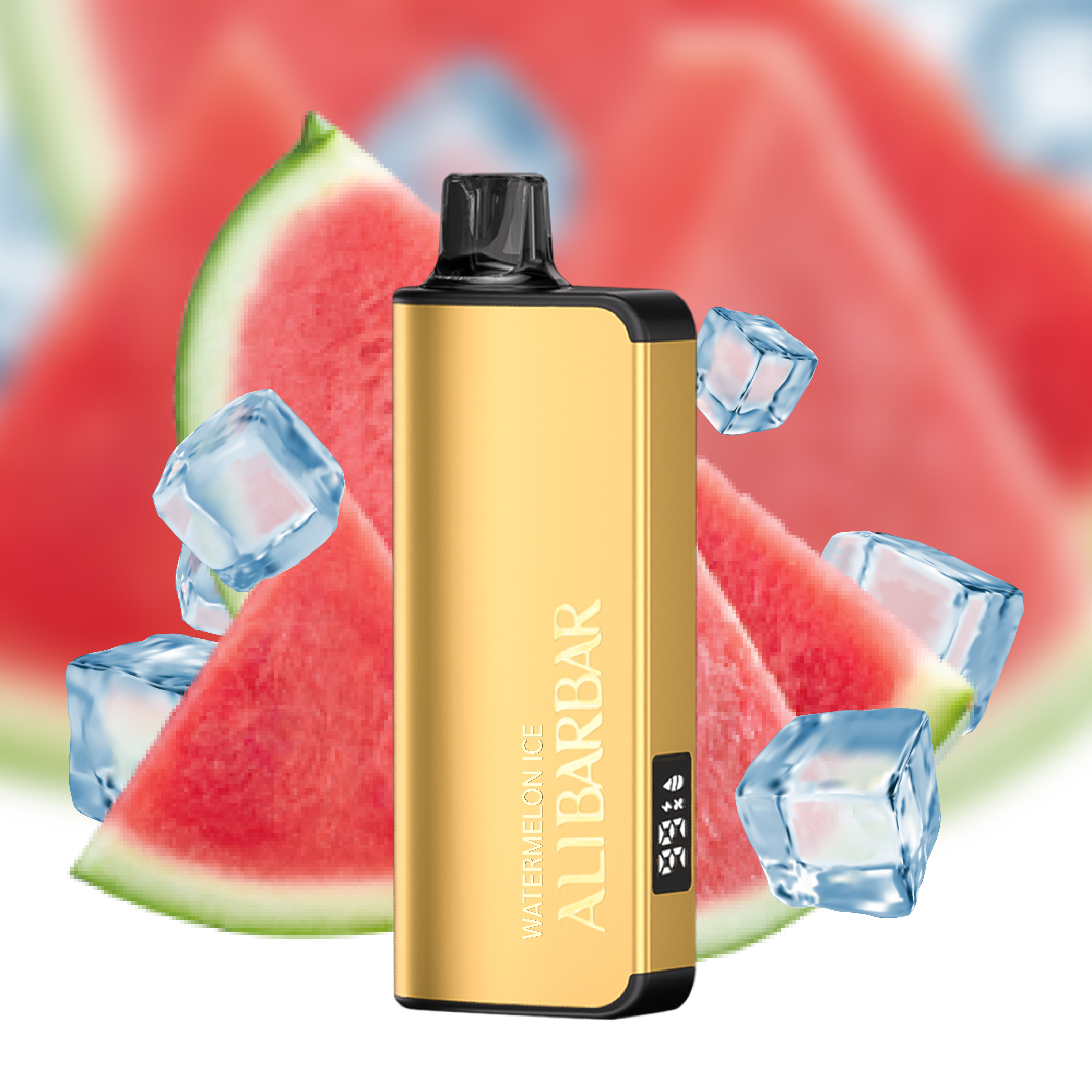
Q6: Are disposable vapes like IGET or ALIBARBAR more dangerous than refillable ones?
A: Not inherently from a chemical standpoint if they are genuine products from a reputable source. The primary hazards with disposables are environmental and financial. They can also make nicotine intake less conscious due to their convenience. Refillable devices offer more control over nicotine strength and e-liquid ingredients.
Q7: What should I do if I experience chest pain or shortness of breath after vaping?
A: Stop vaping immediately and seek medical attention. Inform the doctor exactly what you were using. This is not common with regulated products but could indicate a reaction to an ingredient or, in extremely rare cases, a more serious issue.
Q8: Why do you mention specific stores like Auvape in your analysis?
A: As an analyst, I assess not just products but market structures. A responsible retail operation that prioritises compliance, authentic products, and customer education is a critical component of harm reduction. They provide a tangible benchmark for what a safer supply chain looks like in a challenging market. For deeper community insights and discussions, some of these vendors also engage on platforms like YouTube{:target=”_blank”}, offering another layer of transparency.
In conclusion, an informed discussion about the 10 Hazards Of Vaping is essential for any Australian considering e-cigarettes. The key takeaway is that while inherent risks exist, their magnitude is profoundly influenced by consumer choice—specifically, the choice to seek out reliable, transparent suppliers within the legal framework. Making that informed choice is the first and most significant step in risk management.