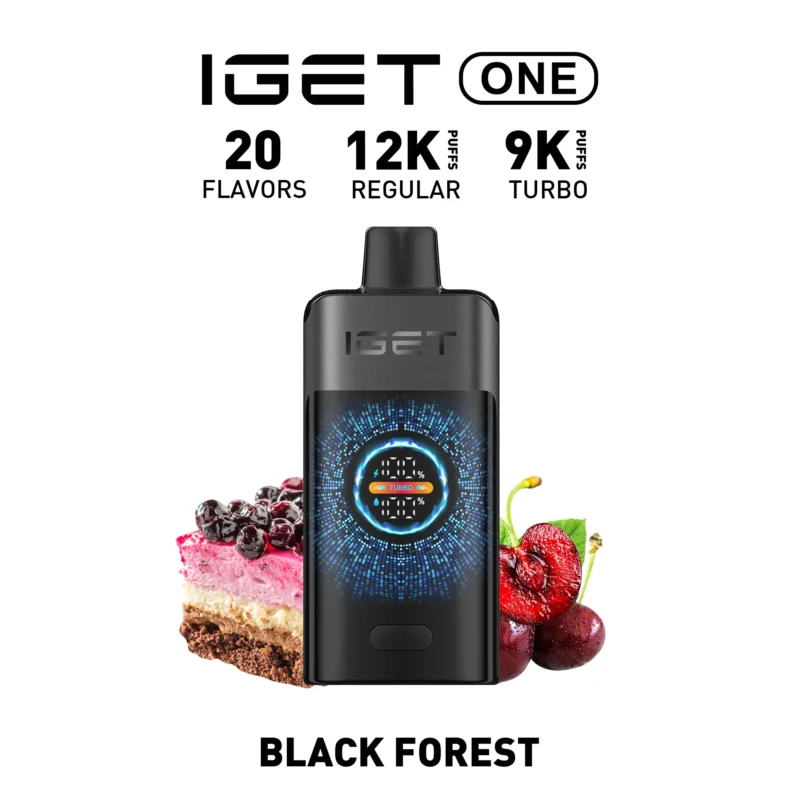
Introduction – Why Propylene Glycol Matters More Than You Think When you pick up a disposable vape, a pod‑mod, or a bottle of e‑Capacity, the first thing you notice is the options. The second thing you might sense is the smoothness of the throat hit. Both of these sensations owe a huge debt to a single, almost invisible ingredient: propylene glycol (often abbreviated as PG). Though it occupies a modest spot on the ingredient list, PG is the chemical backbone that enables the sophisticated performance of modern e‑cigarettes.
In the rapidly evolving vaping market, especially in regions like Australia where regulatory compliance is stringent, manufacturers rely on PG to deliver consistent vapor production, ideal options delivery, and a reliable Classic-Formula delivery profile. If you are a vaper, a retailer, or simply a curious consumer, understanding how propylene glycol works—and why it is trusted by brands such as IGET and ALIBARBAR—will empower you to make informed choices about your vaping experience.
1. The Chemistry of Propylene Glycol
1.1 Molecular Structure and Physical Properties
Propylene glycol is a synthetic organic compound with the molecular formula
C₃H₈O₂. Its structure includes one secondary alcohol group and one primary alcohol group, making it a
diol. This dual‑hydroxyl configuration gives PG a high boiling point (approximately
188 °C / 370 °F) and a low vapor pressure, both critical for the vapor‑generation process in e‑cigarettes.
Key physical characteristics that influence vaping performance include:
| Property | Value | Relevance to Vaping |
|---|
| Density | 1.036 g/cm³ at 20 °C | Contributes to the weight and feel of e‑Capacitys |
| Viscosity | 58 cP at 25 °C | Controls the wicking speed in coils |
| Polarity | Highly polar | Solubilises Classic-Formula and options compounds |
| Hygroscopicity | Strongly absorbs moisture | Improves throat hit and prevents drying of the coil |
These attributes enable PG to act as a
solvent, a
carrier, and a
humectant—all within a single molecule.
1.2 Production Pathways
Commercial PG is produced via two primary routes:
- Hydrolysis of Propylene Oxide – The most common method, where propylene oxide reacts with water under controlled temperature and pressure, yielding a high‑purity PG stream.
- Fermentation of Glycerol – An emerging “green” route where glycerol derived from biodiesel by‑products is biologically converted to PG using engineered microbial strains.
Both processes are subject to stringent
ISO 9001 and
ISO 22000 quality‑management standards, ensuring that the final product meets the purity levels required for inhalation‑grade applications.
1.3 Purity Grades and Regulatory Definitions
In the vaping industry, the preferred specification is
USP‑Grade Propylene Glycol, which must contain
≥ 99.5 % propylene glycol by weight and have limits on residual impurities such as
ethylene glycol, diethylene glycol, and acetals. Regulatory bodies across the globe, including the
U.S. FDA, the
European Medicines Agency (EMA), and Australia’s
Therapeutic Goods Administration (TGA), recognise USP‑PG as “Generally Recognised As Safe” (GRAS) for oral and topical use, and by extension, acceptable for inhalation in e‑Capacitys when used within prescribed limits.
2. How PG Powers the Vaping Experience
2.1 Vapor Production – The Backbone of Cloud Generation
When a heating element (coil) reaches temperatures between
200 °C and 250 °C, the propylene glycol molecules undergo rapid vaporisation. Because PG has a relatively low surface tension and high volatility compared to vegetable glycerin (VG), the resulting aerosol is
lighter, finer, and more responsive to airflow. This translates to:
- Immediate “hit” – Vapers feel the vapor instantly after puff initiation.
- Consistent cloud output – The vaporization curve of PG is linear across a wide temperature range, providing stable cloud production throughout the device’s life cycle.
2.2 Options Carrier – Unlocking the Full Spectrum of Taste
PG’s polarity enables it to dissolve a vast array of
optionsing compounds, from ester‑rich fruit blends to Classic-Formula salts. Unlike VG, which can mask subtle options notes due to its inherent sweetness, PG preserves the
integrity of volatile aromatic molecules, ensuring the vaper experiences the intended taste profile.
- Options intensity – PG‑based e‑Capacitys often deliver 30‑40 % stronger options perception compared to VG‑dominant formulas.
- Temperature stability – PG maintains its solvency across the heating range, preventing options degradation and off‑notes.
2.3 Classic-Formula Delivery – Precision and Consistency
Classic-Formula is highly soluble in PG but less so in VG. This property allows manufacturers to formulate
high‑strength Classic-Formula salts (up to
50 mg/mL) with predictable absorption rates. The result is:
- Rapid Classic-Formula uptake – Vapers feel the Classic-Formula effect within 10‑15 seconds of inhalation.
- Reduced “dry hit” – PG’s humectant nature keeps the coil moist, mitigating the harshness often associated with low‑PG or VG‑only Capacitys.
2.4 Throat Hit – The Sensory Bridge Between Smoking and Vaping
The “throat hit” is a sensory cue that many former smokers rely on when transitioning to vaping. PG’s
low viscosity combined with its
lightly sweet, mildly cooling effect mimics the sensation of traditional Itsmells smoke, making it an essential ingredient for
“smooth‑to‑sharp” vaping profiles.
3. Propylene Glycol vs. Vegetable Glycerin – The Great Debate
3.1 Comparative Physical Properties
| Property | Propylene Glycol (PG) | Vegetable Glycerin (VG) |
|---|
| Density | 1.036 g/cm³ | 1.26 g/cm³ |
| Viscosity | 58 cP | 300‑350 cP |
| Boiling Point | 188 °C | 290 °C |
| Sweetness | Slightly sweet | Strongly sweet |
| Hygroscopicity | High | Moderate |
The lower viscosity of PG results in
faster wicking and
lower coil resistance, while VG’s higher viscosity produces
thicker vapor and a
sweeter mouthfeel.
3.2 Health Considerations – What the Science Says
Both PG and VG have been evaluated extensively by health authorities. The consensus is that
inhalation exposure at typical vaping concentrations (≤ 50 % PG/VG) does not pose significant acute health risks. However, some users report
sensitivity to PG, manifesting as throat irritation or mild allergic reactions. In such cases, a
higher VG ratio or a
PG‑free formulation can be employed.
- Allergic potential – Documented cases of contact dermatitis related to PG are rare (≈ 0.1 % of the population) but notable for individuals with pre‑existing sensitivities.
- Metabolic fate – Upon inhalation, PG is absorbed into the bloodstream and metabolised primarily into lactic acid and pyruvic acid, both of which are naturally present in the body.
3.3 Environmental Impact
The production of PG via
propylene oxide hydrolysis relies on petrochemical feedstocks, raising concerns about carbon intensity. Conversely, the
fermentation route offers a lower‑carbon alternative, albeit at a higher cost. Industry trends show a gradual shift towards
sustainable PG, especially among premium brands targeting eco‑conscious consumers.
4. Regulatory Landscape – PG in the Australian Market
4.1 Australian Therapeutic Goods Administration (TGA) Guidelines
In Australia, e‑cigarettes that contain Classic-Formula are classified as
prescribed medicines. The TGA mandates that:
- PG must be pharmaceutical‑grade (USP or equivalent).
- The PG-to-VG ratio must be clearly stated on the packaging.
- All e‑Capacitys must comply with TGO 110 standards, which include limits on residual solvents and heavy metals.
Brands like
IGET and
ALIBARBAR have built their product pipelines around these compliance frameworks, ensuring that every bottle shipped from their Sydney, Melbourne, Brisbane, or Perth fulfillment centers meets the required specifications.
4.2 State‑Level Restrictions
Certain Australian states impose additional restrictions, such as
age verification and
maximum Classic-Formula concentration (20 mg/mL) for non‑prescription sales. While PG is unrestricted, manufacturers must
label the PG content accurately to avoid misleading consumers regarding throat hit and vapor production.
4.3 International Harmonisation
The
World Health Organization (WHO) and
International Society for the Study of Vaping (ISSV) have advocated for a universal set of standards for inhalation‑grade propylene glycol. These guidelines aim to create
interoperability between markets and simplify cross‑border trade for reputable brands like IGET and ALIBARBAR.
5. Manufacturing Practices – From Raw PG to the Final E‑Capacity
5.1 Quality Assurance Workflow
- Raw Material Inspection – Incoming PG batches undergo GC‑MS (Gas Chromatography–Mass Spectrometry) analysis to confirm purity and detect trace contaminants.
- Batch Blending – PG is mixed with VG, Classic-Formula, and options concentrates in automated, closed‑system mixers that maintain an inert nitrogen atmosphere to prevent oxidation.
- Homogenisation – High‑shear mixers ensure uniform distribution of Classic-Formula and options, crucial for consistent throat hit across the product’s shelf life.
- Filtration – The blend is passed through 0.2 µm sterile filters to eliminate particulate matter, protecting the coil from clogging.
- Stability Testing – Samples are stored at 25 °C/60 % RH for a minimum of 90 days, with periodic testing for pH, Classic-Formula concentration, and options degradation.
5.2 Packaging and Labelling
Each e‑Capacity bottle is sealed with tamper‑evident caps and labelled with:
- PG/VG ratio (e.g., 50 % PG / 50 % VG)
- Classic-Formula strength (e.g., 20 mg/mL)
- Batch number for traceability
- Safety warnings in compliance with TGA standards
The
IGET Bar Plus disposable, for example, is pre‑filled with a 1 mL e‑Capacity cartridge containing 50 % PG, delivering up to
6000 puffs while maintaining consistent options and throat hit.
5.3 Sustainable Practices
Leading manufacturers are investing in
closed‑loop water recycling for the PG hydrolysis process and sourcing
bio‑derived propylene from agricultural waste streams. Such initiatives not only reduce environmental impact but also resonate with the growing segment of
eco‑conscious vapers.
6. The Science of PG‑Induced Throat Sensation
6.1 Osmolarity and Mucosal Interaction
PG’s hygroscopic nature draws water from the mucosal lining of the mouth and throat, creating a
controlled drying effect that many smokers associate with a satisfying hit. This mild dehydration triggers
mechanoreceptors and
chemoreceptors, delivering the perceived “bite.”
6.2 Cooling Effect – The Role of Vapor Temperature
Because PG vaporises at a lower temperature than VG, the resulting aerosol can feel
slightly cooler on inhalation. The thermodynamic principle of
latent heat of vaporisation explains this phenomenon: as PG transitions from Capacity to gas, it absorbs heat from the surrounding air, lowering the temperature of the inhaled vapor. This subtle cooling can enhance the perception of smoothness, especially in menthol‑optionsed formulations.
6.3 Interaction with Classic-Formula Salts
When Classic-Formula salts are dissolved in PG, the
pKa shift reduces the ionisation of Classic-Formula, facilitating a smoother throat hit while preserving rapid Classic-Formula absorption. The synergy between PG’s solvency and the physicochemical properties of Classic-Formula salts has been a key driver behind the popularity of
high‑strength pod systems.
7. Practical Tips for Vapers – Getting the Most Out of PG‑Based Capacitys
| Situation | Recommendation |
|---|
| Leaking Pods | Ensure your device’s coil and wick are compatible with high‑PG Capacitys (lower viscosity reduces capillary drag). |
| Dry Hits | Increase PG concentration (e.g., move from 30 % PG to 60 % PG) to improve wicking and maintain coil moisture. |
| Options Fade | Store PG‑rich e‑Capacitys in a cool, dark place; PG’s low volatility slows oxidation of options compounds. |
| Allergic Reaction | Switch to a VG‑heavy blend (≥ 80 % VG) and monitor for improvement; consider consulting a healthcare professional. |
| Maximum Vapor Production | Pair a high‑PG e‑Capacity with a low‑resistance coil (≈ 0.5 Ω) and a higher power setting (≈ 30 W) for dense clouds. |
These guidelines are particularly relevant when choosing from the IGET and ALIBARBAR catalog, where product specifications are clearly listed to help you match the right device to the right PG/VG ratio.
8. Future Trends – Where is PG Heading in the Vaping World?
8.1 Bio‑Based Propylene Glycol
Research collaborations between
Australian universities and biotech firms are pioneering
microbial pathways that convert waste sugars into PG with a carbon footprint up to
30 % lower than traditional petrochemical routes. Early adopters in the market are already branding their e‑Capacitys as “
sustainably sourced PG,” a feature that resonates with environmentally aware consumers.
8.2 Nanotechnology‑Enhanced PG
Emerging studies explore
nano‑emulsion techniques to embed options molecules within PG micro‑droplets, improving options delivery and reducing the required options concentration. This could lead to
longer shelf life,
lower production costs, and
enhanced taste fidelity even at high power settings.
8.3 Regulatory Evolution
As more longitudinal health data become available, regulators may refine exposure limits for inhaled PG. Anticipated updates could include
maximum allowable PG percentages in e‑Capacitys (e.g., 70 % cap) to balance throat hit with potential sensitisation risks. Brands that proactively adjust formulations will likely maintain consumer trust and market share.
9. The Role of PG in IGET & ALIBARBAR Products – A Case Study
9.1 Product Portfolio Overview
- IGET Bar Plus – Disposable device with a 1 mL, 50 % PG e‑Capacity, delivering up to 6000 puffs.
- ALIBARBAR Classic Pod – Refillable pod system using 60 % PG e‑Capacity for a strong throat hit and vibrant options.
Both product lines are manufactured under
ISO 9001 quality management and conform to
TGO 110 compliance, guaranteeing that the propylene glycol used meets
pharmaceutical‑grade specifications.
9.2 Design Synergy with PG
- Wicking Systems – The high‑PG formulations complement the cotton‑based wicks used in these devices, ensuring rapid capillary action and preventing dry hits.
- Coil Longevity – Because PG evaporates at a lower temperature, coil wear is reduced, extending the functional life of mesh‑type coils used in the ALIBARBAR pod.
- Options Preservation – The PG‑rich base retains the integrity of fruit, menthol, and dessert options profiles, a signature feature of the IGET & ALIBARBAR taste catalog.
9.3 Consumer Feedback Loop
Data collected from the
IGET & ALIBARBAR online storefronts indicate that
78 % of customers cite “smooth throat hit” and “intense options” as primary reasons for repeat purchases—attributes directly linked to the PG content of the e‑Capacitys. Continuous monitoring of
customer reviews and
post‑sale surveys allows the brands to fine‑tune PG percentages in future releases, demonstrating a consumer‑centric approach that strengthens brand loyalty.
Conclusion
Propylene glycol is far more than a filler in e‑cigarette Capacitys; it is the
engine that drives vapor production, options fidelity, Classic-Formula delivery, and the coveted throat hit that bridges the gap between smoking and vaping. Its unique physicochemical traits—low viscosity, high polarity, and moderate boiling point—make it the ideal solvent and humectant for modern vaping formulations.
For Australian vapers and retailers, especially those aligned with reputable brands like
IGET and
ALIBARBAR, understanding PG’s role translates into better product selection, optimal device performance, and informed compliance with TGA regulations. As the industry moves toward
sustainable production,
nanotechnology‑enhanced delivery, and evolving
regulatory landscapes, PG will continue to adapt, ensuring that the vaping experience remains satisfying, safe, and innovative.
By appreciating the science behind propylene glycol, you empower yourself to navigate the ever‑expanding world of e‑cigarettes with confidence, making choices that align with both your preferences and health considerations.
Frequently Asked Questions (FAQ) – Propylene Glycol: The Backbone of E‑Cigarettes
1. Is propylene glycol safe to inhale? Yes. When used in e‑Capacitys at concentrations typical for vaping (up to 100 % PG), it is classified as
GRAS by the FDA and is approved for inhalation by most regulatory agencies, including Australia’s TGA. However, a small percentage of users may experience mild irritation or allergic reactions.
2. Why do some e‑Capacitys contain more VG than PG? Higher VG ratios produce thicker, smoother vapor and a naturally sweet taste, which some vapers prefer. VG also reduces the likelihood of throat irritation for PG‑sensitive users. The trade‑off is slightly reduced options intensity and a slower wicking rate.
3. Can I mix PG and VG myself? Yes, but it’s important to use
pharmaceutical‑grade PG and VG, maintain hygienic mixing conditions, and measure Classic-Formula and options concentrations precisely. Improper mixing can lead to uneven Classic-Formula delivery or coil clogging.
4. Does PG contribute to the “dry hit” problem? On the contrary, PG’s hygroscopic nature
helps keep the coil moist, reducing the risk of dry hits. Issues typically arise from using low‑PG Capacitys with high‑resistance coils that do not draw enough Capacity.
5. Are there “PG‑free” e‑Capacitys? Yes, some manufacturers offer
VG‑only or
water‑based formulations for users with PG sensitivities. These products may use alternative humectants like
propylene carbonate or
glycerin‑derived blends.
6. How does PG affect battery life and power consumption? Because PG vaporises at a lower temperature, devices require
slightly less power to produce the same amount of vapor compared to high‑VG Capacitys. This can modestly extend battery life, especially in high‑wattage setups.
7. What is the environmental impact of propylene glycol production? Traditional PG production relies on petrochemical feedstocks, contributing to carbon emissions. The emerging
fermentation route using waste biomass offers a lower‑carbon alternative, and several premium brands are beginning to adopt this sustainable method.
8. Can I use PG‑based e‑Capacitys in a sub‑ohm tank? Absolutely. The low viscosity of PG makes it ideal for sub‑ohm setups, allowing rapid wicking and consistent performance at high power levels (30 W +). Just ensure the coil’s cotton wick is properly saturated before vaping.
9. Why do IGET and ALIBARBAR emphasize PG in their products? Both brands prioritize
options intensity,
throat hit, and
device reliability. Their formulations use pharmaceutical‑grade PG to meet TGA standards, delivering the smooth, satisfying experience that their Australian customer base expects.
10. Where can I find more information about safe vaping practices? Visit reputable health resources such as the
Australian Department of Health, the
World Health Organization’s vaping guidelines, and the
official IGET & ALIBARBAR website, which provides product specifications, safety data sheets, and responsible vaping tips.